

 Ver en contexto
 Enviar
 Compartir
 Detalles

 Descargar
 Similares
 Radiografía
 Presentación de diapositivas
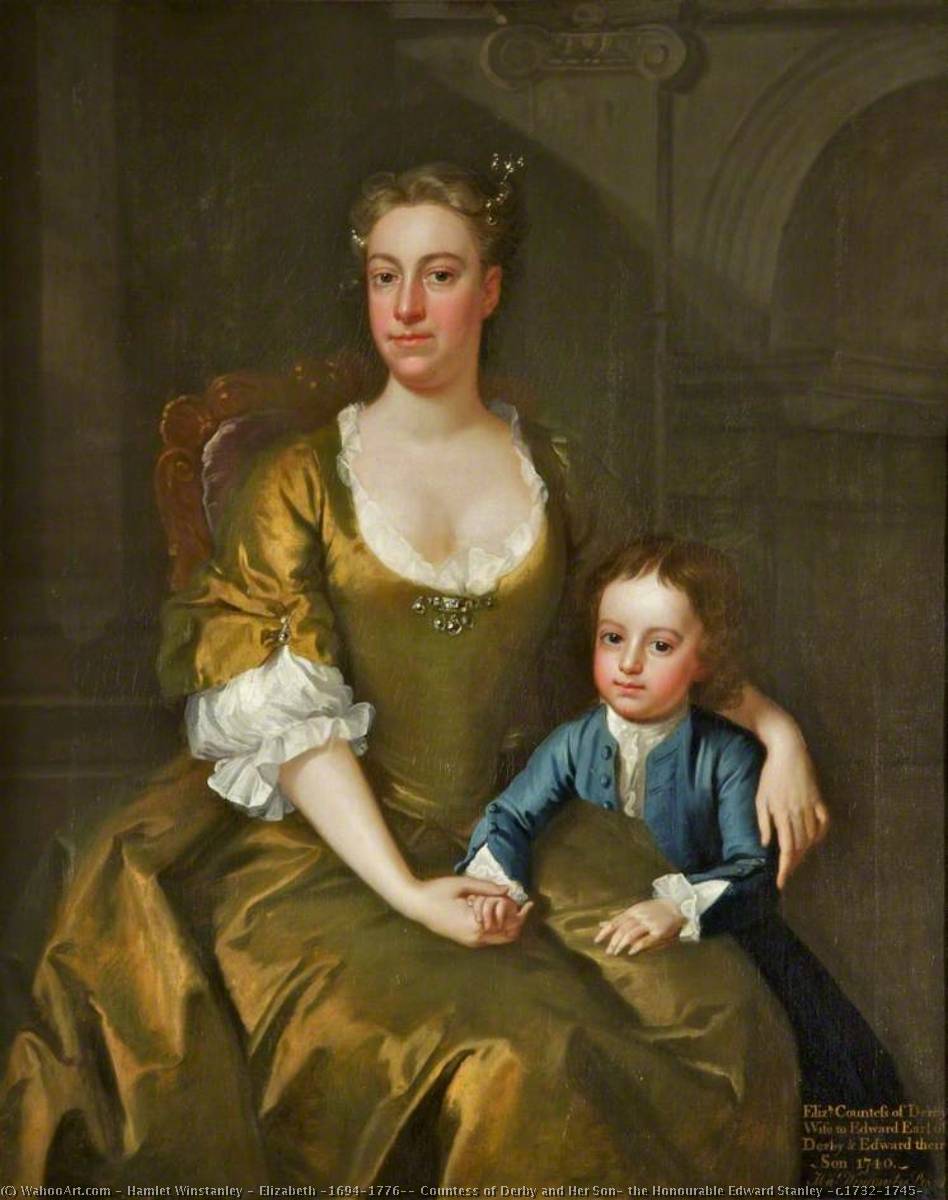
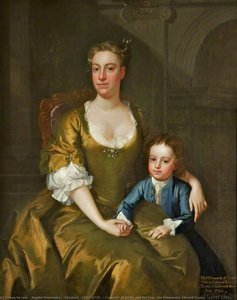
Elizabeth (1694–1776), Countess of Derby and Her Son, the Honourable Edward Stanley (c.1732–1745)
 Neoclassicism
 1740
1740 127.0 x 102.0 cm
 Galería de Arte Walker
 Ver más
Adquiera una imagen digital de alta resolución y optimizada, muy superior a la vista previa en línea.
Cada archivo es preparado meticulosamente por nuestros especialistas internos mediante el uso de herramientas avanzadas y un experto retoque manual. Nos aseguramos de que cada imagen posea una claridad excepcional, una precisión cromática impecable y un detalle minucioso.
El archivo final se entrega por correo electrónico en un plazo de 72 horas, optimizado para su uso inmediato en entornos profesionales, editoriales y de impresión. Esta es la misma calidad en la que confían los estudios de diseño, las editoriales y las galerías de primer nivel.
Imagen Digital
Descarga un archivo de alta resolución para exhibición personal, impresión y proyectos creativos. ( Comprar impresión Comprar pintura hecha a mano)
Incluido en cada pedido de imágenes digitales
Entrega digital experta, garantizada.
Al elegir ArtsDot.com, no solo está adquiriendo una imagen; está recibiendo una obra de arte digital mejorada profesionalmente, elaborada con precisión y respaldada por una garantía de satisfacción. Esto es todo lo que incluye su pedido, automáticamente:

Entrega rápida por email
Recibirá su archivo de imagen digital en alta resolución por correo electrónico en un plazo de 72 horas tras realizar su pedido, listo para su uso inmediato.

Archivo digital optimizado por IA
Su obra de arte se optimiza profesionalmente mediante herramientas avanzadas de IA y edición manual, garantizando el máximo detalle, claridad y precisión cromática.

Reenvío gratuito de por vida
¿Has borrado o perdido tu archivo por error? No te preocupes: te lo volveremos a enviar en cualquier momento, sin coste adicional.

Sin gastos de importación, siempre
Disfrute de su obra de arte al instante sin aduanas, aranceles ni gastos de envío; las descargas digitales siempre están libres de impuestos.

Garantía de fidelidad de color
Garantizamos que su imagen digital refleje los colores originales con la mayor fidelidad posible, mediante el uso de herramientas profesionales y gestión del color.

Garantía de satisfacción de 60 días
Si no está satisfecho con su imagen digital, la revisaremos o le reembolsaremos el 100% en un plazo de 60 días, sin preguntas.

100% Garantía de devolución de dinero
¿No está satisfecho? Obtenga un reembolso completo dentro de los 60 días posteriores a la recepción de su archivo digital, sin necesidad de explicaciones.

Descuentos por pedidos grandes
Compra 3 imágenes, ahorra 10% - Compra 5, ahorra 15% - Compra 10+, ahorra 20%. Ideal para proyectos creativos, galerías y agencias.
Obras relacionadas
Biografía del artista
The Artistry of Hamlet Winstanley: A Bridge Between Eras
In the grand tapestry of English art history, few figures embody the transition from the ornate flourishes of the Rococo to the grounded realism of the Georgian era as gracefully as Hamlet Winstanley. Born in 1698 in Warrington, Lancashire, Winstanley was a man whose very name suggests a certain theatricality, yet his artistic soul was rooted in meticulous precision and classical reverence. As the son of a tradesman and the second son of William Winstanley, his path was paved not by inherited titles, but by an early, profound immersion in the visual language of his time. His formative years were shaped by the scholarly guidance of Samuel Shaw and the generous patronage of John Finch, whose vast collection of paintings provided Winstanley with a silent, magnificent classroom where he could study the masters through the act of copying.
The trajectory of his talent took him from the quiet rectories of Lancashire to the vibrant, competitive atmosphere of London’s Kneller Academy of Painting and Drawing. Under the direct tutelage of the legendary Sir Godfrey Kneller, Winstanley refined a technique that would become his signature: a masterful command of chiaroscuro, using the dramatic interplay of light and shadow to breathe life into the human form. This period of intense study instilled in him a commitment to capturing not just the outward likeness of his subjects, but their psychological essence—a quality that would later define his celebrated portraiture.
A Life of Patronage and Cosmopolitan Vision
Winstanley’s career was inextricably linked to the aristocratic circles of 18th-century England, most notably through his relationship with the Earl of Derby. Following a triumphant commission for the portrait of Sir Edward Stanley in 1721, Winstanley found himself ensconced at Knowsley Hall, serving as both an artist and an influential art agent. This dual role allowed him to traverse the cultural epicenters of Europe. Supported by the Earl’s generosity, Winstanley journeyed to Rome between 1723 and 1725, a transformative period that expanded his artistic vocabulary far beyond the borders of England.
In Italy, he functioned as a sophisticated conduit for classical taste, tasked with acquiring paintings and sculptures from Roman collections. This exposure to the grandeur of antiquity deeply influenced his later work as a copyist. He did not merely replicate Roman sculptures; he reinterpreted them through a subtle, burgeoning sensibility that prioritized accuracy and an understated elegance. His ability to navigate the complex world of art auctions and international dealers solidified his reputation as a man of immense cultural intellect, capable of bridging the gap between the ancient classical world and the contemporary British nobility.
Legacy of the Portraitist and Engraver
The artistic output of Hamlet Winstanley was diverse, encompassing the delicate precision of engraving, the expansive vision of landscape painting, and the intimate depth of portraiture. His portraits of the nobility and gentry are characterized by a certain dignified restraint, eschewing the flamboyant ornamentation of earlier decades in favor of muted palettes and carefully considered compositions. Whether he was capturing the regal presence of George II or the tender familial bonds seen in his depictions of the Countess of Derby and her son, Winstanley’s work remains a testament to his ability to convey status through subtle nuance rather than overt display.
Though history often remembers the more tempestuous figures of his era, such as William Hogarth, Winstanley’s significance lies in his role as a foundational pillar of the English school. His life's work represents a crucial moment of artistic evolution:
- Technical Mastery: The integration of Kneller’s academic rigor with the meticulous detail of engraving.
- Cultural Mediation: Acting as an essential link between the classical treasures of Rome and the burgeoning collections of the English aristocracy.
- Stylistic Transition: Moving away from Rococo excess toward a more disciplined, realistic approach that prefigured the Georgian aesthetic.
Breves datos
- Artistic Movement Or Style: Victorian Portraiture
- Date Of Death: Living
- Full Name: Hamlet Winstanley
- Nationality: English
- Notable Artworks: ['Roman Copies']

