

 Vista previa
 Compartir
 Compartir
 Ver detalles

 Descargar
 Ver similares
 Radiografía
 Presentación de diapositivas
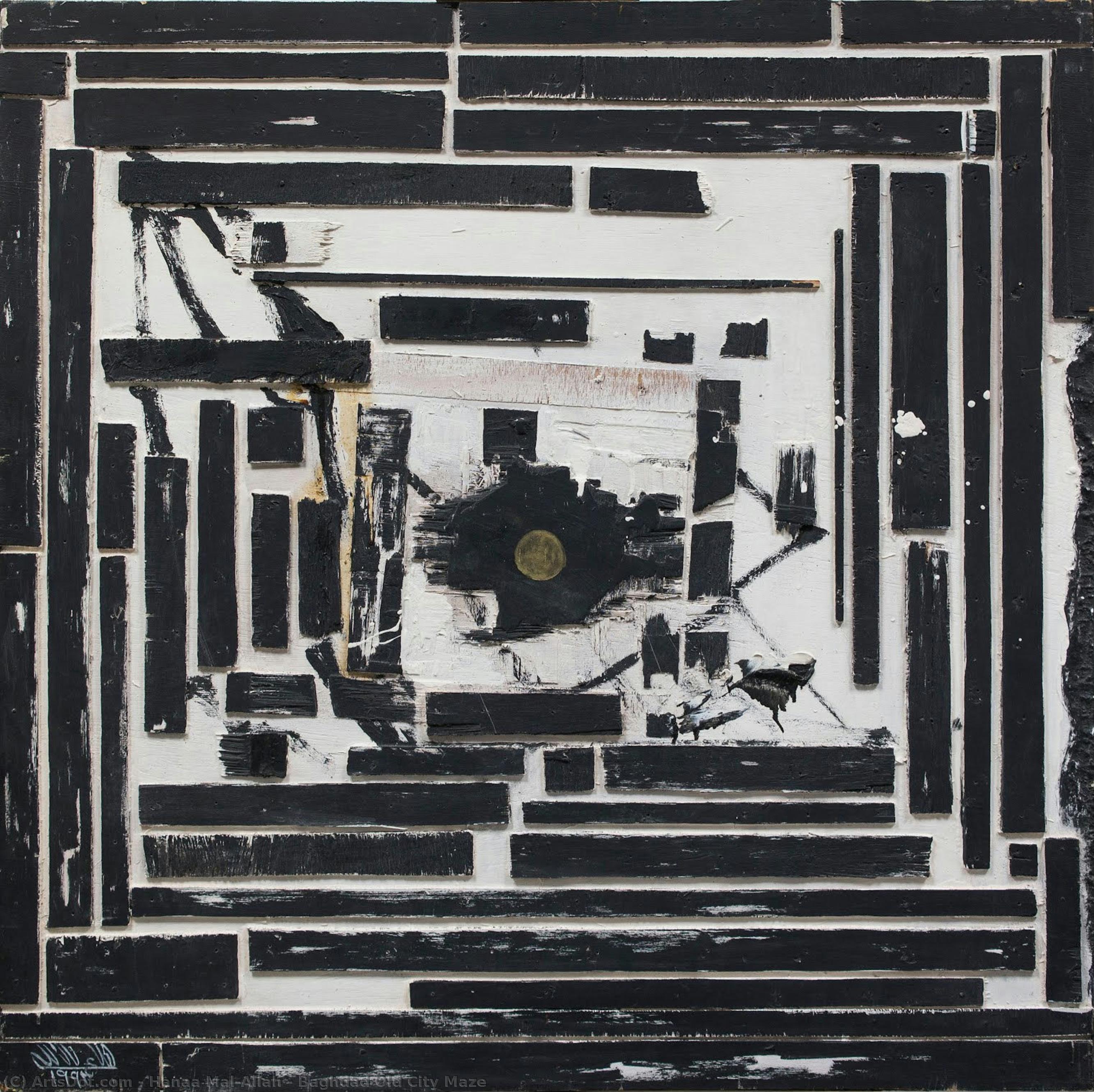
Baghdad Old City Maze
 Oil On Canvas
- WallArt
- Abstract Expressionism
 1993
1993- Contemporary
 80.0 x 80.0 cm
 Colección Ibrahimi
 Leer más
Reproducción al óleo hecha a mano
Óleo sobre lienzo pintado a mano en el tamaño y marco de su elección, realizado por encargo por nuestros artistas. ( Pedir impresión Comprar descarga)




P118B $10

P118H $10

P118W $10

P438Z $10

P508JH $12

P508YH $12

P805H $10

P805Z $10

P919BZ $10

P919G $10

P919XJ $10

P959ZH $10

P968JZ $12

W106C $8

W218G $10

W218JH $8

W218Y $10

W307PJ $10

W316G $10

W316PJ $8

W316Y $10

W398PJ $8

W4111J $10

W500HY $15

W500JH $15

W692G $12

W849H $8

W940BG $15

W953PJ $8




Elija entre nuestros tamaños predefinidos que respetan las proporciones originales de la obra.

Puede ingresar sus propias dimensiones para adaptarse a un marco o espacio específico. Si el tamaño seleccionado no coincide con las proporciones de la imagen original, recortaremos la obra o extenderemos la pintura con elementos adicionales pintados a mano. Se le enviará una maqueta digital para su aprobación antes de comenzar la producción.
Tenga en cuenta que la vista previa en pantalla no refleja el recorte o la extensión reales. Solo la maqueta mostrará con precisión la composición final.
Si bien existen tamaños personalizados, recomendamos seleccionar una dimensión de la lista predefinida para preservar las proporciones originales.
Tras realizar el pedido, el equipo de ArtsDot.com enviará un correo electrónico al cliente para solicitar instrucciones y proporcionarle una vista previa del boceto.
Envío a todo el mundo () en 3-4 semanas en lugar de las 5 semanas estándar. (20 agosto). Sin comprometer la calidad.

Envío exprés gratuito a todo el mundo

Lienzo de lino de alta calidad

Seguro de envío completo

Garantía de reembolso de aranceles aduaneros

Garantía de fidelidad cromática exacta

Política de devolución de 60 días (solo por defectos)

Garantía de devolución del 100% del dinero

Oferta por volumen
 La opción de vidrio solo está disponible en tamaños inferiores a 110 cm.

Baghdad Old City Maze
Técnica de reproducción
Tamaño de la reproducción
-


Precio total
$ 263
Descripción de la obra
Introduction
Baghdad Old City Maze invites the viewer into a world of stark contrasts and layered complexity, where black and white geometry collide in an almost hypnotic dance. The square canvas, measuring 80 by 80 centimeters, feels like a portal to a forgotten labyrinth—an abstract map that echoes the winding streets of ancient Baghdad while simultaneously dissolving them into pure form.
Style and Technique
The work is rooted in abstract expressionism yet carries unmistakable hints of geometric abstraction. Hanaa Mal‑Allah layers oil or acrylic paint with a deliberate roughness, then scratches or scrapes the surface to reveal underlying strata. This tactile process creates a palpable depth that invites touch as well as sight. The central circular area, crowned by a small golden orb, breaks the monochrome rhythm and offers a moment of luminous focus amid the chaos.
Historical Context
Created in 1993, the piece emerges from a period when Iraq was grappling with political upheaval and cultural loss. Mal‑Allah’s upbringing in Najaf and later life in Baghdad exposed her to the ruins of history—both literal and metaphorical. Her signature “Ruins Technique,” which incorporates found objects into her canvases, reflects a broader narrative of resilience and remembrance. In this painting, the fragmented geometry can be read as a visual echo of Iraq’s fractured past, while the golden orb hints at hope and continuity.
Symbolism & Emotional Impact
The dense network of intersecting shapes suggests fragmentation and complexity, mirroring the labyrinthine streets of old Baghdad. Yet the deliberate arrangement also conveys an underlying order—an attempt to impose meaning on chaos. The stark black and white palette heightens this tension, while the subtle frame around the canvas grounds the viewer in a sense of presence. Emotionally, the work stirs both awe at its intricate construction and contemplation about the delicate balance between destruction and renewal.
Obras relacionadas





Biografía del artista
Early Life and Artistic Formation
Hanaa Malallah (born 1958) is an Iraqi artist celebrated for her innovative ‘Ruins Technique’ – incorporating found objects to reflect Iraq’s rich heritage & the impact of conflict. Her formative years were steeped in the artistic traditions of Iraq, particularly those stemming from the Abbasid Caliphate and Ottoman rule, fostering a deep appreciation for history and symbolism that would profoundly shape her distinctive visual language. Born in Nasiriyah, Malallah moved to Baghdad with her family at the age of five, experiencing firsthand the turbulent political landscape of modern Iraqi history – revolutions and conflicts punctuating her childhood. This exposure instilled within her an unwavering commitment to documenting and interpreting these experiences through art. Her early artistic training centered around the Institute of Fine Arts in Baghdad where she studied under Shakir Hassan Al Said, gaining invaluable insight into both traditional Iraqi aesthetics and contemporary artistic methodologies. Notably, she honed her skills in embroidery alongside her mother, developing a meticulous attention to detail that would later become integral to her groundbreaking Ruins Technique.The Ruins Technique: A Synthesis of Tradition and Innovation
Malallah’s artistic breakthrough arrived with the development of what has come to be known as the ‘Ruins Technique.’ This revolutionary approach distinguishes itself from conventional painting by deliberately integrating found objects – fragments of urban decay, weathered stone, rusted metal – into her canvases. Rather than concealing these materials beneath layers of paint, Malallah actively embraces them as symbols of time, memory, and resilience—a deliberate echo of Iraq’s layered past. Influenced by the monumental ruins of Ur and Babylon, sites revered for their connection to Mesopotamian civilization, she seeks to capture not merely visual representations but also the intangible essence of history itself. This technique represents a significant departure from prevailing artistic trends, prioritizing materiality and conceptual depth over purely decorative considerations. It’s a conscious effort to confront the legacy of conflict while simultaneously honoring Iraq's enduring cultural heritage. The artist’s meticulous attention to detail—inherited from her mother’s embroidery practice—translates into an exacting approach to material selection and composition, ensuring that each element contributes meaningfully to the overall narrative conveyed by her artworks.Influences and Artistic Inspirations
Malallah’s artistic vision draws heavily from the aesthetic currents of the Abbasid period, characterized by opulent palaces adorned with intricate mosaics and calligraphy—a testament to intellectual and artistic flourishing under Islamic rule. The influence of this era is palpable in her use of geometric patterns and symbolic imagery, reflecting a preoccupation with order and harmony amidst chaos. Furthermore, she acknowledges the impact of the Safavid period art movement – a fusion of Persian traditions with Ottoman influences – on her stylistic sensibilities. Vibrant colors and elaborate ornamentation are hallmarks of Safavid art, mirroring Malallah’s desire to convey emotion and dynamism through her compositions. The artist's engagement with these historical precedents underscores her belief that artistic expression transcends temporal boundaries, drawing upon universal themes of beauty, contemplation, and cultural identity.Notable Achievements and Recognition
Hanaa Malallah’s work has garnered international acclaim, securing prominent positions in collections at institutions such as the Metropolitan Museum of Art in New York, the British Museum in London, Mathaf Arab Museum of Modern Art in Doha, Centre for Arts in Baghdad, Jordan National Gallery of Fine Arts in Amman and Barjeel Art Foundation in Dubai. Her solo exhibitions have showcased her distinctive Ruins Technique and explored themes of memory, loss, and transformation—capturing the complexities of Iraqi experience with remarkable sensitivity and artistic prowess. She has lectured extensively at universities across Iraq and internationally, disseminating her theoretical insights into art practice and fostering dialogue about cultural heritage and contemporary artistic expression. Malallah’s commitment to educating future generations of artists underscores her conviction that creativity serves as a vital conduit for understanding and shaping the human condition.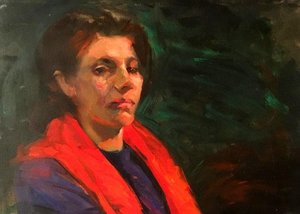
Hanaa Malallah
1958 - , Iraq
Datos clave
- Artistic Movement Or Style: Ruins Technique
- Artists Who Influenced This Artist: ['Shakir Hassan Al Said']
- Date Of Birth: 1958
- Full Name: Hanaa Malallah
- Nationality: Iraqi
- Notable Artworks:
- Baghdad Old City Maze
- 1700 ² landscape
- Place Of Birth: Najaf, Iraq
Artículos relacionados
Expresionismo Abstracto: 10 Obras Maestras que Transformaron el Arte |
Descubre las 10 obras maestras del Expresionismo Abstracto: Pollock, Rothko y más. Explora la historia, técnica y significado de estos lienzos icónicos. Reproducciones de arte exclusivas en .

Abstracción Geométrica: 10 Obras Maestras que Transformaron el Arte Moderno | ArtsDot
Descubre las 10 obras maestras de la abstracción geométrica que revolucionaron el arte moderno. Explora a Mondrian, Malevich y Kandinsky en ArtsDot.com. Reproducciones de alta calidad para tu hogar.

Kandinsky: Las 25 Obras Maestras del Pionero de la Abstracción | ArtsDot
Descubre las 25 obras maestras de Wassily Kandinsky, pionero del arte abstracto. Explora su expresionismo, composiciones únicas y la historia detrás de cada cuadro. Reproducciones de alta calidad para decorar tu hogar con arte moderno en ArtsDot.com.
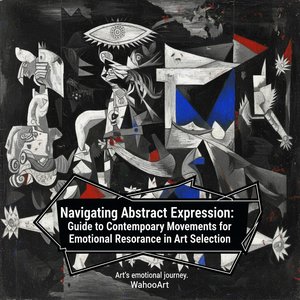
Navegando la Expresión Abstracta: Una Guía a los Movimientos Contemporáneos para la Resonancia Emocional en la Selección de Arte
Descubre el expresionismo abstracto con nuestra guía experta. Analizamos a Rothko, Newman y otros maestros para ayudarte a seleccionar arte que resuene contigo. ¡Encuentra la obra perfecta!
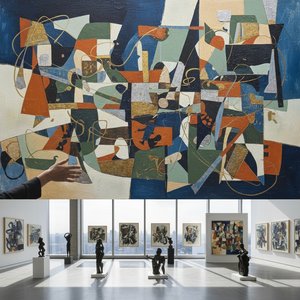
Deconstruyendo la Forma y el Sentimiento: Una Guía para Coleccionistas de Arte Abstracto Contemporáneo
Guía experta para coleccionistas de arte abstracto contemporáneo. Descubra las tendencias actuales, valore obras clave y aprenda a construir una colección significativa con ArtsDot.

