 Ver en contexto
 Enviar
 Compartir
 Detalles

 Descargar
 Similares
 Radiografía
 Presentación de diapositivas
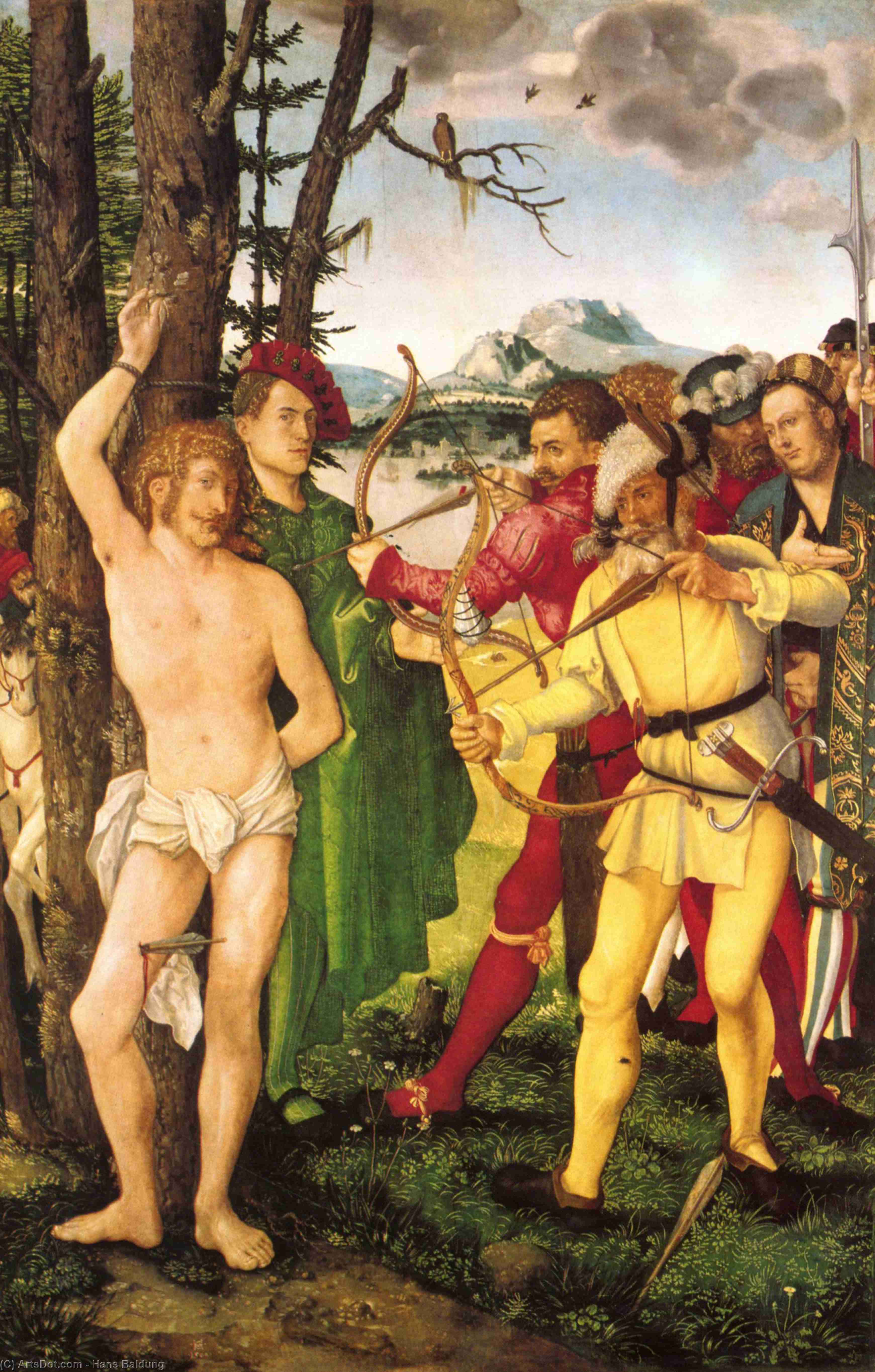
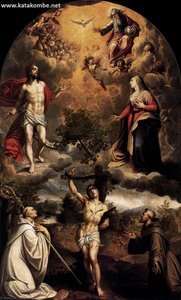
Altarpiece with The Martyrdom of St. Sebastian
 Oil On Panel
- German Renaissance
 1507
1507- Renaissance
 78.0 x 121.0 cm
 Ver más
Giclée / Impresión de arte
Impresiones giclée o en lienzo de calidad de museo con producción rápida y opciones de acabado flexibles. ( Comprar pintura hecha a mano Comprar imagen)




P118B $10

P118H $10

P118W $10

P438Z $10

P508JH $12

P508YH $12

P805H $10

P805Z $10

P919BZ $10

P919G $10

P919XJ $10

P959ZH $10

P968JZ $12

W106C $8

W218G $10

W218JH $8

W218Y $10

W307PJ $10

W316G $10

W316PJ $8

W316Y $10

W398PJ $8

W4111J $10

W500HY $15

W500JH $15

W692G $12

W849H $8

W940BG $15

W953PJ $8




Elija entre nuestros tamaños predefinidos que respetan las proporciones originales de la obra.

Puede introducir sus propias dimensiones para adaptarse a un marco o espacio específico. Si el tamaño seleccionado no coincide con las proporciones de la imagen original, recortaremos la obra de arte o extenderemos la imagen con un borde con efecto espejo o de color sólido. Se enviará una maqueta digital para su aprobación antes de que comience la producción.
Tenga en cuenta que la vista previa en pantalla no refleja el recorte o la extensión real. Solo la maqueta mostrará con precisión la composición final.
Aunque existen tamaños personalizados, recomendamos seleccionar una dimensión de la lista predefinida para preservar las proporciones originales.
Envío a todo el mundo () en 2 semanas en lugar de las 4/5 semanas estándar. (28 agosto)

Envío exprés gratuito a todo el mundo

Lienzo de lino de alta calidad

Seguro de envío total

Garantía de reembolso de impuestos aduaneros

Garantía de fidelidad cromática exacta

Política de devolución de 60 días (solo por defectos)

Garantía de devolución del 100% del dinero

Descuento por cantidad
 La opción de vidrio solo está disponible en tamaños inferiores a 110 cm.

Altarpiece with The Martyrdom of St. Sebastian
Giclée / Impresión de arte
Dimensiones de la reproducción
-


Precio total final
$ 62
A Moment of Divine Agony and Resilience
In the profound depths of the German Renaissance, few works capture the visceral intersection of human suffering and spiritual fortitude as poignantly as Hans Baldung’s Altarpiece with The Martyrdom of St. Sebastian. Created in 1507, this masterpiece serves as a window into a period where the boundaries between the physical agony of the flesh and the ethereal triumph of the soul were strikingly thin. The painting centers on the iconic figure of Saint Sebastian, caught in the harrowing moment of his execution. As arrows pierce his body, the viewer is not merely an observer but a witness to a dramatic struggle for faith. Baldung employs a masterful command of composition to guide the eye through a scene teeming with movement, from the archer’s focused tension to the surrounding figures whose expressions range from grim determination to silent observation.
The stylistic brilliance of this work lies in Baldung's ability to blend the meticulous detail characteristic of the Upper Rhineland tradition with an almost proto-Baroque sense of drama. His technique allows for a textured realism that makes the skin of the martyr appear vulnerable against the cold, sharp instruments of his torment. The interplay of light and shadow—a precursor to the dramatic chiaroscuro that would later define much of European art—creates a heavy, atmospheric tension. This is not a static religious icon; it is a living, breathing narrative where every brushstroke contributes to the palpable intensity of the martyrdom.
Symbolism and the Renaissance Spirit
Beyond the immediate violence of the scene, Baldung weaves a complex tapestry of symbolism that invites deep contemplation. The presence of birds scattered throughout the composition serves as more than mere decorative elements; they act as spiritual messengers, perhaps representing the watchful eyes of angels or the fleeting nature of earthly life in the face of eternal salvation. This layer of meaning elevates the painting from a historical depiction to a profound theological meditation. For the discerning collector, these subtle details offer an intellectual richness that rewards repeated viewing, making the piece a centerpiece of conversation and spiritual reflection.
The artist’s background, rooted in a scholarly lineage yet driven by a rebellious artistic passion, is evident in the way he handles the subject matter. There is an enigmatic quality to his work—a characteristic often referred to as "Grien"—that infuses the martyrdom with a sense of mystery and psychological depth. The composition does not merely recount a legend; it explores the very essence of human endurance. For interior designers and art enthusiasts, this painting offers a commanding presence, bringing a sense of historical gravity and dramatic elegance to any curated space.
An Essential Addition to the Connoisseur's Collection
Owning a high-quality reproduction of such a significant work allows one to bring the transformative power of the German Renaissance into a contemporary setting. The Altarpiece with The Martyrdom of St. Sebastian is more than an object of beauty; it is an emotional experience. Its scale and intensity make it an ideal focal point for grand halls or sophisticated studies, where its rich textures and historical weight can inspire awe. Whether you are drawn to the technical mastery of Hans Baldung or the profound narrative of Saint Sebastian, this piece stands as a testament to the enduring power of art to capture the most intense moments of the human condition.
Obras relacionadas
Biografía del artista
Primeros años y formación
Hans Baldung, pintor e impresor alemán, nació alrededor de 1484 en Schwäbisch Gmünd (anteriormente Gmünd) en Alemania. Fue el primer hombre de su familia en no asistir a la universidad, optando por una carrera artística. Comenzó su formación alrededor de 1500 en la Alta Renania con un artista de Estrasburgo.Aprendizaje con Albrecht Dürer
En 1503, Hans Baldung se convirtió en aprendiz del renombrado artista alemán Albrecht Dürer. Este período tuvo un profundo impacto en su desarrollo artístico. Rápidamente adoptó la influencia y el estilo de Dürer, y ambos se convirtieron en amigos cercanos. Durante la segunda estancia de Dürer en Venecia, Baldung gestionó su taller.Estilo Artístico y Temas
Hans Baldung desarrolló un estilo distintivo caracterizado por el color, la expresión y la imaginación. Sus talentos eran variados, y produjo una gran variedad de obras que incluyen:- Retratos
- Xilografías (grabados en madera)
- Retablos
- Dibujos
- Tapices
- Alegorías
- Motivos mitológicos
Obras Destacadas y Legado
Algunas de las pinturas más características de Hans Baldung son pequeñas en escala, presentando alegorías a menudo eróticas y obras mitológicas desconcertantes. Su trabajo en el retablo del altar mayor en Münster, Alemania, muestra su apoyo al movimiento de la Reforma.Museos y Colecciones
La Gemäldegalerie Alte Meister en Alemania, un museo de renombre mundial, alberga una impresionante colección de pinturas europeas del siglo XV al XVIII. Aunque no se centra específicamente en la obra de Hans Baldung, proporciona un contexto para comprender el período artístico en el que vivió. leer más sobre Gemäldegalerie Alte Meister en ArtsDotConclusión
Hans Baldung Grien o Grün, con su mezcla única de color, expresión e imaginación, sigue siendo una figura significativa en la historia del arte alemán. Su exploración de temas como la brujería y lo sobrenatural añade una capa fascinante a su obra.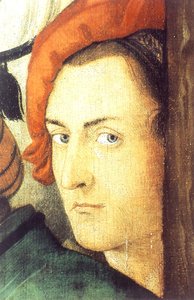
Hans Baldung
1485 - 1545 , Germany
Datos clave
- Artistas Que Influyeron: ['Albrecht Dürer']
- Fecha De Fallecimiento: 1545
- Fecha De Nacimiento: 1485 (aprox.)
- Lugar De Nacimiento: Schwäbisch Gmünd, Alemania
- Movimiento Artístico: Renacimiento alemán
- Nacionalidad: Alemán
- Nombre Completo: Hans Baldung Grien
- Obras Notables:
- San Juan Bautista en Patmos
- Muerte y la Doncella
- Retablo de los Tres Reyes
Artículos relacionados
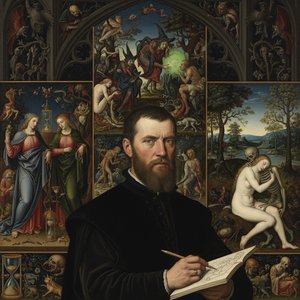
Hans Baldung Grien: A Renaissance Master of Allegory, Innovation & the Grotesque
Explore the captivating world of Hans Baldung Grien, a Renaissance master renowned for his allegorical paintings, striking woodcuts & unique depictions of mythology and the grotesque. Discover his life, works & legacy with ArtsDot.

El Greco: Las 25 Obras Maestras que Definen un Genio del Arte y la Fe
Descubre las 25 obras maestras de El Greco, el genio del Renacimiento español. Explora su arte religioso, manierismo y la historia detrás de cuadros icónicos como 'El Entierro del Conde de Orgaz'. Encuentra reproducciones de alta calidad en ArtsDot.com.
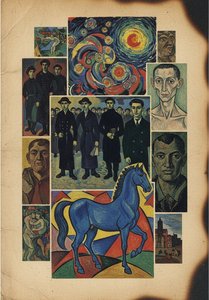
Expresionismo Alemán: 10 Obras Maestras que Transformaron el Arte | ArtsDot
Descubre las 10 obras maestras del Expresionismo Alemán: Kirchner, Munch y más. Explora la historia, técnica y emoción detrás de estos lienzos icónicos. Reproducciones de arte de museo en ArtsDot.com. ¡Inspira tu hogar con arte!
The Northern Awakening: Artistic Innovation & Cultural Transformation in the German Renaissance
Explore the artistic innovation of the German Renaissance! Discover Dürer, the Danube School & Reformation art. Learn about techniques, materials & lasting influence. Find museum-quality reproductions at ArtsDot.
Hans Holbein the Younger: A Renaissance Portraitist's Mastery of Realism & Psychological Insight
Explore the life & art of Hans Holbein the Younger, a Renaissance master renowned for his strikingly realistic portraits and psychological insight. Discover iconic works like 'The Ambassadors' and delve into his lasting legacy.