

 Ver en contexto
 Enviar
 Compartir
 Detalles

 Descargar
 Similares
 Radiografía
 Presentación de diapositivas
 Stats
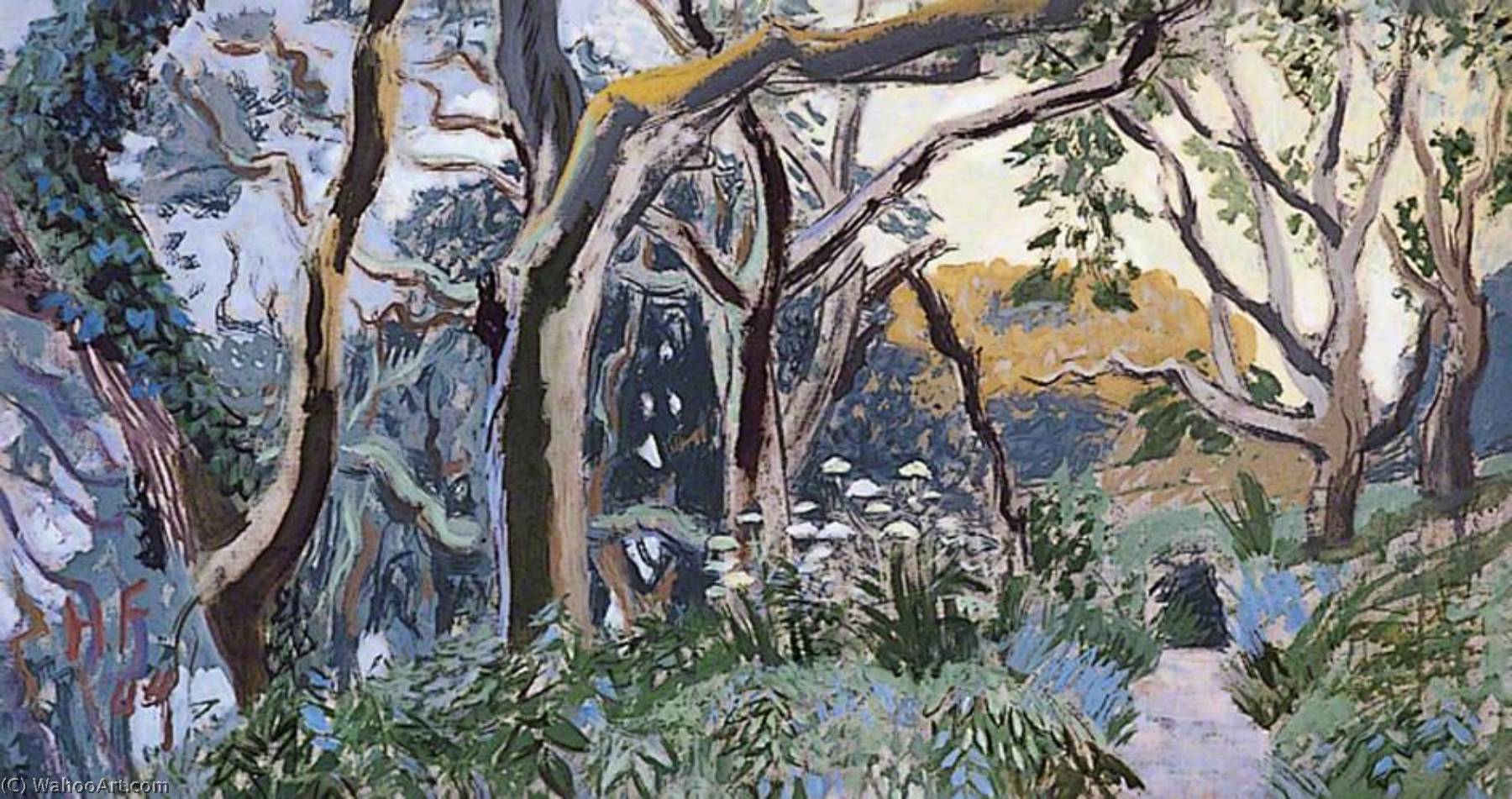
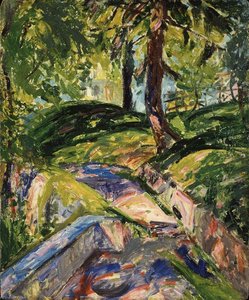
StatsWooded Landscape
 1948
1948 51.0 x 90.0 cm
 Pallant House Gallery
 Ver más
Reproducción al óleo hecha a mano
Óleo sobre lienzo pintado a mano en el tamaño y marco de su elección, realizado por encargo por nuestros artistas. ( Switch to Print Switch to Digital Image)




































Elija entre nuestros tamaños predefinidos que respetan las proporciones originales de la obra.

Puede ingresar sus propias dimensiones para adaptarse a un marco o espacio específico. Si el tamaño seleccionado no coincide con las proporciones de la imagen original, recortaremos la obra o extenderemos la pintura con elementos adicionales pintados a mano. Se le enviará una maqueta digital para su aprobación antes de comenzar la producción.
Tenga en cuenta que la vista previa en pantalla no refleja el recorte o la extensión reales. Solo la maqueta mostrará con precisión la composición final.
Si bien existen tamaños personalizados, recomendamos seleccionar una dimensión de la lista predefinida para preservar las proporciones originales.
Tras realizar el pedido, el equipo de ArtsDot.com enviará un correo electrónico al cliente para solicitar instrucciones y proporcionarle una vista previa del boceto.
Envío a todo el mundo () en 3-4 semanas en lugar de las 5 semanas estándar. (8 septiembre). Sin comprometer la calidad.

Envío exprés gratuito a todo el mundo

Lienzo de lino de alta calidad

Seguro de envío total

Garantía de reembolso de impuestos aduaneros

Garantía de fidelidad cromática exacta

Política de devolución de 100 días (solo por defectos)

Garantía de devolución del 100% del dinero

Descuento por cantidad
 La opción de vidrio solo está disponible en tamaños inferiores a 110 cm.

Wooded Landscape
Técnica de reproducción
Dimensiones de la reproducción
-


Precio total final
$ 263
A Closer Look at the Painting
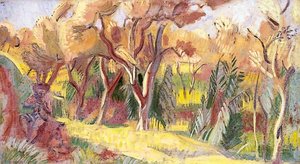
The Wooded Landscape is a serene depiction of a forest scene, with trees and bushes in various shades of green. The mix of light and dark green leaves creates a lush atmosphere, while the presence of several birds adds to the natural ambiance. The painting's attention to detail and use of color evoke a sense of tranquility, inviting the viewer to step into the peaceful world of the forest. Key Features of the painting include:- The use of oil on canvas, which allows for rich, vibrant colors and textures
- The artist's masterful handling of light and shadow, creating depth and dimensionality in the scene
- The inclusion of birds, which adds a sense of life and movement to the painting
Artist and Museum Background
Hans Feibusch was a renowned artist known for his landscapes and figurative paintings. The Pallant House Gallery, where the Wooded Landscape is housed, is a must-visit destination for art enthusiasts and collectors alike. For more information on the gallery and its collection, visit Pallant House Gallery: A Hidden Gem in Chichester, United Kingdom. To explore more of Hans Feibusch's work, including his painting Taormina, Sicily, visit Hans Feibusch: Taormina, Sicily.The Wooded Landscape is a testament to Hans Feibusch's skill as a landscape painter and his ability to capture the beauty of the natural world. As a handmade oil painting reproduction, it would make a stunning addition to any art collection. Visit Hans Feibusch: Wooded Landscape to learn more about this incredible piece of art.
Obras relacionadas


Biografía del artista
Hans Feibusch: A Visionary Painter Transforming Anglican Spaces
Hans Feibusch (1898 – 1998) stands as a singular figure in British art history, renowned primarily for his monumental murals adorning numerous Anglican churches across England. More than just decorative embellishments, these artworks represent a profound engagement with faith and Jewish heritage—a testament to an artist whose life was shaped by both artistic ambition and personal displacement during the tumultuous years of Nazi Germany and its aftermath. Born in Frankfurt am Main, Germany, Feibusch’s early life instilled within him a deep appreciation for visual art fostered by his mother's amateur painting pursuits and nurtured further by formative studies under Karl Hofer at the Berlin University of the Arts. His involvement with the German army during World War I provided invaluable experience, shaping his perspective on conflict and resilience. Following the war, Feibusch embarked upon a distinguished artistic journey, honing his skills in Paris alongside André Lhôte, absorbing influences from Expressionism and embracing bold color palettes—a stylistic hallmark that would permeate his subsequent oeuvre. Returning to Frankfurt in 1925, he established a studio alongside Rudolf Heinisch and Benno Elkan, becoming part of a vibrant artistic community dedicated to preserving Jewish cultural traditions amidst growing antisemitic pressures. This period witnessed the recognition of his talent through a prestigious prize awarded by the Prussian Academy of Arts for his painting “The Fishmonger,” marking an early indication of critical acclaim. The Fishmonger, depicting Saint Peter preaching to the fishermen of Galilee, exemplifies Feibusch’s masterful use of color and texture—characteristics that would define his distinctive artistic style. However, Feibusch’s trajectory took a dramatic turn with the rise of Nazism in 1933. Driven by fear and compelled to safeguard his family's safety, he emigrated to England, initiating a new chapter characterized by intellectual engagement and artistic perseverance. His works were subsequently exhibited at the 1937 “Entartete Kunst” exhibition—a controversial showcase of degenerate art—where he bravely defended his conservative stance amidst prevailing artistic trends. Notably, Feibusch’s inclusion in this exhibition was partly due to his Jewish heritage, highlighting the complexities of artistic identity during a period of intense ideological conflict. This courageous act demonstrated Feibusch's unwavering moral compass and refusal to compromise on personal beliefs under oppressive circumstances. His return to England solidified his connection with the London Group of Artists and cemented his commitment to civic duty when he swore allegiance to the British Crown in 1940. Feibusch’s prolific output—approximately thirty murals executed in Anglican churches—established him as arguably the most prolific artist working within this specific genre during the reign of King Edward VIII. These commissions demanded considerable dedication and artistic vision, resulting in breathtaking depictions of biblical narratives and saints' lives imbued with vibrant color and expressive brushstrokes. Among his most celebrated achievements are the monumental frescoes in Ely Cathedral and St Mary’s Church, Salisbury—works that continue to inspire awe and admiration for their grandeur and artistry. The scale and ambition of these murals underscore Feibusch’s belief in art as a vehicle for spiritual contemplation and communal storytelling. Feibusch's legacy extends beyond his artistic accomplishments. His courageous decision to emigrate from Germany during the Nazi era underscores a profound moral compass—a refusal to compromise on personal beliefs in the face of oppressive ideology. Furthermore, his unwavering faith and dedication to preserving Jewish cultural traditions serve as an enduring inspiration. Hans Feibusch’s art remains a powerful reminder of the transformative potential of creativity amidst adversity, cementing his place as one of Britain's most significant visual artists of the 20th century.
Hans Feibusch
1898 - 1998 , Alemania
Datos clave
- Artistic Movement Or Style: Expresionismo Color
- Artists Or Movements Influenced By This Artist:
- Jankel Adler
- Marc Chagall
- Artists Who Influenced This Artist:
- Rudolf Hofer
- André Lhote
- Date Of Birth: 1898
- Date Of Death: 1998
- Full Name: Hans Nathan Feibusch
- Nationality: Alemania
- Notable Artworks:
- Taormina, Sicilia
- Narcissus
- Paisaje Boscoso
- Place Of Birth: Frankfurt am Main, Alemania