 Ver en contexto
 Enviar
 Compartir
 Detalles

 Descargar
 Similares
 Radiografía
 Presentación de diapositivas
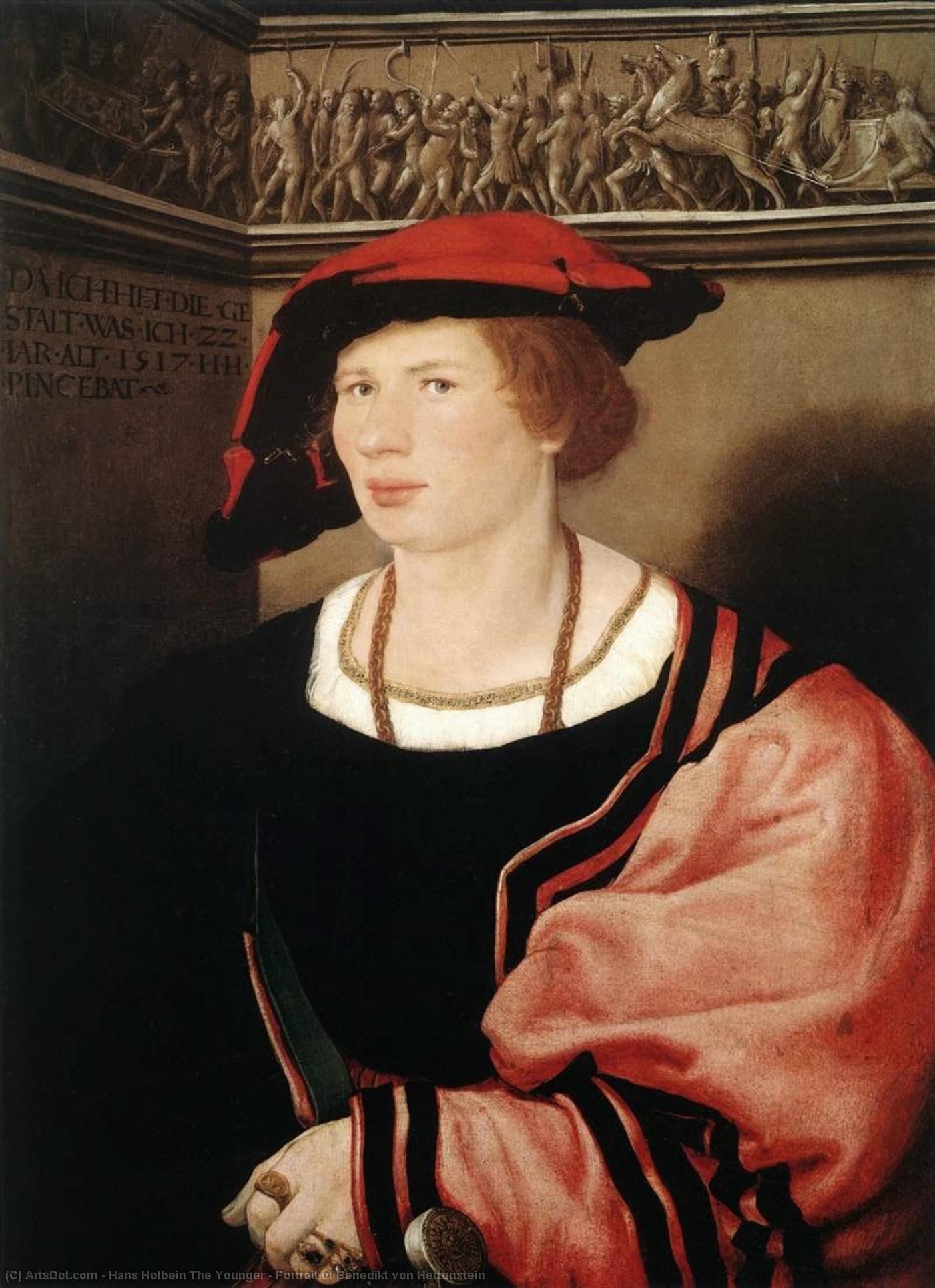
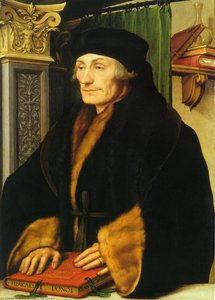
Título traducido: Retrato de Benedikt von Hertenstein
 Acrílico sobre lienzo
- Arte de pared
- Northern Renaissance
 1517
1517- Renacimiento
 52.0 x 38.0 cm
 Museo Metropolitano de Arte
 Ver más
Giclée / Impresión de arte
Impresiones giclée o en lienzo de calidad de museo con producción rápida y opciones de acabado flexibles. ( Comprar pintura hecha a mano Comprar imagen)




P118B $10

P118H $10

P118W $10

P438Z $10

P508JH $12

P508YH $12

P805H $10

P805Z $10

P919BZ $10

P919G $10

P919XJ $10

P959ZH $10

P968JZ $12

W106C $8

W218G $10

W218JH $8

W218Y $10

W307PJ $10

W316G $10

W316PJ $8

W316Y $10

W398PJ $8

W4111J $10

W500HY $15

W500JH $15

W692G $12

W849H $8

W940BG $15

W953PJ $8




Elija entre nuestros tamaños predefinidos que respetan las proporciones originales de la obra.

Puede introducir sus propias dimensiones para adaptarse a un marco o espacio específico. Si el tamaño seleccionado no coincide con las proporciones de la imagen original, recortaremos la obra de arte o extenderemos la imagen con un borde con efecto espejo o de color sólido. Se enviará una maqueta digital para su aprobación antes de que comience la producción.
Tenga en cuenta que la vista previa en pantalla no refleja el recorte o la extensión real. Solo la maqueta mostrará con precisión la composición final.
Aunque existen tamaños personalizados, recomendamos seleccionar una dimensión de la lista predefinida para preservar las proporciones originales.
Envío a todo el mundo () en 2 semanas en lugar de las 4/5 semanas estándar. (26 agosto)

Envío exprés gratuito a todo el mundo

Lienzo de lino de alta calidad

Seguro de envío total

Garantía de reembolso de impuestos aduaneros

Garantía de fidelidad cromática exacta

Política de devolución de 60 días (solo por defectos)

Garantía de devolución del 100% del dinero

Descuento por cantidad
 La opción de vidrio solo está disponible en tamaños inferiores a 110 cm.

Título traducido: Retrato de Benedikt von Hertenstein
Giclée / Impresión de arte
Dimensiones de la reproducción
-


Precio total final
$ 62
Descripción de la pieza
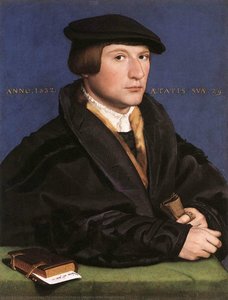
Portrait of Benedikt von Hertenstein: A Masterpiece of Northern Renaissance Dignity
The Portrait of Benedikt von Hertenstein stands as a testament to Hans Holbein the Younger’s unparalleled skill in capturing human emotion and portraying aristocratic grandeur. Executed in 1517, this painting resides within the prestigious collection of the Metropolitan Museum of Art in New York—a location that underscores its enduring significance within art history. Measuring precisely 52 x 38 cm, it's a remarkable achievement achieved on wood using oil and tempera pigments, reflecting the meticulous craftsmanship characteristic of the Northern Renaissance movement.The Northern Renaissance Context: A Synthesis of Cultures
Holbein’s artistic vision was deeply rooted in the burgeoning intellectual fervor of the Northern Renaissance—a period marked by an extraordinary exchange between Italy, France, and Germany. Unlike its southern counterpart, which prioritized idealized beauty and classical forms, this movement embraced humanist ideals alongside influences from Gothic traditions. Artists like Holbein sought to depict human beings with realism and psychological depth, reflecting a profound shift away from medieval conventions toward a more nuanced understanding of the human condition. The Renaissance’s emphasis on observation and anatomical accuracy found its perfect expression in portraits such as Benedikt von Hertenstein's—a deliberate departure from stylized representations prevalent earlier centuries.Artistic Style and Technique: Holbein’s Precision
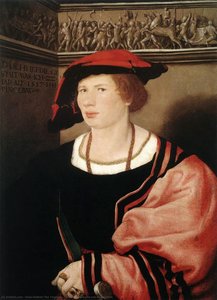
The painting exemplifies Holbein’s mastery of portraiture, demonstrating his meticulous attention to detail and masterful use of color. The subject is presented wearing a scarlet hat adorned with a feather – a symbol of nobility and status—holding a knife, signifying authority and readiness for action. Beneath the hat, Benedikt wears a suit meticulously crafted with a chain around his neck, highlighting the wealth and social standing of the sitter. Holbein’s signature technique involved layering thin glazes of oil paint over tempera underpainting, creating an illusionistic depth that captures the subtle nuances of light and shadow—a hallmark of Renaissance painting. The monochrome palette—primarily black and white—contributes to the portrait's solemn atmosphere, emphasizing Benedikt’s dignified demeanor and conveying a sense of timelessness.Symbolism Beyond Appearance: Layers of Meaning
Beyond its visual splendor, Benedikt von Hertenstein’s portrait is laden with symbolic significance. The inclusion of the knife represents power and protection—a reminder of Benedikt's role as a nobleman entrusted with safeguarding his family’s honor. Furthermore, the background figures—engaged in activities such as writing and reading—suggest Benedict’s intellectual pursuits and adherence to humanist values. Holbein subtly communicates these ideas through visual cues, inviting viewers to contemplate not only Benedikt’s outward appearance but also his inner character—a profound accomplishment of Renaissance portraiture.A Legacy Enduring Through Time: Holbein's Influence
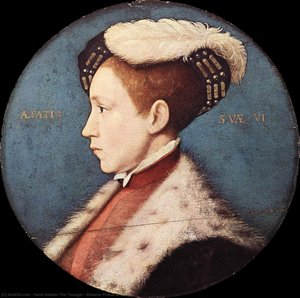
The Portrait of Benedikt von Hertenstein is but one facet of Hans Holbein the Younger’s prolific oeuvre—a body of work that includes iconic depictions of Henry VIII and Margaret Wyatt. These paintings continue to inspire admiration for their artistic brilliance and historical importance. For those seeking to delve deeper into Holbein's artistic legacy, exploring Edward, Prince of Wales and Portrait of a Man in Royal Livery offers invaluable insight into Holbein’s artistic evolution and his enduring contribution to the Northern Renaissance aesthetic. You can find more information about Holbein's life and work at List of paintings by Hans Holbein the Younger.- Quality Assurance: Each reproduction is carefully reviewed for quality before being shipped.
- Customization Options: Choose from various sizes and framing options to suit your preferences.
- Customer Support: Our dedicated team is available to assist with any inquiries or concerns.
Obras relacionadas
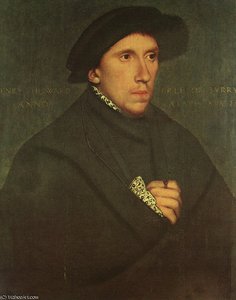
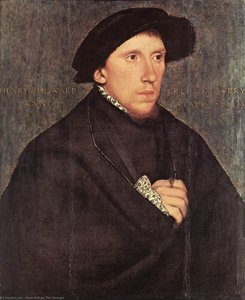
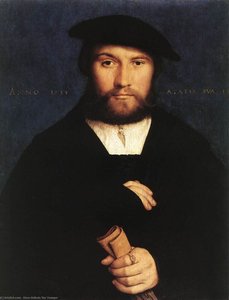
Biografía del artista
vida temprana y formación
Hans Holbein el Joven, una figura destacada en la renacimiento norteño, nació en 1497 en Augsburg, Alemania. Aunque a menudo se le confunde con su padre, Hans Holbein el Viejo, un artista y grabador renombrado, la obra del joven Holbein es distinta y notable por sí misma.carrera artística
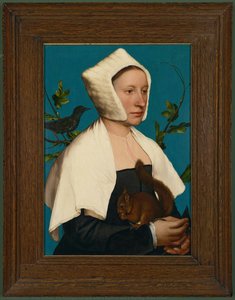
La carrera artística de Holbein el Joven comenzó bajo la tutela de su padre. Posteriormente viajó a Inglaterra, donde se convirtió en pintor de corte para el rey Enrique VIII. Esta posición le permitió capturar la esencia de la familia real y la aristocracia inglesa emergente. Su obra se caracteriza por:- realismo excepcional: los retratos de Holbein son celebrados por su calidad realista, como se ve en Retrato de una dama desconocida (renacimiento norteño).
- composición innovadora: su uso de la composición es evidente en Sir William Butts (37 x 46 cm, renacimiento norteño, óleo sobre tabla).
- estudio para el retrato familiar de Tomás Moro (38 x 52 cm, renacimiento norteño) muestra su habilidad para capturar la esencia de una familia.
obras notables y legado
La obra de Holbein el Joven se encuentra en varios museos, incluido el Museos Estatales de Berlín (Alemania, donde su Señor desconocido con libros de música y laúd (óleo sobre tabla) está en exhibición. Su influencia en el renacimiento norteño es innegable, y su obra continúa inspirando a los artistas hasta el día de hoy. Holbein el Joven falleció en 1543, pero su legado perdura a través de sus cautivadores retratos y estudios detallados. ver más obras de Hans Holbein el Joven en ArtsDot.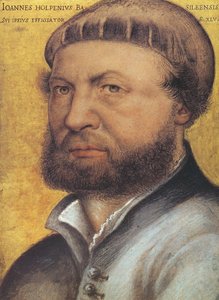
Hans Holbein el Joven
1497 - 1543 , Italia
Datos clave
- Artistas Que Influyeron:
- Hans Holbein el Viejo
- Albrecht Dürer
- Estilo Artístico: Renacimiento Nórdico
- Fecha De Muerte: 1543
- Fecha De Nacimiento: 1497
- Lugar De Nacimiento: Augsburgo, Italia
- Nacionalidad: Alemán
- Nombre Completo: Hans Holbein el Joven
- Obras Notables:
- Retrato de Enrique VIII
- El cuerpo del Cristo muerto
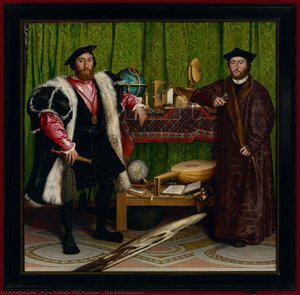
- Los embajadores
- Autorretrato
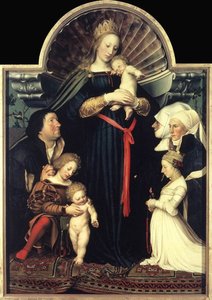
- Madonna del Burgomaestre Meyer
Artículos relacionados
Hans Holbein the Younger: A Renaissance Portraitist's Mastery of Realism & Psychological Insight
Explore the life & art of Hans Holbein the Younger, a Renaissance master renowned for his strikingly realistic portraits and psychological insight. Discover iconic works like 'The Ambassadors' and delve into his lasting legacy.
Renacimiento Nórdico: 10 Obras Maestras que Transformaron el Arte |
Descubre 10 obras maestras del Renacimiento Nórdico: Jan van Eyck, Durero y más. Explora la historia, el simbolismo y las técnicas de estos icónicos pintores. Encuentra reproducciones de arte exclusivas en .
Hans von Aachen: Mannerism's Courtly Visionary & Imperial Portraiture
Explore the captivating world of Hans von Aachen, a leading Mannerist painter renowned for his exquisite imperial portraits & mythological scenes. Discover his legacy and influence on 16th-century European art.
El Renacimiento Septentrional: Florecimiento del Realismo y la Innovación Artística
Descubre el Renacimiento Septentrional y la maestría de los Primitivos Flamencos. Explora sus técnicas innovadoras, simbolismo oculto y obras icónicas con ArtsDot.
Eugen von Blaas: Capturing Alpine Life & Sentiment in 19th-Century Austrian Painting
Discover the captivating world of Eugen von Blaas! Explore his exquisite 19th-century paintings capturing Venetian life & Alpine beauty. Learn about his Academic Classicism style and find museum-quality reproductions at ArtsDot.

![Retrato Doble de Jean de Dinteville y Georges de Selve (también conocido como Los Embajadores) [detalle]](/media/artworks/images-thumb/bb/ab/bbab7ce77b7dd15d23d21114a63b51a4.jpg)