 Vista previa
 Compartir
 Compartir
 Ver detalles

 Descargar
 Ver similares
 Radiografía
 Presentación de diapositivas
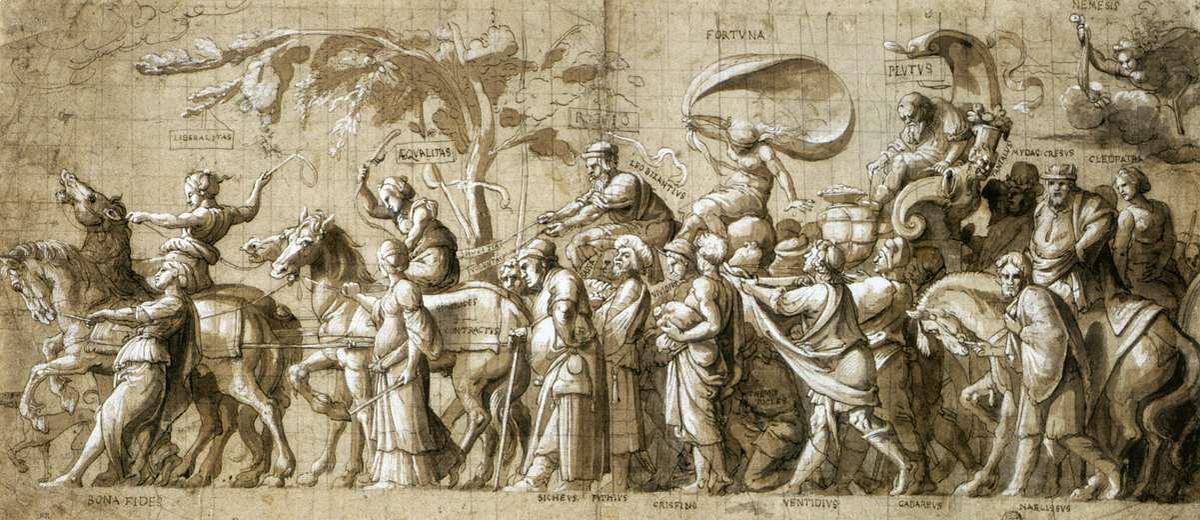
Triunfo de la Riqueza
 Acrílico sobre lienzo
- Arte de pared
- Northern Renaissance
 1533
1533 25.0 x 57.0 cm
 Museo del Louvre
 Leer más
Reproducción al óleo hecha a mano
Óleo sobre lienzo pintado a mano en el tamaño y marco de su elección, realizado por encargo por nuestros artistas. ( Pedir impresión Comprar descarga)




P118B $10

P118H $10

P118W $10

P438Z $10

P508JH $12

P508YH $12

P805H $10

P805Z $10

P919BZ $10

P919G $10

P919XJ $10

P959ZH $10

P968JZ $12

W106C $8

W218G $10

W218JH $8

W218Y $10

W307PJ $10

W316G $10

W316PJ $8

W316Y $10

W398PJ $8

W4111J $10

W500HY $15

W500JH $15

W692G $12

W849H $8

W940BG $15

W953PJ $8




Elija entre nuestros tamaños predefinidos que respetan las proporciones originales de la obra.

Puede ingresar sus propias dimensiones para adaptarse a un marco o espacio específico. Si el tamaño seleccionado no coincide con las proporciones de la imagen original, recortaremos la obra o extenderemos la pintura con elementos adicionales pintados a mano. Se le enviará una maqueta digital para su aprobación antes de comenzar la producción.
Tenga en cuenta que la vista previa en pantalla no refleja el recorte o la extensión reales. Solo la maqueta mostrará con precisión la composición final.
Si bien existen tamaños personalizados, recomendamos seleccionar una dimensión de la lista predefinida para preservar las proporciones originales.
Tras realizar el pedido, el equipo de ArtsDot.com enviará un correo electrónico al cliente para solicitar instrucciones y proporcionarle una vista previa del boceto.
Envío a todo el mundo () en 3-4 semanas en lugar de las 5 semanas estándar. (20 agosto). Sin comprometer la calidad.

Envío exprés gratuito a todo el mundo

Lienzo de lino de alta calidad

Seguro de envío completo

Garantía de reembolso de aranceles aduaneros

Garantía de fidelidad cromática exacta

Política de devolución de 60 días (solo por defectos)

Garantía de devolución del 100% del dinero

Oferta por volumen
 La opción de vidrio solo está disponible en tamaños inferiores a 110 cm.

Triunfo de la Riqueza
Técnica de reproducción
Tamaño de la reproducción
-


Precio total
$ 263
Descripción de la obra
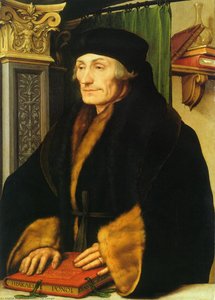
Triumph of Wealth: A Portrait of Renaissance Opulence
“Triumph of Wealth” by Hans Holbein the Younger isn’t merely a painting; it's a meticulously crafted snapshot of ambition, status, and the prevailing aesthetic sensibilities of the Northern Renaissance. Executed in 1533, this monochrome masterpiece—measuring precisely 25 x 57 cm—currently resides within the hallowed halls of the Musée du Louvre in Paris, France, offering visitors an unparalleled glimpse into a pivotal moment in European art history.Composition and Technique: Capturing Majesty Through Detail
The image depicts a gathering of figures bathed in diffused light, arranged with deliberate precision against a subtly textured background. Holbein’s masterful technique—characterized by painstaking observation and meticulous layering—is immediately apparent. He employs chiaroscuro – the dramatic interplay between light and shadow – to sculpt the forms of his subjects, conveying depth and realism that surpasses many contemporary works. Notice how he captures not just physical likeness but also subtle expressions of emotion, hinting at the complexities of human psychology. The positioning of individuals—some prominent, others receding into the distance—creates a dynamic visual narrative, mirroring the hierarchical structure of Renaissance society.Historical Context: Wealth and Virtue in Tudor England
The painting’s creation coincided with Henry VIII's reign, marking a period of significant upheaval within England as he navigated religious reformations and solidified his power. Art during this era reflected broader societal values—a preoccupation with honor, piety, and the pursuit of worldly success alongside spiritual devotion. The nude figure prominently featured in the composition speaks to an evolving artistic tradition where nudity wasn’t solely viewed as sensual but also as a symbol of purity and divine grace. This acceptance of nudity differed substantially from prevailing moral standards elsewhere in Europe, demonstrating the nuanced cultural landscape of the time. Holbein's work stands as testament to this fascinating intersection of art and politics.Symbolism: Layers of Meaning Beyond Appearance
Beyond its visual splendor, “Triumph of Wealth” is laden with symbolic significance. The bowl and cup held by several figures represent sustenance—both physical and spiritual—while the book symbolizes knowledge and erudition. These objects aren’t simply decorative; they convey deeper ideas about aspiration and moral virtue – qualities considered essential for achieving social prestige during the Renaissance. Holbein's careful selection of props underscores the painting’s overarching theme: the celebration of prosperity as a conduit to honor and righteousness.Emotional Resonance: An Image That Still Speaks Today
Despite its age, “Triumph of Wealth” retains an arresting emotional impact. The solemn gaze of the figures conveys dignity and composure, reflecting the ideals of Renaissance nobility. Holbein’s ability to capture human emotion with remarkable accuracy continues to inspire admiration and serves as a powerful reminder of the enduring legacy of Northern Renaissance art. Its monochrome palette enhances its contemplative mood, inviting viewers to contemplate not just beauty but also the profound questions surrounding power, status, and the pursuit of excellence—themes that resonate powerfully even in our contemporary world.Obras relacionadas
Biografía del artista
vida temprana y formación
Hans Holbein el Joven, una figura destacada en la renacimiento norteño, nació en 1497 en Augsburg, Alemania. Aunque a menudo se le confunde con su padre, Hans Holbein el Viejo, un artista y grabador renombrado, la obra del joven Holbein es distinta y notable por sí misma.carrera artística
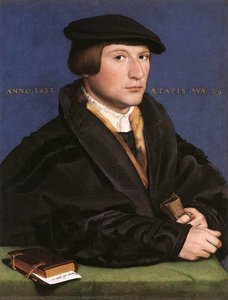
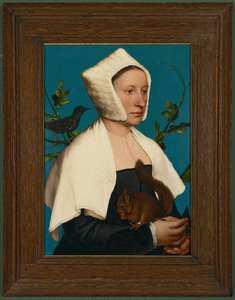
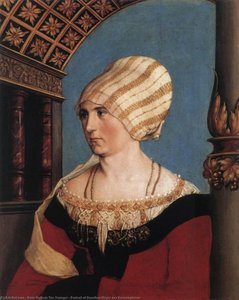
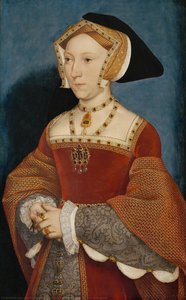
La carrera artística de Holbein el Joven comenzó bajo la tutela de su padre. Posteriormente viajó a Inglaterra, donde se convirtió en pintor de corte para el rey Enrique VIII. Esta posición le permitió capturar la esencia de la familia real y la aristocracia inglesa emergente. Su obra se caracteriza por:- realismo excepcional: los retratos de Holbein son celebrados por su calidad realista, como se ve en Retrato de una dama desconocida (renacimiento norteño).
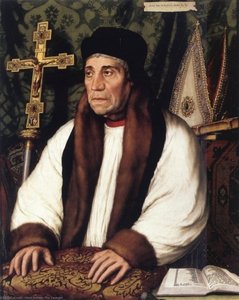
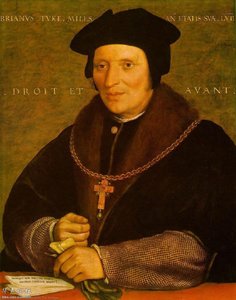
- composición innovadora: su uso de la composición es evidente en Sir William Butts (37 x 46 cm, renacimiento norteño, óleo sobre tabla).
- estudio para el retrato familiar de Tomás Moro (38 x 52 cm, renacimiento norteño) muestra su habilidad para capturar la esencia de una familia.
obras notables y legado
La obra de Holbein el Joven se encuentra en varios museos, incluido el Museos Estatales de Berlín (Alemania, donde su Señor desconocido con libros de música y laúd (óleo sobre tabla) está en exhibición. Su influencia en el renacimiento norteño es innegable, y su obra continúa inspirando a los artistas hasta el día de hoy. Holbein el Joven falleció en 1543, pero su legado perdura a través de sus cautivadores retratos y estudios detallados. ver más obras de Hans Holbein el Joven en ArtsDot.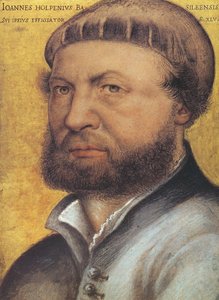
Hans Holbein el Joven
1497 - 1543 , Italia
Datos clave
- Artistas Que Influyeron:
- Hans Holbein el Viejo
- Albrecht Dürer
- Estilo Artístico: Renacimiento Nórdico
- Fecha De Muerte: 1543
- Fecha De Nacimiento: 1497
- Lugar De Nacimiento: Augsburgo, Italia
- Nacionalidad: Alemán
- Nombre Completo: Hans Holbein el Joven
- Obras Notables:
- Retrato de Enrique VIII
- El cuerpo del Cristo muerto
- Los embajadores
- Autorretrato
- Madonna del Burgomaestre Meyer
Artículos relacionados
Henri Matisse: Las 25 Obras Maestras que Definieron un Genio del Color | ArtsDot
Descubre las 25 obras maestras de Henri Matisse, el rey del color y padre del fauvismo. Explora su arte moderno, lienzos vibrantes y la historia detrás de cada pintura icónica. Encuentra reproducciones de alta calidad en ArtsDot.com.
Los 25 Tesoros del Louvre: Arte Clásico para Decorar con Elegancia | ArtsDot
Descubre los 25 tesoros del Louvre: desde la Mona Lisa de Leonardo da Vinci hasta la Venus de Milo. Explora la historia, el arte clásico y encuentra reproducciones de alta calidad para decorar tu hogar con elegancia en ArtsDot.com.
Hans Holbein the Younger: A Renaissance Portraitist's Mastery of Realism & Psychological Insight
Explore the life & art of Hans Holbein the Younger, a Renaissance master renowned for his strikingly realistic portraits and psychological insight. Discover iconic works like 'The Ambassadors' and delve into his lasting legacy.
Renacimiento Nórdico: 10 Obras Maestras que Transformaron el Arte |
Descubre 10 obras maestras del Renacimiento Nórdico: Jan van Eyck, Durero y más. Explora la historia, el simbolismo y las técnicas de estos icónicos pintores. Encuentra reproducciones de arte exclusivas en .
Fauvismo Expresionista: 10 Obras Maestras que Transformaron el Arte | ArtsDot
Descubre las 10 obras maestras del fauvismo que revolucionaron el arte. Explora la pasión, el color y la expresión de Matisse, Derain y más. Reproducciones de alta calidad en ArtsDot.com.
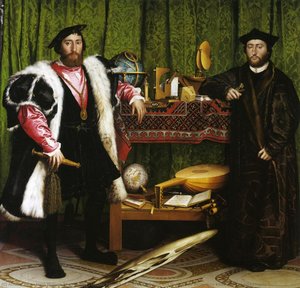

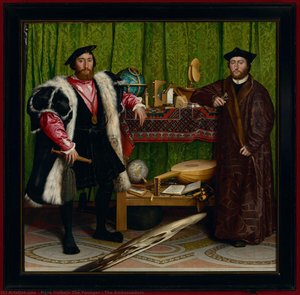
![Retrato Doble de Jean de Dinteville y Georges de Selve (también conocido como Los Embajadores) [detalle]](/media/artworks/images/thumbnails/45/35/45353c0b094a4234b974d408c840017b.jpg)