 Ver en contexto
 Enviar
 Compartir
 Detalles

 Descargar
 Similares
 Radiografía
 Presentación de diapositivas
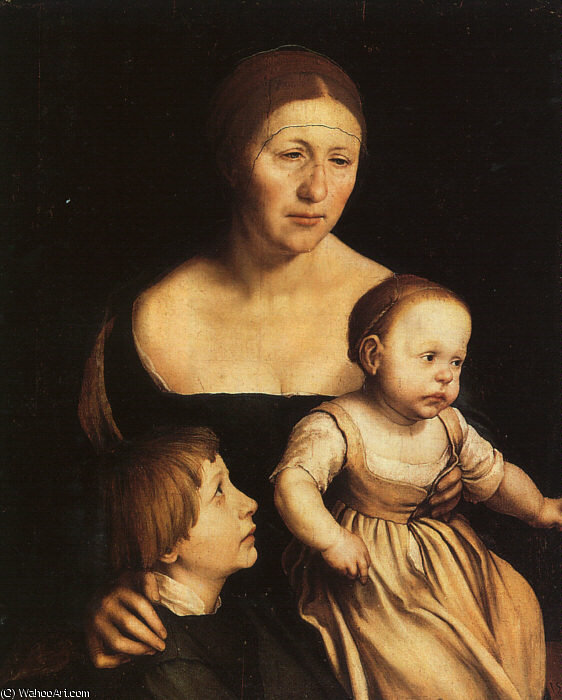
Artist's Wife with Katherine and Philipp,


 Ver más
Giclée / Impresión de arte
Impresiones giclée o en lienzo de calidad de museo con producción rápida y opciones de acabado flexibles. ( Comprar pintura hecha a mano Comprar imagen)




P118B $10

P118H $10

P118W $10

P438Z $10

P508JH $12

P508YH $12

P805H $10

P805Z $10

P919BZ $10

P919G $10

P919XJ $10

P959ZH $10

P968JZ $12

W106C $8

W218G $10

W218JH $8

W218Y $10

W307PJ $10

W316G $10

W316PJ $8

W316Y $10

W398PJ $8

W4111J $10

W500HY $15

W500JH $15

W692G $12

W849H $8

W940BG $15

W953PJ $8




Elija entre nuestros tamaños predefinidos que respetan las proporciones originales de la obra.

Puede introducir sus propias dimensiones para adaptarse a un marco o espacio específico. Si el tamaño seleccionado no coincide con las proporciones de la imagen original, recortaremos la obra de arte o extenderemos la imagen con un borde con efecto espejo o de color sólido. Se enviará una maqueta digital para su aprobación antes de que comience la producción.
Tenga en cuenta que la vista previa en pantalla no refleja el recorte o la extensión real. Solo la maqueta mostrará con precisión la composición final.
Aunque existen tamaños personalizados, recomendamos seleccionar una dimensión de la lista predefinida para preservar las proporciones originales.
Envío a todo el mundo () en 2 semanas en lugar de las 4/5 semanas estándar. (2 septiembre)

Envío exprés gratuito a todo el mundo

Lienzo de lino de alta calidad

Seguro de envío total

Garantía de reembolso de impuestos aduaneros

Garantía de fidelidad cromática exacta

Política de devolución de 60 días (solo por defectos)

Garantía de devolución del 100% del dinero

Descuento por cantidad
 La opción de vidrio solo está disponible en tamaños inferiores a 110 cm.

Artist's Wife with Katherine and Philipp,
Giclée / Impresión de arte
Dimensiones de la reproducción
-


Precio total final
$ 62
A Window into the Northern Renaissance: The Intimacy of Holbein’s Vision
In the quiet, profound stillness of Hans Holbein the Younger’s 1528 masterpiece, Artist's Wife with Katherine and Philipp, we are invited to step across the threshold of time into the domestic heart of Reformation Germany. This portrait is far more than a mere record of faces; it is a breathtaking window into the soul of the Northern Renaissance, capturing a moment of familial gravity that feels as immediate today as it did five centuries ago. Through his unparalleled ability to blend meticulous realism with deep psychological insight, Holbein presents us with a scene that transcends simple portraiture, offering instead a poignant meditation on lineage, duty, and the enduring bonds of kinship.
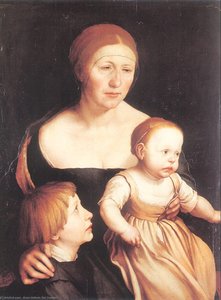
The composition is anchored by the commanding presence of the mother—widely believed to be Margarethe Tilly. She sits as the central pillar of the family unit, her posture radiating a sense of composed authority and quiet strength. Flanked symmetrically by her young children, Katherine and Philipp, the arrangement creates a harmonious visual balance that speaks to the stability of the domestic sphere. There is a subtle, captivating tension in her gaze; she looks outward, not toward the viewer, but into a middle distance that suggests a mind occupied with the weight of her responsibilities and the uncertain tides of history. The children, caught in moments of innocent engagement, provide a soft counterpoint to their mother’s stoic dignity, their presence grounding the painting in the tender reality of childhood.
Mastery of Form and the Language of Light
To behold this work is to witness the pinnacle of Holbein’s technical virtuosity. Utilizing the traditional medium of oil on panel, the artist employed a sophisticated technique of layering thin, translucent glazes over precise underdrawings. This method allowed him to achieve an almost supernatural level of detail, where the texture of heavy fabric, the softness of youthful skin, and the delicate strands of hair are rendered with tactile precision. Even in its monochrome presentation, the painting vibrates with life through a masterful command of tonal variation. The interplay of light and shadow—the chiarosc_uro effect—sculpts the figures from the darkness, lending them a three-dimensional weight that makes their presence feel undeniably physical.
For the discerning collector or interior designer, this piece offers a profound aesthetic versatility. The stripped-back, monochromatic palette lends the artwork a timeless, sculptural quality that integrates seamlessly into both classical and contemporary settings. It possesses an inherent gravity that can anchor a room, providing a focal point of historical significance and intellectual depth. Whether displayed in a sunlit gallery or a moody, sophisticated study, the painting’s ability to command attention through form rather than color makes it a perennial choice for those seeking art that embodies both elegance and substance.
A Legacy of Humanism and Emotion
Beyond its technical brilliance, the artwork serves as a vital historical document of the burgeoning humanist spirit. During an era of profound religious and social upheaval, Holbein’s focus on the individual—the specific, recognizable human experience—marked a departure from the more stylized, symbolic traditions of the past. He captures not just the status of his subjects, but their humanity. The emotional resonance of the piece lies in this very vulnerability; we see the quiet fatigue, the watchful protection, and the unadorned truth of family life.
Owning a high-quality reproduction of this masterpiece allows one to bring this sense of historical continuity into the modern home. It is an invitation to contemplate the permanence of human connection amidst the fleeting nature of time. For those who appreciate art that tells a story of resilience and quiet beauty, Holbein’s portrait remains an incomparable treasure, offering a piece of the Renaissance's enduring spirit to any collection.
Obras relacionadas

Biografía del artista
vida temprana y formación
Hans Holbein el Joven, una figura destacada en la renacimiento norteño, nació en 1497 en Augsburg, Alemania. Aunque a menudo se le confunde con su padre, Hans Holbein el Viejo, un artista y grabador renombrado, la obra del joven Holbein es distinta y notable por sí misma.carrera artística
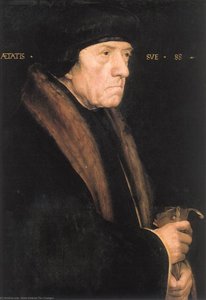
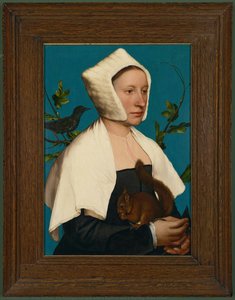
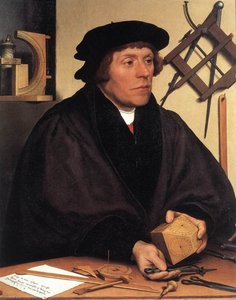
La carrera artística de Holbein el Joven comenzó bajo la tutela de su padre. Posteriormente viajó a Inglaterra, donde se convirtió en pintor de corte para el rey Enrique VIII. Esta posición le permitió capturar la esencia de la familia real y la aristocracia inglesa emergente. Su obra se caracteriza por:- realismo excepcional: los retratos de Holbein son celebrados por su calidad realista, como se ve en Retrato de una dama desconocida (renacimiento norteño).
- composición innovadora: su uso de la composición es evidente en Sir William Butts (37 x 46 cm, renacimiento norteño, óleo sobre tabla).
- estudio para el retrato familiar de Tomás Moro (38 x 52 cm, renacimiento norteño) muestra su habilidad para capturar la esencia de una familia.
obras notables y legado
La obra de Holbein el Joven se encuentra en varios museos, incluido el Museos Estatales de Berlín (Alemania, donde su Señor desconocido con libros de música y laúd (óleo sobre tabla) está en exhibición. Su influencia en el renacimiento norteño es innegable, y su obra continúa inspirando a los artistas hasta el día de hoy. Holbein el Joven falleció en 1543, pero su legado perdura a través de sus cautivadores retratos y estudios detallados. ver más obras de Hans Holbein el Joven en ArtsDot.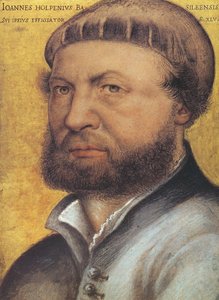
Hans Holbein el Joven
1497 - 1543 , Italia
Datos clave
- Artistas Que Influyeron:
- Hans Holbein el Viejo
- Albrecht Dürer
- Estilo Artístico: Renacimiento Nórdico
- Fecha De Muerte: 1543
- Fecha De Nacimiento: 1497
- Lugar De Nacimiento: Augsburgo, Italia
- Nacionalidad: Alemán
- Nombre Completo: Hans Holbein el Joven
- Obras Notables:
- Retrato de Enrique VIII
- El cuerpo del Cristo muerto
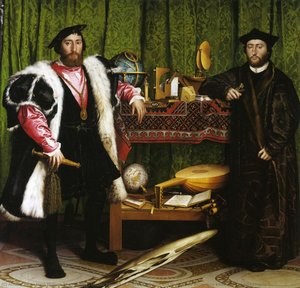
- Los embajadores
- Autorretrato
- Madonna del Burgomaestre Meyer
Artículos relacionados

Blanco Sublime: Los 10 Cuadros Más Famosos Dominados por la Luz y el Color
Descubre los 10 cuadros blancos más emblemáticos de la historia del arte. Explora Monet, Van Gogh y Klimt, y su magistral uso de la luz y el color. Encuentra reproducciones de alta calidad e inspírate para tu decoración en .

Las 10 Pinturas Más Famosas Dominadas por el Negro | Arte y Decoración
Descubre las 10 pinturas más impactantes dominadas por el negro. Explora obras maestras de Rembrandt, Goya y Rothko, su historia y significado. Encuentra reproducciones de arte exclusivas para transformar tu hogar en .

Monochrome Visions: Exploring the Aesthetic & Historical Significance of Black & White Photography
Explore the rich history & artistic power of black and white photography. From early techniques to iconic masters like Ansel Adams, discover why monochrome continues to captivate art lovers today. Expert insights for collectors.
Las 10 Obras Maestras Dominadas por el Negro Marsella: Arte y Decoración
Descubre las 10 pinturas más famosas dominadas por el negro marsella. Explora la historia, técnica y simbolismo de obras maestras del expresionismo alemán, gótico y arte moderno. Reproducciones de museos en .
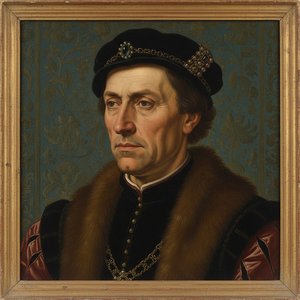
Hans Holbein the Younger: A Renaissance Portraitist's Mastery of Realism & Psychological Insight
Explore the life & art of Hans Holbein the Younger, a Renaissance master renowned for his strikingly realistic portraits and psychological insight. Discover iconic works like 'The Ambassadors' and delve into his lasting legacy.