Ver en contexto
 Enviar
 Compartir
 Detalles

 Descargar
 Similares
 Radiografía
 Presentación de diapositivas
Body of the Dead Christ in the Tomb


 Ver más
Reproducción al óleo hecha a mano
Óleo sobre lienzo pintado a mano en el tamaño y marco de su elección, realizado por encargo por nuestros artistas. ( Comprar impresión Comprar imagen)




P118B $10

P118H $10

P118W $10

P438Z $10

P508JH $12

P508YH $12

P805H $10

P805Z $10

P919BZ $10

P919G $10

P919XJ $10

P959ZH $10

P968JZ $12

W106C $8

W218G $10

W218JH $8

W218Y $10

W307PJ $10

W316G $10

W316PJ $8

W316Y $10

W398PJ $8

W4111J $10

W500HY $15

W500JH $15

W692G $12

W849H $8

W940BG $15

W953PJ $8




Elija entre nuestros tamaños predefinidos que respetan las proporciones originales de la obra.

Puede ingresar sus propias dimensiones para adaptarse a un marco o espacio específico. Si el tamaño seleccionado no coincide con las proporciones de la imagen original, recortaremos la obra o extenderemos la pintura con elementos adicionales pintados a mano. Se le enviará una maqueta digital para su aprobación antes de comenzar la producción.
Tenga en cuenta que la vista previa en pantalla no refleja el recorte o la extensión reales. Solo la maqueta mostrará con precisión la composición final.
Si bien existen tamaños personalizados, recomendamos seleccionar una dimensión de la lista predefinida para preservar las proporciones originales.
Tras realizar el pedido, el equipo de ArtsDot.com enviará un correo electrónico al cliente para solicitar instrucciones y proporcionarle una vista previa del boceto.
Envío a todo el mundo () en 3-4 semanas en lugar de las 5 semanas estándar. (4 septiembre). Sin comprometer la calidad.

Envío exprés gratuito a todo el mundo

Lienzo de lino de alta calidad

Seguro de envío total

Garantía de reembolso de impuestos aduaneros

Garantía de fidelidad cromática exacta

Política de devolución de 60 días (solo por defectos)

Garantía de devolución del 100% del dinero

Descuento por cantidad
 La opción de vidrio solo está disponible en tamaños inferiores a 110 cm.

Body of the Dead Christ in the Tomb
Técnica de reproducción
Dimensiones de la reproducción
-


Precio total final
$ 263
A Visceral Encounter with Mortality
In the quiet corridors of the Kunstmuseum Basel, there exists a painting that refuses to let the viewer look away. Hans Holbein the Younger’s "Body of the Dead Christ in the Tomb" is not merely a depiction of a biblical event; it is an unflinching confrontation with the physical reality of death. Created between 1520 and 1522, this extraordinary longitudinal panel stretches across the field of vision like a heavy shroud, demanding an emotional response that transcends mere observation. Unlike the idealized, serene depictions of Christ common in many religious works, Holbein presents a body marked by the brutal weight of mortality. The pale, lifeless flesh, the subtle traces of decomposition, and the chillingly accurate rendering of wounds create a scene that is as much a masterpiece of anatomical study as it is a profound theological meditation.
The power of this work lies in its startling realism, a hallmark of Holbein’s Northern Renaissance mastery. Through meticulous brushwork, the artist captures the texture of skin, the glisten of dried blood, and the heavy stillness of a corpse that has been stripped of its divinity to reveal its humanity. For the collector or lover of fine art, this piece offers an unparalleled study in chiaroscuro and anatomical precision. Holbein’s ability to render the physical weight of the limbs and the way the body rests upon the crimson drapery creates a sense of profound gravity. It is a work that speaks to the fragility of existence, making it a captivating centerpiece for those who appreciate art that explores the deeper, more complex layers of the human condition.
Symbolism and the Weight of Devotion
Beyond its anatomical brilliance, the painting serves as a complex tapestry of religious symbolism and historical tension. The composition, characterized by its unusual elongated format, directs the eye along the length of Christ’s body, mirroring the journey from suffering to the eventual promise of resurrection. The use of deep crimson in the linens serves as a poignant reminder of the sacrifice made, contrasting sharply with the pallor of the deceased. This interplay of color and light does more than create visual drama; it anchors the viewer in the theological gravity of the Reformation era, a time when the boundaries of faith and the reality of physical suffering were being intensely debated across Europe.
For interior designers and curators seeking to evoke a sense of contemplative depth within a space, this artwork provides an unparalleled emotional anchor. The painting does not merely decorate a wall; it transforms an environment into a sanctuary for reflection. Whether presented as a high-quality reproduction in a private study or as part of a curated gallery collection, the "Body of the Dead Christ" brings with it an aura of historical significance and intellectual rigor. It is a piece that invites conversation, challenging the observer to find beauty within the macabre and to recognize the profound dignity found even in the most harrowing moments of human history.
Obras relacionadas



Biografía del artista
vida temprana y formación
Hans Holbein el Joven, una figura destacada en la renacimiento norteño, nació en 1497 en Augsburg, Alemania. Aunque a menudo se le confunde con su padre, Hans Holbein el Viejo, un artista y grabador renombrado, la obra del joven Holbein es distinta y notable por sí misma.carrera artística
La carrera artística de Holbein el Joven comenzó bajo la tutela de su padre. Posteriormente viajó a Inglaterra, donde se convirtió en pintor de corte para el rey Enrique VIII. Esta posición le permitió capturar la esencia de la familia real y la aristocracia inglesa emergente. Su obra se caracteriza por:- realismo excepcional: los retratos de Holbein son celebrados por su calidad realista, como se ve en Retrato de una dama desconocida (renacimiento norteño).
- composición innovadora: su uso de la composición es evidente en Sir William Butts (37 x 46 cm, renacimiento norteño, óleo sobre tabla).
- estudio para el retrato familiar de Tomás Moro (38 x 52 cm, renacimiento norteño) muestra su habilidad para capturar la esencia de una familia.
obras notables y legado
La obra de Holbein el Joven se encuentra en varios museos, incluido el Museos Estatales de Berlín (Alemania, donde su Señor desconocido con libros de música y laúd (óleo sobre tabla) está en exhibición. Su influencia en el renacimiento norteño es innegable, y su obra continúa inspirando a los artistas hasta el día de hoy. Holbein el Joven falleció en 1543, pero su legado perdura a través de sus cautivadores retratos y estudios detallados. ver más obras de Hans Holbein el Joven en ArtsDot.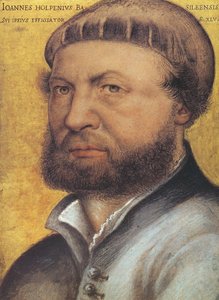
Hans Holbein el Joven
1497 - 1543 , Italia
Datos clave
- Artistas Que Influyeron:
- Hans Holbein el Viejo
- Albrecht Dürer
- Estilo Artístico: Renacimiento Nórdico
- Fecha De Muerte: 1543
- Fecha De Nacimiento: 1497
- Lugar De Nacimiento: Augsburgo, Italia
- Nacionalidad: Alemán
- Nombre Completo: Hans Holbein el Joven
- Obras Notables:
- Retrato de Enrique VIII
- El cuerpo del Cristo muerto
- Los embajadores
- Autorretrato
- Madonna del Burgomaestre Meyer
Artículos relacionados

Giclée Prints: Archival Quality & Aesthetic Nuances for the Discerning Collector
Explore the world of giclée prints with ArtsDot. Learn about archival quality, aesthetic nuances & investment potential. Expert guidance for discerning art collectors seeking museum-quality reproductions and lasting value.
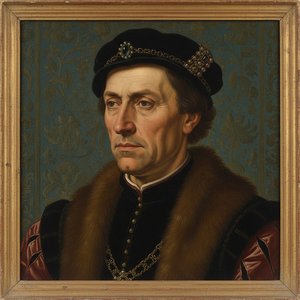
Hans Holbein the Younger: A Renaissance Portraitist's Mastery of Realism & Psychological Insight
Explore the life & art of Hans Holbein the Younger, a Renaissance master renowned for his strikingly realistic portraits and psychological insight. Discover iconic works like 'The Ambassadors' and delve into his lasting legacy.

The Enduring Legacy of Fine Art Prints: Technique, History & Aesthetic Impact
Explore the rich history & techniques of fine art prints. Discover investment potential, assess authenticity, and learn how to preserve your collection with expert guidance. Trusted insights for discerning collectors.

Echoes of Time: Exploring the Enduring Appeal & Historical Context of Vintage Art Prints
Explore the captivating world of vintage art prints! Discover their history, collecting tips & enduring appeal. Expert insights on chromolithography and building a legacy collection with ArtsDot.
The Enduring Legacy of Printmaking: Techniques, Themes & Artistic Innovation Across Centuries
Explore the rich history of printmaking with ArtsDot. Discover techniques from intaglio to lithography, learn about collecting valuable prints & find museum-quality reproductions. Expert insights for art enthusiasts and collectors.