 Ver en contexto
 Enviar
 Compartir
 Detalles

 Descargar
 Similares
 Radiografía
 Presentación de diapositivas
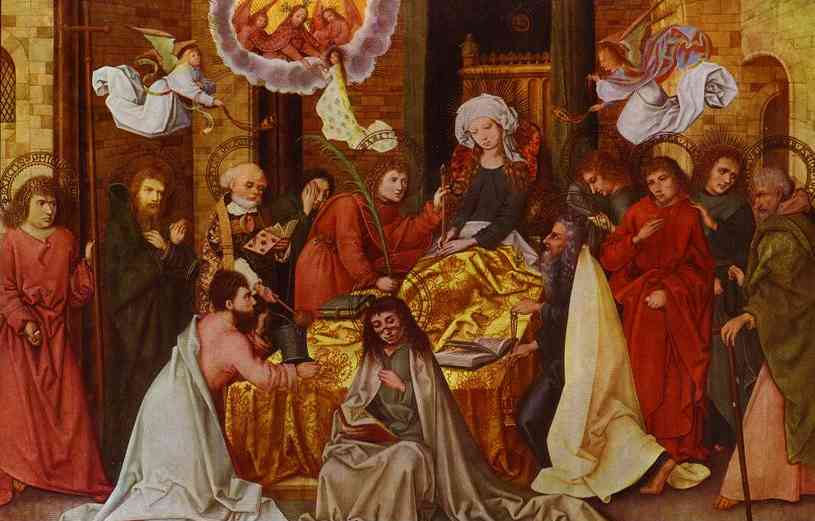
Death of the Virgin


 Ver más
Reproducción al óleo hecha a mano
Óleo sobre lienzo pintado a mano en el tamaño y marco de su elección, realizado por encargo por nuestros artistas. ( Comprar impresión Comprar imagen)




P118B $10

P118H $10

P118W $10

P438Z $10

P508JH $12

P508YH $12

P805H $10

P805Z $10

P919BZ $10

P919G $10

P919XJ $10

P959ZH $10

P968JZ $12

W106C $8

W218G $10

W218JH $8

W218Y $10

W307PJ $10

W316G $10

W316PJ $8

W316Y $10

W398PJ $8

W4111J $10

W500HY $15

W500JH $15

W692G $12

W849H $8

W940BG $15

W953PJ $8




Elija entre nuestros tamaños predefinidos que respetan las proporciones originales de la obra.

Puede ingresar sus propias dimensiones para adaptarse a un marco o espacio específico. Si el tamaño seleccionado no coincide con las proporciones de la imagen original, recortaremos la obra o extenderemos la pintura con elementos adicionales pintados a mano. Se le enviará una maqueta digital para su aprobación antes de comenzar la producción.
Tenga en cuenta que la vista previa en pantalla no refleja el recorte o la extensión reales. Solo la maqueta mostrará con precisión la composición final.
Si bien existen tamaños personalizados, recomendamos seleccionar una dimensión de la lista predefinida para preservar las proporciones originales.
Tras realizar el pedido, el equipo de ArtsDot.com enviará un correo electrónico al cliente para solicitar instrucciones y proporcionarle una vista previa del boceto.
Envío a todo el mundo () en 3-4 semanas en lugar de las 5 semanas estándar. (27 agosto). Sin comprometer la calidad.

Envío exprés gratuito a todo el mundo

Lienzo de lino de alta calidad

Seguro de envío total

Garantía de reembolso de impuestos aduaneros

Garantía de fidelidad cromática exacta

Política de devolución de 60 días (solo por defectos)

Garantía de devolución del 100% del dinero

Descuento por cantidad
 La opción de vidrio solo está disponible en tamaños inferiores a 110 cm.

Death of the Virgin
Técnica de reproducción
Dimensiones de la reproducción
-


Precio total final
$ 263
A Poignant Meditation on Mortality
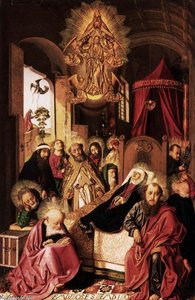
In the quiet, heavy atmosphere of Hans Holbein the Younger’s Death of the Virgin, one finds more than a mere depiction of passing; one encounters a profound spiritual threshold. This masterpiece serves as a haunting meditation on the transition from earthly existence to eternal glory, capturing the precise moment when the physical world meets the divine. The scene is an intimate tableau of grief and grace, where the solemnity of Mary’s final moments is rendered not through chaotic mourning, but through a serene acceptance of divine providence. Surrounding the bed, a gathering of figures—some appearing as earthly mourners and others as celestial beings—creates a layered narrative of loss and hope. The presence of Jesus and the surrounding attendants provides a sense of communal sanctity, making the viewer feel less like an observer and more like a silent participant in this sacred event.The emotional impact of the work lies in its ability to balance the weight of human sorrow with the lightness of spiritual transcendence. Through the careful arrangement of figures, Holbein invites us to contemplate the universal experience of death, yet elevates it through the lens of profound faith. It is a piece that demands reflection, offering a stillness that is rare in the more turbulent works of the era.
The Mastery of Light and Northern Precision
To behold this work is to witness the pinnacle of Northern Renaissance technique. Holbein’s approach is characterized by an unparalleled attention to detail, where every brushstroke on the oil panel serves to heighten the painting's realism. He employs a masterful use of chiaroscuro—the dramatic interplay between light and shadow—to sculpt the forms of Mary and her companions. This technique does more than just create three-dimensional depth; it imbues the flesh and fabric with a palpable vulnerability, emphasizing the fragility of life against the encroaching shadows.The artist’s technical prowess is evident in several key elements:
- Anatomical Accuracy: Holbein’s meticulous observation of human anatomy brings a startling realism to the figures, making their grief and exhaustion feel deeply human.
- Textural Richness: From the subtle folds of heavy linens to the soft glow of skin, the artist captures a variety of textures that bring the scene to life with breathtaking clarity.
- Geometric Balance: Despite the emotional weight of the subject, the composition remains stable and balanced, utilizing geometric principles to guide the eye toward the central focus of the Virgin.
A Timeless Legacy for the Modern Collector
Painted during the religious upheavals of the Reformation, Death of the Virgin carries the historical weight of an era defined by shifting dogmas and intense spiritual debate. Holbein captures the anxieties and aspirations of a world in transition, making the painting a vital historical document as much as a work of art. For the contemporary collector or interior designer, this piece offers a unique opportunity to introduce a sense of historical gravity and intellectual depth into a space.Integrating a high-quality reproduction of such a significant work can transform an interior, providing a sophisticated focal point that sparks conversation and invites contemplation. Whether placed in a formal study, a quiet library, or a curated gallery wall, the painting’s somber beauty and technical brilliance command attention. It is an investment in a piece of history—a window into the soul of the Renaissance that continues to resonate with anyone moved by the intersection of human emotion and divine mystery. For those seeking to surround themselves with art that possesses both narrative power and aesthetic perfection, Holbein’s masterpiece remains an incomparable choice.
Obras relacionadas

Biografía del artista
vida temprana y formación
Hans Holbein el Joven, una figura destacada en la renacimiento norteño, nació en 1497 en Augsburg, Alemania. Aunque a menudo se le confunde con su padre, Hans Holbein el Viejo, un artista y grabador renombrado, la obra del joven Holbein es distinta y notable por sí misma.carrera artística
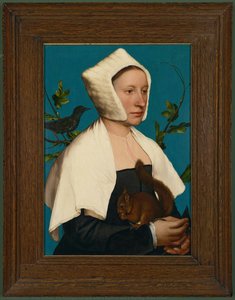
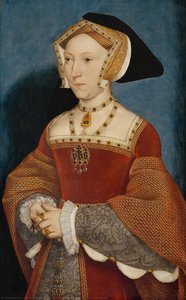
La carrera artística de Holbein el Joven comenzó bajo la tutela de su padre. Posteriormente viajó a Inglaterra, donde se convirtió en pintor de corte para el rey Enrique VIII. Esta posición le permitió capturar la esencia de la familia real y la aristocracia inglesa emergente. Su obra se caracteriza por:- realismo excepcional: los retratos de Holbein son celebrados por su calidad realista, como se ve en Retrato de una dama desconocida (renacimiento norteño).
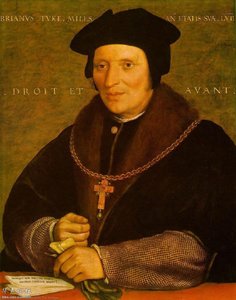
- composición innovadora: su uso de la composición es evidente en Sir William Butts (37 x 46 cm, renacimiento norteño, óleo sobre tabla).
- estudio para el retrato familiar de Tomás Moro (38 x 52 cm, renacimiento norteño) muestra su habilidad para capturar la esencia de una familia.
obras notables y legado
La obra de Holbein el Joven se encuentra en varios museos, incluido el Museos Estatales de Berlín (Alemania, donde su Señor desconocido con libros de música y laúd (óleo sobre tabla) está en exhibición. Su influencia en el renacimiento norteño es innegable, y su obra continúa inspirando a los artistas hasta el día de hoy. Holbein el Joven falleció en 1543, pero su legado perdura a través de sus cautivadores retratos y estudios detallados. ver más obras de Hans Holbein el Joven en ArtsDot.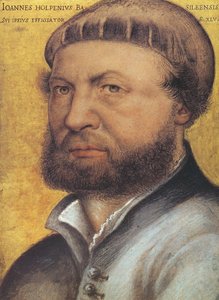
Hans Holbein el Joven
1497 - 1543 , Italia
Datos clave
- Artistas Que Influyeron:
- Hans Holbein el Viejo
- Albrecht Dürer
- Estilo Artístico: Renacimiento Nórdico
- Fecha De Muerte: 1543
- Fecha De Nacimiento: 1497
- Lugar De Nacimiento: Augsburgo, Italia
- Nacionalidad: Alemán
- Nombre Completo: Hans Holbein el Joven
- Obras Notables:
- Retrato de Enrique VIII
- El cuerpo del Cristo muerto
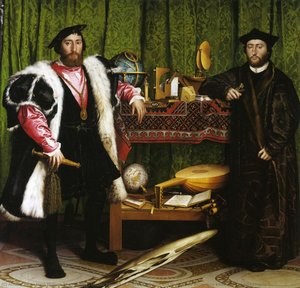
- Los embajadores
- Autorretrato
- Madonna del Burgomaestre Meyer
Artículos relacionados

The Enduring Legacy of Oil on Canvas: Technique, History & Aesthetic Impact
Explore the rich history & techniques of oil painting – from Renaissance masters to Impressionism. Discover pigments, layering methods, and why this timeless medium endures. Expert insights for artists & art enthusiasts.

El Óleo sobre Lienzo: Historia, Técnica y la Persistencia de un Medio Artístico Atemporal
Descubre la historia y técnica del óleo sobre lienzo. Explora reproducciones fieles hechas a mano, personalización artística y consejos de expertos con ArtsDot. ¡Colecciona arte con confianza!

Memento Mori: Finding Beauty and Meaning in Art's Timeless Reminders of Mortality
Explore the profound beauty of Memento Mori art. Discover how Baroque masters used symbols of mortality to inspire reflection, and learn to curate meaningful, timeless masterpieces for your home with expert guidance from ArtsDot.

The Enduring Power of Painting: A Historical & Contemporary Exploration of Form and Emotion
Explore the rich history & enduring techniques of oil painting with ArtsDot. Discover masterpieces, learn about art collecting, and find authentic handmade reproductions crafted by skilled artists.

El Legado Duradero del Óleo sobre Lienzo: Técnica, Historia y Práctica Contemporánea
Descubre la historia y técnica del óleo sobre lienzo. Explora reproducciones fieles hechas a mano, personalización artística y consejos de expertos con .

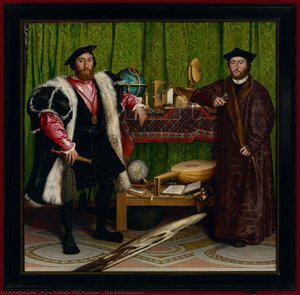
![Retrato Doble de Jean de Dinteville y Georges de Selve (también conocido como Los Embajadores) [detalle]](/media/artworks/images-thumb/bb/ab/bbab7ce77b7dd15d23d21114a63b51a4.jpg)