 Ver en contexto
 Enviar
 Compartir
 Detalles

 Descargar
 Similares
 Radiografía
 Presentación de diapositivas
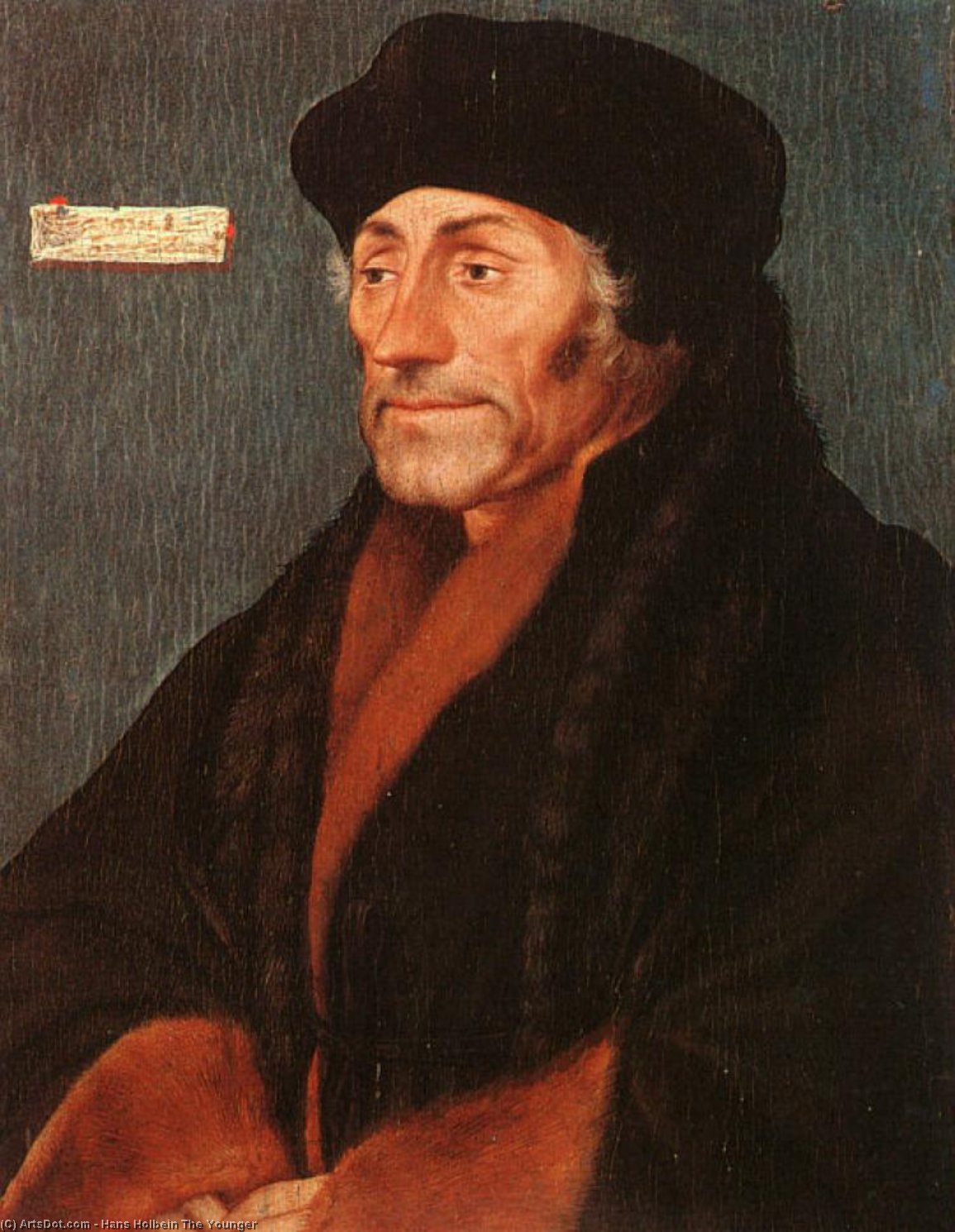
Erasmus of Rotterdam
 Acrylic
- WallArt
- Northern Renaissance
 14.0 x 18.0 cm
 Ver más
Reproducción al óleo hecha a mano
Óleo sobre lienzo pintado a mano en el tamaño y marco de su elección, realizado por encargo por nuestros artistas. ( Comprar impresión Comprar imagen)




P118B $10

P118H $10

P118W $10

P438Z $10

P508JH $12

P508YH $12

P805H $10

P805Z $10

P919BZ $10

P919G $10

P919XJ $10

P959ZH $10

P968JZ $12

W106C $8

W218G $10

W218JH $8

W218Y $10

W307PJ $10

W316G $10

W316PJ $8

W316Y $10

W398PJ $8

W4111J $10

W500HY $15

W500JH $15

W692G $12

W849H $8

W940BG $15

W953PJ $8




Elija entre nuestros tamaños predefinidos que respetan las proporciones originales de la obra.

Puede ingresar sus propias dimensiones para adaptarse a un marco o espacio específico. Si el tamaño seleccionado no coincide con las proporciones de la imagen original, recortaremos la obra o extenderemos la pintura con elementos adicionales pintados a mano. Se le enviará una maqueta digital para su aprobación antes de comenzar la producción.
Tenga en cuenta que la vista previa en pantalla no refleja el recorte o la extensión reales. Solo la maqueta mostrará con precisión la composición final.
Si bien existen tamaños personalizados, recomendamos seleccionar una dimensión de la lista predefinida para preservar las proporciones originales.
Tras realizar el pedido, el equipo de ArtsDot.com enviará un correo electrónico al cliente para solicitar instrucciones y proporcionarle una vista previa del boceto.
Envío a todo el mundo () en 3-4 semanas en lugar de las 5 semanas estándar. (24 agosto). Sin comprometer la calidad.

Envío exprés gratuito a todo el mundo

Lienzo de lino de alta calidad

Seguro de envío total

Garantía de reembolso de impuestos aduaneros

Garantía de fidelidad cromática exacta

Política de devolución de 60 días (solo por defectos)

Garantía de devolución del 100% del dinero

Descuento por cantidad
 La opción de vidrio solo está disponible en tamaños inferiores a 110 cm.

Erasmus of Rotterdam
Técnica de reproducción
Dimensiones de la reproducción
-


Precio total final
$ 263
Descripción de la obra
A Window into Renaissance Thought: Examining Hans Holbein the Younger’s Erasmus of Rotterdam
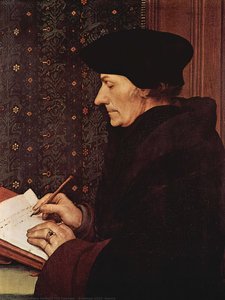
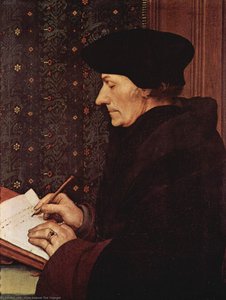
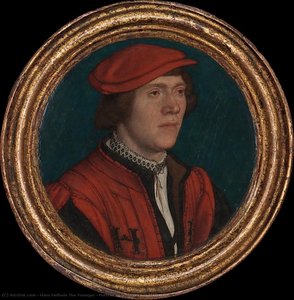
The portrait of Erasmus of Rotterdam, executed by Hans Holbein the Younger around 1524, stands as a testament to the artist's unparalleled ability to distill complex intellectual and spiritual ideals into a single visual image. More than just a likeness of the renowned humanist scholar—a man celebrated for his tireless pursuit of knowledge and reform—this painting embodies the anxieties and aspirations of its time, reflecting the burgeoning Reformation movement and Holbein’s masterful command of artistic technique.- Subject Matter & Context: Erasmus Dominus Philosophiae – “Erasmus, Lord of Philosophy” – was a towering figure in Renaissance intellectual life. He championed humanist ideals emphasizing reason, observation, and classical learning, actively challenging dogma and advocating for religious tolerance. Holbein’s depiction captures Erasmus not merely as an individual but as a symbol of the humanist movement's commitment to critical inquiry.
- Style & Technique: Holbein’s signature style—characterized by meticulous detail and subtle shading—is evident throughout the portrait. He employs oil paint on panel, utilizing glazing techniques that create luminous surfaces and imbue the image with a remarkable sense of depth. The artist's painstaking attention to anatomical accuracy is particularly noteworthy, reflecting the Renaissance fascination with scientific observation.
Decoding Symbolism: Layers of Meaning Beyond Appearance
Beyond its realistic portrayal, the painting is rich in symbolic elements that speak to broader themes of human intellect and moral virtue. The inclusion of a sheet of paper or cardboard—a commonplace item—serves as an intriguing visual device. It’s interpreted by scholars as representing Erasmus's scholarly pursuits – his manuscripts, his thoughts, and his unwavering dedication to intellectual discourse. Furthermore, the solemn gaze of Erasmus conveys seriousness and contemplation, mirroring the humanist ideal of striving for moral excellence.- Color Palette: Holbein’s palette is restrained yet purposeful, favoring earthy tones—browns and ochres—that convey stability and dignity. These colors align with Renaissance artistic conventions emphasizing harmony and balance, reinforcing the portrait's contemplative mood.
- Composition & Lighting: The artist skillfully utilizes triangular composition to create a sense of visual equilibrium, directing the viewer’s gaze towards Erasmus’s face—the focal point of the image. Soft lighting enhances the subject’s features and casts subtle shadows that contribute to the portrait's psychological realism.
Emotional Resonance & Legacy: An Image That Speaks Across Centuries
The enduring appeal of Holbein’s Erasmus lies in its ability to convey a profound sense of intellectual conviction. Erasmus’s gaze—direct and unwavering—suggests an inner life brimming with thought and contemplation, inviting viewers to engage in their own reflections on knowledge and virtue. This portrait transcends mere representation; it captures the spirit of the Renaissance humanist tradition – a legacy that continues to inspire artists and scholars alike. It serves as a poignant reminder of Holbein’s genius in transforming observation into enduring beauty.Obras relacionadas
Biografía del artista
vida temprana y formación
Hans Holbein el Joven, una figura destacada en la renacimiento norteño, nació en 1497 en Augsburg, Alemania. Aunque a menudo se le confunde con su padre, Hans Holbein el Viejo, un artista y grabador renombrado, la obra del joven Holbein es distinta y notable por sí misma.carrera artística
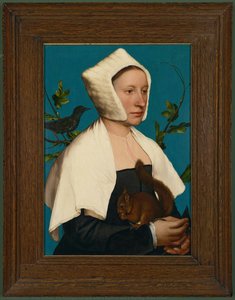
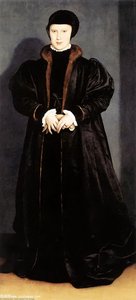
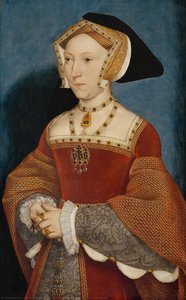
La carrera artística de Holbein el Joven comenzó bajo la tutela de su padre. Posteriormente viajó a Inglaterra, donde se convirtió en pintor de corte para el rey Enrique VIII. Esta posición le permitió capturar la esencia de la familia real y la aristocracia inglesa emergente. Su obra se caracteriza por:- realismo excepcional: los retratos de Holbein son celebrados por su calidad realista, como se ve en Retrato de una dama desconocida (renacimiento norteño).
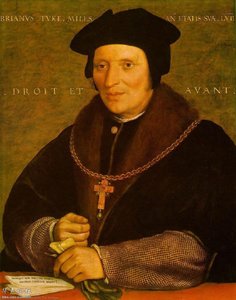
- composición innovadora: su uso de la composición es evidente en Sir William Butts (37 x 46 cm, renacimiento norteño, óleo sobre tabla).
- estudio para el retrato familiar de Tomás Moro (38 x 52 cm, renacimiento norteño) muestra su habilidad para capturar la esencia de una familia.
obras notables y legado
La obra de Holbein el Joven se encuentra en varios museos, incluido el Museos Estatales de Berlín (Alemania, donde su Señor desconocido con libros de música y laúd (óleo sobre tabla) está en exhibición. Su influencia en el renacimiento norteño es innegable, y su obra continúa inspirando a los artistas hasta el día de hoy. Holbein el Joven falleció en 1543, pero su legado perdura a través de sus cautivadores retratos y estudios detallados. ver más obras de Hans Holbein el Joven en ArtsDot.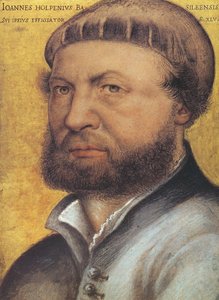
Hans Holbein el Joven
1497 - 1543 , Italia
Datos clave
- Artistas Que Influyeron:
- Hans Holbein el Viejo
- Albrecht Dürer
- Estilo Artístico: Renacimiento Nórdico
- Fecha De Muerte: 1543
- Fecha De Nacimiento: 1497
- Lugar De Nacimiento: Augsburgo, Italia
- Nacionalidad: Alemán
- Nombre Completo: Hans Holbein el Joven
- Obras Notables:
- Retrato de Enrique VIII
- El cuerpo del Cristo muerto
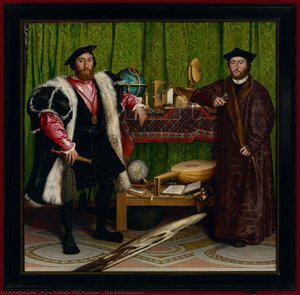
- Los embajadores
- Autorretrato
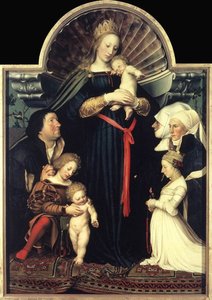
- Madonna del Burgomaestre Meyer
Artículos relacionados
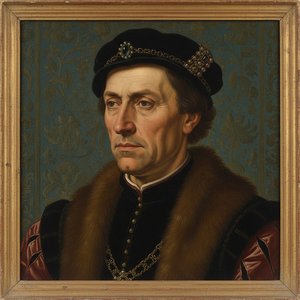
Hans Holbein the Younger: A Renaissance Portraitist's Mastery of Realism & Psychological Insight
Explore the life & art of Hans Holbein the Younger, a Renaissance master renowned for his strikingly realistic portraits and psychological insight. Discover iconic works like 'The Ambassadors' and delve into his lasting legacy.
Romantic Realism's Finest: 10 Masterpieces for Your Home | ArtsDot
Explore 10 defining masterpieces of Romantic Realism! Discover Courbet, Millet & Daumier's powerful paintings—capturing emotion and social realities. Find museum-quality reproductions for your home at ArtsDot.com.
The Enduring Gaze: Portraiture's Historical & Psychological Evolution
Explore the rich history of portraiture with expert analysis from ArtsDot. Discover iconic Renaissance masterpieces, symbolism & techniques that shaped identity. Find museum-quality art for your collection.
Realismo en el Arte: 10 Obras Maestras para Decorar con Autenticidad
Descubre 10 obras maestras del realismo, desde Courbet a Vermeer. Explora la historia, técnica y significado de estos icónicos cuadros. Encuentra reproducciones de arte de museo en ArtsDot.com y decora con autenticidad.
Expresionismo Alemán: 10 Obras Maestras que Transformaron el Arte | ArtsDot
Descubre las 10 obras maestras del Expresionismo Alemán: Kirchner, Munch y más. Explora la historia, técnica y emoción detrás de estos lienzos icónicos. Reproducciones de arte de museo en ArtsDot.com. ¡Inspira tu hogar con arte!
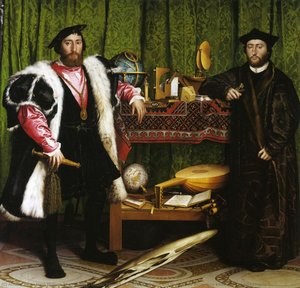

![Retrato Doble de Jean de Dinteville y Georges de Selve (también conocido como Los Embajadores) [detalle]](/media/artworks/images-thumb/bb/ab/bbab7ce77b7dd15d23d21114a63b51a4.jpg)