 Ver en contexto
 Enviar
 Compartir
 Detalles

 Descargar
 Similares
 Radiografía
 Presentación de diapositivas
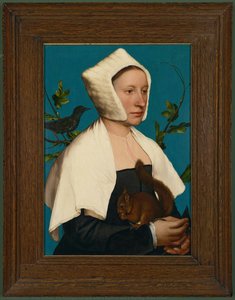
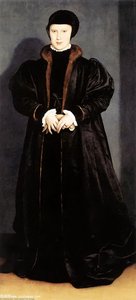
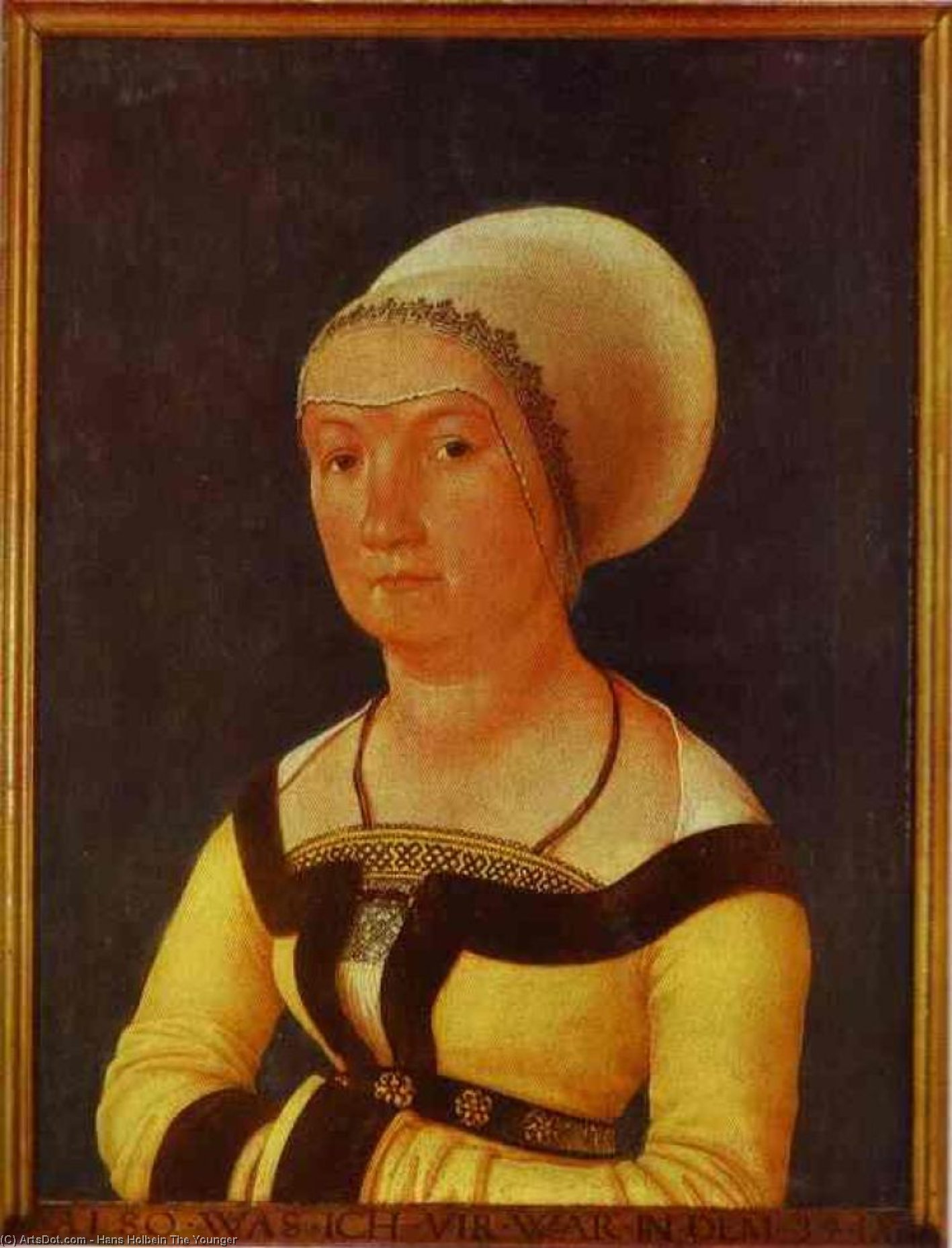
Portrait of 34 year old Woman


 Ver más
Giclée / Impresión de arte
Impresiones giclée o en lienzo de calidad de museo con producción rápida y opciones de acabado flexibles. ( Comprar pintura hecha a mano Comprar imagen)




P118B $10

P118H $10

P118W $10

P438Z $10

P508JH $12

P508YH $12

P805H $10

P805Z $10

P919BZ $10

P919G $10

P919XJ $10

P959ZH $10

P968JZ $12

W106C $8

W218G $10

W218JH $8

W218Y $10

W307PJ $10

W316G $10

W316PJ $8

W316Y $10

W398PJ $8

W4111J $10

W500HY $15

W500JH $15

W692G $12

W849H $8

W940BG $15

W953PJ $8




Elija entre nuestros tamaños predefinidos que respetan las proporciones originales de la obra.

Puede introducir sus propias dimensiones para adaptarse a un marco o espacio específico. Si el tamaño seleccionado no coincide con las proporciones de la imagen original, recortaremos la obra de arte o extenderemos la imagen con un borde con efecto espejo o de color sólido. Se enviará una maqueta digital para su aprobación antes de que comience la producción.
Tenga en cuenta que la vista previa en pantalla no refleja el recorte o la extensión real. Solo la maqueta mostrará con precisión la composición final.
Aunque existen tamaños personalizados, recomendamos seleccionar una dimensión de la lista predefinida para preservar las proporciones originales.
Envío a todo el mundo () en 2 semanas en lugar de las 4/5 semanas estándar. (5 septiembre)

Envío exprés gratuito a todo el mundo

Lienzo de lino de alta calidad

Seguro de envío total

Garantía de reembolso de impuestos aduaneros

Garantía de fidelidad cromática exacta

Política de devolución de 60 días (solo por defectos)

Garantía de devolución del 100% del dinero

Descuento por cantidad
 La opción de vidrio solo está disponible en tamaños inferiores a 110 cm.

Portrait of 34 year old Woman
Giclée / Impresión de arte
Dimensiones de la reproducción
-


Precio total final
$ 62
A Window into Tudor Elegance
To gaze upon the Portrait of a 34-year-old Woman is to step through a portal into the refined and politically charged atmosphere of the early sixteenth century. Attributed to the incomparable Hans Holbein the Younger, this masterpiece serves as more than a mere likeness; it is a profound exploration of identity, status, and the burgeoning humanist ideals of the Northern Renaissance. Painted in 1516, during a period when Holbein was honing his legendary ability to capture the very essence of his subjects, the portrait presents a woman whose direct, unwavering gaze confronts the viewer with an intimacy that feels startlingly modern. There is an undeniable psychological weight to her expression, a quiet strength that suggests a life lived amidst the complexities of the Tudor court.
The composition is masterfully balanced, utilizing a three-quarter pose that allows the artist to showcase both the physical features of the subject and the opulent textures of her station. Her attire—a vibrant, sun-drenched yellow dress contrasted against a sharp, crisp black collar—immediately commands attention. This bold use of color does not merely serve an aesthetic purpose; it acts as a visual shorthand for wealth and social influence. The meticulous rendering of the white cap atop her head adds a layer of delicate grace, subtly invoking themes of piety and virtue that were central to the social fabric of Elizabethan England.
The Mastery of Light and Texture
What truly distinguishes this work is Holbein’s unparalleled technical virtuosity. As an expert in the oil medium, he employed a technique that allowed for an almost supernatural level of realism. For the discerning collector or interior designer, the true allure of a reproduction lies in these tactile details: the way the light catches the subtle sheen of silk, the heavy weight of the drapery, and the precise, soft transitions of shadow across the skin. Holbein’s use of chiaroscuro—the dramatic interplay between light and dark—sculpts the subject's face, lending a three-dimensional presence that breathes life into the canvas.
Every brushstroke serves to heighten the sensory experience of the painting. The artist captures the intricate textures of the fabric with such breathtaking accuracy that one can almost feel the coolness of the cloth. This level of detail creates a sense of depth and permanence, making the portrait an ideal centerpiece for a sophisticated space. Whether placed in a sunlit gallery or a moody, classical study, the painting brings with it an air of historical gravity and artistic excellence that transcends time.
A Legacy of Humanism and Grace
Beyond its technical brilliance, the portrait is steeped in the historical spirit of the age. Created during the reign of Henry VIII, the work reflects a world in transition—a period where the rigid structures of the Middle Ages were giving way to the intellectual curiosity of the Renaissance. The subject’s direct engagement with the viewer embodies this new focus on the individual and the human experience. There is a quiet dignity in her posture that speaks to the stability and ambition of the era's nobility.
For those seeking to infuse their surroundings with inspiration, this portrait offers a unique blend of historical narrative and aesthetic splendor. It is an invitation to contemplate the lives of those who shaped history, rendered with a precision that honors their memory. Owning a high-quality reproduction of such a significant work allows one to curate an environment of timeless elegance, bringing the profound beauty of the Northern Renaissance into the contemporary home.
Obras relacionadas
Biografía del artista
vida temprana y formación
Hans Holbein el Joven, una figura destacada en la renacimiento norteño, nació en 1497 en Augsburg, Alemania. Aunque a menudo se le confunde con su padre, Hans Holbein el Viejo, un artista y grabador renombrado, la obra del joven Holbein es distinta y notable por sí misma.carrera artística
La carrera artística de Holbein el Joven comenzó bajo la tutela de su padre. Posteriormente viajó a Inglaterra, donde se convirtió en pintor de corte para el rey Enrique VIII. Esta posición le permitió capturar la esencia de la familia real y la aristocracia inglesa emergente. Su obra se caracteriza por:- realismo excepcional: los retratos de Holbein son celebrados por su calidad realista, como se ve en Retrato de una dama desconocida (renacimiento norteño).
- composición innovadora: su uso de la composición es evidente en Sir William Butts (37 x 46 cm, renacimiento norteño, óleo sobre tabla).
- estudio para el retrato familiar de Tomás Moro (38 x 52 cm, renacimiento norteño) muestra su habilidad para capturar la esencia de una familia.
obras notables y legado
La obra de Holbein el Joven se encuentra en varios museos, incluido el Museos Estatales de Berlín (Alemania, donde su Señor desconocido con libros de música y laúd (óleo sobre tabla) está en exhibición. Su influencia en el renacimiento norteño es innegable, y su obra continúa inspirando a los artistas hasta el día de hoy. Holbein el Joven falleció en 1543, pero su legado perdura a través de sus cautivadores retratos y estudios detallados. ver más obras de Hans Holbein el Joven en ArtsDot.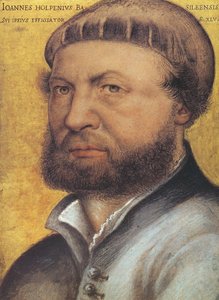
Hans Holbein el Joven
1497 - 1543 , Italia
Datos clave
- Artistas Que Influyeron:
- Hans Holbein el Viejo
- Albrecht Dürer
- Estilo Artístico: Renacimiento Nórdico
- Fecha De Muerte: 1543
- Fecha De Nacimiento: 1497
- Lugar De Nacimiento: Augsburgo, Italia
- Nacionalidad: Alemán
- Nombre Completo: Hans Holbein el Joven
- Obras Notables:
- Retrato de Enrique VIII
- El cuerpo del Cristo muerto
- Los embajadores
- Autorretrato
- Madonna del Burgomaestre Meyer
Artículos relacionados
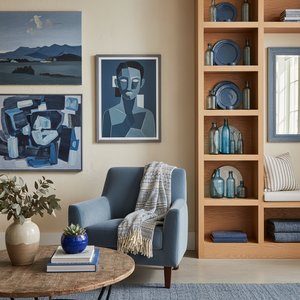
Las 10 Obras Maestras del Azul Pizarra: Arte, Historia y Decoración
Descubre las 10 pinturas más famosas dominadas por el azul pizarra. Explora la historia, técnica y belleza de Monet, Van Gogh y otros maestros. Encuentra reproducciones de arte exclusivas para decorar tu hogar en .
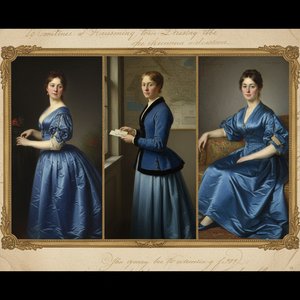
Azure Visions: Exploring Representations of the Blue Dress in Western Art History
Explore the rich history of the blue dress in Western art! Discover its symbolism, from Renaissance masterpieces to modern interpretations by artists like Martin & Schiele. Uncover cultural meanings and artistic techniques.
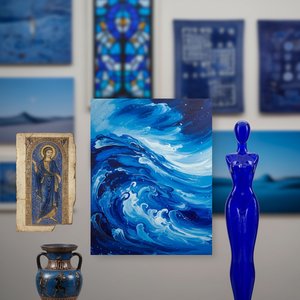
The Allure of Azure: Exploring the Symbolic & Aesthetic Depths of Blue in Art History
Explore the rich history of blue in art! Discover its symbolism, from ancient pigments to modern masterpieces by Kandinsky & Seurat. Uncover the psychological impact and cultural meanings behind this captivating hue.
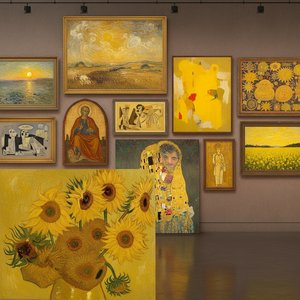
Los 10 cuadros más famosos dominados por el 'amarillo cromo': Arte y decoración
Descubre los 10 cuadros más emblemáticos dominados por el 'amarillo cromo': Van Gogh, Monet y otros maestros. Historia del arte, técnicas y decoración con lienzos impresionistas. ¡Explora la colección completa en ArtsDot.com!

The Enduring Legacy of Oil on Canvas: Technique, History & Aesthetic Impact
Explore the rich history & techniques of oil painting – from Renaissance masters to Impressionism. Discover pigments, layering methods, and why this timeless medium endures. Expert insights for artists & art enthusiasts.