 Ver en contexto
 Enviar
 Compartir
 Detalles

 Descargar
 Similares
 Radiografía
 Presentación de diapositivas
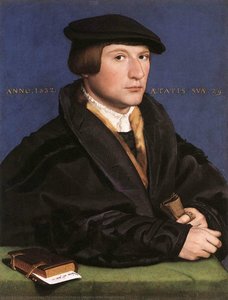
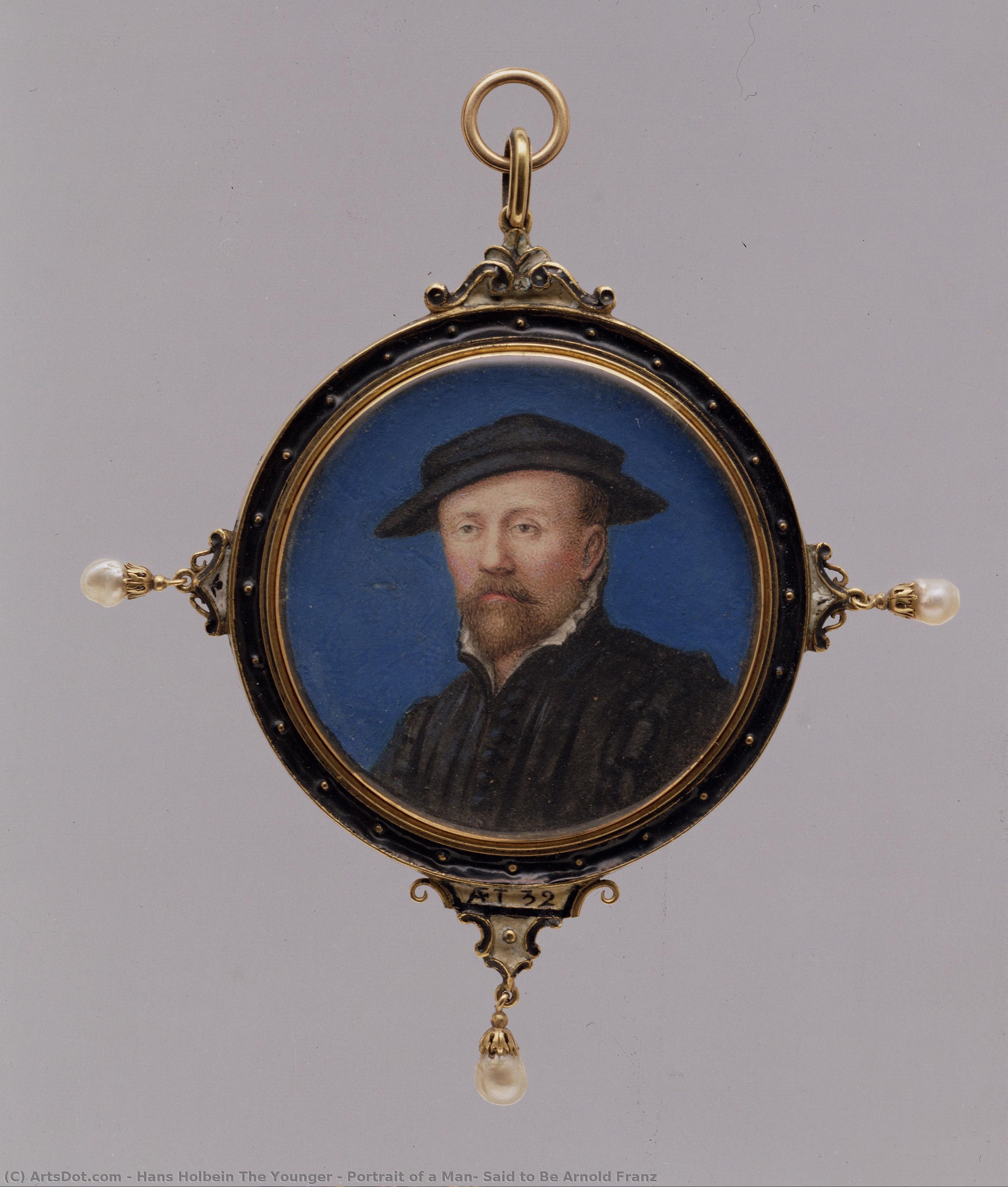
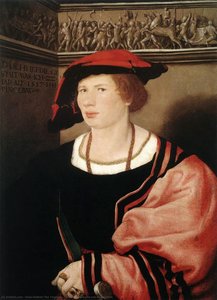
Portrait of a Man, Said to Be Arnold Franz

 Ver más
Reproducción al óleo hecha a mano
Óleo sobre lienzo pintado a mano en el tamaño y marco de su elección, realizado por encargo por nuestros artistas. ( Comprar impresión Comprar imagen)




P118B $10

P118H $10

P118W $10

P438Z $10

P508JH $12

P508YH $12

P805H $10

P805Z $10

P919BZ $10

P919G $10

P919XJ $10

P959ZH $10

P968JZ $12

W106C $8

W218G $10

W218JH $8

W218Y $10

W307PJ $10

W316G $10

W316PJ $8

W316Y $10

W398PJ $8

W4111J $10

W500HY $15

W500JH $15

W692G $12

W849H $8

W940BG $15

W953PJ $8




Elija entre nuestros tamaños predefinidos que respetan las proporciones originales de la obra.

Puede ingresar sus propias dimensiones para adaptarse a un marco o espacio específico. Si el tamaño seleccionado no coincide con las proporciones de la imagen original, recortaremos la obra o extenderemos la pintura con elementos adicionales pintados a mano. Se le enviará una maqueta digital para su aprobación antes de comenzar la producción.
Tenga en cuenta que la vista previa en pantalla no refleja el recorte o la extensión reales. Solo la maqueta mostrará con precisión la composición final.
Si bien existen tamaños personalizados, recomendamos seleccionar una dimensión de la lista predefinida para preservar las proporciones originales.
Tras realizar el pedido, el equipo de ArtsDot.com enviará un correo electrónico al cliente para solicitar instrucciones y proporcionarle una vista previa del boceto.
Envío a todo el mundo () en 3-4 semanas en lugar de las 5 semanas estándar. (6 septiembre). Sin comprometer la calidad.

Envío exprés gratuito a todo el mundo

Lienzo de lino de alta calidad

Seguro de envío total

Garantía de reembolso de impuestos aduaneros

Garantía de fidelidad cromática exacta

Política de devolución de 100 días (solo por defectos)

Garantía de devolución del 100% del dinero

Descuento por cantidad
 La opción de vidrio solo está disponible en tamaños inferiores a 110 cm.

Portrait of a Man, Said to Be Arnold Franz
Técnica de reproducción
Dimensiones de la reproducción
-


Precio total final
$ 263
A Window into Tudor Dignity: Examining Hans Holbein the Younger’s Portrait of Arnold Franz
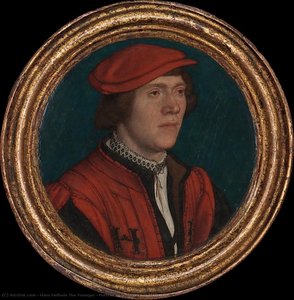
The painting “Portrait of a Man, Said to Be Arnold Franz,” attributed to Hans Holbein the Younger, stands as a testament to the meticulous artistry and psychological acuity characteristic of the Northern Renaissance. More than just a depiction of an individual's appearance, it offers a glimpse into the cultural milieu of Tudor England—a period defined by ambition, patronage, and a fervent desire for visual representation that conveyed status and intellect. The artwork’s enduring appeal lies not only in its striking realism but also in Holbein’s masterful manipulation of light and shadow to sculpt form and imbue the sitter with an aura of dignified composure.- Subject Matter & Composition: At first glance, the portrait presents a man dressed impeccably—a black hat adorned with gold trim—seated against a serene blue backdrop. Alongside him are two figures whose identities remain somewhat enigmatic, adding layers of narrative complexity to the scene. Holbein’s compositional choices deliberately guide the viewer's gaze, emphasizing the central figure while subtly incorporating supporting elements that contribute to the overall atmosphere.
- Style & Technique: Holbein’s signature style is undeniably defined by his unparalleled ability to achieve photographic accuracy—a feat accomplished through painstaking observation and meticulous layering of glazes. This technique allowed him to capture subtle nuances in skin tone, fabric texture, and facial expression with astonishing precision. The use of oil paint on panel ensured a luminous surface that brilliantly reflected light, enhancing the portrait’s visual impact.
Historical Context: Tudor England & Portraiture Traditions
The painting emerged during Henry VIII's reign—a pivotal moment in English history marked by religious upheaval and royal consolidation. Portraiture flourished during this era as a means of asserting power and demonstrating wealth. Commissioned by influential patrons like Arnold Franz, these portraits served not merely as likenesses but as symbols of social standing and intellectual accomplishment. Holbein skillfully captured the spirit of the times—the confidence and grandeur associated with Tudor nobility—reflecting the prevailing artistic sensibilities of the period.- Symbolism & Detail: Beyond mere representation, Holbein incorporated symbolic elements into the portrait that speak to broader cultural values. The gold trim on Franz’s hat signifies prestige and authority, mirroring the ambitions of the Tudor monarchs. Furthermore, Holbein's attention to detail—the folds of Franz’s clothing, the subtle expressions on his face—demonstrates a profound understanding of human psychology and elevates the portrait beyond a simple visual record.
- Emotional Impact: The painting evokes a sense of quiet dignity and contemplative introspection. Holbein’s masterful use of chiaroscuro—the dramatic interplay between light and dark—creates an illusionistic depth that draws the viewer into Franz's inner world. This technique effectively conveys not only physical appearance but also emotional state, fostering a connection between the sitter and the observer.
Legacy & Reproduction Considerations
“Portrait of a Man, Said to Be Arnold Franz” remains an iconic example of Renaissance portraiture—a masterpiece admired for its technical brilliance and artistic vision. ArtsDot.com offers high-quality reproductions that faithfully capture the essence of Holbein’s original artwork, allowing collectors and interior designers alike to experience the beauty and sophistication of Tudor England firsthand. Each reproduction is crafted with archival pigments on canvas or paper, ensuring lasting vibrancy and preserving the artist's legacy for generations to come.Obras relacionadas
Biografía del artista
vida temprana y formación
Hans Holbein el Joven, una figura destacada en la renacimiento norteño, nació en 1497 en Augsburg, Alemania. Aunque a menudo se le confunde con su padre, Hans Holbein el Viejo, un artista y grabador renombrado, la obra del joven Holbein es distinta y notable por sí misma.carrera artística
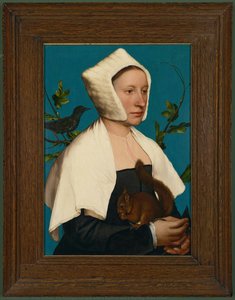
La carrera artística de Holbein el Joven comenzó bajo la tutela de su padre. Posteriormente viajó a Inglaterra, donde se convirtió en pintor de corte para el rey Enrique VIII. Esta posición le permitió capturar la esencia de la familia real y la aristocracia inglesa emergente. Su obra se caracteriza por:- realismo excepcional: los retratos de Holbein son celebrados por su calidad realista, como se ve en Retrato de una dama desconocida (renacimiento norteño).
- composición innovadora: su uso de la composición es evidente en Sir William Butts (37 x 46 cm, renacimiento norteño, óleo sobre tabla).
- estudio para el retrato familiar de Tomás Moro (38 x 52 cm, renacimiento norteño) muestra su habilidad para capturar la esencia de una familia.
obras notables y legado
La obra de Holbein el Joven se encuentra en varios museos, incluido el Museos Estatales de Berlín (Alemania, donde su Señor desconocido con libros de música y laúd (óleo sobre tabla) está en exhibición. Su influencia en el renacimiento norteño es innegable, y su obra continúa inspirando a los artistas hasta el día de hoy. Holbein el Joven falleció en 1543, pero su legado perdura a través de sus cautivadores retratos y estudios detallados. ver más obras de Hans Holbein el Joven en ArtsDot.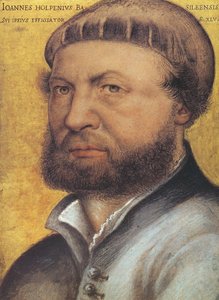
Hans Holbein el Joven
1497 - 1543 , Italia
Datos clave
- Artistas Que Influyeron:
- Hans Holbein el Viejo
- Albrecht Dürer
- Estilo Artístico: Renacimiento Nórdico
- Fecha De Muerte: 1543
- Fecha De Nacimiento: 1497
- Lugar De Nacimiento: Augsburgo, Italia
- Nacionalidad: Alemán
- Nombre Completo: Hans Holbein el Joven
- Obras Notables:
- Retrato de Enrique VIII
- El cuerpo del Cristo muerto
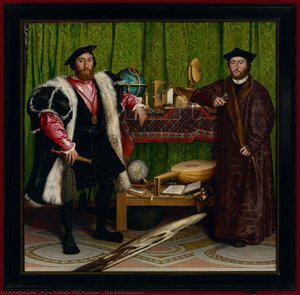
- Los embajadores
- Autorretrato
- Madonna del Burgomaestre Meyer
Artículos relacionados
Las 10 Obras Maestras del Azul Pizarra: Arte, Historia y Decoración
Descubre las 10 pinturas más famosas dominadas por el azul pizarra. Explora la historia, técnica y belleza de Monet, Van Gogh y otros maestros. Encuentra reproducciones de arte exclusivas para decorar tu hogar en .

Serene Blue Backgrounds: Discover Soulful Art to Transform Your Space with Timeless Elegance
Transform your home with soulful blue art. From serene Monet impressions to modern textured sculptures, discover curated masterpieces designed to inspire calm. Explore expert art consultations and bespoke hand-painted reproductions to create your personal sanctuary.
Expresionismo Alemán: 10 Obras Maestras que Transformaron el Arte | ArtsDot
Descubre las 10 obras maestras del Expresionismo Alemán: Kirchner, Munch y más. Explora la historia, técnica y emoción detrás de estos lienzos icónicos. Reproducciones de arte de museo en ArtsDot.com. ¡Inspira tu hogar con arte!
The Allure of Azure: Exploring the Symbolic & Aesthetic Depths of Blue in Art History
Explore the rich history of blue in art! Discover its symbolism, from ancient pigments to modern masterpieces by Kandinsky & Seurat. Uncover the psychological impact and cultural meanings behind this captivating hue.
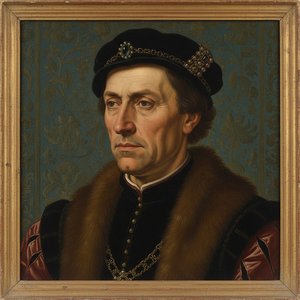
Hans Holbein the Younger: A Renaissance Portraitist's Mastery of Realism & Psychological Insight
Explore the life & art of Hans Holbein the Younger, a Renaissance master renowned for his strikingly realistic portraits and psychological insight. Discover iconic works like 'The Ambassadors' and delve into his lasting legacy.

![Retrato Doble de Jean de Dinteville y Georges de Selve (también conocido como Los Embajadores) [detalle]](/media/artworks/images-thumb/bb/ab/bbab7ce77b7dd15d23d21114a63b51a4.jpg)