 Ver en contexto
 Enviar
 Compartir
 Detalles

 Descargar
 Similares
 Radiografía
 Presentación de diapositivas
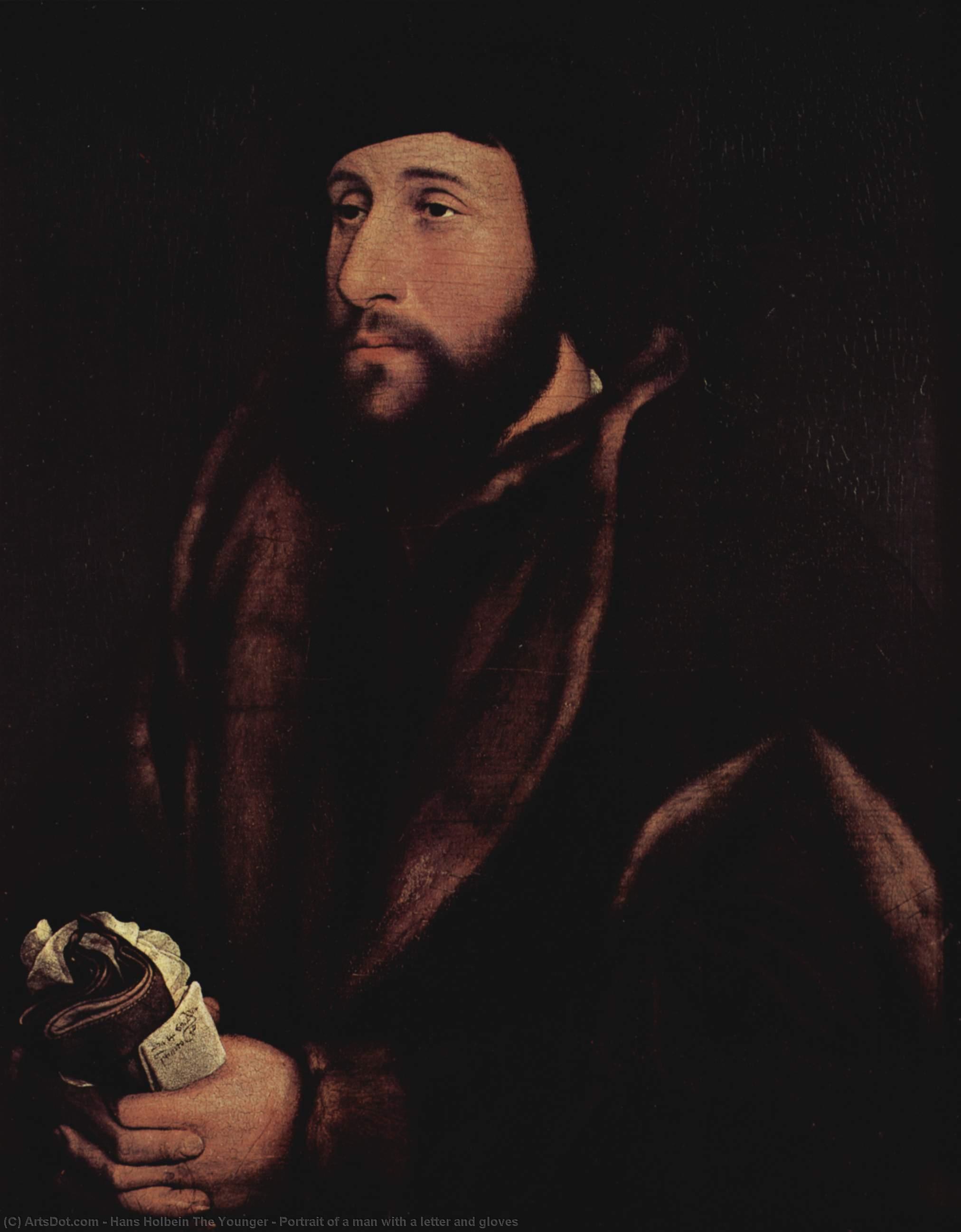
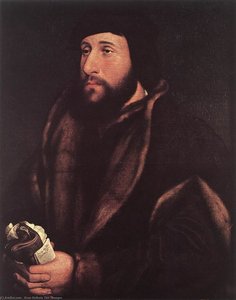
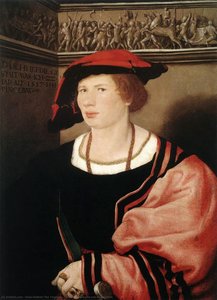
Portrait of a man with a letter and gloves
 Oil On Panel
- WallArt
- Northern Renaissance
 1540
1540- Renaissance
 32.0 x 25.0 cm
 Ver más
Reproducción al óleo hecha a mano
Óleo sobre lienzo pintado a mano en el tamaño y marco de su elección, realizado por encargo por nuestros artistas. ( Comprar impresión Comprar imagen)




P118B $10

P118H $10

P118W $10

P438Z $10

P508JH $12

P508YH $12

P805H $10

P805Z $10

P919BZ $10

P919G $10

P919XJ $10

P959ZH $10

P968JZ $12

W106C $8

W218G $10

W218JH $8

W218Y $10

W307PJ $10

W316G $10

W316PJ $8

W316Y $10

W398PJ $8

W4111J $10

W500HY $15

W500JH $15

W692G $12

W849H $8

W940BG $15

W953PJ $8




Elija entre nuestros tamaños predefinidos que respetan las proporciones originales de la obra.

Puede ingresar sus propias dimensiones para adaptarse a un marco o espacio específico. Si el tamaño seleccionado no coincide con las proporciones de la imagen original, recortaremos la obra o extenderemos la pintura con elementos adicionales pintados a mano. Se le enviará una maqueta digital para su aprobación antes de comenzar la producción.
Tenga en cuenta que la vista previa en pantalla no refleja el recorte o la extensión reales. Solo la maqueta mostrará con precisión la composición final.
Si bien existen tamaños personalizados, recomendamos seleccionar una dimensión de la lista predefinida para preservar las proporciones originales.
Tras realizar el pedido, el equipo de ArtsDot.com enviará un correo electrónico al cliente para solicitar instrucciones y proporcionarle una vista previa del boceto.
Envío a todo el mundo () en 3-4 semanas en lugar de las 5 semanas estándar. (4 septiembre). Sin comprometer la calidad.

Envío exprés gratuito a todo el mundo

Lienzo de lino de alta calidad

Seguro de envío total

Garantía de reembolso de impuestos aduaneros

Garantía de fidelidad cromática exacta

Política de devolución de 60 días (solo por defectos)

Garantía de devolución del 100% del dinero

Descuento por cantidad
 La opción de vidrio solo está disponible en tamaños inferiores a 110 cm.

Portrait of a man with a letter and gloves
Técnica de reproducción
Dimensiones de la reproducción
-


Precio total final
$ 263
A Glimpse into the Soul: The Quiet Intensity of Holbein’s Masterpiece
In the hushed corridors of art history, few works possess the arresting, quiet power of Hans Holbein the Younger’s "Portrait of a Man with a Letter and Gloves." Created around 1540, this exquisite oil on panel does not merely present a face to the viewer; it invites us into a moment of profound, suspended animation. The subject, a man of unmistakable distinction, stands against a somber, dark background that pushes his presence toward the foreground, demanding an intimate encounter. There is an undeniable weight to the atmosphere—a sense of gravity and perhaps even a trace of unspoken anxiety that lingers in the way he clutches the letter to his chest. As we gaze upon him, we are not just observing a historical figure; we are witnessing the very essence of Northern Renaissance humanism, where the boundary between the physical likeness and the psychological truth begins to dissolve.
The brilliance of Holbein lies in his surgical precision, a technique that elevates the painting from a mere portrait to a masterclass in texture and light. Every element of the man's attire is rendered with such breathtaking realism that one can almost feel the heavy, luxurious weight of his fur-lined brown robe. The way the light catches the subtle folds of the fabric and the soft sheen of the leather gloves speaks to Holbein’s unparalleled ability to manipulate oil paint on wood. This meticulous attention to detail—the fine strands of his beard, the weathered texture of his skin, and the crisp edges of the parchment—servates a higher purpose: it grounds the subject in a tangible reality, making his internal contemplation feel all the more visceral and immediate to the modern observer.
Symbolism and the Language of Status
Beyond the technical virtuosity, the painting is a rich tapestry of symbolic meaning, designed to communicate the social standing and intellectual character of its sitter. In the sixteenth century, objects were never merely decorative; they were carefully chosen signifiers of identity. The gloves held by the man are potent symbols of refinement and high social status, suggesting a person of leisure and importance who moves within the upper echelons of society. Similarly, the letter serves as a profound narrative device. It introduces an element of intrigue and movement into an otherwise still composition; it suggests a life connected to the wider world through correspondence, diplomacy, or perhaps even secret intelligence. The way he holds this letter close to his heart hints at a private narrative—a message that could change the course of his destiny.
For the discerning collector or interior designer, this artwork offers much more than aesthetic beauty; it provides a focal point of intellectual depth. The interplay between the man's dignified posture and the mysterious contents of the letter creates a tension that keeps the eye moving, searching for answers within the brushstrokes. It is a piece that rewards prolonged study, offering new layers of meaning with every glance. Whether placed in a grand library, a sophisticated study, or a contemporary living space, a high-quality reproduction of this Holbein masterpiece brings with it an aura of timelessness and scholarly elegance, transforming any room into a sanctuary of culture and contemplation.
Obras relacionadas
![Dama Escribiendo Una Carta Con Su Ama [c. 1670] — Johannes Vermeer, Edad De Oro Neerlandesa](/media/artworks/images-thumb/87/c4/87c403dd3765a49358a8a608ecf1b2ee.jpg)
Biografía del artista
vida temprana y formación
Hans Holbein el Joven, una figura destacada en la renacimiento norteño, nació en 1497 en Augsburg, Alemania. Aunque a menudo se le confunde con su padre, Hans Holbein el Viejo, un artista y grabador renombrado, la obra del joven Holbein es distinta y notable por sí misma.carrera artística
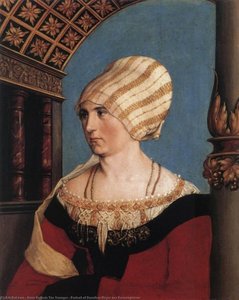
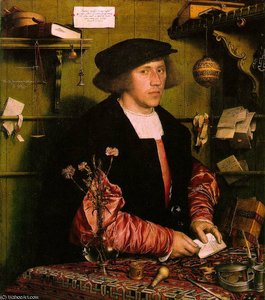
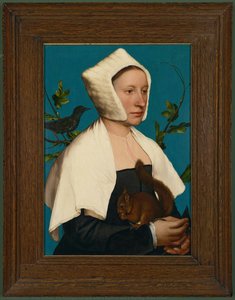
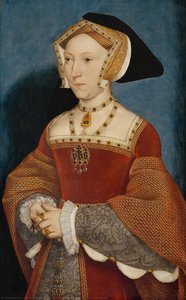
La carrera artística de Holbein el Joven comenzó bajo la tutela de su padre. Posteriormente viajó a Inglaterra, donde se convirtió en pintor de corte para el rey Enrique VIII. Esta posición le permitió capturar la esencia de la familia real y la aristocracia inglesa emergente. Su obra se caracteriza por:- realismo excepcional: los retratos de Holbein son celebrados por su calidad realista, como se ve en Retrato de una dama desconocida (renacimiento norteño).
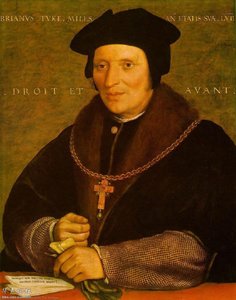
- composición innovadora: su uso de la composición es evidente en Sir William Butts (37 x 46 cm, renacimiento norteño, óleo sobre tabla).
- estudio para el retrato familiar de Tomás Moro (38 x 52 cm, renacimiento norteño) muestra su habilidad para capturar la esencia de una familia.
obras notables y legado
La obra de Holbein el Joven se encuentra en varios museos, incluido el Museos Estatales de Berlín (Alemania, donde su Señor desconocido con libros de música y laúd (óleo sobre tabla) está en exhibición. Su influencia en el renacimiento norteño es innegable, y su obra continúa inspirando a los artistas hasta el día de hoy. Holbein el Joven falleció en 1543, pero su legado perdura a través de sus cautivadores retratos y estudios detallados. ver más obras de Hans Holbein el Joven en ArtsDot.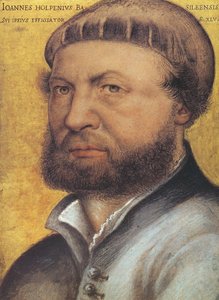
Hans Holbein el Joven
1497 - 1543 , Italia
Datos clave
- Artistas Que Influyeron:
- Hans Holbein el Viejo
- Albrecht Dürer
- Estilo Artístico: Renacimiento Nórdico
- Fecha De Muerte: 1543
- Fecha De Nacimiento: 1497
- Lugar De Nacimiento: Augsburgo, Italia
- Nacionalidad: Alemán
- Nombre Completo: Hans Holbein el Joven
- Obras Notables:
- Retrato de Enrique VIII
- El cuerpo del Cristo muerto
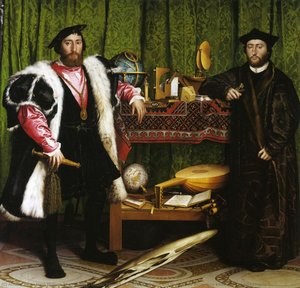
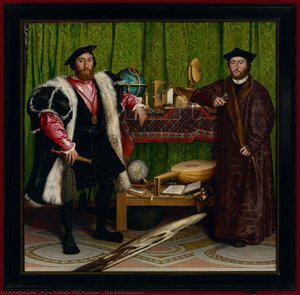
- Los embajadores
- Autorretrato
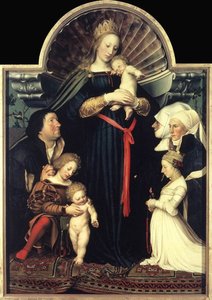
- Madonna del Burgomaestre Meyer
Artículos relacionados
Hans Holbein the Younger: A Renaissance Portraitist's Mastery of Realism & Psychological Insight
Explore the life & art of Hans Holbein the Younger, a Renaissance master renowned for his strikingly realistic portraits and psychological insight. Discover iconic works like 'The Ambassadors' and delve into his lasting legacy.
Expresionismo Alemán: 10 Obras Maestras que Transformaron el Arte | ArtsDot
Descubre las 10 obras maestras del Expresionismo Alemán: Kirchner, Munch y más. Explora la historia, técnica y emoción detrás de estos lienzos icónicos. Reproducciones de arte de museo en ArtsDot.com. ¡Inspira tu hogar con arte!
Pinturas Famosas en Tonos Grises Oscuros: Maestría y Elegancia para tu Hogar
Descubre 10 pinturas famosas dominadas por tonos grises oscuros. Explora la historia, el arte y las emociones detrás de obras maestras del impresionismo, expresionismo y más. Encuentra reproducciones de alta calidad en .
Anton von Werner: Imperial Painter, Historical Witness & Shifting German Identity
Explore the life & work of Anton von Werner, Imperial Germany's leading painter. Discover his dramatic depictions of war, unification, and court life – a fascinating insight into 19th-century German history & art.
The Northern Awakening: Artistic Innovation & Cultural Transformation in the German Renaissance
Explore the artistic innovation of the German Renaissance! Discover Dürer, the Danube School & Reformation art. Learn about techniques, materials & lasting influence. Find museum-quality reproductions at ArtsDot.

![Retrato Doble de Jean de Dinteville y Georges de Selve (también conocido como Los Embajadores) [detalle]](/media/artworks/images-thumb/bb/ab/bbab7ce77b7dd15d23d21114a63b51a4.jpg)