 Ver en contexto
 Enviar
 Compartir
 Detalles

 Descargar
 Similares
 Radiografía
 Presentación de diapositivas
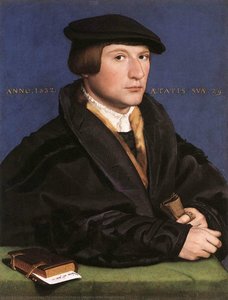
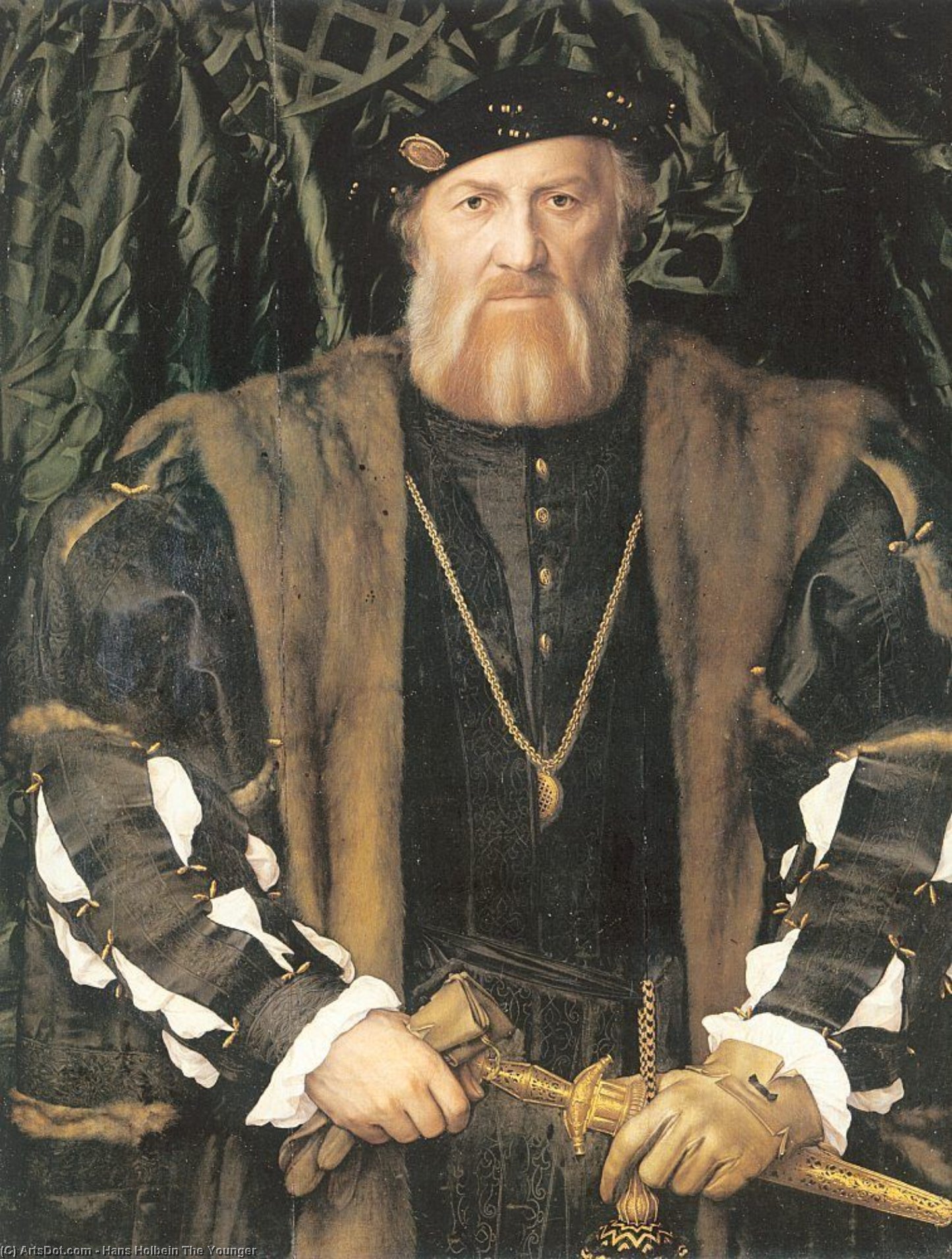
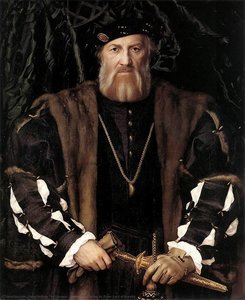
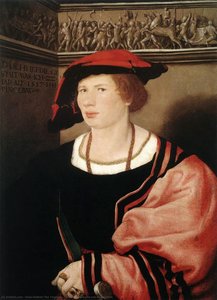
Portrait of Charles de Solier, Lord of Morette

 Ver más
Reproducción al óleo hecha a mano
Óleo sobre lienzo pintado a mano en el tamaño y marco de su elección, realizado por encargo por nuestros artistas. ( Comprar impresión Comprar imagen)




P118B $10

P118H $10

P118W $10

P438Z $10

P508JH $12

P508YH $12

P805H $10

P805Z $10

P919BZ $10

P919G $10

P919XJ $10

P959ZH $10

P968JZ $12

W106C $8

W218G $10

W218JH $8

W218Y $10

W307PJ $10

W316G $10

W316PJ $8

W316Y $10

W398PJ $8

W4111J $10

W500HY $15

W500JH $15

W692G $12

W849H $8

W940BG $15

W953PJ $8




Elija entre nuestros tamaños predefinidos que respetan las proporciones originales de la obra.

Puede ingresar sus propias dimensiones para adaptarse a un marco o espacio específico. Si el tamaño seleccionado no coincide con las proporciones de la imagen original, recortaremos la obra o extenderemos la pintura con elementos adicionales pintados a mano. Se le enviará una maqueta digital para su aprobación antes de comenzar la producción.
Tenga en cuenta que la vista previa en pantalla no refleja el recorte o la extensión reales. Solo la maqueta mostrará con precisión la composición final.
Si bien existen tamaños personalizados, recomendamos seleccionar una dimensión de la lista predefinida para preservar las proporciones originales.
Tras realizar el pedido, el equipo de ArtsDot.com enviará un correo electrónico al cliente para solicitar instrucciones y proporcionarle una vista previa del boceto.
Envío a todo el mundo () en 3-4 semanas en lugar de las 5 semanas estándar. (5 septiembre). Sin comprometer la calidad.

Envío exprés gratuito a todo el mundo

Lienzo de lino de alta calidad

Seguro de envío total

Garantía de reembolso de impuestos aduaneros

Garantía de fidelidad cromática exacta

Política de devolución de 60 días (solo por defectos)

Garantía de devolución del 100% del dinero

Descuento por cantidad
 La opción de vidrio solo está disponible en tamaños inferiores a 110 cm.

Portrait of Charles de Solier, Lord of Morette
Técnica de reproducción
Dimensiones de la reproducción
-


Precio total final
$ 263
A Regal Portrait of Power: Hans Holbein the Younger’s *Portrait of Charles de Solier, Lord of Morette*
Hans Holbein the Younger's 1530s depiction of Charles de Solier, Lord of Morette, stands as a quintessential example of the Northern Renaissance master’s unparalleled ability to capture not just physical likeness but also the very essence of his subject. This meticulously rendered portrait, likely created during de Solier’s tenure in England – a period marked by significant political and artistic exchange – offers a compelling glimpse into the world of a noble lord, steeped in power and adorned with symbols of authority. The painting's strength lies not merely in its technical brilliance but also in its ability to evoke a sense of timeless dignity and restrained grandeur.
Technical Mastery and Holbein’s Signature Style
- Oil on Panel: Executed with the precision characteristic of Holbein's work, the portrait utilizes oil paints on a wooden panel, allowing for layering and subtle gradations of tone – a crucial element in achieving the remarkable realism that defines his style.
- Detailed Rendering: The artist’s obsessive attention to detail is immediately apparent in the rendering of de Solier’s clothing, from the intricate folds of his velvet surcoat to the gleaming surfaces of the two swords he confidently holds. This level of detail was revolutionary for its time and reflects Holbein's dedication to scientific observation.
- Chiaroscuro: Holbein masterfully employs *chiaroscuro* – the dramatic use of light and shadow – to sculpt de Solier’s form, emphasizing his musculature and creating a sense of three-dimensionality that draws the viewer into the scene.
Symbolism and Context within Tudor England
The portrait is firmly rooted in the context of Tudor England, a period of immense political and social change under Henry VIII. De Solier’s attire – a long-sleeved surcoat, indicative of noble rank – speaks to his status within the English court. The swords he holds are not merely weapons; they represent power, justice, and military prowess—essential attributes for a lord during this era. The inclusion of greenery in the background subtly alludes to fertility and prosperity, common themes in Renaissance portraiture.
A Window into a Master’s Mind
Beyond its aesthetic qualities, *Portrait of Charles de Solier, Lord of Morette* offers a valuable insight into the mind of one of the most influential artists of the Northern Renaissance. Holbein's portraits were not simply representations; they were carefully constructed narratives designed to convey information about his subjects’ status, personality, and achievements. This work exemplifies his ability to transform a single individual into an enduring symbol of power and refinement – a testament to his genius that continues to captivate viewers centuries later.
Obras relacionadas
Biografía del artista
vida temprana y formación
Hans Holbein el Joven, una figura destacada en la renacimiento norteño, nació en 1497 en Augsburg, Alemania. Aunque a menudo se le confunde con su padre, Hans Holbein el Viejo, un artista y grabador renombrado, la obra del joven Holbein es distinta y notable por sí misma.carrera artística
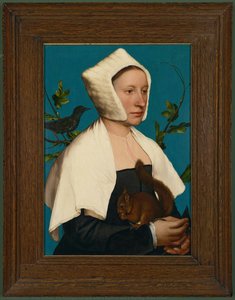
La carrera artística de Holbein el Joven comenzó bajo la tutela de su padre. Posteriormente viajó a Inglaterra, donde se convirtió en pintor de corte para el rey Enrique VIII. Esta posición le permitió capturar la esencia de la familia real y la aristocracia inglesa emergente. Su obra se caracteriza por:- realismo excepcional: los retratos de Holbein son celebrados por su calidad realista, como se ve en Retrato de una dama desconocida (renacimiento norteño).
- composición innovadora: su uso de la composición es evidente en Sir William Butts (37 x 46 cm, renacimiento norteño, óleo sobre tabla).
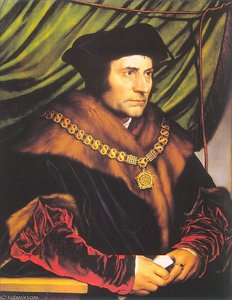
- estudio para el retrato familiar de Tomás Moro (38 x 52 cm, renacimiento norteño) muestra su habilidad para capturar la esencia de una familia.
obras notables y legado
La obra de Holbein el Joven se encuentra en varios museos, incluido el Museos Estatales de Berlín (Alemania, donde su Señor desconocido con libros de música y laúd (óleo sobre tabla) está en exhibición. Su influencia en el renacimiento norteño es innegable, y su obra continúa inspirando a los artistas hasta el día de hoy. Holbein el Joven falleció en 1543, pero su legado perdura a través de sus cautivadores retratos y estudios detallados. ver más obras de Hans Holbein el Joven en ArtsDot.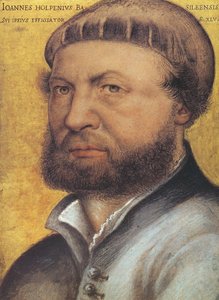
Hans Holbein el Joven
1497 - 1543 , Italia
Datos clave
- Artistas Que Influyeron:
- Hans Holbein el Viejo
- Albrecht Dürer
- Estilo Artístico: Renacimiento Nórdico
- Fecha De Muerte: 1543
- Fecha De Nacimiento: 1497
- Lugar De Nacimiento: Augsburgo, Italia
- Nacionalidad: Alemán
- Nombre Completo: Hans Holbein el Joven
- Obras Notables:
- Retrato de Enrique VIII
- El cuerpo del Cristo muerto
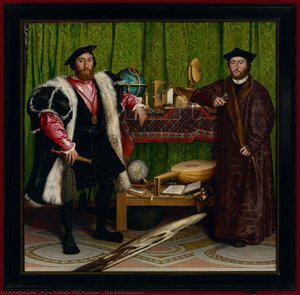
- Los embajadores
- Autorretrato
- Madonna del Burgomaestre Meyer
Artículos relacionados

Goya: Las 25 Obras Maestras del Genio Español | Reproducciones de Arte en ArtsDot
Descubre las 25 obras maestras de Goya, el genio español. Explora retratos icónicos, 'Los Caprichos' y 'Las Pinturas Negras'. Reproducciones de arte en lienzo de alta calidad para decorar tu hogar con estilo. ¡Encuentra tu obra favorita en ArtsDot.com!

Giclée Prints: Archival Quality & Aesthetic Nuances for the Discerning Collector
Explore the world of giclée prints with ArtsDot. Learn about archival quality, aesthetic nuances & investment potential. Expert guidance for discerning art collectors seeking museum-quality reproductions and lasting value.

Acerca de nosotros
Descubre nuestra historia! Llevamos el arte de clase mundial a tu vida gracias a una selección experta, creaciones personalizadas y vistas previas gratuitas. Aprobado por particulares y empresas desde el año 2000.

Echoes of Time: Exploring the Enduring Appeal & Historical Context of Vintage Art Prints
Explore the captivating world of vintage art prints! Discover their history, collecting tips & enduring appeal. Expert insights on chromolithography and building a legacy collection with ArtsDot.

The Enduring Legacy of Fine Art Prints: Technique, History & Aesthetic Impact
Explore the rich history & techniques of fine art prints. Discover investment potential, assess authenticity, and learn how to preserve your collection with expert guidance. Trusted insights for discerning collectors.

![Retrato Doble de Jean de Dinteville y Georges de Selve (también conocido como Los Embajadores) [detalle]](/media/artworks/images-thumb/bb/ab/bbab7ce77b7dd15d23d21114a63b51a4.jpg)