 Ver en contexto
 Enviar
 Compartir
 Detalles

 Descargar
 Similares
 Radiografía
 Presentación de diapositivas
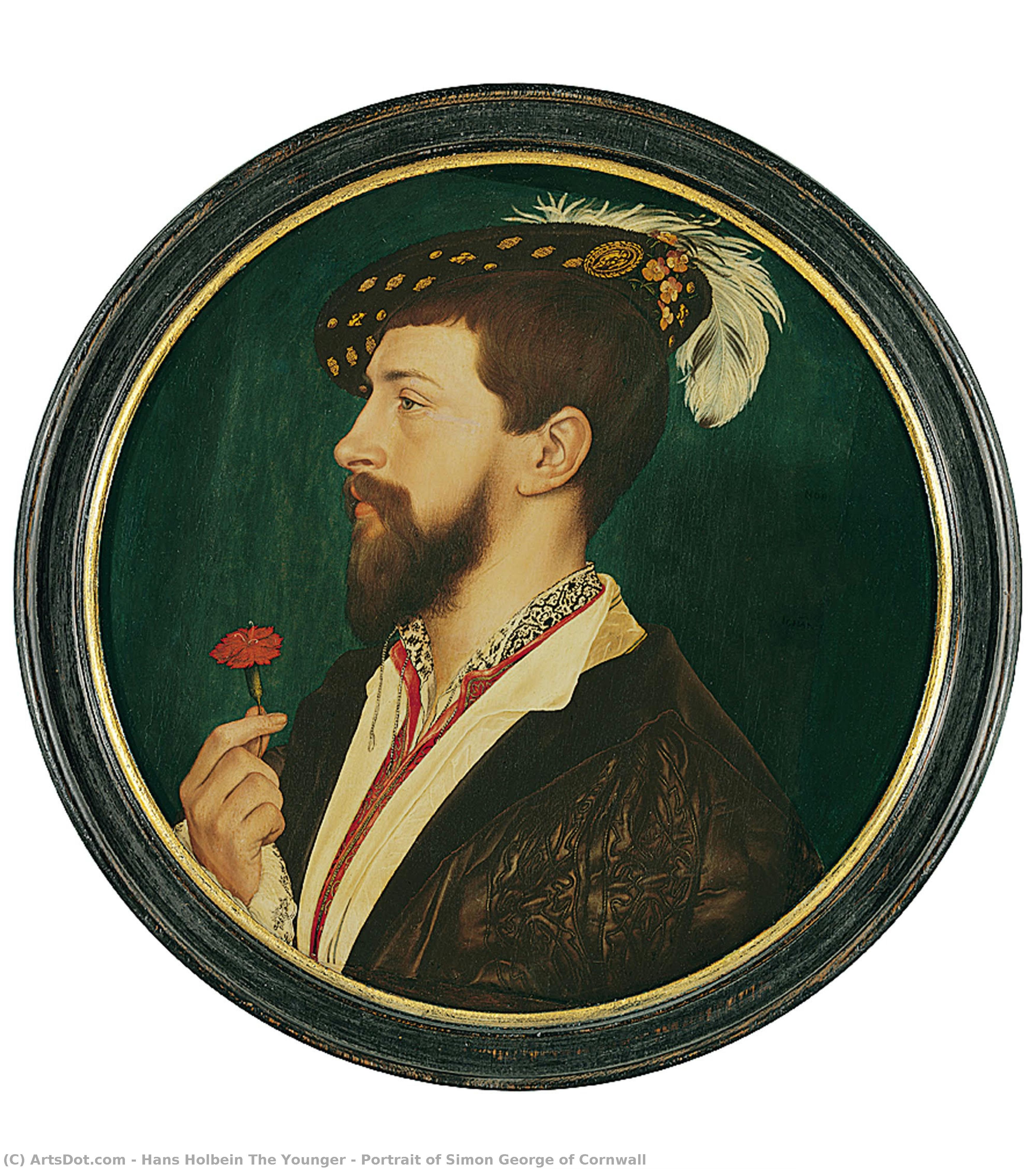
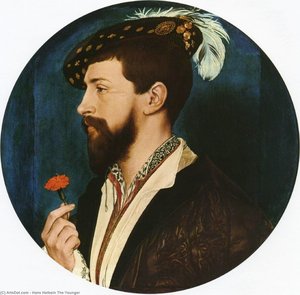
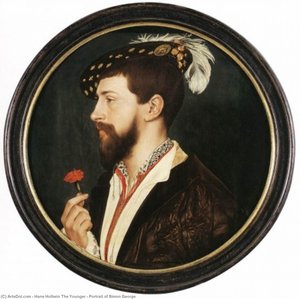
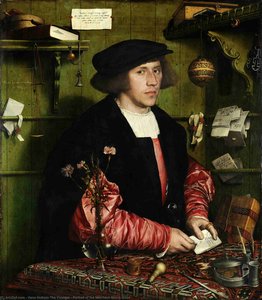
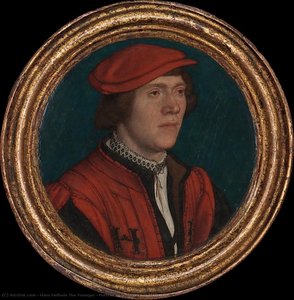
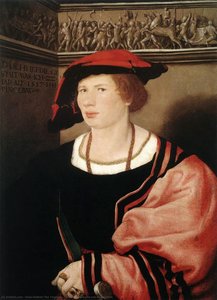
Portrait of Simon George of Cornwall
 Acrílico sobre lienzo
- Arte de pared
- Northern Renaissance
 1540
1540- Renacimiento
 31.0 x 31.0 cm
 Städel Museum
 Ver más
Reproducción al óleo hecha a mano
Óleo sobre lienzo pintado a mano en el tamaño y marco de su elección, realizado por encargo por nuestros artistas. ( Comprar impresión Comprar imagen)




P118B $10

P118H $10

P118W $10

P438Z $10

P508JH $12

P508YH $12

P805H $10

P805Z $10

P919BZ $10

P919G $10

P919XJ $10

P959ZH $10

P968JZ $12

W106C $8

W218G $10

W218JH $8

W218Y $10

W307PJ $10

W316G $10

W316PJ $8

W316Y $10

W398PJ $8

W4111J $10

W500HY $15

W500JH $15

W692G $12

W849H $8

W940BG $15

W953PJ $8




Elija entre nuestros tamaños predefinidos que respetan las proporciones originales de la obra.

Puede ingresar sus propias dimensiones para adaptarse a un marco o espacio específico. Si el tamaño seleccionado no coincide con las proporciones de la imagen original, recortaremos la obra o extenderemos la pintura con elementos adicionales pintados a mano. Se le enviará una maqueta digital para su aprobación antes de comenzar la producción.
Tenga en cuenta que la vista previa en pantalla no refleja el recorte o la extensión reales. Solo la maqueta mostrará con precisión la composición final.
Si bien existen tamaños personalizados, recomendamos seleccionar una dimensión de la lista predefinida para preservar las proporciones originales.
Tras realizar el pedido, el equipo de ArtsDot.com enviará un correo electrónico al cliente para solicitar instrucciones y proporcionarle una vista previa del boceto.
Envío a todo el mundo () en 3-4 semanas en lugar de las 5 semanas estándar. (29 agosto). Sin comprometer la calidad.

Envío exprés gratuito a todo el mundo

Lienzo de lino de alta calidad

Seguro de envío total

Garantía de reembolso de impuestos aduaneros

Garantía de fidelidad cromática exacta

Política de devolución de 60 días (solo por defectos)

Garantía de devolución del 100% del dinero

Descuento por cantidad
 La opción de vidrio solo está disponible en tamaños inferiores a 110 cm.

Portrait of Simon George of Cornwall
Técnica de reproducción
Dimensiones de la reproducción
-


Precio total final
$ 263
Portrait of Simon George of Cornwall: A Tudor Masterpiece Illuminated by Holbein’s Genius
The Portrait of Simon George of Cornwall, executed in 1540 by Hans Holbein the Younger, stands as a testament to the artist's unparalleled skill in capturing both likeness and psychological nuance—a hallmark of Northern Renaissance portraiture. Currently residing within the esteemed Städel Museum in Frankfurt, Germany, this painting transcends mere representation; it’s an immersive glimpse into the opulent world of Tudor England and a profound meditation on status, admiration, and the subtle beauty of nature.The Artist: Hans Holbein the Younger – A Renaissance Innovator
Hans Holbein the Younger (1497-1543) wasn't simply a painter; he was an architect of visual perception. Born in Augsburg, Germany, his formative years were spent honing his craft within his father’s workshop, absorbing the meticulous observation and technical mastery that would define his artistic legacy. Unlike many of his contemporaries who favored idealized depictions, Holbein relentlessly pursued realism—a daring choice that cemented his reputation as one of the foremost portraitists of his era. His prolific output encompassed religious commissions alongside secular portraits for royalty and nobility, reflecting a remarkable versatility and demonstrating an unwavering commitment to capturing the human spirit with breathtaking accuracy.A Study in Detail: Technique and Composition
Measuring 31 x 31 cm on wood—a favored medium for Holbein’s oeuvre—the portrait is dominated by masterful use of chiaroscuro, employing dramatic contrasts between light and shadow to sculpt Simon George's face and clothing with astonishing precision. Holbein meticulously rendered every wrinkle, pore, and strand of hair, achieving a level of detail that would inspire admiration for centuries. The artist skillfully positioned the subject against a muted background—a deliberate choice designed to draw all attention to George’s gaze and his hand delicately holding a crimson rose. This symbolic gesture speaks volumes about the sitter's character: it embodies affection, appreciation for beauty, and perhaps even a hint of vulnerability.Historical Context – The Tudor Court and Artistic Patronage
The Städel Museum’s acquisition of this portrait underscores its significance within the broader context of Tudor England—a period marked by political intrigue, religious upheaval, and burgeoning artistic patronage. Henry VIII commissioned Holbein to depict prominent figures like George, demonstrating the royal fascination with elevating art as a tool for propaganda and prestige. Holbein's work served not only to commemorate individuals but also to solidify their position within the hierarchy of power—a crucial function in shaping the visual narrative of the time.Symbolism Beyond Appearance: The Rose’s Significance
The inclusion of the rose is more than just a decorative element; it operates on multiple symbolic levels. Traditionally associated with love, beauty, and remembrance, its placement in George's hand elevates the portrait beyond mere likeness—suggesting an inner life rich in emotion and contemplation. Holbein’s artistic genius lies not only in his technical prowess but also in his ability to infuse his paintings with layers of meaning that continue to resonate with viewers today. This Portrait of Simon George of Cornwall remains a captivating emblem of Renaissance artistry and Tudor grandeur.Obras relacionadas

Biografía del artista
vida temprana y formación
Hans Holbein el Joven, una figura destacada en la renacimiento norteño, nació en 1497 en Augsburg, Alemania. Aunque a menudo se le confunde con su padre, Hans Holbein el Viejo, un artista y grabador renombrado, la obra del joven Holbein es distinta y notable por sí misma.carrera artística
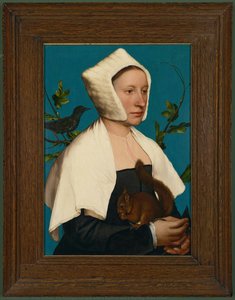
La carrera artística de Holbein el Joven comenzó bajo la tutela de su padre. Posteriormente viajó a Inglaterra, donde se convirtió en pintor de corte para el rey Enrique VIII. Esta posición le permitió capturar la esencia de la familia real y la aristocracia inglesa emergente. Su obra se caracteriza por:- realismo excepcional: los retratos de Holbein son celebrados por su calidad realista, como se ve en Retrato de una dama desconocida (renacimiento norteño).
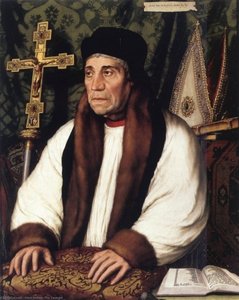
- composición innovadora: su uso de la composición es evidente en Sir William Butts (37 x 46 cm, renacimiento norteño, óleo sobre tabla).
- estudio para el retrato familiar de Tomás Moro (38 x 52 cm, renacimiento norteño) muestra su habilidad para capturar la esencia de una familia.
obras notables y legado
La obra de Holbein el Joven se encuentra en varios museos, incluido el Museos Estatales de Berlín (Alemania, donde su Señor desconocido con libros de música y laúd (óleo sobre tabla) está en exhibición. Su influencia en el renacimiento norteño es innegable, y su obra continúa inspirando a los artistas hasta el día de hoy. Holbein el Joven falleció en 1543, pero su legado perdura a través de sus cautivadores retratos y estudios detallados. ver más obras de Hans Holbein el Joven en ArtsDot.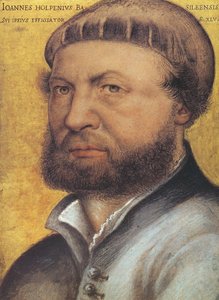
Hans Holbein el Joven
1497 - 1543 , Italia
Datos clave
- Artistas Que Influyeron:
- Hans Holbein el Viejo
- Albrecht Dürer
- Estilo Artístico: Renacimiento Nórdico
- Fecha De Muerte: 1543
- Fecha De Nacimiento: 1497
- Lugar De Nacimiento: Augsburgo, Italia
- Nacionalidad: Alemán
- Nombre Completo: Hans Holbein el Joven
- Obras Notables:
- Retrato de Enrique VIII
- El cuerpo del Cristo muerto
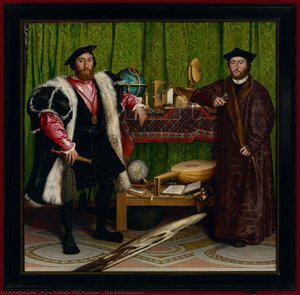
- Los embajadores
- Autorretrato
- Madonna del Burgomaestre Meyer
Artículos relacionados

Georges Braque: Las 25 Obras Maestras del Cubismo y su Legado en el Arte Moderno
Descubre las 25 obras maestras de Georges Braque, pionero del cubismo. Explora su innovadora técnica, colores y el legado del arte moderno francés. Reproducciones de alta calidad en ArtsDot.com. ¡Encuentra tu inspiración!

Georges Seurat: Las 25 Obras Maestras del Pionero Puntillista | ArtsDot
Descubre las 25 obras maestras de Georges Seurat, el innovador del puntillismo. Explora su técnica única, colores vibrantes y legado artístico en ArtsDot.com. Reproducciones de arte de museo para tu hogar.
Hans Holbein the Younger: A Renaissance Portraitist's Mastery of Realism & Psychological Insight
Explore the life & art of Hans Holbein the Younger, a Renaissance master renowned for his strikingly realistic portraits and psychological insight. Discover iconic works like 'The Ambassadors' and delve into his lasting legacy.
Renacimiento Nórdico: 10 Obras Maestras que Transformaron el Arte |
Descubre 10 obras maestras del Renacimiento Nórdico: Jan van Eyck, Durero y más. Explora la historia, el simbolismo y las técnicas de estos icónicos pintores. Encuentra reproducciones de arte exclusivas en .
El Renacimiento Septentrional: Florecimiento del Realismo y la Innovación Artística
Descubre el Renacimiento Septentrional y la maestría de los Primitivos Flamencos. Explora sus técnicas innovadoras, simbolismo oculto y obras icónicas con ArtsDot.
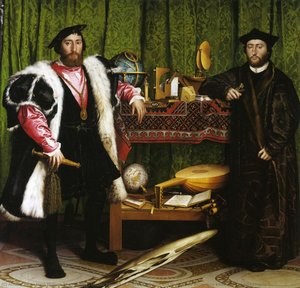
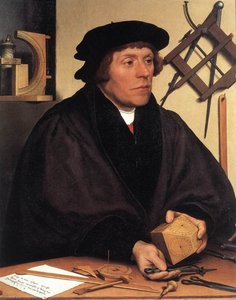

![Retrato Doble de Jean de Dinteville y Georges de Selve (también conocido como Los Embajadores) [detalle]](/media/artworks/images-thumb/bb/ab/bbab7ce77b7dd15d23d21114a63b51a4.jpg)