


 Ver en contexto
 Enviar
 Compartir
 Detalles

 Descargar
 Similares
 Radiografía
 Presentación de diapositivas
The Body of the Dead Christ in the Tomb

 Ver más
Adquiera una imagen digital de alta resolución y optimizada, muy superior a la vista previa en línea.
Cada archivo es preparado meticulosamente por nuestros especialistas internos mediante el uso de herramientas avanzadas y un experto retoque manual. Nos aseguramos de que cada imagen posea una claridad excepcional, una precisión cromática impecable y un detalle minucioso.
El archivo final se entrega por correo electrónico en un plazo de 72 horas, optimizado para su uso inmediato en entornos profesionales, editoriales y de impresión. Esta es la misma calidad en la que confían los estudios de diseño, las editoriales y las galerías de primer nivel.
Imagen Digital
Descarga un archivo de alta resolución para exhibición personal, impresión y proyectos creativos. ( Comprar impresión Comprar pintura hecha a mano)
Incluido en cada pedido de imágenes digitales
Entrega digital experta, garantizada.
Al elegir ArtsDot.com, no solo está adquiriendo una imagen; está recibiendo una obra de arte digital mejorada profesionalmente, elaborada con precisión y respaldada por una garantía de satisfacción. Esto es todo lo que incluye su pedido, automáticamente:

Entrega rápida por email
Recibirá su archivo de imagen digital en alta resolución por correo electrónico en un plazo de 72 horas tras realizar su pedido, listo para su uso inmediato.

Archivo digital optimizado por IA
Su obra de arte se optimiza profesionalmente mediante herramientas avanzadas de IA y edición manual, garantizando el máximo detalle, claridad y precisión cromática.

Reenvío gratuito de por vida
¿Has borrado o perdido tu archivo por error? No te preocupes: te lo volveremos a enviar en cualquier momento, sin coste adicional.

Sin gastos de importación, siempre
Disfrute de su obra de arte al instante sin aduanas, aranceles ni gastos de envío; las descargas digitales siempre están libres de impuestos.

Garantía de fidelidad de color
Garantizamos que su imagen digital refleje los colores originales con la mayor fidelidad posible, mediante el uso de herramientas profesionales y gestión del color.

Garantía de satisfacción de 100 días
Si no está satisfecho con su imagen digital, la revisaremos o le reembolsaremos el 100% en un plazo de 100 días, sin preguntas.

100% Garantía de devolución de dinero
¿No está satisfecho? Obtenga un reembolso completo dentro de los 100 días posteriores a la recepción de su archivo digital, sin necesidad de explicaciones.

Descuentos por pedidos grandes
Compra 3 imágenes, ahorra 10% - Compra 5, ahorra 15% - Compra 10+, ahorra 20%. Ideal para proyectos creativos, galerías y agencias.
Hans Holbein the Younger’s Profound Meditation on Mortality: *The Body of the Dead Christ in the Tomb*
Hans Holbein the Younger's The Body of the Dead Christ in the Tomb, painted around 1520-1521, is not merely a depiction of a religious scene; it’s a visceral exploration of grief, loss, and the profound human condition. This monumental work, executed with Holbein’s signature meticulous detail and psychological acuity, transcends simple representation to become a deeply moving meditation on mortality – a theme particularly resonant during the tumultuous period of the Reformation in Northern Europe.
The painting immediately confronts the viewer with the stark reality of Christ's lifeless form. Lying supine upon a simple wooden bed, his body is rendered with an almost unsettling realism. Holbein’s mastery of anatomy is evident in the careful depiction of musculature and bone structure, yet he avoids any sense of idealized beauty, instead presenting a vulnerable, decaying figure – a deliberate choice that underscores the brutal truth of death. The composition itself is deliberately claustrophobic, drawing the viewer into the intimate space of the tomb, intensifying the emotional impact.
A Symphony of Grief and Observation
Holbein’s genius lies not just in his technical skill but also in his ability to capture human emotion with breathtaking accuracy. The scene surrounding Christ's body is populated by a diverse group of mourners – women primarily, though men are present – each engaged in their own private act of grief. Some kneel in silent contemplation, others weep openly, while still others reach out to touch the deceased Christ. This carefully observed tableau speaks volumes about the universal experience of loss and the myriad ways individuals respond to profound sorrow.
The figures’ clothing reflects the social diversity of the time, offering a glimpse into the lives of those who gathered to witness this pivotal moment. The attention to detail extends beyond mere fashion; each garment is rendered with a subtle understanding of texture and drape, further enhancing the painting's realism. Holbein was renowned for his ability to capture not just physical likeness but also the inner life of his subjects – a characteristic vividly displayed here in the expressions of sorrow and reverence.
Technique and Historical Context
Executed in oil on oak panel, The Body of the Dead Christ exemplifies Holbein’s mastery of oil painting techniques. His use of glazing—applying thin layers of translucent paint over one another—creates a luminous effect that imbues the scene with an ethereal quality. The subtle gradations of light and shadow contribute to the sense of depth and realism, while also emphasizing the vulnerability of Christ's body.
Painted during the early years of the Reformation, the work reflects the growing emphasis on personal piety and the direct experience of faith. Holbein’s unflinching portrayal of death aligns with a broader trend in Northern European art – a move away from idealized religious imagery towards more emotionally charged representations of biblical events. This painting was likely commissioned for a private chapel or devotional setting, intended to inspire contemplation and reflection on the themes of mortality and redemption.
A Timeless Masterpiece
The Body of the Dead Christ in the Tomb remains one of Holbein’s most powerful and enduring works. Its raw emotional intensity, combined with his unparalleled technical skill, continues to captivate viewers centuries after its creation. A hand-painted reproduction offers a unique opportunity to experience this masterpiece firsthand, bringing its profound beauty and unsettling truth into your home or workspace.
Obras relacionadas


Biografía del artista
vida temprana y formación
Hans Holbein el Joven, una figura destacada en la renacimiento norteño, nació en 1497 en Augsburg, Alemania. Aunque a menudo se le confunde con su padre, Hans Holbein el Viejo, un artista y grabador renombrado, la obra del joven Holbein es distinta y notable por sí misma.carrera artística
La carrera artística de Holbein el Joven comenzó bajo la tutela de su padre. Posteriormente viajó a Inglaterra, donde se convirtió en pintor de corte para el rey Enrique VIII. Esta posición le permitió capturar la esencia de la familia real y la aristocracia inglesa emergente. Su obra se caracteriza por:- realismo excepcional: los retratos de Holbein son celebrados por su calidad realista, como se ve en Retrato de una dama desconocida (renacimiento norteño).
- composición innovadora: su uso de la composición es evidente en Sir William Butts (37 x 46 cm, renacimiento norteño, óleo sobre tabla).
- estudio para el retrato familiar de Tomás Moro (38 x 52 cm, renacimiento norteño) muestra su habilidad para capturar la esencia de una familia.
obras notables y legado
La obra de Holbein el Joven se encuentra en varios museos, incluido el Museos Estatales de Berlín (Alemania, donde su Señor desconocido con libros de música y laúd (óleo sobre tabla) está en exhibición. Su influencia en el renacimiento norteño es innegable, y su obra continúa inspirando a los artistas hasta el día de hoy. Holbein el Joven falleció en 1543, pero su legado perdura a través de sus cautivadores retratos y estudios detallados. ver más obras de Hans Holbein el Joven en ArtsDot.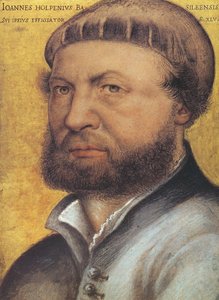
Hans Holbein el Joven
1497 - 1543 , Italia
Breves datos
- Artistas Que Influyeron:
- Hans Holbein el Viejo
- Albrecht Dürer
- Estilo Artístico: Renacimiento Nórdico
- Fecha De Muerte: 1543
- Fecha De Nacimiento: 1497
- Lugar De Nacimiento: Augsburgo, Italia
- Nacionalidad: Alemán
- Nombre Completo: Hans Holbein el Joven
- Obras Notables:
- Retrato de Enrique VIII
- El cuerpo del Cristo muerto
- Los embajadores
- Autorretrato
- Madonna del Burgomaestre Meyer