 Ver en contexto
 Enviar
 Compartir
 Detalles

 Descargar
 Similares
 Radiografía
 Presentación de diapositivas
untitled (4274)

 Ver más
Giclée / Impresión de arte
Impresiones giclée o en lienzo de calidad de museo con producción rápida y opciones de acabado flexibles. ( Comprar pintura hecha a mano Comprar imagen)




P118B $10

P118H $10

P118W $10

P438Z $10

P508JH $12

P508YH $12

P805H $10

P805Z $10

P919BZ $10

P919G $10

P919XJ $10

P959ZH $10

P968JZ $12

W106C $8

W218G $10

W218JH $8

W218Y $10

W307PJ $10

W316G $10

W316PJ $8

W316Y $10

W398PJ $8

W4111J $10

W500HY $15

W500JH $15

W692G $12

W849H $8

W940BG $15

W953PJ $8




Elija entre nuestros tamaños predefinidos que respetan las proporciones originales de la obra.

Puede introducir sus propias dimensiones para adaptarse a un marco o espacio específico. Si el tamaño seleccionado no coincide con las proporciones de la imagen original, recortaremos la obra de arte o extenderemos la imagen con un borde con efecto espejo o de color sólido. Se enviará una maqueta digital para su aprobación antes de que comience la producción.
Tenga en cuenta que la vista previa en pantalla no refleja el recorte o la extensión real. Solo la maqueta mostrará con precisión la composición final.
Aunque existen tamaños personalizados, recomendamos seleccionar una dimensión de la lista predefinida para preservar las proporciones originales.
Envío a todo el mundo () en 2 semanas en lugar de las 4/5 semanas estándar. (28 agosto)

Envío exprés gratuito a todo el mundo

Lienzo de lino de alta calidad

Seguro de envío total

Garantía de reembolso de impuestos aduaneros

Garantía de fidelidad cromática exacta

Política de devolución de 60 días (solo por defectos)

Garantía de devolución del 100% del dinero

Descuento por cantidad
 La opción de vidrio solo está disponible en tamaños inferiores a 110 cm.

untitled (4274)
Giclée / Impresión de arte
Dimensiones de la reproducción
-


Precio total final
$ 62
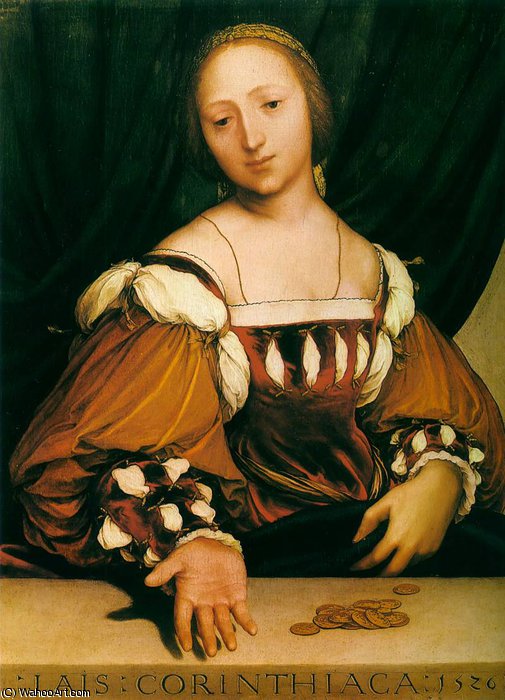
A Portrait of Wealth and Introspection: Unveiling Holbein's "Untitled (4274)"
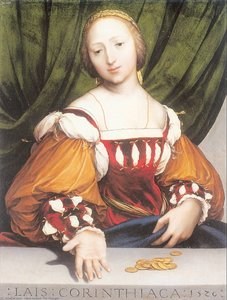
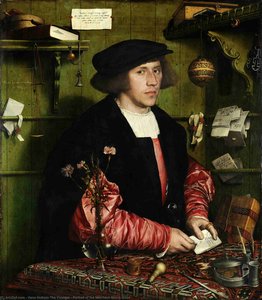
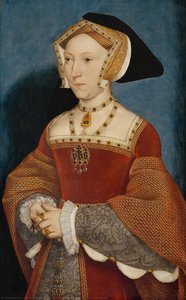
Hans Holbein the Younger’s “Untitled (4274)” is more than just a depiction of a woman in a red dress; it’s a meticulously crafted window into the anxieties, ambitions, and material realities of the Northern Renaissance. Painted circa 1530-1540, this portrait exemplifies Holbein's unparalleled ability to capture not merely physical appearance but also the psychological nuances of his subjects – a skill that cemented his reputation as one of the most astute and influential portraitists of his era. The painting’s power resides in its quiet intensity, a carefully constructed tableau of wealth and contemplation.
The Master's Technique: Detail and Realism
- Oil on Panel: Holbein’s mastery of oil paint is immediately apparent. The smooth gradations of tone, the subtle modeling of form, and the almost photographic detail in the woman’s face and hands are hallmarks of his technique. He employed a layering method – *glazing* – building up thin translucent layers of color to achieve luminous effects and incredible depth.
- Chiaroscuro: The dramatic use of light and shadow, known as *chiaroscuro*, intensifies the subject’s presence and draws the viewer's eye directly to her face. This technique was central to Holbein’s style, creating a sense of three-dimensionality that transcends mere representation.
- Precision Rendering: Note the meticulous rendering of the coins in her hand – each detail meticulously observed and rendered with astonishing accuracy. This reflects Holbein's dedication to realism and his belief that art should accurately reflect the world around him.
Symbolism Within the Scene: Wealth, Status, and Reflection
The woman’s attire – a vibrant red dress – immediately signals wealth and status, a common symbol in Renaissance portraiture. The coins she holds are not merely an indication of financial prosperity; they can be interpreted as symbols of power, authority, and perhaps even judgment. Her seated posture, with her gaze directed slightly off-camera, suggests introspection and a degree of reserve. The curtain behind her adds depth to the composition while simultaneously creating a sense of privacy, further emphasizing the subject's inner world.
Historical Context: A Tudor Portrait
"Untitled (4274)" likely reflects the artistic trends prevalent during Holbein’s time in England. He was commissioned by Henry VIII and his court to create portraits that served both as visual records of important figures and as symbols of royal power. This portrait demonstrates Holbein's ability to adapt his style to suit the tastes of his patrons, while still maintaining his distinctive artistic voice. The painting speaks to a period of significant political and religious upheaval in England, reflected perhaps in the woman’s contemplative expression.
Emotional Impact & Reproduction Possibilities
This Holbein portrait possesses an enduring emotional resonance. It invites us to contemplate the complexities of human nature – wealth, status, power, and introspection—all captured within a single, arresting image. ArtsDot offers meticulously crafted hand-painted reproductions that faithfully recreate the original’s beauty and detail. Each reproduction is created using archival quality materials, ensuring its longevity and preserving the artwork's rich colors and textures for generations to come. Perfect for collectors, interior designers seeking a touch of Renaissance elegance, or anyone captivated by Holbein’s masterful artistry.
Obras relacionadas
Biografía del artista
vida temprana y formación
Hans Holbein el Joven, una figura destacada en la renacimiento norteño, nació en 1497 en Augsburg, Alemania. Aunque a menudo se le confunde con su padre, Hans Holbein el Viejo, un artista y grabador renombrado, la obra del joven Holbein es distinta y notable por sí misma.carrera artística
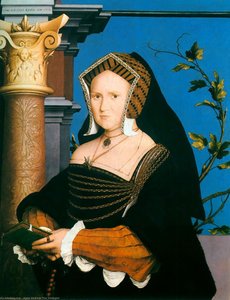
La carrera artística de Holbein el Joven comenzó bajo la tutela de su padre. Posteriormente viajó a Inglaterra, donde se convirtió en pintor de corte para el rey Enrique VIII. Esta posición le permitió capturar la esencia de la familia real y la aristocracia inglesa emergente. Su obra se caracteriza por:- realismo excepcional: los retratos de Holbein son celebrados por su calidad realista, como se ve en Retrato de una dama desconocida (renacimiento norteño).
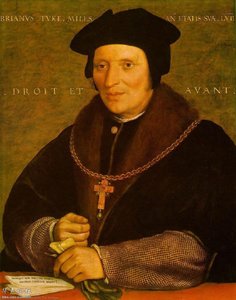
- composición innovadora: su uso de la composición es evidente en Sir William Butts (37 x 46 cm, renacimiento norteño, óleo sobre tabla).
- estudio para el retrato familiar de Tomás Moro (38 x 52 cm, renacimiento norteño) muestra su habilidad para capturar la esencia de una familia.
obras notables y legado
La obra de Holbein el Joven se encuentra en varios museos, incluido el Museos Estatales de Berlín (Alemania, donde su Señor desconocido con libros de música y laúd (óleo sobre tabla) está en exhibición. Su influencia en el renacimiento norteño es innegable, y su obra continúa inspirando a los artistas hasta el día de hoy. Holbein el Joven falleció en 1543, pero su legado perdura a través de sus cautivadores retratos y estudios detallados. ver más obras de Hans Holbein el Joven en ArtsDot.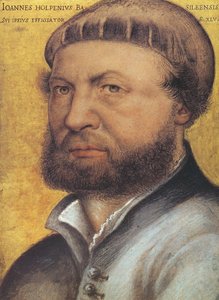
Hans Holbein el Joven
1497 - 1543 , Italia
Datos clave
- Artistas Que Influyeron:
- Hans Holbein el Viejo
- Albrecht Dürer
- Estilo Artístico: Renacimiento Nórdico
- Fecha De Muerte: 1543
- Fecha De Nacimiento: 1497
- Lugar De Nacimiento: Augsburgo, Italia
- Nacionalidad: Alemán
- Nombre Completo: Hans Holbein el Joven
- Obras Notables:
- Retrato de Enrique VIII
- El cuerpo del Cristo muerto
- Los embajadores
- Autorretrato
- Madonna del Burgomaestre Meyer
Artículos relacionados

Crimson Threads of Narrative: Exploring Symbolism & Representation in Artworks Featuring the Red Dress
Explore the rich symbolism of the red dress in art history! From ancient power displays to iconic portraits like Cézanne’s 'Madame Cezanne', discover the cultural and artistic significance behind this captivating color. Expert analysis & insights.

Giclée Prints: Archival Quality & Aesthetic Nuances for the Discerning Collector
Explore the world of giclée prints with ArtsDot. Learn about archival quality, aesthetic nuances & investment potential. Expert guidance for discerning art collectors seeking museum-quality reproductions and lasting value.
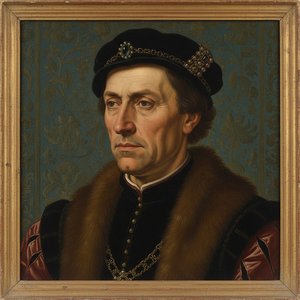
Hans Holbein the Younger: A Renaissance Portraitist's Mastery of Realism & Psychological Insight
Explore the life & art of Hans Holbein the Younger, a Renaissance master renowned for his strikingly realistic portraits and psychological insight. Discover iconic works like 'The Ambassadors' and delve into his lasting legacy.
Transforming Spaces: A Comprehensive Exploration of Wall Decor Through Art History & Contemporary Practice
Explore the art of transforming spaces with our comprehensive guide to wall decor. From historical movements to contemporary trends, discover how to curate impactful interiors and commission bespoke artwork for a truly personalized aesthetic.

Echoes of Time: Exploring the Enduring Appeal & Historical Context of Vintage Art Prints
Explore the captivating world of vintage art prints! Discover their history, collecting tips & enduring appeal. Expert insights on chromolithography and building a legacy collection with ArtsDot.
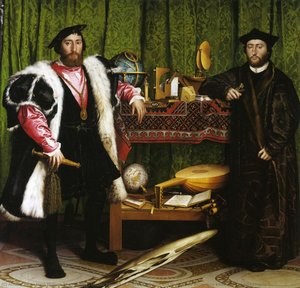
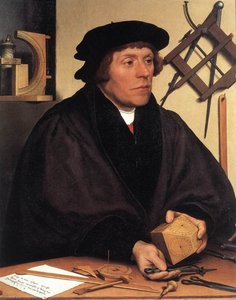

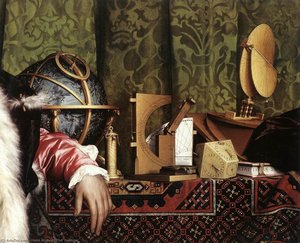
![Retrato Doble de Jean de Dinteville y Georges de Selve (también conocido como Los Embajadores) [detalle]](/media/artworks/images-thumb/bb/ab/bbab7ce77b7dd15d23d21114a63b51a4.jpg)