 Vista previa
 Compartir
 Compartir
 Ver detalles

 Descargar
 Ver similares
 Radiografía
 Presentación de diapositivas
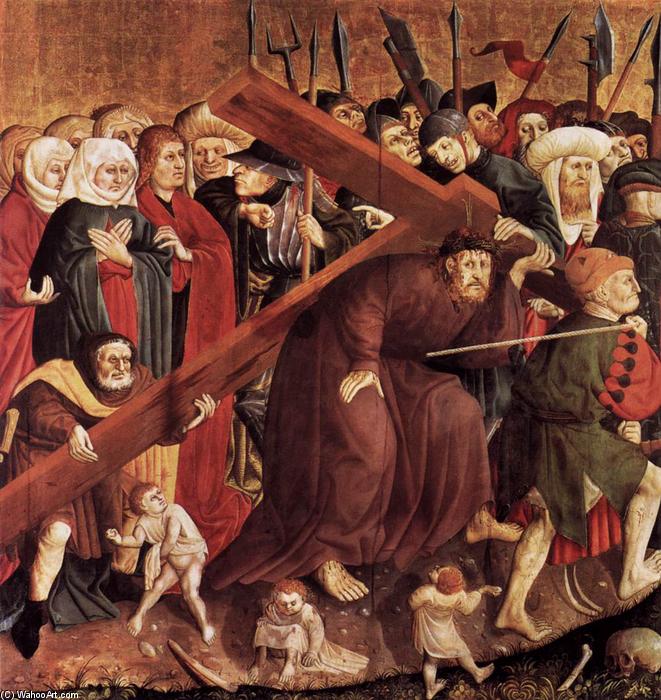
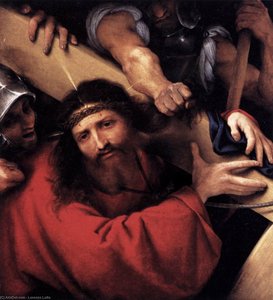
Christ Carrying the Cross
 Témpera
- Early Netherlandish Painting
 1437
1437 148.0 x 140.0 cm
 Staatliche Museen zu Berlin
 Leer más
Reproducción al óleo hecha a mano
Óleo sobre lienzo pintado a mano en el tamaño y marco de su elección, realizado por encargo por nuestros artistas. ( Pedir impresión Comprar descarga)




P118B $10

P118H $10

P118W $10

P438Z $10

P508JH $12

P508YH $12

P805H $10

P805Z $10

P919BZ $10

P919G $10

P919XJ $10

P959ZH $10

P968JZ $12

W106C $8

W218G $10

W218JH $8

W218Y $10

W307PJ $10

W316G $10

W316PJ $8

W316Y $10

W398PJ $8

W4111J $10

W500HY $15

W500JH $15

W692G $12

W849H $8

W940BG $15

W953PJ $8




Elija entre nuestros tamaños predefinidos que respetan las proporciones originales de la obra.

Puede ingresar sus propias dimensiones para adaptarse a un marco o espacio específico. Si el tamaño seleccionado no coincide con las proporciones de la imagen original, recortaremos la obra o extenderemos la pintura con elementos adicionales pintados a mano. Se le enviará una maqueta digital para su aprobación antes de comenzar la producción.
Tenga en cuenta que la vista previa en pantalla no refleja el recorte o la extensión reales. Solo la maqueta mostrará con precisión la composición final.
Si bien existen tamaños personalizados, recomendamos seleccionar una dimensión de la lista predefinida para preservar las proporciones originales.
Tras realizar el pedido, el equipo de ArtsDot.com enviará un correo electrónico al cliente para solicitar instrucciones y proporcionarle una vista previa del boceto.
Envío a todo el mundo () en 3-4 semanas en lugar de las 5 semanas estándar. (20 agosto). Sin comprometer la calidad.

Envío exprés gratuito a todo el mundo

Lienzo de lino de alta calidad

Seguro de envío completo

Garantía de reembolso de aranceles aduaneros

Garantía de fidelidad cromática exacta

Política de devolución de 60 días (solo por defectos)

Garantía de devolución del 100% del dinero

Oferta por volumen
 La opción de vidrio solo está disponible en tamaños inferiores a 110 cm.

Christ Carrying the Cross
Técnica de reproducción
Tamaño de la reproducción
-


Precio total
$ 263
Descripción de la obra
A Window Into Bosch’s Pessimistic Vision: Christ Carrying the Cross
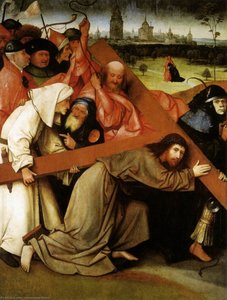
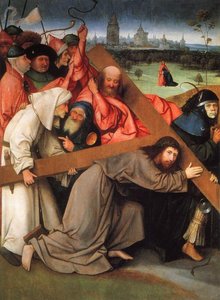
Hieronymus Bosch’s “Christ Carrying the Cross,” housed in Ghent Cathedral, stands as one of his most arresting depictions of Christian iconography—a painting that transcends mere representation to embody a profound meditation on suffering and mortality. Completed around 1510-1535, during Bosch's twilight years, this artwork exemplifies his signature style: grotesque realism infused with moral allegory.
- Style & Technique: Bosch’s meticulous attention to detail—evident in the expressive faces of the onlookers and the unsettling depiction of Christ’s burden—contrasts sharply with idealized Renaissance portraits. The painting utilizes tempera on fir wood, a technique favored by Bosch for its luminosity and durability. Layers of glaze contribute to an ethereal quality, highlighting textures and creating dramatic chiaroscuro effects.
- Historical Context: Painted amidst the burgeoning humanist movement in Europe, “Christ Carrying the Cross” reflects anxieties about faith and morality prevalent during the Reformation era. Bosch’s unflinching portrayal of human folly—represented by the judgmental stares and grotesque expressions of the crowd—served as a critique of societal hypocrisy.
- Symbolism: The painting is replete with symbolic imagery. Christ's agonizing posture symbolizes divine sacrifice, while the multitude of figures surrounding him represent humanity’s complicity in sin. The swords symbolize judgment and divine retribution, emphasizing the inescapable consequences of earthly transgressions. Notably, the shield at the bottom right corner bears a depiction of Saint Jerome—a patron saint of contemplation—suggesting an invitation to introspection.
- Emotional Impact: Bosch deliberately evokes feelings of unease and pity. The artist’s masterful manipulation of color and composition compels viewers to confront uncomfortable truths about human nature and the fragility of existence. “Christ Carrying the Cross” remains a powerful reminder of the enduring themes of suffering, redemption, and moral responsibility.
The Influence of Early Netherlandish Painting
Bosch’s artistic vision was undeniably shaped by the stylistic innovations emerging from Northern Europe during his time—particularly the influence of Early Netherlandish painting. Artists like Rogier van der Weyden and Gerard David pioneered a new approach to depicting religious subjects, prioritizing anatomical accuracy and psychological realism over stylized grandeur.
- Anatomical Precision: Bosch’s depiction of Christ's musculature—a deliberate departure from traditional representations—reflects the meticulous anatomical studies conducted by artists in Leuven and Bruges. These investigations into human anatomy informed a broader trend toward naturalistic observation within the visual arts.
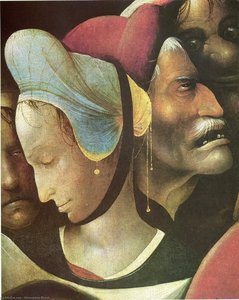
- Psychological Depth: The expressive faces of the onlookers convey profound emotional states—ranging from disdain to compassion—demonstrating Bosch’s commitment to capturing the complexities of human psychology. This emphasis on psychological realism aligns seamlessly with the humanist preoccupation with understanding the inner workings of the human mind.
A Masterpiece of Moral Allegory
"Christ Carrying the Cross" is not merely a visual spectacle; it’s a profound meditation on moral principles—a testament to Bosch's unwavering belief in the importance of confronting uncomfortable truths about human behavior. The artist employs grotesque imagery and caricature to expose societal failings, prompting viewers to contemplate their own ethical responsibilities.
- Moral Critique: Bosch’s deliberate distortion of facial expressions serves as a scathing indictment of moral complacency—challenging audiences to examine their judgments and prejudices. This subversive impulse distinguishes Bosch from many of his contemporaries who sought to uphold idealized notions of virtue.
- Universal Themes: Despite its specific historical context, “Christ Carrying the Cross” speaks to universal themes of suffering, redemption, and divine justice—resonating across cultures and epochs. Bosch’s enduring legacy lies in his ability to provoke contemplation and inspire moral reflection.
Technical Considerations & Restoration Efforts
The painting underwent a significant restoration process in 1956–1957, undertaken by conservators at Ghent Cathedral. During this intervention, experts meticulously cleaned the surface of grime and varnish—revealing the original colors beneath—and stabilized weakened structural elements.
- Glaze Analysis: Detailed analysis of the painting’s glaze layers illuminated the techniques employed by Bosch’s workshop—demonstrating a mastery of layering pigments to achieve luminous effects. Researchers utilized X-ray fluorescence spectroscopy to determine the elemental composition of the glazes, providing invaluable insights into the artist's palette.
- Structural Stabilization: Conservators reinforced the wooden frame and addressed cracks in the panel—ensuring the painting’s preservation for future generations. These efforts underscored the importance of safeguarding cultural heritage and upholding ethical standards of conservation.
Contemporary Interpretations & Artistic Legacy
"Christ Carrying the Cross" continues to inspire artists and scholars alike—serving as a focal point for ongoing debates about Bosch’s artistic intentions and stylistic innovations. Its haunting imagery and moral profundity resonate powerfully with audiences today, prompting reflection on fundamental questions concerning faith, morality, and human existence.
- Influence on Surrealism: Bosch's unsettling vision exerted considerable influence on Surrealist artists—particularly André Breton—who embraced his penchant for dreamlike imagery and grotesque symbolism. Surrealists sought to liberate the subconscious mind from rational constraints—drawing inspiration from Bosch’s exploration of irrational forces.
- Enduring Relevance: Despite its fifteenth-century origins, “Christ Carrying the Cross” retains an enduring relevance—serving as a timeless reminder of humanity's capacity for both compassion and cruelty. Its artistic legacy persists in contemporary art exhibitions and scholarly publications—affirming Bosch’s position as one of the most influential figures in European Renaissance painting.
Obras relacionadas
Biografía del artista
Introducción a Hans Multscher
Hans Multscher, un renombrado pintor y escultor alemán, nació en Reichenhofen (hoy Leutkirch im Allgäu) alrededor de 1400. Es conocido por su excepcional trabajo en el campo del arte, particularmente en las regiones de Francia del Norte y los Países Bajos.Vida Temprana y Formación
Multscher se familiarizó con nuevos estilos artísticos provenientes de Francia del Norte y los Países Bajos, lo que tuvo un impacto significativo en su obra. En 1427, se convirtió en ciudadano libre de la ciudad de Ulm, donde contrajo matrimonio con Adelheid Kitzin. Dirigió su propio negocio como pintor y escultor, junto con su hermano Heinrich Multscher.Obras Notables
Entre sus obras más destacadas se encuentra Santa María Magdalena, que actualmente se encuentra en el Liebieghaus en Frankfurt am Main. Otra obra famosa es el Hombre de Dolores, una copia del cual se puede encontrar en la catedral de Ulm. Además, su grupo de emperadores se puede ver en la ventana oriental del ayuntamiento de Ulm.Estilo Artístico y Legado
El estilo de Multscher se caracteriza por un naturalismo sólido, reminiscente de Sluter, lo que sugiere que recibió formación en Francia. Su obra representa una transición entre el arte gótico tardío y los primeros elementos del Renacimiento. Su habilidad para representar figuras humanas con realismo y detalle, combinada con su enfoque en temas religiosos, le valió reconocimiento como uno de los artistas más importantes de su época. Multscher contribuyó significativamente al desarrollo del arte alemán, influyendo en generaciones posteriores de artistas. Su legado perdura a través de sus esculturas y pinturas que se conservan en museos y colecciones alrededor del mundo, ofreciendo una valiosa visión de la vida artística y cultural del siglo XV.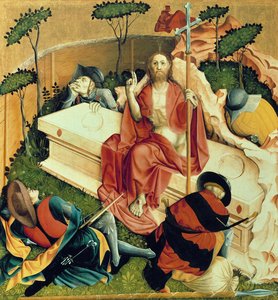
Hans Multscher
1400 - 1467 , Alemania
Datos clave
- Artistas Que Influyeron: ['Sluter']
- Fecha De Muerte: 1467
- Fecha De Nacimiento: c. 1400
- Lugar De Nacimiento: Reichenbach im Baumes, Alemania
- Movimiento Artístico: Gótico tardío/Renacimiento
- Nacionalidad: Alemán
- Nombre Completo: Hans Multscher
- Obras Notables:
- Santa María Magdalena
- Hombre de dolores
- Grupo de emperadores
Artículos relacionados
Hieronymus Bosch: Las 25 Obras Maestras del Genio Medieval | Arte y Decoración
Descubre las 25 obras maestras de Hieronymus Bosch, el enigmático pintor medieval. Explora 'El Jardín de las Delicias' y su simbolismo único. Reproducciones de arte de alta calidad para tu hogar en ArtsDot.com.

Giclée Prints: Archival Quality & Aesthetic Nuances for the Discerning Collector
Explore the world of giclée prints with ArtsDot. Learn about archival quality, aesthetic nuances & investment potential. Expert guidance for discerning art collectors seeking museum-quality reproductions and lasting value.

The Enduring Legacy of Fine Art Prints: Technique, History & Aesthetic Impact
Explore the rich history & techniques of fine art prints. Discover investment potential, assess authenticity, and learn how to preserve your collection with expert guidance. Trusted insights for discerning collectors.
Hieronymus Bosch: Decoding the Visions of a Netherlandish Master
Explore the captivating world of Hieronymus Bosch! Delve into the symbolism, religious context, and artistic innovation of this Netherlandish master with ArtsDot's expert analysis. Discover his iconic paintings & lasting influence.

Echoes of Time: Exploring the Enduring Appeal & Historical Context of Vintage Art Prints
Explore the captivating world of vintage art prints! Discover their history, collecting tips & enduring appeal. Expert insights on chromolithography and building a legacy collection with ArtsDot.