 Ver en contexto
 Enviar
 Compartir
 Detalles

 Descargar
 Similares
 Radiografía
 Presentación de diapositivas
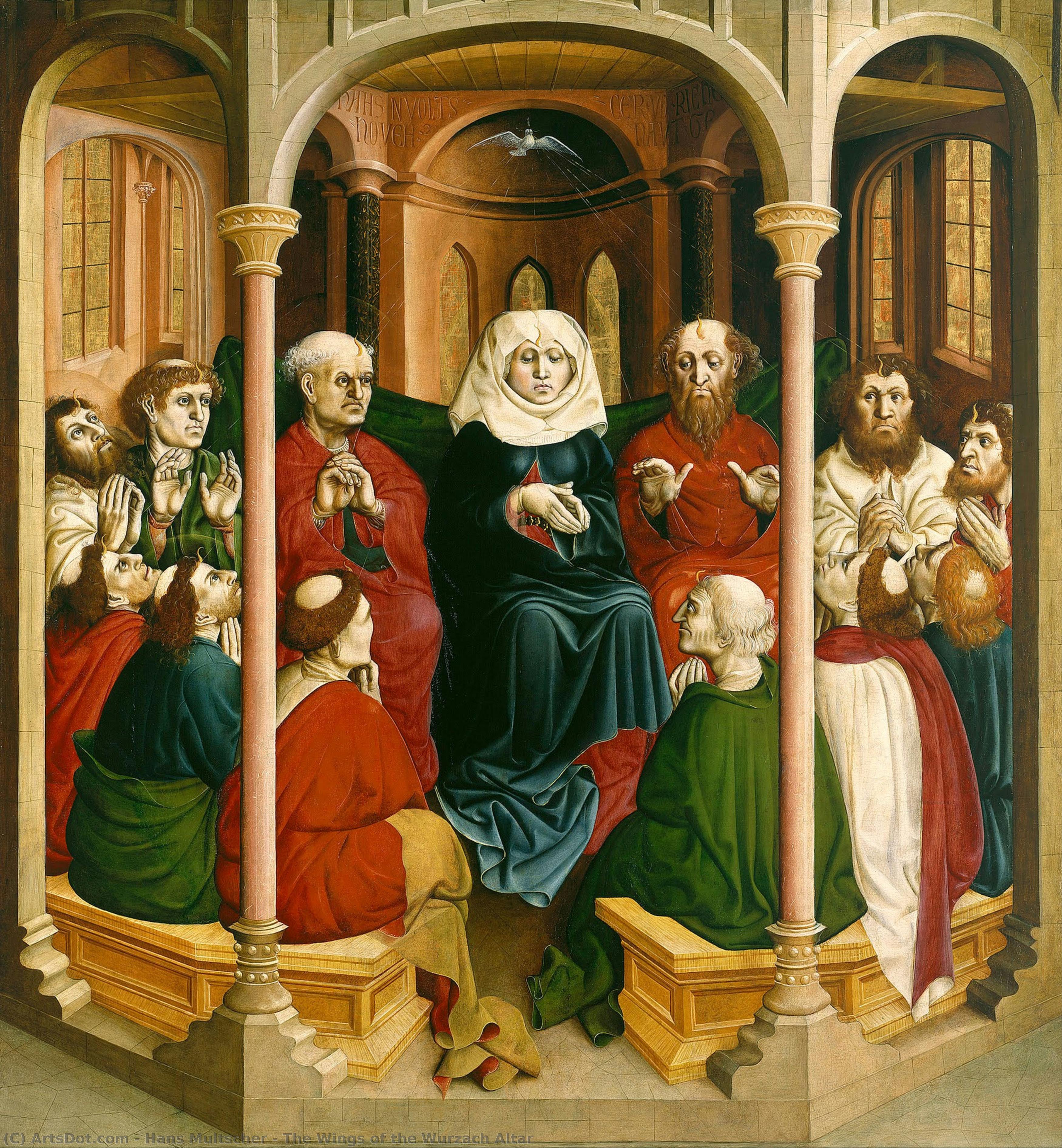
The Wings of the Wurzach Altar
 Oil On Panel
- Early Renaissance
 1437
1437- Renaissance
 140.0 x 150.0 cm
 Ver más
Reproducción al óleo hecha a mano
Óleo sobre lienzo pintado a mano en el tamaño y marco de su elección, realizado por encargo por nuestros artistas. ( Comprar impresión Comprar imagen)




P118B $10

P118H $10

P118W $10

P438Z $10

P508JH $12

P508YH $12

P805H $10

P805Z $10

P919BZ $10

P919G $10

P919XJ $10

P959ZH $10

P968JZ $12

W106C $8

W218G $10

W218JH $8

W218Y $10

W307PJ $10

W316G $10

W316PJ $8

W316Y $10

W398PJ $8

W4111J $10

W500HY $15

W500JH $15

W692G $12

W849H $8

W940BG $15

W953PJ $8




Elija entre nuestros tamaños predefinidos que respetan las proporciones originales de la obra.

Puede ingresar sus propias dimensiones para adaptarse a un marco o espacio específico. Si el tamaño seleccionado no coincide con las proporciones de la imagen original, recortaremos la obra o extenderemos la pintura con elementos adicionales pintados a mano. Se le enviará una maqueta digital para su aprobación antes de comenzar la producción.
Tenga en cuenta que la vista previa en pantalla no refleja el recorte o la extensión reales. Solo la maqueta mostrará con precisión la composición final.
Si bien existen tamaños personalizados, recomendamos seleccionar una dimensión de la lista predefinida para preservar las proporciones originales.
Tras realizar el pedido, el equipo de ArtsDot.com enviará un correo electrónico al cliente para solicitar instrucciones y proporcionarle una vista previa del boceto.
Envío a todo el mundo () en 3-4 semanas en lugar de las 5 semanas estándar. (24 agosto). Sin comprometer la calidad.

Envío exprés gratuito a todo el mundo

Lienzo de lino de alta calidad

Seguro de envío total

Garantía de reembolso de impuestos aduaneros

Garantía de fidelidad cromática exacta

Política de devolución de 60 días (solo por defectos)

Garantía de devolución del 100% del dinero

Descuento por cantidad
 La opción de vidrio solo está disponible en tamaños inferiores a 110 cm.

The Wings of the Wurzach Altar
Técnica de reproducción
Dimensiones de la reproducción
-


Precio total final
$ 538
Descripción de la obra
A Vision of Devotion: The Wings of the Wurzach Altar
In the quiet, hallowed atmosphere of the 15th century, few works captured the intersection of divine miracle and human emotion as profoundly as Hans Multscher’s The Wings of the Wurzach Altar. Created in 1437, this masterpiece serves as a breathtaking window into the German Renaissance, offering more than just a religious tableau; it presents a visceral experience of faith. The painting depicts a sacred assembly, where figures are gathered within an elegant architectural setting, their faces etched with the weight of piety and wonder. As one gazes upon the composition, the eye is immediately drawn to the central female figure, seated with a quiet dignity that anchors the entire scene. Around her, the arrangement of men and women in prayerful postures creates a rhythmic, symmetrical movement that guides the viewer into a state of contemplative stillness.
The artistry of Multscher lies in his ability to bridge the gap between the stylized traditions of the late Gothic period and the burgeoning realism of the Early Netherlandish style. Through a masterful application of oil glazes on wooden panels, he achieved a luminous quality that seems to radiate from within the figures themselves. The texture of the work is nothing short of extraordinary; one can almost feel the heavy weight of the crimson robes, the delicate softness of the pale yellow veil, and the intricate folds of the darker garments worn by the women. This meticulous attention to detail—from the subtle shadows cast by a single light source to the lifelike rendering of facial features—imbues the scene with a tangible, three-dimensional presence that defies the flattened perspective of its era.
Symbolism and the Language of Light
Beyond its technical brilliance, the altar wings are rich with a symbolic vocabulary designed to stir the soul. Every element within the frame serves a higher purpose in the narrative of devotion. Above the assembly, the presence of a dove descends, acting as a celestial messenger representing the Holy Spirit, which sanctifies the miraculous event unfolding below. The very architecture—the arches, columns, and steps rendered in muted ochre and earth tones—creates a terrestrial temple that mirrors the spiritual sanctuary within the viewer's heart. The palette itself plays a crucial role in this emotional orchestration; the deep reds evoke passion and sacrifice, while the verdant greens and warm browns ground the divine scene in the natural world.
For the discerning collector or interior designer, a reproduction of this work offers much more than mere decoration. It brings a sense of historical gravity and intellectual depth to a space. The interplay of light and shadow within the painting provides a sophisticated focal point that can anchor a room, offering a conversation piece that speaks of heritage, craftsmanship, and the enduring human quest for meaning. Whether placed in a grand library or a contemporary living space, The Wings of the Wurzach Altar serves as a timeless testament to the power of art to transcend centuries, inviting anyone who encounters it to pause, reflect, and find beauty in the profound.
Obras relacionadas
Biografía del artista
Introducción a Hans Multscher
Hans Multscher, un renombrado pintor y escultor alemán, nació en Reichenhofen (hoy Leutkirch im Allgäu) alrededor de 1400. Es conocido por su excepcional trabajo en el campo del arte, particularmente en las regiones de Francia del Norte y los Países Bajos.Vida Temprana y Formación
Multscher se familiarizó con nuevos estilos artísticos provenientes de Francia del Norte y los Países Bajos, lo que tuvo un impacto significativo en su obra. En 1427, se convirtió en ciudadano libre de la ciudad de Ulm, donde contrajo matrimonio con Adelheid Kitzin. Dirigió su propio negocio como pintor y escultor, junto con su hermano Heinrich Multscher.Obras Notables
Entre sus obras más destacadas se encuentra Santa María Magdalena, que actualmente se encuentra en el Liebieghaus en Frankfurt am Main. Otra obra famosa es el Hombre de Dolores, una copia del cual se puede encontrar en la catedral de Ulm. Además, su grupo de emperadores se puede ver en la ventana oriental del ayuntamiento de Ulm.Estilo Artístico y Legado
El estilo de Multscher se caracteriza por un naturalismo sólido, reminiscente de Sluter, lo que sugiere que recibió formación en Francia. Su obra representa una transición entre el arte gótico tardío y los primeros elementos del Renacimiento. Su habilidad para representar figuras humanas con realismo y detalle, combinada con su enfoque en temas religiosos, le valió reconocimiento como uno de los artistas más importantes de su época. Multscher contribuyó significativamente al desarrollo del arte alemán, influyendo en generaciones posteriores de artistas. Su legado perdura a través de sus esculturas y pinturas que se conservan en museos y colecciones alrededor del mundo, ofreciendo una valiosa visión de la vida artística y cultural del siglo XV.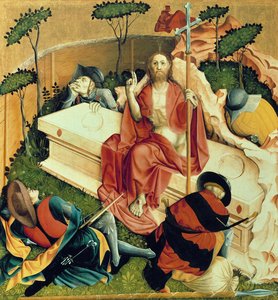
Hans Multscher
1400 - 1467 , Alemania
Datos clave
- Artistas Que Influyeron: ['Sluter']
- Fecha De Muerte: 1467
- Fecha De Nacimiento: c. 1400
- Lugar De Nacimiento: Reichenbach im Baumes, Alemania
- Movimiento Artístico: Gótico tardío/Renacimiento
- Nacionalidad: Alemán
- Nombre Completo: Hans Multscher
- Obras Notables:
- Santa María Magdalena
- Hombre de dolores
- Grupo de emperadores
Artículos relacionados

The Enduring Legacy of Oil on Canvas: Technique, History & Aesthetic Impact
Explore the rich history & techniques of oil painting – from Renaissance masters to Impressionism. Discover pigments, layering methods, and why this timeless medium endures. Expert insights for artists & art enthusiasts.
El Amanecer de una Nueva Visión: Contexto Histórico e Influencia Borgoña en el Renacimiento Temprano Flamenco
Descubre la riqueza del Renacimiento Temprano Flamenco y la influencia del Estado Borgoñón. Analizamos a Jan van Eyck, Robert Campin y el simbolismo oculto en sus obras maestras. ¡Explora la historia del arte con ArtsDot!

The Enduring Power of Painting: A Historical & Contemporary Exploration of Form and Emotion
Explore the rich history & enduring techniques of oil painting with ArtsDot. Discover masterpieces, learn about art collecting, and find authentic handmade reproductions crafted by skilled artists.
El Amanecer de una Nueva Visión: La Pintura Flamenca Primitiva y su Revolución Artística (Siglos XV-XVI)
Descubre la revolución artística de los Primitivos Flamencos (siglos XV-XVI). Explora su técnica innovadora del óleo, el simbolismo oculto en sus obras y el legado de maestros como Van Eyck y Weyden. ¡Un viaje profundo al Renacimiento nórdico!

El Óleo sobre Lienzo: Historia, Técnica y la Persistencia de un Medio Artístico Atemporal
Descubre la historia y técnica del óleo sobre lienzo. Explora reproducciones fieles hechas a mano, personalización artística y consejos de expertos con ArtsDot. ¡Colecciona arte con confianza!