 Ver en contexto
 Enviar
 Compartir
 Detalles

 Descargar
 Similares
 Radiografía
 Presentación de diapositivas
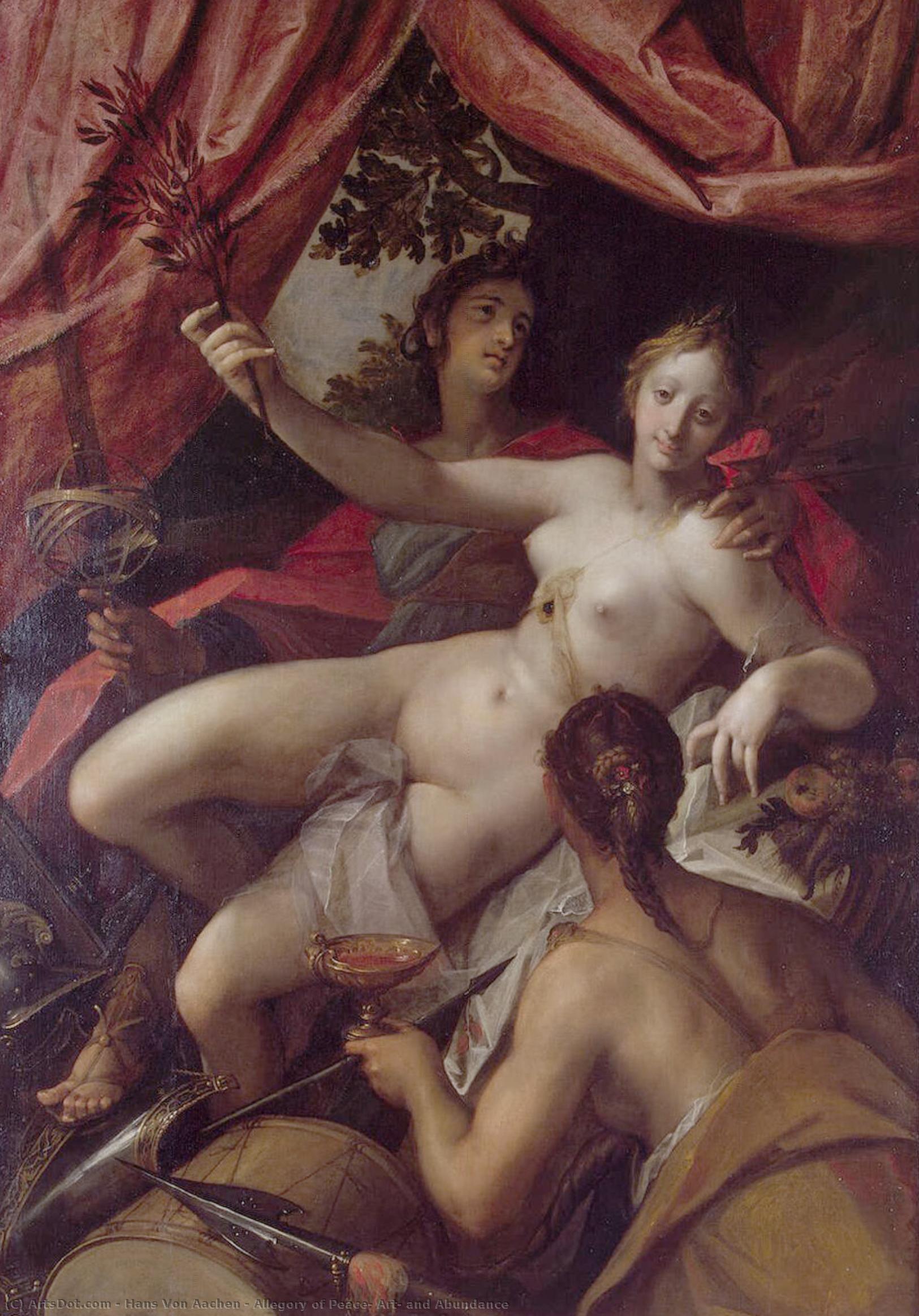
Allegory of Peace, Art, and Abundance
 Acrylic On Canvas
- WallArt
- Mannerist Painting
 1602
1602 197.0 x 142.0 cm
 Museo del Hermitage
 Ver más
Reproducción al óleo hecha a mano
Óleo sobre lienzo pintado a mano en el tamaño y marco de su elección, realizado por encargo por nuestros artistas. ( Comprar impresión Comprar imagen)




P118B $10

P118H $10

P118W $10

P438Z $10

P508JH $12

P508YH $12

P805H $10

P805Z $10

P919BZ $10

P919G $10

P919XJ $10

P959ZH $10

P968JZ $12

W106C $8

W218G $10

W218JH $8

W218Y $10

W307PJ $10

W316G $10

W316PJ $8

W316Y $10

W398PJ $8

W4111J $10

W500HY $15

W500JH $15

W692G $12

W849H $8

W940BG $15

W953PJ $8




Elija entre nuestros tamaños predefinidos que respetan las proporciones originales de la obra.

Puede ingresar sus propias dimensiones para adaptarse a un marco o espacio específico. Si el tamaño seleccionado no coincide con las proporciones de la imagen original, recortaremos la obra o extenderemos la pintura con elementos adicionales pintados a mano. Se le enviará una maqueta digital para su aprobación antes de comenzar la producción.
Tenga en cuenta que la vista previa en pantalla no refleja el recorte o la extensión reales. Solo la maqueta mostrará con precisión la composición final.
Si bien existen tamaños personalizados, recomendamos seleccionar una dimensión de la lista predefinida para preservar las proporciones originales.
Tras realizar el pedido, el equipo de ArtsDot.com enviará un correo electrónico al cliente para solicitar instrucciones y proporcionarle una vista previa del boceto.
Envío a todo el mundo () en 3-4 semanas en lugar de las 5 semanas estándar. (26 agosto). Sin comprometer la calidad.

Envío exprés gratuito a todo el mundo

Lienzo de lino de alta calidad

Seguro de envío total

Garantía de reembolso de impuestos aduaneros

Garantía de fidelidad cromática exacta

Política de devolución de 60 días (solo por defectos)

Garantía de devolución del 100% del dinero

Descuento por cantidad
 La opción de vidrio solo está disponible en tamaños inferiores a 110 cm.

Allegory of Peace, Art, and Abundance
Técnica de reproducción
Dimensiones de la reproducción
-


Precio total final
$ 263
Descripción de la obra
Allegory of Peace, Art, and Abundance – A Renaissance Tapestry of Prosperity
Hans von Aachen’s “Allegory of Peace, Art, and Abundance,” painted in Cologne around 1602, is more than just a beautiful depiction; it's a meticulously crafted visual argument for the flourishing of a civilized society. This remarkable work, now housed within the Hermitage Museum in St. Petersburg, offers a rare glimpse into the artistic sensibilities of the Northern Mannerist period – a style characterized by its dramatic lighting, elongated figures, and an intense focus on symbolism. The painting immediately commands attention with its rich palette: deep reds and golds dominate, contrasted against cool blues and greens, creating a sense of opulent grandeur that speaks to both earthly wealth and divine grace.
At the heart of the composition stand three elegantly posed women, each embodying a key element of the allegory. The central figure, draped in flowing robes, holds a vase overflowing with fruits – a potent symbol of abundance and fertility. To her right, another woman cradles a wine glass, representing not just indulgence but also the celebration of life’s pleasures and the importance of social harmony. And on the left, a third woman gestures towards a book, signifying knowledge, wisdom, and the enduring legacy of art itself. These figures aren't merely decorative; they are carefully positioned to create a dynamic narrative, guiding the viewer through a complex web of interconnected ideas.
The Mannerist Influence – Drama and Detail
Von Aachen’s style is deeply rooted in the traditions of Flemish Renaissance painting, yet he infused it with the dramatic flair characteristic of Mannerism. Notice the elongated figures, particularly the graceful curves of the women's robes, and the intricate details that adorn their garments and surroundings. The artist masterfully employs *chiaroscuro* – the skillful manipulation of light and shadow – to create a sense of theatrical depth and heighten the emotional impact of the scene. The background is filled with an array of objects: cups, bowls, knives, books, musical instruments, and even a bird perched on a branch—each carefully chosen to reinforce the central theme of prosperity and cultural refinement. The meticulous rendering of textures – from the velvet of the robes to the polished sheen of the silver – demonstrates Von Aachen’s exceptional technical skill.
A Window into Imperial Patronage
The “Allegory of Peace, Art, and Abundance” was commissioned for Emperor Rudolf II, a renowned art collector and patron of the arts. Rudolf II's court in Prague was a vibrant hub of artistic activity, attracting artists from across Europe. This painting reflects the emperor’s fascination with classical antiquity, mythology, and the celebration of human achievement – all themes central to Mannerist aesthetics. The inclusion of objects associated with learning and culture underscores the importance of intellectual pursuits within the imperial court. It's a testament to the power of art as a tool for projecting an image of wealth, sophistication, and cultural authority.
Symbolism and Emotional Resonance
Beyond its technical brilliance, the painting resonates deeply with viewers due to its potent symbolism. The overall composition suggests a harmonious balance between earthly pleasures and spiritual ideals – a reflection of Renaissance humanism’s emphasis on the integration of faith and reason. The abundance depicted isn't merely material wealth; it represents the flourishing of all aspects of civilized life: art, knowledge, social harmony, and ultimately, peace. The painting evokes a sense of optimism and aspiration, inviting us to contemplate the possibilities for a prosperous and enlightened future. It’s a timeless reminder that beauty, wisdom, and generosity are essential ingredients for a truly fulfilling existence.
Obras relacionadas
Biografía del artista
Hans von Aachen
Hans von Aachen (1552 – 4 March 1615) was a German painter who stood as one of the foremost representatives of Northern Mannerism, an artistic movement that flourished in the Low Countries and Germany during the late sixteenth century. Little is known about his early life; however, it’s believed he received his formative artistic training within the workshop of Leonardus Sievenhoven, a prominent Cologne painter whose influence undoubtedly shaped von Aachen's stylistic trajectory.Artistic Style and Influences
Von Aachen’s oeuvre is characterized by a distinctive Mannerist aesthetic—a style marked by bold colors, dramatic compositions, and an unsettling tension that resonated deeply with the sensibilities of his time. His paintings frequently employed elongated figures, meticulously rendered details, and a palpable sense of dynamism, mirroring the stylistic innovations championed by El Greco (domenikos theotokopoulos), whose monumental canvases captivated audiences across Europe. This connection to El Greco’s expressive grandeur is particularly evident in works like “The Crucifixion” (1585), where von Aachen masterfully utilized luminous hues and theatrical lighting to convey profound spiritual emotion. Similarly, "The Last Judgment" (1590) showcases his ability to orchestrate multiple figures within a single frame—a technique that exemplifies the Mannerist preoccupation with complex visual narratives. Furthermore, “Portrait of an Unknown Lady” (1595) demonstrates von Aachen’s exceptional skill in capturing subtle nuances of human expression, reflecting the humanist ideals prevalent during Rudolf II's reign.Notable Collections and Exhibitions
Von Aachen’s artistic legacy continues to inspire admiration and scholarly investigation. His paintings are housed in prestigious institutions across Germany, notably Gemäldegalerie Alte Meister in Dresden—which boasts an expansive collection of European art spanning from the fifteenth to the eighteenth centuries—and Museum Ostdeutsche Galerie in Regensburg, presenting a singular panorama of eastern German artistic heritage. Exploring these collections offers invaluable insight into the dissemination and reception of von Aachen’s groundbreaking vision.Historical Significance
Hans von Aachen's contribution to Northern Mannerism cemented his place as a pivotal figure within European art history. His innovative stylistic choices—particularly his masterful manipulation of color, form, and composition—challenged conventional artistic conventions and propelled the movement toward unprecedented expressive depth. He served as court painter for Emperor Rudolf II, fostering a vibrant cultural environment that nurtured artistic experimentation and celebrated humanist ideals. Today, von Aachen’s paintings stand as enduring symbols of Mannerist grandeur and continue to captivate viewers with their evocative beauty and profound psychological insight—a testament to his enduring influence on subsequent generations of artists.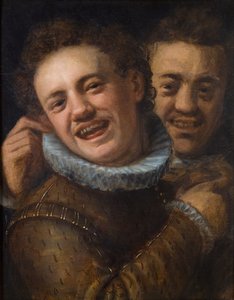
Hans von Aachen
1552 - 1615 , Alemania
Datos clave
- Artistic Movement Or Style: Mannerismo
- Artists Or Movements Influenced By This Artist: ['Renacimiento']
- Artists Who Influenced This Artist: ['El Greco']
- Date Of Birth: Cologne, Alemania 1552
- Date Of Death: Praga 1615
- Full Name: Hans von Aachen
- Nationality: Germano
- Notable Artworks:
- La Crucifixión
- El Último Juicio
- Retrato de una dama desconocida
- Place Of Birth: Alemania Cologne
Artículos relacionados
Hans von Aachen: Mannerism's Courtly Visionary & Imperial Portraiture
Explore the captivating world of Hans von Aachen, a leading Mannerist painter renowned for his exquisite imperial portraits & mythological scenes. Discover his legacy and influence on 16th-century European art.
Hans Baldung Grien: A Renaissance Master of Allegory, Innovation & the Grotesque
Explore the captivating world of Hans Baldung Grien, a Renaissance master renowned for his allegorical paintings, striking woodcuts & unique depictions of mythology and the grotesque. Discover his life, works & legacy with ArtsDot.
Unveiling Hidden Meanings: Allegory in Western Art History
Explore the rich history of allegory in Western art! Discover hidden meanings in masterpieces from Giotto to Bosch & beyond. Expert insights for collectors and enthusiasts at ArtsDot.
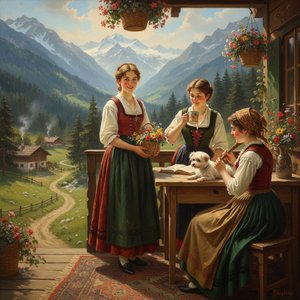
Eugen von Blaas: Capturing Alpine Life & Sentiment in 19th-Century Austrian Painting
Discover the captivating world of Eugen von Blaas! Explore his exquisite 19th-century paintings capturing Venetian life & Alpine beauty. Learn about his Academic Classicism style and find museum-quality reproductions at ArtsDot.
10 Obras de Arte que Irradian Serenidad |
Descubre 10 obras de arte que evocan serenidad y paz interior. Explora la historia detrás de Monet, Van Gogh y otros maestros. Encuentra reproducciones de alta calidad para crear un ambiente tranquilo en tu hogar. ¡Explora la colección completa en !