

 Ver en contexto
 Enviar
 Compartir
 Detalles

 Descargar
 Similares
 Radiografía
 Presentación de diapositivas
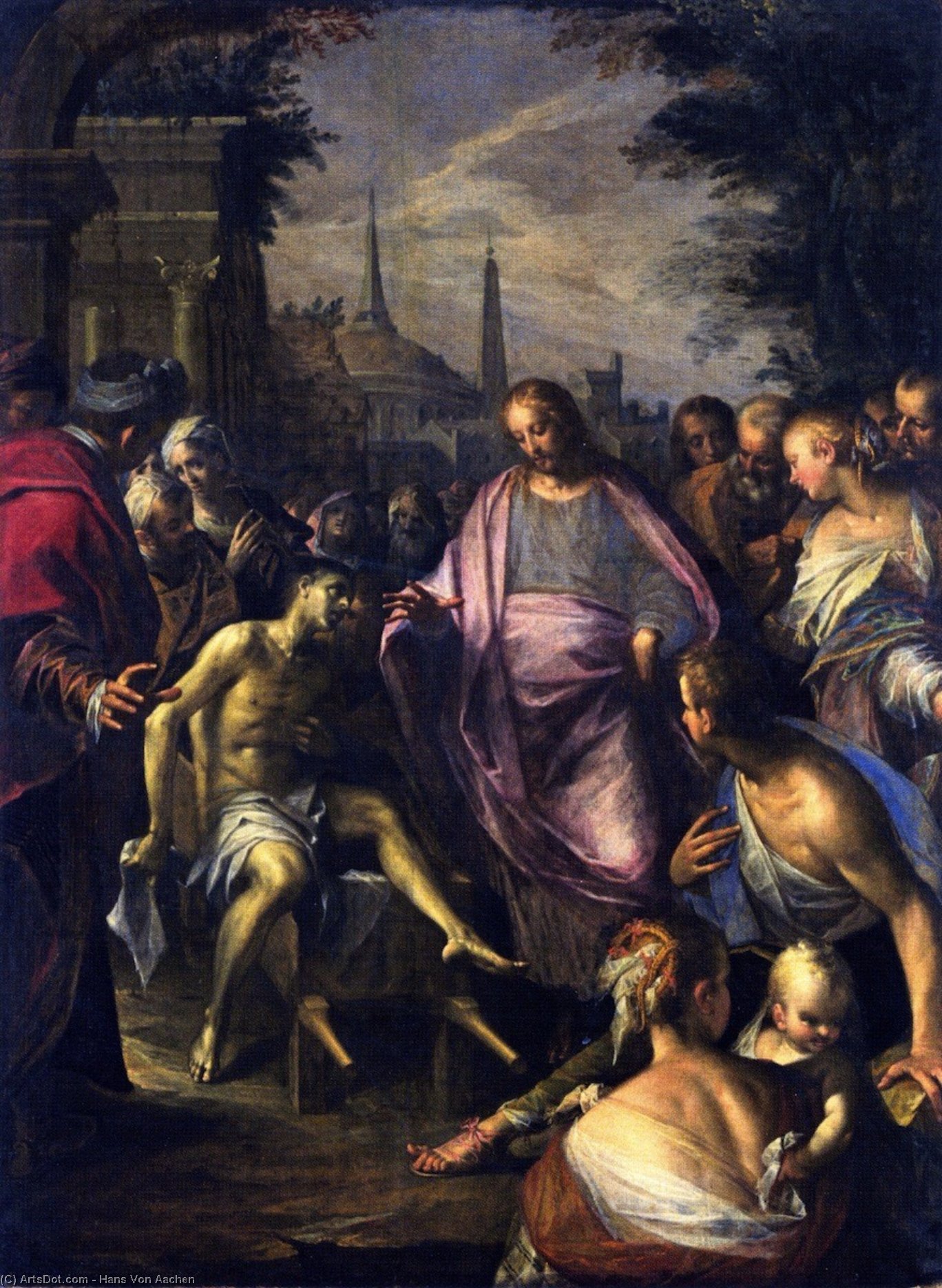
The Raising of the Widow's Son of Niam
 Oil On Canvas
- WallArt
- Mannerist Style
 1590
1590 230.0 x 171.0 cm
 Colección de Pinturas del Estado Bávaro
 Ver más
Adquiera una imagen digital de alta resolución y optimizada, muy superior a la vista previa en línea.
Cada archivo es preparado meticulosamente por nuestros especialistas internos mediante el uso de herramientas avanzadas y un experto retoque manual. Nos aseguramos de que cada imagen posea una claridad excepcional, una precisión cromática impecable y un detalle minucioso.
El archivo final se entrega por correo electrónico en un plazo de 72 horas, optimizado para su uso inmediato en entornos profesionales, editoriales y de impresión. Esta es la misma calidad en la que confían los estudios de diseño, las editoriales y las galerías de primer nivel.
Imagen Digital
Descarga un archivo de alta resolución para exhibición personal, impresión y proyectos creativos. ( Comprar impresión Comprar pintura hecha a mano)
Incluido en cada pedido de imágenes digitales
Entrega digital experta, garantizada.
Al elegir ArtsDot.com, no solo está adquiriendo una imagen; está recibiendo una obra de arte digital mejorada profesionalmente, elaborada con precisión y respaldada por una garantía de satisfacción. Esto es todo lo que incluye su pedido, automáticamente:

Entrega rápida por email
Recibirá su archivo de imagen digital en alta resolución por correo electrónico en un plazo de 72 horas tras realizar su pedido, listo para su uso inmediato.

Archivo digital optimizado por IA
Su obra de arte se optimiza profesionalmente mediante herramientas avanzadas de IA y edición manual, garantizando el máximo detalle, claridad y precisión cromática.

Reenvío gratuito de por vida
¿Has borrado o perdido tu archivo por error? No te preocupes: te lo volveremos a enviar en cualquier momento, sin coste adicional.

Sin gastos de importación, siempre
Disfrute de su obra de arte al instante sin aduanas, aranceles ni gastos de envío; las descargas digitales siempre están libres de impuestos.

Garantía de fidelidad de color
Garantizamos que su imagen digital refleje los colores originales con la mayor fidelidad posible, mediante el uso de herramientas profesionales y gestión del color.

Garantía de satisfacción de 60 días
Si no está satisfecho con su imagen digital, la revisaremos o le reembolsaremos el 100% en un plazo de 60 días, sin preguntas.

100% Garantía de devolución de dinero
¿No está satisfecho? Obtenga un reembolso completo dentro de los 60 días posteriores a la recepción de su archivo digital, sin necesidad de explicaciones.

Descuentos por pedidos grandes
Compra 3 imágenes, ahorra 10% - Compra 5, ahorra 15% - Compra 10+, ahorra 20%. Ideal para proyectos creativos, galerías y agencias.
A Masterpiece of Mannerism: Hans von Aachen's "The Raising of the Widow’s Son of Niam"
Hans von Aachen’s “The Raising of the Widow’s Son of Niam,” completed in 1590, stands as a testament to the fervor and artistic innovation characteristic of the Mannerist movement. Executed on canvas measuring 230 x 171 cm and currently housed at the Bayerische Staatsgemaldesammlungen in Munich, Germany, this painting transcends mere depiction; it strives for emotional intensity and dramatic visual impact—a hallmark of Aachen’s distinctive style.Historical Context & Artistic Influences
The Renaissance had begun to yield to Mannerism, a stylistic reaction that prioritized expressive gesture and stylized form over the idealized beauty favored by its predecessors. Aachen himself absorbed considerable influence from El Greco, whose elongated figures and dramatic chiaroscuro—the interplay of light and shadow—became foundational elements in Aachen’s oeuvre. This artistic lineage reflects the broader cultural anxieties of the period, grappling with questions of faith, mortality, and divine intervention amidst a turbulent political landscape. The painting's subject matter – the biblical miracle recounted in Matthew 9:27-31 – tapped into deeply held spiritual beliefs and served as a vehicle for conveying profound emotional resonance.Composition & Technique
Aachen’s masterful technique employed oil on canvas, allowing for rich pigment layering and nuanced tonal gradations that heighten the painting's dramatic effect. The composition is deliberately unsettling; Aachen arranges figures in asymmetrical groupings, creating a sense of dynamism and instability. Notably, fourteen individuals populate the scene—a deliberate choice intended to overwhelm the viewer’s gaze and emphasize the magnitude of the miraculous event. The central figure of Jesus dominates the canvas, radiating compassion and authority as he raises the son of the widow from death. Careful attention is paid to anatomical detail, albeit rendered in a mannerist style that prioritizes expressive distortion over accurate representation. The artist skillfully utilizes color—primarily reds and golds—to convey warmth and solemnity, reinforcing the spiritual significance of the narrative.Symbolism & Emotional Impact
Beyond its visual splendor, “The Raising of the Widow’s Son of Niam” is laden with symbolic meaning. The widow represents humility and vulnerability before God, while the resurrected son symbolizes hope and redemption—themes central to Christian theology. Aachen's expressive brushstrokes convey a palpable sense of emotion – awe, compassion, and reverence – inviting contemplation on themes of faith and divine grace. The painting’s impact lingers long after viewing, prompting reflection on humanity’s relationship with spirituality and the transformative power of miracles.Further Exploration & Reproduction
For those captivated by Aachen's artistic vision, reproductions of “The Raising of the Widow’s Son of Naim” offer an opportunity to experience its beauty and grandeur firsthand. Available at https://ArtsDot.com/, these meticulously crafted prints allow art enthusiasts to appreciate the legacy of Hans von Aachen and immerse themselves in the emotive power of Mannerist painting. To delve deeper into Aachen's artistic journey, visit /art/list/?Filter=8DP7GJ-Hans-Von-Aachen-Portrait-of-Emperor-Rudolf-II and explore other masterpieces at /en/art/show/art-8ydqmz-en/ .Obras relacionadas
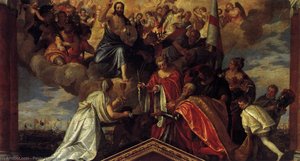
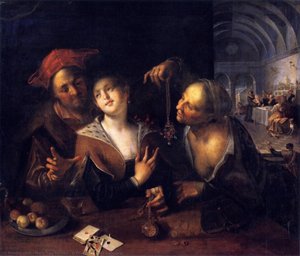
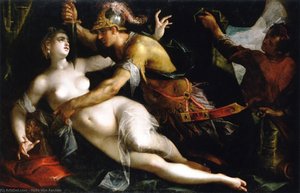
Biografía del artista
Hans von Aachen
Hans von Aachen (1552 – 4 March 1615) was a German painter who stood as one of the foremost representatives of Northern Mannerism, an artistic movement that flourished in the Low Countries and Germany during the late sixteenth century. Little is known about his early life; however, it’s believed he received his formative artistic training within the workshop of Leonardus Sievenhoven, a prominent Cologne painter whose influence undoubtedly shaped von Aachen's stylistic trajectory.Artistic Style and Influences
Von Aachen’s oeuvre is characterized by a distinctive Mannerist aesthetic—a style marked by bold colors, dramatic compositions, and an unsettling tension that resonated deeply with the sensibilities of his time. His paintings frequently employed elongated figures, meticulously rendered details, and a palpable sense of dynamism, mirroring the stylistic innovations championed by El Greco (domenikos theotokopoulos), whose monumental canvases captivated audiences across Europe. This connection to El Greco’s expressive grandeur is particularly evident in works like “The Crucifixion” (1585), where von Aachen masterfully utilized luminous hues and theatrical lighting to convey profound spiritual emotion. Similarly, "The Last Judgment" (1590) showcases his ability to orchestrate multiple figures within a single frame—a technique that exemplifies the Mannerist preoccupation with complex visual narratives. Furthermore, “Portrait of an Unknown Lady” (1595) demonstrates von Aachen’s exceptional skill in capturing subtle nuances of human expression, reflecting the humanist ideals prevalent during Rudolf II's reign.Notable Collections and Exhibitions
Von Aachen’s artistic legacy continues to inspire admiration and scholarly investigation. His paintings are housed in prestigious institutions across Germany, notably Gemäldegalerie Alte Meister in Dresden—which boasts an expansive collection of European art spanning from the fifteenth to the eighteenth centuries—and Museum Ostdeutsche Galerie in Regensburg, presenting a singular panorama of eastern German artistic heritage. Exploring these collections offers invaluable insight into the dissemination and reception of von Aachen’s groundbreaking vision.Historical Significance
Hans von Aachen's contribution to Northern Mannerism cemented his place as a pivotal figure within European art history. His innovative stylistic choices—particularly his masterful manipulation of color, form, and composition—challenged conventional artistic conventions and propelled the movement toward unprecedented expressive depth. He served as court painter for Emperor Rudolf II, fostering a vibrant cultural environment that nurtured artistic experimentation and celebrated humanist ideals. Today, von Aachen’s paintings stand as enduring symbols of Mannerist grandeur and continue to captivate viewers with their evocative beauty and profound psychological insight—a testament to his enduring influence on subsequent generations of artists.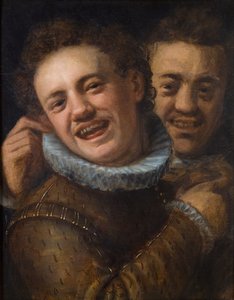
Hans von Aachen
1552 - 1615 , Alemania
Breves datos
- Artistic Movement Or Style: Mannerismo
- Artists Or Movements Influenced By This Artist: ['Renacimiento']
- Artists Who Influenced This Artist: ['El Greco']
- Date Of Birth: Cologne, Alemania 1552
- Date Of Death: Praga 1615
- Full Name: Hans von Aachen
- Nationality: Germano
- Notable Artworks:
- La Crucifixión
- El Último Juicio
- Retrato de una dama desconocida
- Place Of Birth: Alemania Cologne

