

 Ver en contexto
 Enviar
 Compartir
 Detalles

 Descargar
 Similares
 Radiografía
 Presentación de diapositivas
 Estadísticas
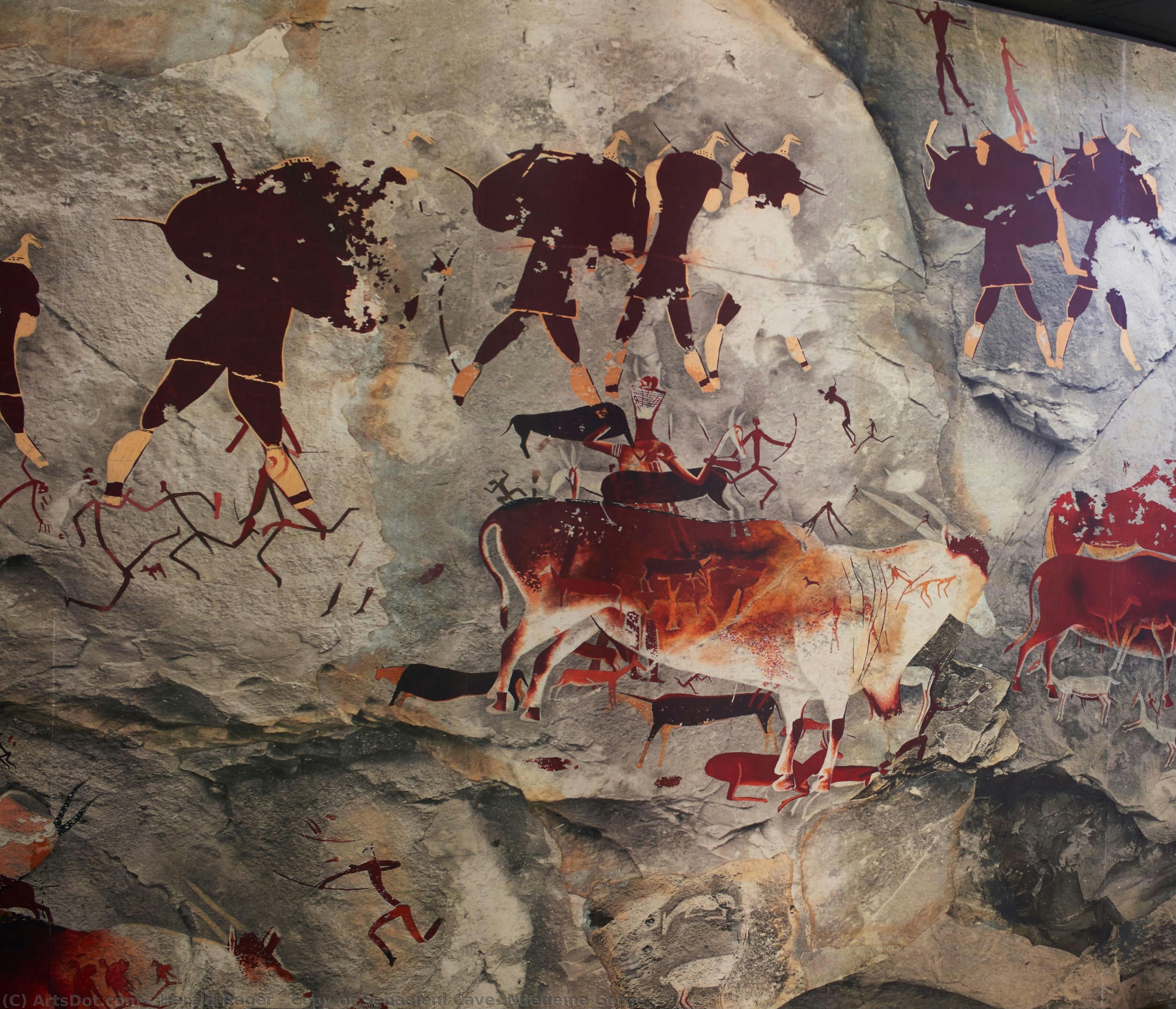
Copy of Sebaaieni Cave, Ndedema Gorge


 Ver más
Reproducción al óleo hecha a mano
Óleo sobre lienzo pintado a mano en el tamaño y marco de su elección, realizado por encargo por nuestros artistas. ( Cambiar a Impresión Cambiar a imagen digital)




P118B $10

P118H $10

P118W $10

P438Z $10

P508JH $12

P508YH $12

P805H $10

P805Z $10

P919BZ $10

P919G $10

P919XJ $10

P959ZH $10

P968JZ $12

W106C $8

W218G $10

W218JH $8

W218Y $10

W307PJ $10

W316G $10

W316PJ $8

W316Y $10

W398PJ $8

W4111J $10

W500HY $15

W500JH $15

W692G $12

W849H $8

W940BG $15

W953PJ $8




Elija entre nuestros tamaños predefinidos que respetan las proporciones originales de la obra.

Puede ingresar sus propias dimensiones para adaptarse a un marco o espacio específico. Si el tamaño seleccionado no coincide con las proporciones de la imagen original, recortaremos la obra o extenderemos la pintura con elementos adicionales pintados a mano. Se le enviará una maqueta digital para su aprobación antes de comenzar la producción.
Tenga en cuenta que la vista previa en pantalla no refleja el recorte o la extensión reales. Solo la maqueta mostrará con precisión la composición final.
Si bien existen tamaños personalizados, recomendamos seleccionar una dimensión de la lista predefinida para preservar las proporciones originales.
Tras realizar el pedido, el equipo de ArtsDot.com enviará un correo electrónico al cliente para solicitar instrucciones y proporcionarle una vista previa del boceto.
Envío a todo el mundo () en 3-4 semanas en lugar de las 5 semanas estándar. (10 septiembre). Sin comprometer la calidad.

Envío exprés gratuito a todo el mundo

Lienzo de lino de alta calidad

Seguro de envío total

Garantía de reembolso de impuestos aduaneros

Garantía de fidelidad cromática exacta

Política de devolución de 100 días (solo por defectos)

Garantía de devolución del 100% del dinero

Descuento por cantidad
 La opción de vidrio solo está disponible en tamaños inferiores a 110 cm.

Copy of Sebaaieni Cave, Ndedema Gorge
Técnica de reproducción
Dimensiones de la reproducción
-


Precio total final
$ 263
A Journey Through Time: The Living Landscape of Ndedema Gorge
In the evocative painting Copy of Sebaaieni Cave, Ndedema Gorge, the viewer is transported into a rhythmic dance of life and movement across an ancient, rugged terrain. This piece, a masterful reproduction of work by the dedicated Austrian artist Harald Pager, captures more than just a landscape; it captures a moment of profound connection between humanity, livestock, and the earth. The composition unfolds with a sense of wandering grace, as a group of figures traverses the crest of a weathered rock formation. There is an inherent vitality in the way the subjects are positioned—some pressing forward into the distance while others linger in the foreground—creating a cinematic depth that draws the eye through the undulating contours of the stone.
The presence of cows, wandering peacefully amidst the travelers, adds a layer of pastoral serenity to the scene. These animals serve as anchors of stillness within the movement, grounding the human activity in a cycle of traditional life that feels both timeless and deeply rooted in the geography of the gorge. The interplay between the figures, carrying the tools of their journey such as backpacks and handbags, suggests a narrative of migration, trade, or perhaps a seasonal pilgrimage. It is a scene that breathes with the quiet energy of a community in motion, making it an ideal centerpiece for those who wish to bring a sense of adventure and organic warmth into their living spaces.
The Legacy of Harald Pager: Preserving Ancient Narratives
To understand the soul of this artwork, one must look to the hands that recreated it. Harald Pager (1923–1985) was not merely a painter but a custodian of heritage. Driven by an intense fascination with the San/Bushman rock art of Southern Africa, Pager dedicated much of his career to meticulously documenting and replicating the intricate symbols etched into ancient sandstone canvases. His background in European Expressionism and Surrealism allowed him to approach these indigenous motifs with a unique sensitivity, blending the raw, primal power of prehistoric imagery with a sophisticated painterly technique.
In this specific work, Pager’s influence is felt in the way he translates the rugged textures of the Ndedema Gorge into a visual language that resonates with modern sensibilities. While the subject matter pays homage to the historical significance of the Sebaaieni Cave and its surrounding landscapes, the execution possesses a fluid, almost lyrical quality. For collectors and interior designers, this piece offers a rare opportunity to own a fragment of preserved history—a bridge between the ancient traditions of the San people and the contemporary appreciation for fine, narrative-driven art.
A Masterpiece for the Discerning Collector
For those looking to curate an environment of depth and storytelling, Copy of Sebaaieni Cave, Ndedema Gorge serves as a profound focal point. The artwork’s palette and composition are designed to evoke emotion, stirring feelings of nostalgia, wanderlust, and respect for the natural world. Whether placed in a sunlit gallery, a sophisticated study, or a contemporary living room, the painting introduces a layer of intellectual and aesthetic richness that transcends mere decoration.
The emotional impact of the piece lies in its ability to make the viewer feel like a silent participant in the journey. It invites contemplation on the passage of time and the enduring relationship between humans and the landscapes they inhabit. As a high-quality reproduction, it brings the rugged beauty of the Ndedema Gorge into the home, offering an enduring sense of peace and a window into a world where every movement is part of a much larger, ancient story.
Obras relacionadas

Biografía del artista
Harald Pager: Una Voz Dedicada al Arte Indígena
Harold Pager (1923-1985) fue un artista y diseñador austriaco cuya pasión por el arte rupestre San/Bushman lo impulsó a convertirse en una figura fundamental para la preservación de este extraordinario patrimonio visual. Impulsado por una fascinación inquebrantable hacia las intrincadas narrativas grabadas en antiguos lienzos de arenisca, emprendió la misión de recrear meticulosamente estas imágenes remotas, un compromiso que continúa resonando en el Rock Art Research Institute.Primeros Años y Comienzos Artísticos
Nacido en Austria, la trayectoria artística de Harold Pager comenzó en medio de un creciente interés por el expresionismo y el surrealismo europeo. Influenciado por artistas como Ernst Ludwig Kirchner y Giorgio Moriente, perfeccionó sus habilidades en la pintura y el diseño gráfico antes de dirigir su mirada hacia el cautivador mundo del arte aborigen a principios de la década de 1960. Este momento crucial despertó una fascinación duradera por el simbolismo y la narrativa inherentes a las tradiciones del arte rupestre, una conexión que definiría sus posteriores esfuerzos artísticos.La Obsesión por el Arte Rupestre
El encuentro de Pager con el arte rupestre San/Bushman resultó transformador, encendiendo un profundo deseo de documentar estas obras efímeras antes de que se desvanecieran en la oscuridad. Al reconocer la importancia de preservar el patrimonio cultural indígena, se dedicó a replicar con esmero los complejos patrones y representaciones que se encuentran en las cuevas de todo el sur de África. Su enfoque meticuloso, caracterizado por una observación minuciosa y una ejecución magistral, se convirtió en sinónimo de su práctica artística.Metodología y Técnica
La técnica de Pager era notablemente precisa. Empleaba una combinación de pigmentos de acuarela mezclados con resina para lograr colores vibrantes y profundidad textural, reflejando fielmente la apariencia de las superficies originales del arte rupestre. Cada reproducción exigía horas de labor cuidadosa, reflejando la dedicación de Pager no solo por capturar el parecido visual, sino también por transmitir el espíritu y el significado de estas antiguas obras de arte. El Rock Art Research Institute alberga actualmente una colección significativa de sus reproducciones, que sirven como evidencia tangible de su compromiso inquebrantable.Legado y Reconocimiento
La contribución de Harald Pager al campo de la investigación del arte rupestre es innegable. Sus meticulosas recreaciones han desempeñado un papel instrumental en el avance del entendimiento académico sobre el simbolismo y la narrativa aborigen. Además, defendió la importancia de la representación artística como una herramienta para el diálogo cultural, una perspectiva que se alinea con las discusiones contemporáneas sobre los derechos indígenas y la conservación del patrimonio. Aunque su vida se vio trágicamente truncada en 1985, el legado de Harald Pager persiste a través de sus duraderas reproducciones y su defensa incansable para salvaguardar estos tesoros irremplazables de la historia humana.Obras Notables
Un ejemplo particularmente digno de mención de la dedicación artística de Pager es la “Copia de la Cueva Sebaaieni”, ubicada en Ndedema Gorge: una reproducción impresionante que ejemplifica su técnica meticulosa y captura la esencia de la iconografía del arte rupestre aborigen. Esta obra, junto con muchas otras albergadas en el Rock Art Research Institute, se erige como un testimonio de la contribución singular de Harold Pager para preservar las tradiciones artísticas indígenas para las generaciones futuras.
Harald Pager
1923 - 1985 , Austria
Datos clave
- Artistic Movement Or Style: Reproducción de Arte Rupestre
- Date Of Birth: 1923
- Full Name: Harold Pager
- Nationality: Austríaco
- Notable Artworks: ['Copia del Cañón Sebaaieni']
- Place Of Birth: Austria
Artículos relacionados

Paul Cézanne: Las 25 Obras Maestras que Definieron el Arte Moderno | ArtsDot
Descubre las 25 obras maestras de Paul Cézanne que revolucionaron el arte moderno. Explora su técnica, inspiración y significado en paisajes, bodegones y retratos. Reproducciones de alta calidad para decorar tu hogar con arte inolvidable. ¡Explora la colección completa en ArtsDot.com!

Los 25 Tesoros del Louvre: Arte Clásico para Decorar con Elegancia | ArtsDot
Descubre los 25 tesoros del Louvre: desde la Mona Lisa de Leonardo da Vinci hasta la Venus de Milo. Explora la historia, el arte clásico y encuentra reproducciones de alta calidad para decorar tu hogar con elegancia en ArtsDot.com.

¿Ensamblando su Kit de Marco en Casa? Guía para Obras de Gran Formato (Elite-Collector)
Aprenda a ensamblar kits de marcos para obras de gran formato. Guía experta paso a paso, consejos profesionales y resultados impecables para coleccionistas exigentes.

Louis Bosworth Hurt: Capturing Atmospheric Light in the Scottish Highlands
Explore the serene landscapes & majestic Highland cattle paintings of Louis Bosworth Hurt (1856-1929). Discover his mastery of atmospheric perspective and lasting legacy in British art. Learn more at ArtsDot.

Kits de Enmarcado para Obras de Gran Formato: Guía Experta y Consideraciones Clave
Guía experta para enmarcar obras de arte de gran formato. Aprenda a elegir el kit adecuado, las herramientas necesarias y montar su cuadro como un profesional. ¡Calidad garantizada!