 Ver en contexto
 Enviar
 Compartir
 Detalles

 Descargar
 Similares
 Radiografía
 Presentación de diapositivas
 Estadísticas
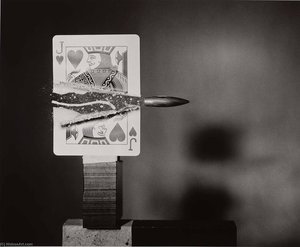
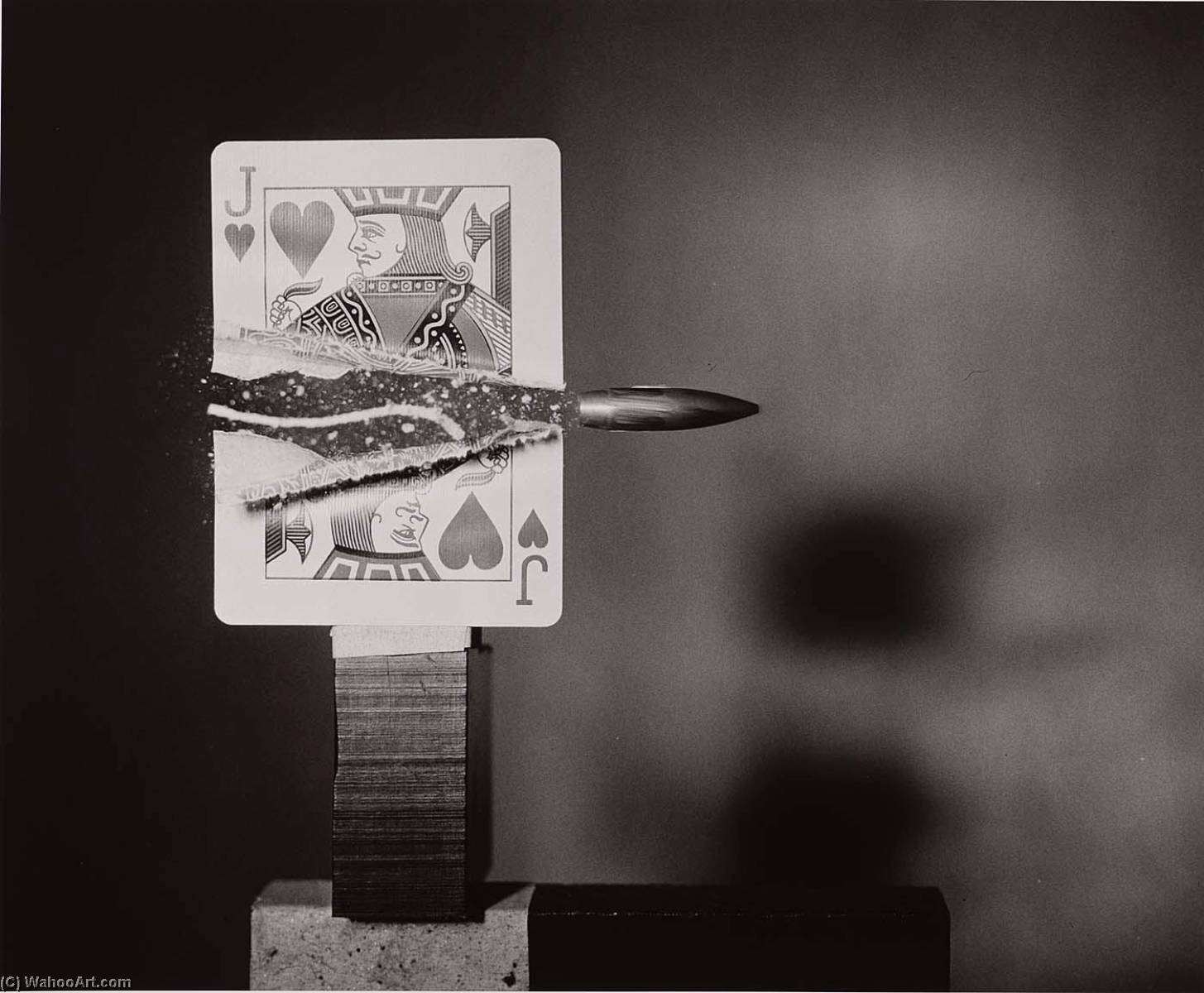
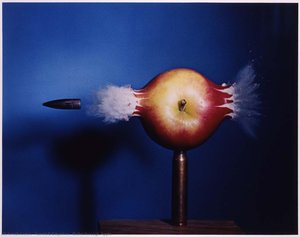
Balón atravesando al Jack de Corazones
 Contemporary Realism
 1981
1981 51.0 x 61.0 cm
 Ver más
Reproducción al óleo hecha a mano
Óleo sobre lienzo pintado a mano en el tamaño y marco de su elección, realizado por encargo por nuestros artistas. ( Cambiar a Impresión Cambiar a imagen digital)




































Elija entre nuestros tamaños predefinidos que respetan las proporciones originales de la obra.

Puede ingresar sus propias dimensiones para adaptarse a un marco o espacio específico. Si el tamaño seleccionado no coincide con las proporciones de la imagen original, recortaremos la obra o extenderemos la pintura con elementos adicionales pintados a mano. Se le enviará una maqueta digital para su aprobación antes de comenzar la producción.
Tenga en cuenta que la vista previa en pantalla no refleja el recorte o la extensión reales. Solo la maqueta mostrará con precisión la composición final.
Si bien existen tamaños personalizados, recomendamos seleccionar una dimensión de la lista predefinida para preservar las proporciones originales.
Tras realizar el pedido, el equipo de ArtsDot.com enviará un correo electrónico al cliente para solicitar instrucciones y proporcionarle una vista previa del boceto.
Envío a todo el mundo () en 3-4 semanas en lugar de las 5 semanas estándar. (10 septiembre). Sin comprometer la calidad.

Envío exprés gratuito a todo el mundo

Lienzo de lino de alta calidad

Seguro de envío total

Garantía de reembolso de impuestos aduaneros

Garantía de fidelidad cromática exacta

Política de devolución de 100 días (solo por defectos)

Garantía de devolución del 100% del dinero

Descuento por cantidad
 La opción de vidrio solo está disponible en tamaños inferiores a 110 cm.

Balón atravesando al Jack de Corazones
Técnica de reproducción
Dimensiones de la reproducción
-


Precio total final
$ 288
Un Instante Congelado: "Balas a Través del Jota de Corazones" de Harold Edgerton
La obra “Balas a Través del Jota de Corazones”, creada en 1981 por Harold Edgerton, es mucho más que una fotografía; es una exploración meticulosamente orquestada del tiempo, la fuerza y la fragilidad de la existencia. Esta icónica imagen, nacida del trabajo pionero de Edgerton con la fotografía de alta velocidad, continúa cautivando a los espectadores con su belleza austera y profundo simbolismo.
La Ciencia y el Arte de Capturar la Velocidad
Edgerton fue un reconocido ingeniero eléctrico e inventor que revolucionó la fotografía a través del desarrollo de luces estroboscópicas. No era simplemente un artista; era un científico que ampliaba los límites de lo que se podía capturar visualmente. “Balas a Través del Jota de Corazones” es un resultado directo de esta innovación. La fotografía representa una bala de calibre .32 perforando una carta – específicamente, el Jota de Corazones – suspendida en el aire. La velocidad increíble requerida para capturar tal evento requirió el sistema de luces estroboscópicas a medida de Edgerton, lo que le permitió congelar movimientos imperceptibles para el ojo humano. No se trataba simplemente de documentar una acción; se trataba de revelar una realidad oculta.
- Técnica: Fotografía de alta velocidad utilizando múltiples luces estroboscópicas precisamente sincronizadas para iluminar la trayectoria de la bala.
- Materiales: Película (probablemente Kodachrome, dada la época), equipo de iluminación especializado y, por supuesto, una carta y munición.
- Contexto Histórico: La imagen surgió durante la era de la Guerra Fría, un período marcado por las ansiedades en torno a la violencia y el avance tecnológico. El trabajo de Edgerton a menudo exploraba temas de movimiento e impacto, reflejando una fascinación tanto por el progreso científico como por sus posibles consecuencias.
Simbolismo y Resonancia Emocional
Más allá del brillante aspecto técnico, “Balas a Través del Jota de Corazones” tiene un peso simbólico significativo. El Jota de Corazones, que tradicionalmente representa el amor, las relaciones o las emociones, es brutalmente interrumpido por la bala – una representación contundente de la violencia y la destrucción. Los fragmentos dispersos de papel visualmente representan la fuerza del impacto, enfatizando la vulnerabilidad incluso de estructuras aparentemente estables. La paleta monocromática amplifica el drama, eliminando las distracciones y centrándose en el evento central.
- Amor y Pérdida: El Jota de Corazones representa el afecto y la conexión, destrozado por un acto repentino de violencia.
- Fragilidad: La imagen destaca la precariedad de la vida y las relaciones ante fuerzas imprevistas.
- Tiempo y Eternidad: Edgerton congela un instante fugaz, transformándolo en una representación eterna del impacto y las consecuencias.
Una Obra Maestra Atemporal para su Espacio
“Balas a Través del Jota de Corazones” no es simplemente una imagen impactante; es un poderoso comentario sobre la condición humana. Su composición austera, su iluminación dramática y su profundo simbolismo la convierten en una adición convincente a cualquier colección de arte o espacio interior. Ya sea exhibida en un entorno minimalista moderno o en un ambiente más tradicional, esta reproducción sin duda provocará conversaciones e inspirará contemplación. El atractivo perdurable de la imagen radica en su capacidad para fascinar tanto con su precisión científica como para resonar emocionalmente con los espectadores de todas las generaciones.
movement: Realismo Contemporáneo topics: Bodegón, Bala, Impacto, Violencia, Fragilidad, Monocromo, Destrucción, Precisión creative_period: Período Maduro corpus_context: Estética del Precisionismo y la Era de la Máquina, Técnicas fotográficas científicas, Estilo documental que captura eventos, Parte de la serie de estudios de movimiento de Edgerton, Demuestra habilidad en fotografía de alta velocidad, Explora la fusión de curiosidad científica y arte, Violencia yuxtapuesta con fragilidad, Fuerzas destructivas en un entorno controladoObras relacionadas
Biografía del artista
The Architect of Frozen Time: The Life and Legacy of Harold E. Edgerton
In the quiet intersection where rigorous scientific inquiry meets the profound beauty of visual art, few figures loom as large as Harold Eugene Edgerton. Affectionately remembered by many as “Papa Flash,” Edgerton was far more than a physicist or an engineer; he was a visionary who possessed the rare ability to peel back the veil of the invisible. Born in 1903 in Fremont, Nebraska, his journey began in a landscape of intellectual curiosity, shaped by a father whose mastery of language and oratory instilled in him a deep respect for communication. This early foundation would later manifest in his ability to communicate complex physical phenomena through the medium of light, turning the fleeting, imperceptible movements of our world into permanent, breathtaking icons of frozen motion.
Edgerton’s academic path was one of relentless pursuit and precision. After earning his bachelor’s degree in electrical engineering from the University of Nebraska–Lincoln in 1925, he moved toward the prestigious halls of the Massachusetts Institute of Technology (MIT). It was here, through his Master of Science and subsequent Doctor of Science degrees, that his fascination with synchronous motors and stroboscopic studies began to coalesce into a revolutionary methodology. He did not merely study light; he learned to command it. By refining the stroboscope from an obscure laboratory tool into a powerful instrument of illumination, he paved the way for a new era of photography—one where the camera could finally compete with the speed of thought and the velocity of nature.
The Alchemy of Light and Motion
The true magic of Edgerton’s work lies in his mastery of high-speed photography, a technique that allowed him to capture what the human eye is biologically incapable of perceiving. Through his innovative use of strobe lighting, he transformed the chaotic energy of motion into structured, sculptural compositions. His lens did not just record reality; it reinterpreted it. In works such as "Coronet," created in 1957, we witness the sublime beauty of a single drop of milk colliding with a liquid surface, creating a delicate, crown-like shape that exists for only a fraction of a second. This piece remains one of the most significant achievements in photographic history, demonstrating how scientific precision can evoke deep emotional and aesthetic responses.
This ability to freeze time extended to the most dynamic of subjects. Whether it was the intense, muscular exertion captured in his "Boxer" series or the rhythmic, looping energy of "Moving Skip Rope," Edgerton’s images possess a hyper-realistic quality that feels both startlingly present and eternally still. His technical prowess allowed him to explore themes of:
- The Fluidity of Nature: Capturing the intricate patterns of water splashes and droplets in works like "Water Sprinkler."
- Kinetic Energy: Revealing the hidden mechanics of physical movement, from sports to everyday gestures.
- Scientific Visualization: Using photography as a tool to document and explain complex physical processes through visual clarity.
A Lasting Impact on Science and Art
Beyond the frame of his photographs, Edgerton’s contributions to the world were vast and transformative. His research into sonar technology and deep-sea photography revolutionized our understanding of the ocean, even leading to collaborations with legendary explorers like Jacques Cousteau. His equipment played a pivotal role in searching for shipwrecks and exploring the mysteries of the deep, proving that his scientific mind was always tethered to a sense of wonder about the unknown. He bridged the gap between the laboratory and the gallery, demonstrating that the tools used to measure the universe are the very same tools used to celebrate its beauty.
As we reflect on the life of Harold E. Edgerton, we see a legacy defined by the illumination of the dark and the capture of the ephemeral. He taught us that there is an entire universe of motion occurring just beyond our perception, waiting for the right flash of light to bring it into view. His work remains a testament to the idea that science and art are not opposing forces, but rather two different languages describing the same magnificent reality. Through his eyes, the world was never just moving; it was dancing in a series of perfect, unforgettable moments.
harold e edgerton
1903 - 1990
Datos clave
- Artistic Movement Or Style: Hyperrealism
- Artists Or Movements Influenced By This Artist: ['Photography']
- Artists Who Influenced This Artist: ['Charles Stark Draper']
- Date Of Birth: April 6, 1903
- Date Of Death: January 4, 1990
- Full Name: Harold Eugene Edgerton
- Nationality: American
- Notable Artworks:
- Coronet
- Boxer
- Place Of Birth: Fremont, Nebraska
Artículos relacionados
Las 10 Obras Maestras del Negro Carbón: Arte, Historia y Decoración
Descubre 10 obras maestras del arte dominadas por el negro carbón. Explora la historia, técnica y significado de cuadros icónicos de artistas como Rembrandt y Goya. Encuentra reproducciones de museo en .

Obras Maestras Llenas de Juego: El Arte que Inspira Alegría y Vitalidad | ArtsDot
Descubre 10 obras maestras llenas de alegría y vitalidad. Explora la historia detrás de Monet, Renoir, Van Gogh y más. Encuentra lienzos originales e inspiración para decorar tu hogar con arte vibrante en ArtsDot.com

Las 10 Pinturas Más Famosas Dominadas por el Negro | Arte y Decoración
Descubre las 10 pinturas más impactantes dominadas por el negro. Explora obras maestras de Rembrandt, Goya y Rothko, su historia y significado. Encuentra reproducciones de arte exclusivas para transformar tu hogar en .
Silent Narratives: Exploring the Enduring Appeal of Still Life Painting Across Centuries
Explore the rich history of still life painting with ArtsDot. Discover Dutch Masters, decode vanitas symbolism & learn about collecting timeless art. Expert insights and museum-quality reproductions.

Monochrome Visions: Exploring the Aesthetic & Historical Significance of Black & White Photography
Explore the rich history & artistic power of black and white photography. From early techniques to iconic masters like Ansel Adams, discover why monochrome continues to captivate art lovers today. Expert insights for collectors.