

 Ver en contexto
 Enviar
 Compartir
 Detalles

 Descargar
 Similares
 Radiografía
 Presentación de diapositivas
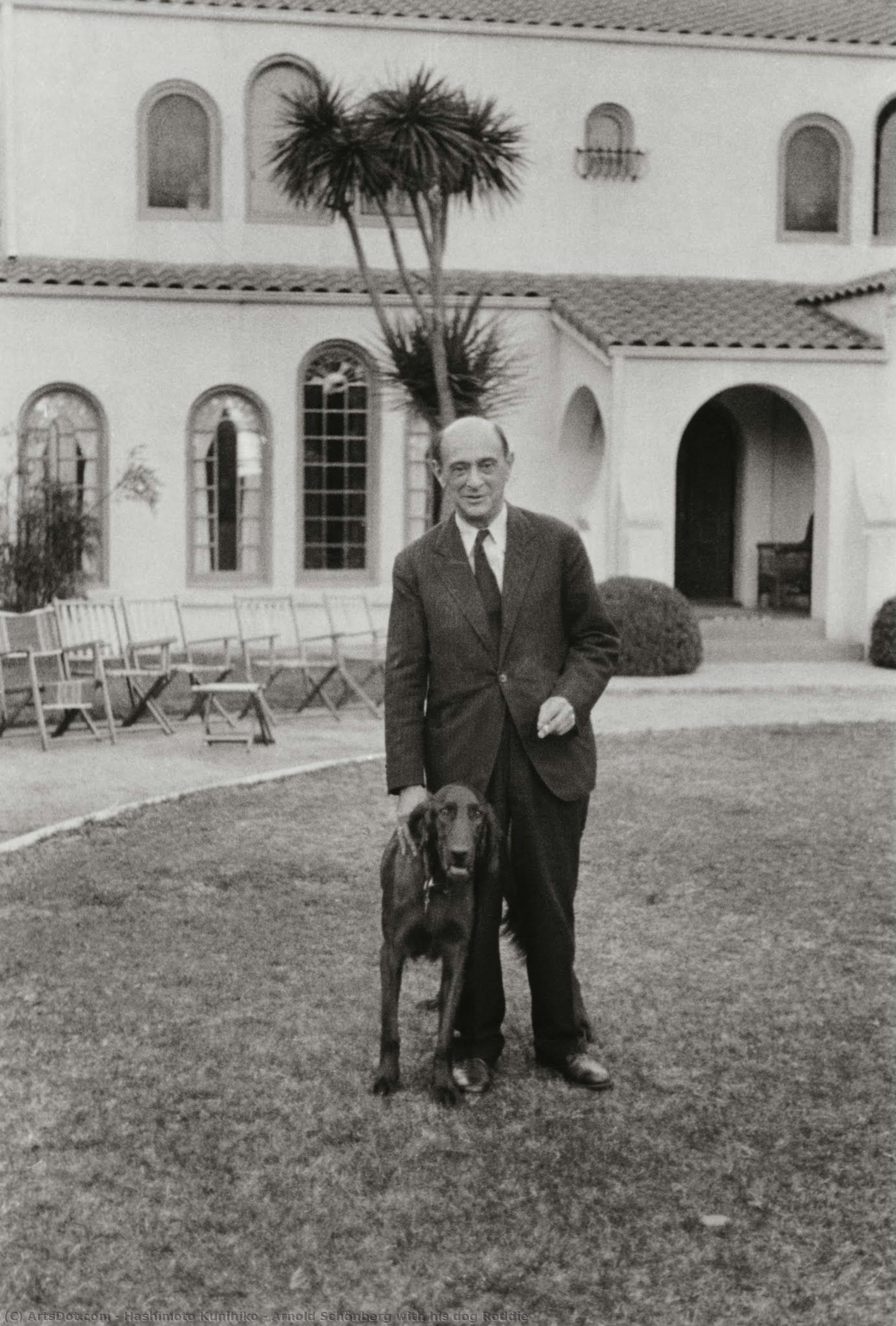
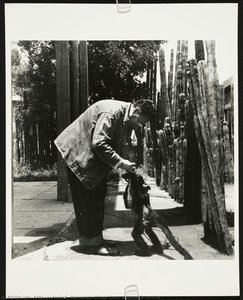
Arnold Schönberg with his dog Roddie
 1937
1937 8.0 x 12.0 cm
 Arnold Schönberg Center
 Ver más
Reproducción al óleo hecha a mano
Óleo sobre lienzo pintado a mano en el tamaño y marco de su elección, realizado por encargo por nuestros artistas. ( Comprar impresión Comprar imagen)




































Elija entre nuestros tamaños predefinidos que respetan las proporciones originales de la obra.

Puede ingresar sus propias dimensiones para adaptarse a un marco o espacio específico. Si el tamaño seleccionado no coincide con las proporciones de la imagen original, recortaremos la obra o extenderemos la pintura con elementos adicionales pintados a mano. Se le enviará una maqueta digital para su aprobación antes de comenzar la producción.
Tenga en cuenta que la vista previa en pantalla no refleja el recorte o la extensión reales. Solo la maqueta mostrará con precisión la composición final.
Si bien existen tamaños personalizados, recomendamos seleccionar una dimensión de la lista predefinida para preservar las proporciones originales.
Tras realizar el pedido, el equipo de ArtsDot.com enviará un correo electrónico al cliente para solicitar instrucciones y proporcionarle una vista previa del boceto.
Envío a todo el mundo () en 3-4 semanas en lugar de las 5 semanas estándar. (24 agosto). Sin comprometer la calidad.

Envío exprés gratuito a todo el mundo

Lienzo de lino de alta calidad

Seguro de envío total

Garantía de reembolso de impuestos aduaneros

Garantía de fidelidad cromática exacta

Política de devolución de 60 días (solo por defectos)

Garantía de devolución del 100% del dinero

Descuento por cantidad
 La opción de vidrio solo está disponible en tamaños inferiores a 110 cm.

Arnold Schönberg with his dog Roddie
Técnica de reproducción
Dimensiones de la reproducción
-


Precio total final
$ 263
Descripción de la obra
Obras relacionadas






Biografía del artista
Hashimoto Kunihiko: Bridging East and West Through Music
Hashimoto Kunihiko (橋本國彦; September 14, 1904 – May 6, 1949) stands as a singular figure in Japanese musical history—a composer who relentlessly pursued stylistic fusion, blending the traditions of Eastern music with the innovations of Western modernism. Born in Tokyo during a period of significant cultural exchange between Japan and Europe, Hashimoto’s artistic journey reflects this dynamic interplay, resulting in compositions that resonate with both solemn beauty and intellectual complexity.Early Life and Education: Seeds of Innovation
Kunihiko Hashimoto's formative years were marked by rigorous musical training under the tutelage of Egon Wellesz and Arnold Schoenberg—two titans of 20th-century music who championed atonality and explored new harmonic languages. Studying at Tokyo Music School (now Tokyo National University of Fine Arts and Music), he absorbed the principles of serialism and experimental orchestration, equipping him with a toolkit for forging his own distinctive voice. This exposure to influential figures like Schoenberg profoundly shaped Hashimoto’s compositional approach, prioritizing intellectual rigor alongside expressive depth. He recognized that true artistic advancement demanded confronting established conventions and embracing uncharted territories—a conviction that would permeate his entire oeuvre.Musical Style and Notable Works: Symphonies and Vocal Explorations
Hashimoto's musical style is characterized by its deliberate juxtaposition of Eastern melodic sensibilities with Western harmonic structures. His Symphony No. 1 in D exemplifies this ambition, utilizing dense orchestration and complex rhythmic patterns to convey a sense of grandeur while retaining traces of Japanese folk music influences. The composer sought to capture the spirit of Japan—its reverence for nature, its intricate rituals, and its profound philosophical traditions—within the framework of Western musical technique. Similarly, Symphonic Suite Heavenly Maiden and the Moon captures ethereal textures and evocative imagery—a testament to Hashimoto’s ability to synthesize disparate musical traditions into cohesive artistic statements. Beyond orchestral works, Hashimoto produced significant vocal pieces, exploring themes of spirituality and human experience with meticulous attention to detail. Pieces like “Celebrating the Birth of the Prince” and “Tiger Beetle” demonstrate his mastery of choral writing and underscore his commitment to conveying profound emotional resonance. His music is marked by a remarkable balance between intellectual contemplation and visceral feeling—a characteristic that distinguishes it from many of its contemporaries.Influences and Legacy: A Composer's Journey
Hashimoto’s artistic development was further enriched by collaborations with fellow musicians—including Alban Berg, Wilhelm Furtwängler, and Bruno Walter—who nurtured his creative spirit during his travels abroad. These encounters broadened his musical horizons and solidified his conviction that artistic innovation demanded a willingness to embrace diverse perspectives. He recognized the importance of dialogue between cultures—of drawing inspiration from traditions beyond one’s own immediate experience—a lesson he carried throughout his life and instilled in generations of students at Tokyo Music School. Hashimoto's legacy extends beyond his individual compositions; he served as a respected educator at Tokyo Music School, fostering the talents of future generations of Japanese musicians. His influence continues to inspire artists today who strive to forge new paths in music—a testament to his enduring contribution to the artistic landscape of Japan and beyond. ###Concluding Thoughts: Harmony Between Tradition and Modernity Hashimoto Kunihiko’s musical output represents a remarkable achievement in bridging the gap between Eastern and Western musical traditions. His unwavering dedication to experimentation, coupled with his profound understanding of both aesthetic principles, cemented his place as one of Japan's most important composers of the 20th century—a figure whose music continues to captivate audiences worldwide. He achieved this harmony not through mere imitation but through a genuine engagement with the spirit of each tradition, transforming them into elements of a singular artistic vision.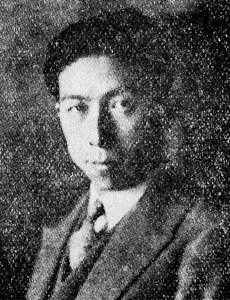
Hashimoto Kunihiko
1904 - 1949 , Japón
Datos clave
- Artistic Movement Or Style: Orientación Occidental
- Artists Or Movements Influenced By This Artist:
- Alban Berg
- Wilhelm Furtwängler
- Bruno Walter
- Artists Who Influenced This Artist:
- Egon Wellesz
- Arnold Schoenberg
- Date Of Birth: 1904
- Full Name: Hashimoto Kunihiko
- Nationality: Japones
- Notable Artworks:
- Sinfonía No. 1
- Suite Sinfónica Heavenly Maiden y la Luna
- Place Of Birth: Tokyo, Japón

