

 Ver en contexto
 Enviar
 Compartir
 Detalles

 Descargar
 Similares
 Radiografía
 Presentación de diapositivas
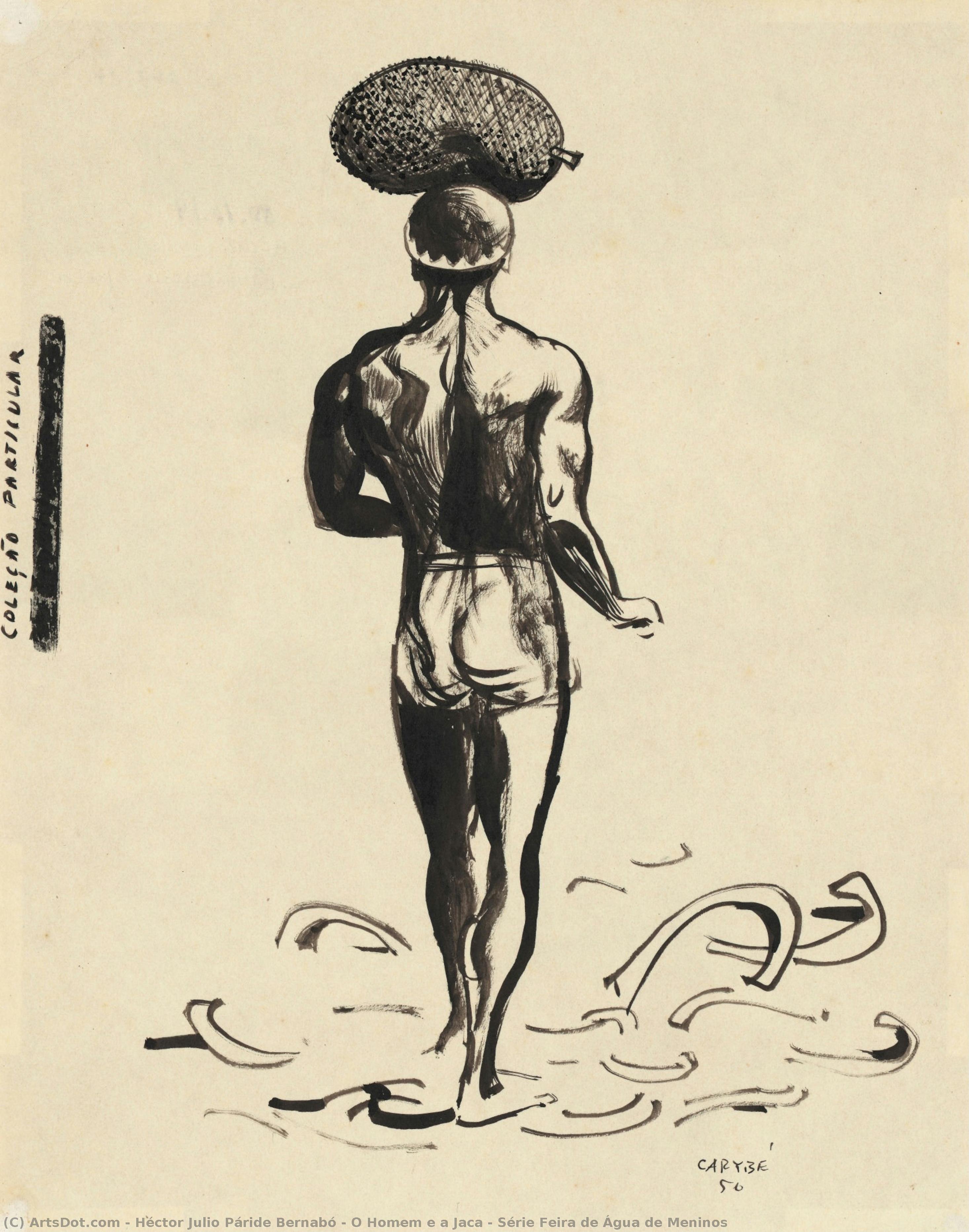
O Homem e a Jaca - Série Feira de Água de Meninos


 Ver más
Reproducción al óleo hecha a mano
Óleo sobre lienzo pintado a mano en el tamaño y marco de su elección, realizado por encargo por nuestros artistas. ( Comprar impresión Comprar imagen)




P118B $10

P118H $10

P118W $10

P438Z $10

P508JH $12

P508YH $12

P805H $10

P805Z $10

P919BZ $10

P919G $10

P919XJ $10

P959ZH $10

P968JZ $12

W106C $8

W218G $10

W218JH $8

W218Y $10

W307PJ $10

W316G $10

W316PJ $8

W316Y $10

W398PJ $8

W4111J $10

W500HY $15

W500JH $15

W692G $12

W849H $8

W940BG $15

W953PJ $8




Elija entre nuestros tamaños predefinidos que respetan las proporciones originales de la obra.

Puede ingresar sus propias dimensiones para adaptarse a un marco o espacio específico. Si el tamaño seleccionado no coincide con las proporciones de la imagen original, recortaremos la obra o extenderemos la pintura con elementos adicionales pintados a mano. Se le enviará una maqueta digital para su aprobación antes de comenzar la producción.
Tenga en cuenta que la vista previa en pantalla no refleja el recorte o la extensión reales. Solo la maqueta mostrará con precisión la composición final.
Si bien existen tamaños personalizados, recomendamos seleccionar una dimensión de la lista predefinida para preservar las proporciones originales.
Tras realizar el pedido, el equipo de ArtsDot.com enviará un correo electrónico al cliente para solicitar instrucciones y proporcionarle una vista previa del boceto.
Envío a todo el mundo () en 3-4 semanas en lugar de las 5 semanas estándar. (28 agosto). Sin comprometer la calidad.

Envío exprés gratuito a todo el mundo

Lienzo de lino de alta calidad

Seguro de envío total

Garantía de reembolso de impuestos aduaneros

Garantía de fidelidad cromática exacta

Política de devolución de 60 días (solo por defectos)

Garantía de devolución del 100% del dinero

Descuento por cantidad
 La opción de vidrio solo está disponible en tamaños inferiores a 110 cm.

O Homem e a Jaca - Série Feira de Água de Meninos
Técnica de reproducción
Dimensiones de la reproducción
-


Precio total final
$ 263
A Poetic Encounter with Daily Labor
In the evocative black and white drawing O Homem e a Jaca, part of the evocative Série Feira de Água de Meninos, we are transported to a moment of profound simplicity and strength. Created in 1950 by the master Argentine-Brazilian artist Héctor Julio Páride Bernabó, known affectionately as Carybé, this work captures a singular, heavy moment in time. The composition centers on a man navigating a sandy path, his body subtly contorted to balance the immense weight of a large jackfruit atop his head. There is an undeniable rhythm to his movement, a silent dance between human endurance and the gravity of nature's bounty. Through the stark contrast of light and shadow, Carybé invites us to witness not just a task, but a testament to the dignity found in everyday survival.
The technique employed here speaks to Carybé’s profound ability to distill complex emotions into minimalist strokes. By utilizing a monochromatic palette, the artist strips away the distractions of color to focus our attention on form, texture, and the raw essence of the subject. The grain of the sand and the rugged skin of the fruit are rendered with an expert hand, creating a tactile experience that makes the viewer feel the heat of the day and the physical strain of the laborer. This mastery of line and tone allows the artist to highlight the unique perspective of the man's posture, emphasizing the muscular tension required to maintain such a delicate yet heavy equilibrium.
Symbolism and Cultural Resonance
Beyond its literal depiction of a market scene, O Homem e a Jaca serves as a profound symbol of resilience. The jackfruit, massive and imposing, represents the weight of tradition, labor, and the sustenance provided by the earth. The man’s ability to carry this burden with grace reflects the spirit of the people Carybé so deeply admired and documented throughout his career in Brazil. As an artist who functioned as both a researcher and a journalist, Carybé infused his work with a deep respect for the cultural fabric of Bahia and beyond, turning a fleeting moment from a street market into a timeless icon of human perseverance.
<An Elegant Addition to Sophisticated Interiors
For collectors and interior designers, this reproduction offers a sophisticated opportunity to introduce a piece of mid-century Latin American mastery into a contemporary space. The monochromatic nature of the work makes it an incredibly versatile choice for various decor styles, from minimalist modernism to rustic, organic aesthetics. Its ability to evoke emotion through simplicity allows it to serve as a focal point in a gallery wall or as a contemplative standalone piece in a study or library. Owning a reproduction of this caliber is more than just acquiring art; it is about bringing a narrative of strength, history, and artistic genius into the home, providing a window into the soulful world of Carybé.
Obras relacionadas
Biografía del artista
Biography
Héctor Julio Páride Bernabó, known by his artistic name Carybé (Argentina, 1911 – Brazil, 1997), was an Argentine-Brazilian artist, researcher, writer, historian, and journalist. His life was profoundly shaped by a fervent passion for the arts from a young age. He settled in Brazil and naturalized as a Brazilian citizen. Carybé’s artistic journey spanned decades, resulting in an astonishing output of approximately five thousand artworks—paintings, drawings, sculptures, and sketches—demonstrating remarkable versatility and creative genius. Throughout his career, Carybé explored diverse themes rooted in indigenous Brazilian culture and folklore, particularly the traditions of Bahia. His distinctive style combined meticulous observation with imaginative interpretation, capturing the essence of rituals, myths, and landscapes. He was recognized as an Obá de Xangô, a prestigious honorary position within Ilê Axé Opô Afonjá, a significant Afro-Brazilian religious community where he served as spiritual leader. Carybé’s dedication to preserving cultural heritage earned him considerable acclaim both in Argentina and Brazil.Artistic Contributions
Carybé's artistic output encompassed a wide range of mediums and styles. He excelled in painting, producing monumental murals that celebrated Brazilian identity and spirituality—most notably two impressive works commissioned for Miami International Airport, which continue to inspire visitors today. His meticulous attention to detail and masterful use of color were particularly evident in his depictions of indigenous rituals and landscapes. Carybé’s artistic explorations extended beyond visual art; he conducted extensive research into Brazilian folklore and mythology, documenting traditions passed down through generations. Furthermore, Carybé collaborated closely with prominent literary figures like Jorge Amado and Gabriel García Márquez, illustrating their novels with evocative imagery that enriched the narratives and captured the spirit of Latin American storytelling. His illustrations for “One Hundred Years of Solitude” are considered masterpieces of visual literature, cementing his reputation as a storyteller alongside writers. He produced five thousand pieces of work, including paintings, drawings, sculptures and sketches.Notable Works
Carybé’s artistic legacy includes several celebrated artworks that exemplify his distinctive style and thematic concerns. Among these stand out: “Torso Retangular Ou Pano Da Costa I,” a painting characterized by its masterful manipulation of form and texture—a testament to his technical prowess—available for viewing on ArtsDot's platform. The artwork "The Pier," an oil canvas piece showcased at the Centro Cultural Banco do Brasil in Brasília, Brazil, captivated audiences with its vibrant colors and symbolic representation of maritime traditions. Finally, “Baiana Sambando - Série Bonfim,” a pen drawing housed at the Museu de Arte da Bahia in Salvador, Brazil, captured the dynamism and vibrancy of Bahian religious processions.Legacy and Honors
Carybé’s contributions to Brazilian art and culture are commemorated through numerous initiatives—including his murals at Miami International Airport—that underscore his enduring influence on artistic expression and cultural preservation. His unwavering commitment to documenting indigenous traditions and fostering intercultural dialogue solidified his position as a pivotal figure in Latin American intellectual history. He was honored with the Obá de Xangô title, recognizing his leadership within Ilê Axé Opô Afonjá and symbolizing his profound connection to Afro-Brazilian spirituality. Carybé’s artistic achievements continue to inspire artists and scholars alike, ensuring that his legacy persists for generations to come.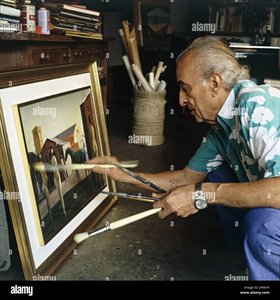
Carybé
1911 - 1997 , Argentina
Datos clave
- Artistic Movement Or Style: Art Deco
- Date Of Birth: February 7, 1911
- Date Of Death: October 2, 1997
- Full Name: Héctor Julio Páride Bernabó
- Nationality: Argentine-Brazilian
- Notable Artworks:
- Torso Retangular Ou Pano Da Costa I
- The Pier
- Baiana Sambando - Série Bonfim
- Place Of Birth: Buenos Aires, Argentina
Artículos relacionados
Blanco Sublime: Los 10 Cuadros Más Famosos Dominados por la Luz y el Color
Descubre los 10 cuadros blancos más emblemáticos de la historia del arte. Explora Monet, Van Gogh y Klimt, y su magistral uso de la luz y el color. Encuentra reproducciones de alta calidad e inspírate para tu decoración en .

Las 10 Pinturas Más Famosas Dominadas por el Negro | Arte y Decoración
Descubre las 10 pinturas más impactantes dominadas por el negro. Explora obras maestras de Rembrandt, Goya y Rothko, su historia y significado. Encuentra reproducciones de arte exclusivas para transformar tu hogar en .

Monochrome Visions: Exploring the Aesthetic & Historical Significance of Black & White Photography
Explore the rich history & artistic power of black and white photography. From early techniques to iconic masters like Ansel Adams, discover why monochrome continues to captivate art lovers today. Expert insights for collectors.
Ephemeral Expressions: Exploring the Nuances of Ink on Paper Through History & Contemporary Art
Explore the captivating world of ink wash painting – from its ancient origins to contemporary masters. Discover techniques, symbolism & conservation insights with ArtsDot.com.
Las 10 Obras Maestras Dominadas por el Negro Marsella: Arte y Decoración
Descubre las 10 pinturas más famosas dominadas por el negro marsella. Explora la historia, técnica y simbolismo de obras maestras del expresionismo alemán, gótico y arte moderno. Reproducciones de museos en .

