

 Vista previa
 Compartir
 Compartir
 Ver detalles

 Descargar
 Ver similares
 Radiografía
 Presentación de diapositivas
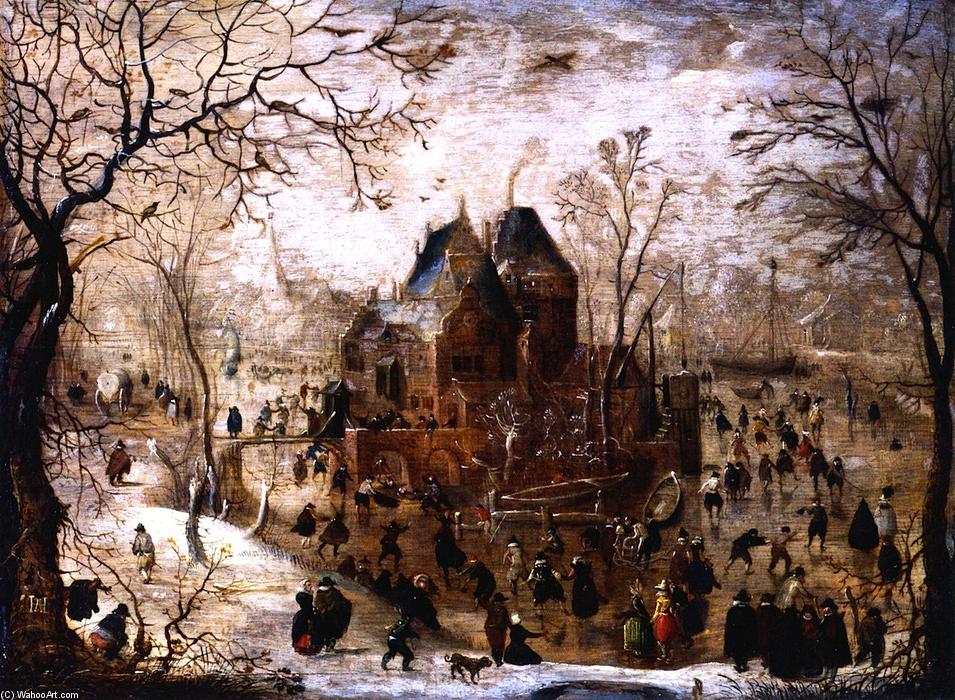
Winter Landscape with a Castle on an Island
 Dutch Golden Age
 1605
1605- Late Medieval
 25.0 x 34.0 cm
 Museo Wallraf-Richartz
 Leer más
Adquiera una imagen digital de alta resolución y optimizada, muy superior a la vista previa en línea.
Cada archivo es preparado meticulosamente por nuestros especialistas internos mediante el uso de herramientas avanzadas y un experto retoque manual. Nos aseguramos de que cada imagen posea una claridad excepcional, una precisión cromática impecable y un detalle minucioso.
El archivo final se entrega por correo electrónico en un plazo de 72 horas, optimizado para su uso inmediato en entornos profesionales, editoriales y de impresión. Esta es la misma calidad en la que confían los estudios de diseño, las editoriales y las galerías de primer nivel.
Imagen Digital
Descarga un archivo de alta resolución para exhibición personal, impresión y proyectos creativos. ( Pedir impresión Encargar reproducción pintada a mano)
Incluido en cada compra de imágenes digitales
Entrega digital experta, garantizada.
Al elegir ArtsDot.com, no solo está adquiriendo una imagen; está recibiendo una obra de arte digital mejorada profesionalmente, elaborada con precisión y respaldada por una garantía de satisfacción. Esto es todo lo que incluye su pedido, automáticamente:

Entrega rápida por email
Recibirá su archivo de imagen digital en alta resolución por correo electrónico en un plazo de 72 horas tras realizar su pedido, listo para su uso inmediato.

Archivo digital optimizado por IA
Su obra de arte se optimiza profesionalmente mediante herramientas avanzadas de IA y edición manual, garantizando el máximo detalle, claridad y precisión cromática.

Reenvío gratuito de por vida
¿Has borrado o perdido tu archivo por error? No te preocupes: te lo volveremos a enviar en cualquier momento, sin coste adicional.

Sin gastos de importación, siempre
Disfrute de su obra de arte al instante sin aduanas, aranceles ni gastos de envío; las descargas digitales siempre están libres de impuestos.

Garantía de precisión de color
Garantizamos que su imagen digital refleje los colores originales con la mayor fidelidad posible, mediante el uso de herramientas profesionales y gestión del color.

Garantía de satisfacción de 60 días
Si no está satisfecho con su imagen digital, la revisaremos o le reembolsaremos el 100% en un plazo de 60 días, sin preguntas.

100% Garantía de devolución de dinero
¿No está satisfecho? Obtenga un reembolso completo dentro de los 60 días posteriores a la recepción de su archivo digital, sin necesidad de explicaciones.

Descuentos por volumen
Compra 3 imágenes, ahorra 10% - Compra 5, ahorra 15% - Compra 10+, ahorra 20%. Ideal para proyectos creativos, galerías y agencias.
Descripción del coleccionable
A Frozen Moment in Time: Hendrick Avercamp’s “Winter Landscape with a Castle on an Island”
Hendrick Avercamp's "Winter Landscape with a Castle on an Island," painted in 1605, isn’t merely a depiction of a winter scene; it’s a meticulously crafted tableau of Dutch life frozen in time. This oil-on-panel masterpiece, currently residing within the Wallraf-Richartz-Museum in Cologne, Germany, offers a rare glimpse into the daily rhythms and social dynamics of 17th-century Holland – a world both familiar and profoundly distant. Avercamp’s genius lies not just in his technical skill but in his ability to infuse a static image with a palpable sense of movement, warmth, and human connection amidst the stark beauty of a winter landscape.
The painting immediately draws the eye to the central island, crowned by a formidable castle. This isn’t a romanticized fairytale fortress; it's a pragmatic structure, suggesting a seat of power and authority within this small community. Surrounding the island is a frozen lake, its surface shimmering with an ethereal quality achieved through Avercamp’s masterful use of glazes – thin layers of translucent paint that create a luminous effect, mimicking the play of light on ice. The trees lining the shore are rendered with remarkable detail, their branches heavy with snow and hinting at the resilience required to endure such harsh conditions. But it's not just the landscape itself that captivates; it’s the figures inhabiting this frozen world.
The Dance of Daily Life
Avercamp was a keen observer of human behavior, and “Winter Landscape” is brimming with activity. People are engaged in a multitude of tasks: skaters glide across the ice, their colorful clothing providing splashes of warmth against the monochrome backdrop; children build snowmen, their laughter seemingly echoing through the scene; couples stroll hand-in-hand, while others engage in more intimate pursuits – a detail that, though subtly rendered, speaks volumes about the social fabric of the time. The inclusion of these everyday activities elevates the painting beyond a simple landscape view, transforming it into a vibrant snapshot of community life.
Notice the details: the bundled figures carrying umbrellas to shield themselves from the biting wind, the dogs eagerly anticipating a romp on the ice, and the small boats navigating the frozen waters. Avercamp’s meticulous attention to these seemingly insignificant elements creates a sense of realism that is both captivating and deeply engaging. He wasn't simply painting a landscape; he was painting a story – a narrative woven from the threads of daily existence.
A Masterclass in Technique
Avercamp’s style is characterized by its soft, diffused colors and delicate brushstrokes. He employed a technique known as “aerial perspective,” subtly lightening the tones and reducing detail in the distance to create an illusion of depth and atmospheric haze. This masterful use of color and light not only enhances the realism of the scene but also evokes a sense of tranquility and serenity. The painting’s palette is dominated by muted blues, whites, and browns, punctuated by the vibrant hues of clothing and accessories – a testament to Avercamp's ability to capture both the beauty and the hardship of winter.
The artist’s use of impasto—thickly applied paint—adds texture and dimension to the scene, particularly in the depiction of the snow-laden trees. This technique further enhances the sense of realism and invites the viewer to reach out and touch the icy surface of the lake. Avercamp's work is a testament to his skill as a painter and his deep understanding of light and color.
Symbolism and Historical Context
“Winter Landscape” offers a fascinating window into the social and economic realities of 17th-century Holland. The presence of the castle on an island suggests a hierarchical society, with those in power residing in a privileged position above the common folk. The activities depicted – skating, building snowmen, and engaging in commerce – reflect the importance of leisure, community, and trade in Dutch life. Avercamp’s painting also provides insight into the challenges posed by the Little Ice Age, a period of prolonged cold that gripped Europe during this time.
Interestingly, Avercamp's work was often sold as finished pictures to be pasted into albums – a testament to his popularity and the demand for his winter scenes. His paintings captured a specific moment in Dutch history—a world where life revolved around the rhythms of nature and the bonds of community. Today, reproductions of “Winter Landscape with a Castle on an Island” continue to inspire and delight, offering a timeless reminder of the beauty and resilience of the human spirit.
Obras relacionadas

Biografía del artista
Un pionero del invierno holandés: La vida y el arte de Hendrick Avercamp
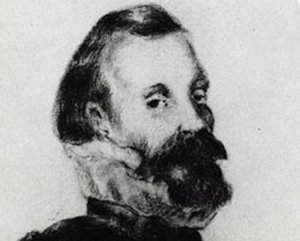
Hendrick Avercamp, un nombre que es sinónimo de los brillantes paisajes congelados de la Edad de Oro holandesa, nació en Ámsterdam el 27 de enero de 1585. Su historia vital es tan intrigante como su arte: un relato marcado tanto por la innovación artística como por las circunstancias personales. Desde una edad temprana, resultó evidente que Avercamp vivía en un mundo experimentado de forma distinta a la mayoría; era mudo y, probablemente, sordo, lo que le valió el afectuoso pero definitorio apodo de “de Stomme van Kampen”, el Mudo de Kampen. Esta limitación percibida, sin embargo, no sofocó su voz artística, sino que quizás agudizó sus habilidades observacionales, permitiéndole trasladar los matices del invierno holandón al lienzo con una claridad y un encanto inigualables. Inicialmente estudió en Ámsterdam bajo la tutela de Pieter Isaacsz, un retratista, y posiblemente también recibió la guía de David Vinckboons, cuya influencia puede apreciarse en las primeras obras de Avercamp. En 1608, se trasladó a Kampen, donde pasaría la mayor parte de su vida y se consolidaría como un artista único y celebrado.Capturando un mundo congelado: Estilo artístico e innovación
Avercamp destaca como uno de los primeros pintores dedicados exclusivamente al paisaje en la Holanda del siglo XVII, un periodo tradicionalmente dominado por el retrato, la pintura histórica y el bodegón. Se labró su propio nicho especializándose en escenas invernales, un tema que rara vez había sido explorado con un enfoque tan constante antes de su llegada. Sus pinturas no son meras representaciones del clima frío; son instantáneas vibrantes de la vida holandesa desplegándose sobre el hielo. Figuras que patinan, viajan en trineo, juegan al kolf (una forma de golf practicada sobre el hielo) y simplemente disfrutan de las vías fluviales congeladas, creando un tapiz animado de actividad humana frente a la cruda belleza del paisaje invernal. La destreza de Avercamp reside en su capacidad para transmitir tanto el frío de la estación como la calidez del disfrute comunitario. Empleó magistralmente la perspectiva aérea, alterando sutilmente colores y detalles para crear una sensación convincente de profundidad, atrayendo al espectador hacia estos mundos gélidos. Su técnica a menudo consistía en aplicar aguadas de acuarela sobre dibujos a pluma y tinta, logrando efectos delicados y luminosos. Estas obras de menor formato se vendían frecuentemente como piezas terminadas destinadas a álbumes de coleccionistas, un testimonio de su escala íntima y su gran atractivo.Legado e importancia histórica
El impacto de Hendrick Avercamp en la pintura holandesa es considerable. No solo popularizó el paisaje invernal como un tema legítimo para la exploración artística, sino que también ayudó a definir un enfoque distintamente neerlandés de la pintura de paisaje: uno que enfatizaba el realismo, los efectos atmosféricos y la representación de la vida diaria. Su trabajo sirvió de inspiración para generaciones posteriores de artistas y continúa cautivando al público en la actualidad. Colecciones notables que exhiben su maestría incluyen el Rijksmuseum en Ámsterdam, que alberga un número significativo de sus pinturas, y el Mauritshuis en La Haya. El legado de Avercamp se extiende más allá de sus logros artísticos; representa un triunfo sobre la adversidad, demostrando que la expresión creativa puede florecer incluso ante los desafíos personales. Falleció en Kampen el 15 de mayo de 1634, dejando tras de sí una obra que continúa ofreciendo una ventana al mundo vibrante y a menudo ignorado de la Holanda del siglo XVII: un mundo congelado en el tiempo, pero rebosante de vida.Obras notables
- Paisaje invernal con patinadores: Quizás su obra más icónica, esta pintura ejemplifica la maestría de Avercamp para capturar la energía y la atmósfera de una escena invernal holandesa.
- Calle en Delfi: Un raro ejemplo de Avercamp aventurándose más allá de los paisajes, mostrando su habilidad para representar la vida urbana.
- Disfrutando del hielo cerca de una ciudad: Demuestra su capacidad para crear composiciones dinámicas llenas de numerosas figuras dedicadas a diversas actividades.
Hendrick Avercamp
1585 - 1634 , Países Bajos
Datos clave
- Artistic Movement Or Style: Dutch Golden Age painting
- Artists Who Influenced This Artist:
- Pieter Isaacsz
- David Vinckboons
- Date Of Birth: January 27, 1585
- Date Of Death: May 15, 1634
- Full Name: Hendrick Avercamp
- Nationality: Dutch
- Notable Artworks:
- Winter Landscape with Skaters
- Street in Delfi
- Place Of Birth: Amsterdam, Netherlands

