 Ver en contexto
 Enviar
 Compartir
 Detalles

 Descargar
 Similares
 Radiografía
 Presentación de diapositivas
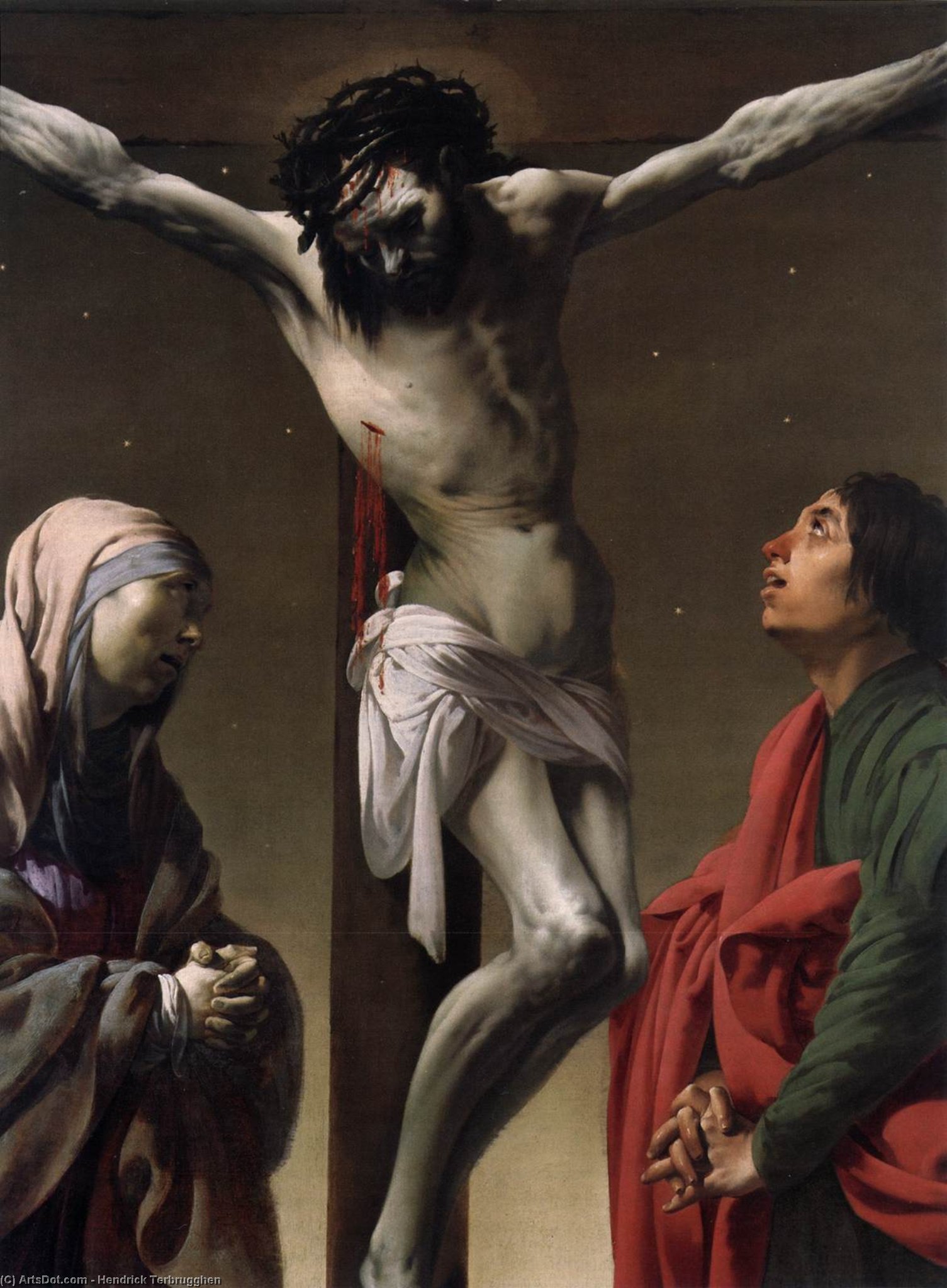
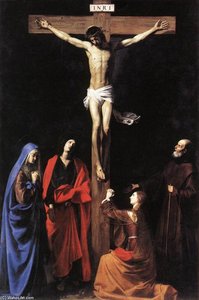
The Crucifixion with the Virgin and St John (detail)


 Ver más
Reproducción al óleo hecha a mano
Óleo sobre lienzo pintado a mano en el tamaño y marco de su elección, realizado por encargo por nuestros artistas. ( Comprar impresión Comprar imagen)




P118B $10

P118H $10

P118W $10

P438Z $10

P508JH $12

P508YH $12

P805H $10

P805Z $10

P919BZ $10

P919G $10

P919XJ $10

P959ZH $10

P968JZ $12

W106C $8

W218G $10

W218JH $8

W218Y $10

W307PJ $10

W316G $10

W316PJ $8

W316Y $10

W398PJ $8

W4111J $10

W500HY $15

W500JH $15

W692G $12

W849H $8

W940BG $15

W953PJ $8




Elija entre nuestros tamaños predefinidos que respetan las proporciones originales de la obra.

Puede ingresar sus propias dimensiones para adaptarse a un marco o espacio específico. Si el tamaño seleccionado no coincide con las proporciones de la imagen original, recortaremos la obra o extenderemos la pintura con elementos adicionales pintados a mano. Se le enviará una maqueta digital para su aprobación antes de comenzar la producción.
Tenga en cuenta que la vista previa en pantalla no refleja el recorte o la extensión reales. Solo la maqueta mostrará con precisión la composición final.
Si bien existen tamaños personalizados, recomendamos seleccionar una dimensión de la lista predefinida para preservar las proporciones originales.
Tras realizar el pedido, el equipo de ArtsDot.com enviará un correo electrónico al cliente para solicitar instrucciones y proporcionarle una vista previa del boceto.
Envío a todo el mundo () en 3-4 semanas en lugar de las 5 semanas estándar. (7 septiembre). Sin comprometer la calidad.

Envío exprés gratuito a todo el mundo

Lienzo de lino de alta calidad

Seguro de envío total

Garantía de reembolso de impuestos aduaneros

Garantía de fidelidad cromática exacta

Política de devolución de 100 días (solo por defectos)

Garantía de devolución del 100% del dinero

Descuento por cantidad
 La opción de vidrio solo está disponible en tamaños inferiores a 110 cm.

The Crucifixion with the Virgin and St John (detail)
Técnica de reproducción
Dimensiones de la reproducción
-


Precio total final
$ 288
The Agony on the Cross: Hendrick Ter Brugghen’s ‘Crucifixion with the Virgin and Saint John’
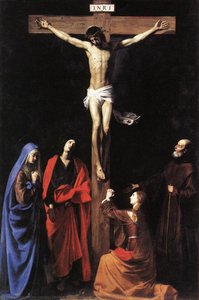
Hendrick ter Brugghen's “The Crucifixion with the Virgin and Saint John,” painted around 1624-25, is not merely a depiction of a pivotal moment in Christian faith; it’s an immersive experience of sorrow, grief, and profound spiritual contemplation. This oil on canvas masterpiece, now residing within the Metropolitan Museum of Art, transcends its historical context to resonate powerfully with viewers centuries later. Ter Brugghen, a key figure in the Utrecht Caravaggisti movement – a group deeply influenced by the dramatic intensity of Italian painter Caravaggio – masterfully blends late Gothic and Early Renaissance artistic traditions with his own distinctive style, creating an image that is both familiar and strikingly original.
The scene unfolds within a meticulously constructed space, dominated by the central figure of Christ on the cross. His body, rendered with agonizing realism, embodies the physical suffering inherent in his sacrifice. The artist’s use of chiaroscuro – the dramatic interplay of light and shadow – is particularly effective here, highlighting the wounds inflicted upon Christ while simultaneously enveloping the scene in a somber darkness. This technique, characteristic of Caravaggio's influence, intensifies the emotional impact, drawing the viewer’s eye directly to the focal point of suffering.
A Symphony of Sorrow: Composition and Symbolism
The composition is remarkably balanced, employing a pyramidal structure that directs the gaze upwards towards Christ. The Virgin Mary, positioned on the left, kneels in mourning, her face etched with grief – a potent symbol of maternal sorrow and divine compassion. Beside her stands Saint John the Evangelist, depicted as a youthful figure offering a gesture of solace and contemplation. These two figures aren’t simply witnesses to the crucifixion; they become surrogates for the viewer, inviting us into this shared experience of anguish and empathy.
Beyond these central figures, subtle details contribute significantly to the painting's symbolic weight. The stark, star-studded sky – a common motif in Northern European religious art – evokes a sense of cosmic drama and underscores the significance of Christ’s sacrifice within the grand scheme of creation. The carefully rendered drapery, rich with texture and folds, adds depth and realism to the scene, while also serving as a visual metaphor for the weight of suffering.
The Utrecht Caravaggisti: A Unique Artistic Voice
Ter Brugghen’s work is firmly rooted in the Utrecht Caravaggisti movement. This group of Dutch painters sought to emulate the dramatic lighting and emotional intensity of Caravaggio, adapting his style to the Northern European tradition. Unlike the more polished and idealized depictions common in some Italian art, Ter Brugghen's paintings often retain a raw, almost unsettling quality – reflecting the profound sorrow and spiritual urgency of the subject matter.
The painting’s stylistic choices—the flattened perspective, the emphasis on emotional expression over strict spatial accuracy, and the use of rough, uneven brushstrokes—are all hallmarks of the Utrecht Caravaggisti style. This approach created a sense of immediacy and intimacy, inviting viewers to connect with the scene on a deeply personal level.
A Legacy of Emotional Resonance
“The Crucifixion with the Virgin and Saint John” remains a powerful testament to Ter Brugghen’s artistic skill and his ability to capture the emotional weight of religious iconography. Its enduring appeal lies in its capacity to evoke empathy, contemplation, and a profound sense of spiritual significance. The painting's historical context—created during a period of religious upheaval and intense spiritual searching—further enhances its resonance, reminding us of the timeless themes of sacrifice, suffering, and redemption that continue to captivate audiences today. It’s a work that speaks not just to the eye but also to the heart, offering a glimpse into the depths of human emotion and faith.
Obras relacionadas
Biografía del artista
Hendrick Terbrugghen
Hendrick Jansz ter Brugghen, o Terbrugghen, (Deventer, h. 1588-Utrecht, 1 de noviembre de 1629) fue un pintor neerlandés, miembro destacado de los seguidores neerlandeses de Caravaggio — los llamados caravaggistas de Utrecht. Junto con Gerrit van Hondhorst y Dirck van Baburen, Ter Brugghen fue uno de los pintores holandeses más importantes que se vieron influidos por Caravaggio.- Early Life and Influences
- Artistic Career and Style
- Notable Works and Legacy
- Influence on Later Artists
- Museums and Collections Featuring Ter Brugghen’s Work
Early Life and Influences
Hendrick Jansz ter Brugghen was born probably in The Hague in 1588. His father, Jan Egbertsz ter Brugghen, originally from Overijssel, had moved to Utrecht, where he was appointed secretary to the Court of Utrecht by the Prince of Orange, William the Silent. This exposure likely influenced Hendrick's early interest in art. He studied under Abraham Bloemaert, a Mannerist painter, who instilled in him the foundational principles of artistic expression.Artistic Career and Style
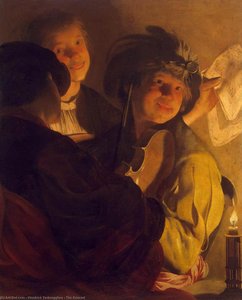
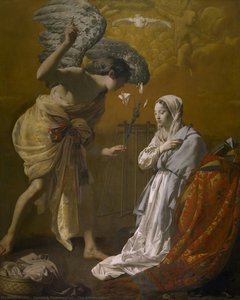
Ter Brugghen’s artistic journey began with his apprenticeship under Abraham Bloemaert, a Mannerist history painter. He later became one of the leading members of the Utrecht Caravaggisti, a group of dutch painters inspired by Caravaggio. His work is characterized by its dramatic use of light and shadow, as seen in his paintings like *The Annunciation* (alte pinakothek, munich, germany) and *The Reveler* (alte pinakothek, munich, germany). This technique—known as chiaroscuro—was adopted from Caravaggio’s masterful approach to illumination, creating a powerful visual impact.Notable Works and Legacy
Ter Brugghen produced several remarkable paintings that exemplify his distinctive style. *The Singing Lute Player* (the kremer collection, amsterdam, netherlands), an autograph replica of a painting in the national gallery, london, showcases his rich coloration and meticulous attention to detail. *The Annunciation*, a masterpiece reflecting his mastery of Caravaggio's style, remains one of his most celebrated achievements. Furthermore, Ter Brugghen’s influence extended beyond his own artistic output; Rembrandt van Rijjn acknowledged him as a pivotal figure in shaping Baroque art.Influence on Later Artists
Rembrandt van Rijjn considered Terbrugghen to be a pivotal figure in shaping Baroque art. Elements of Ter Brugghen's style can also be found in the paintings of Frans Hals and Johannes Vermeer, demonstrating the enduring legacy of his artistic innovations. His contribution to Dutch painting solidified his place as one of the most important artists of the Golden Age.Museums and Collections Featuring Ter Brugghen’s Work
Ter Brugghen's works are housed in prominent museums across Europe, including Mauritshuis (the hague, netherlands), where *Nymph and Satyr* by Sir Peter Paul Rubens is displayed. The Kremer Collection (amsterdam, netherlands) houses *The Singing Lute Player*, a testament to Ter Brugghen’s artistic prowess. Explore more of Ter Brugghen's masterpieces on ArtsDot.com.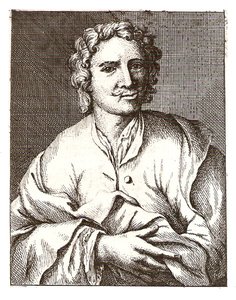
Hendrick Terbrugghen
1627 - 1629 , Países Bajos
Datos clave
- Artistic Movement Or Style: Caravaggisti Painting
- Artists Who Influenced This Artist:
- Abraham Bloemaert
- Rembrandt van Rijjn
- Date Of Birth: 1588
- Date Of Death: Nov 1629
- Full Name: Hendrick Jansz Terbrugghen
- Nationality: Dutch
- Notable Artworks:
- The Singing Lute Player
- Annunciation
- David Praised by the Israelite Women
- Place Of Birth: La Hague, Netherlands
Artículos relacionados

The Dramatic Flourish: Exploring the Baroque Movement's Enduring Legacy in Art History
Explore the dramatic world of Baroque art! Discover iconic artists like Caravaggio & Rubens, defining techniques, and its lasting impact on art history. Expert insights for collectors & enthusiasts at ArtsDot.
Decoding Baroque Grandeur: A Guide to the Drama and Emotion of 17th-Century Art
Explore the breathtaking drama of 17th-century Baroque art. Our expert guide decodes the use of chiaroscuro, emotional intensity, and historical grandeur to help you appreciate and curate timeless masterpieces for your collection.

The Visceral Stage: Exploring Dramatic Narratives & Emotional Intensity in Baroque Art
Explore the dramatic world of Baroque art! Discover iconic masters like Caravaggio & Rembrandt, their techniques, and the movement's lasting impact. Expert insights for collectors & enthusiasts at ArtsDot.

Baroque Classicism: Reconciling Drama & Order in 17th-Century Art
Explore the captivating world of Baroque Classicism! Discover its history, key artists like Caravaggio & Rubens, and defining characteristics. Expert insights & high-quality reproductions at ArtsDot.

Barroco Sublime: 10 Obras Maestras que Definieron una Época |
Descubre las 10 obras maestras del Barroco que marcaron una época. Caravaggio, Bernini y Velázquez cobran vida en . Reproducciones de arte de calidad museo para decorar tu hogar con elegancia. ¡Explora la colección online!