

 Ver en contexto
 Enviar
 Compartir
 Detalles

 Descargar
 Similares
 Radiografía
 Presentación de diapositivas
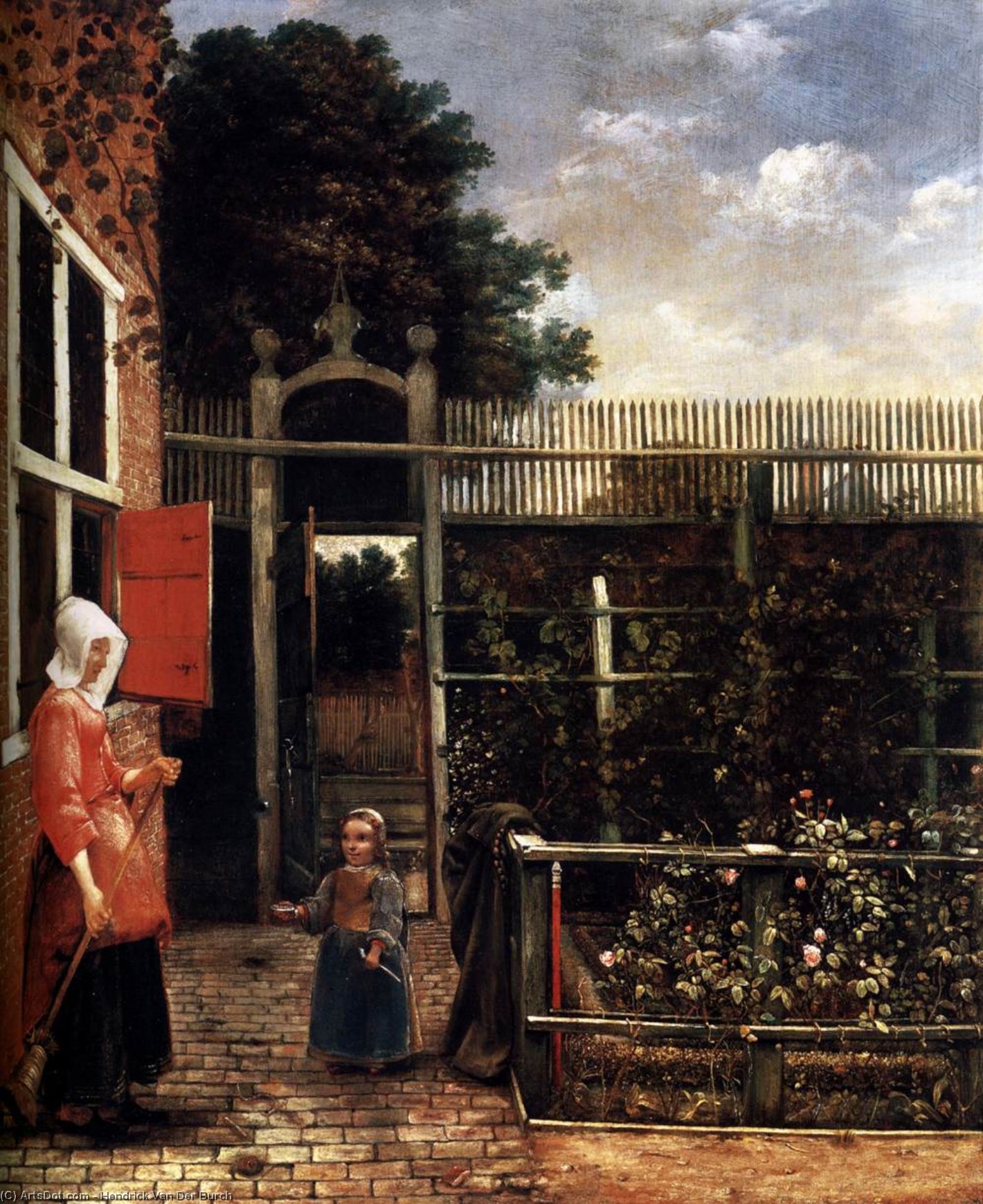
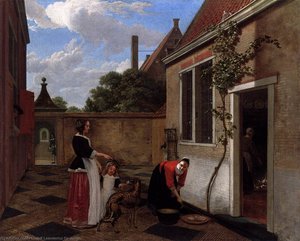
Woman with a Child Blowing Bubbles in a Garden
 Oil On Canvas
- WallArt
- Baroque
 1660
1660- Early Modern
 59.0 x 50.0 cm
 Kunsthaus Zürich
 Ver más
Reproducción al óleo hecha a mano
Óleo sobre lienzo pintado a mano en el tamaño y marco de su elección, realizado por encargo por nuestros artistas. ( Comprar impresión Comprar imagen)




P118B $10

P118H $10

P118W $10

P438Z $10

P508JH $12

P508YH $12

P805H $10

P805Z $10

P919BZ $10

P919G $10

P919XJ $10

P959ZH $10

P968JZ $12

W106C $8

W218G $10

W218JH $8

W218Y $10

W307PJ $10

W316G $10

W316PJ $8

W316Y $10

W398PJ $8

W4111J $10

W500HY $15

W500JH $15

W692G $12

W849H $8

W940BG $15

W953PJ $8




Elija entre nuestros tamaños predefinidos que respetan las proporciones originales de la obra.

Puede ingresar sus propias dimensiones para adaptarse a un marco o espacio específico. Si el tamaño seleccionado no coincide con las proporciones de la imagen original, recortaremos la obra o extenderemos la pintura con elementos adicionales pintados a mano. Se le enviará una maqueta digital para su aprobación antes de comenzar la producción.
Tenga en cuenta que la vista previa en pantalla no refleja el recorte o la extensión reales. Solo la maqueta mostrará con precisión la composición final.
Si bien existen tamaños personalizados, recomendamos seleccionar una dimensión de la lista predefinida para preservar las proporciones originales.
Tras realizar el pedido, el equipo de ArtsDot.com enviará un correo electrónico al cliente para solicitar instrucciones y proporcionarle una vista previa del boceto.
Envío a todo el mundo () en 3-4 semanas en lugar de las 5 semanas estándar. (27 agosto). Sin comprometer la calidad.

Envío exprés gratuito a todo el mundo

Lienzo de lino de alta calidad

Seguro de envío total

Garantía de reembolso de impuestos aduaneros

Garantía de fidelidad cromática exacta

Política de devolución de 60 días (solo por defectos)

Garantía de devolución del 100% del dinero

Descuento por cantidad
 La opción de vidrio solo está disponible en tamaños inferiores a 110 cm.

Woman with a Child Blowing Bubbles in a Garden
Técnica de reproducción
Dimensiones de la reproducción
-


Precio total final
$ 263
A Golden Afternoon in Dutch Domestic Bliss
Step back with us into the sun-drenched tranquility of the Dutch Golden Age, where life unfolded with an exquisite grace captured by Hendrick van der Burgh. This painting, depicting a woman and child amidst a lush garden setting, is more than just a portrait; it is a carefully composed tableau vivant of domestic joy. The vibrant splash of red worn by the central figures immediately draws the eye, suggesting vitality and warmth against the softer greens and earthy tones of the surrounding landscape. One can almost hear the gentle laughter echoing across the manicured lawn as the child blows iridescent bubbles, momentary spheres catching the light like captured dreams.
The Artistry of Everyday Life
Hendrick van der Burgh possessed a unique gift for observing the quotidian—the moments that pass unnoticed in our modern rush. While some contemporaries sought grand historical narratives or dramatic mythological scenes, Van der Burgh found his profound subject matter in the simple rhythms of daily existence. Here, the garden itself becomes a character; it is not merely a backdrop but an integral part of the narrative structure. Notice the details: the suggestion of a wrought-iron fence and gate lending architectural depth, and the potted plant anchoring the composition near the center. These elements ground the scene in reality, inviting the viewer to imagine themselves strolling through this very space.
Technique and Atmosphere
The mastery evident in this piece lies in Van der Burgh’s delicate handling of light and atmosphere. His technique allows the sunlight to filter through the foliage, creating subtle gradations of shadow and highlight that give the scene an almost palpable warmth. The composition is masterfully balanced; the figures occupy the left and center, while the background subtly recedes, populated by other indistinct figures enjoying their leisure. This careful arrangement guides the viewer’s eye naturally across the canvas, ensuring that every corner whispers a story of peaceful communion.
Symbolism of Leisure and Connection
In the context of 17th-century Dutch life, such scenes were potent symbols. They celebrated the burgeoning middle class's appreciation for private domestic pleasures and the value placed on family connection. The bubbles themselves carry a lovely symbolism—fleeting moments of pure, unburdened joy that exist only in the present instant. Owning a reproduction of this work brings that same feeling into your own home; it is an invitation to pause, to breathe deeply, and to appreciate the quiet beauty found within one's own garden walls.
Bringing Dutch Serenity Home
For collectors and interior designers alike, this artwork offers unparalleled depth. Whether displayed in a formal drawing-room or a sunlit conservatory, its gentle narrative quality adds an immediate layer of cultured serenity. The rich color palette, dominated by the striking red against the cool greens, ensures that it serves as both a focal point and a calming presence. It is a timeless piece that speaks to enduring human joys—the simple pleasure of company, nature, and a perfect afternoon.
Obras relacionadas


Biografía del artista
Hendrick van der Burgh: A Quiet Observer of Dutch Domestic Life
Hendrick van der Burgh (1627 – after 1664), a Delft painter active during the Dutch Golden Age, distinguishes himself from many of his contemporaries as an artist singularly focused on capturing the subtle nuances of everyday existence. Unlike Pieter de Hooch and others who prioritized monumental landscapes or dramatic portraits, Van der Burgh’s artistic vision centered on interiors—domestic scenes depicting ordinary people immersed in commonplace activities – milking time, a merry company at a table, and even a dentist’s consultation. While scholarly debate persists regarding whether these artists constituted a unified “school,” the rkd identifies Van der Burgh alongside luminaries like Isaías Boursse, Pieter Janssens Elinga, Cornelis de Man, Hendrick Ten Oever, and Jacob Vrel as practitioners of this distinctive genre style—a stylistic hallmark that sets him apart from his peers. Born in Delft around 1627, biographical details concerning Van der Burgh’s formative years remain scarce beyond confirmation of his residency in Leiden between 1658 and 1659. His artistic education undoubtedly transpired within the framework of Delft’s established guild system—a tradition where meticulous observation and masterful rendering were considered indispensable virtues. The artist's monogram “hvb,” appearing prominently on numerous prints and portraits, served as a marker of his prolific output, reflecting the prevailing values of his era: piety, familial devotion, and unwavering respect for established customs. Van der Burgh’s artistic style embodies remarkable restraint—a deliberate rejection of flamboyant ornamentation or dramatic chiaroscuro effects favored by painters of his time. Instead, he skillfully employed soft lighting and muted palettes to engender a palpable atmosphere within his canvases. Figures rendered with painstaking detail capture expressions of emotion, conveying an astute understanding of human psychology. Crucially, Van der Burgh’s meticulous attention to texture—the rough weave of woolen garments, the luminous sheen of polished surfaces—further amplifies the realism inherent in his compositions. This dedication to capturing tactile sensations elevates his artwork beyond mere visual representation, immersing viewers in a sensory experience that mirrors the realities of seventeenth-century Dutch life. His prints, particularly those depicting scenes from daily life, achieved considerable acclaim during his lifetime and continue to captivate audiences today. These images offer invaluable insight into the social mores and beliefs prevalent in Holland during the Golden Age—individuals engaged in activities ranging from domestic chores to scholarly pursuits. The artist’s ability to convey emotion through subtle gestures and facial expressions underscores his mastery of artistic technique and his profound empathy for human experience—qualities that resonate powerfully across centuries. Despite uncertainties surrounding his final years—estimated to have transpired Delft or Leiden after 1664—Hendrick van der Burgh secured his place in art history as a pivotal figure within Dutch genre painting. His unwavering commitment to portraying the quiet dignity of ordinary life, coupled with his exceptional artistic skill, ensures that his works endure as timeless representations of human experience and inspire ongoing admiration for their understated beauty. He remains an artist whose legacy resides not in grand spectacle but in the profound observation of the human condition—a testament to the enduring power of simplicity and sensitivity within the context of the Dutch Golden Age.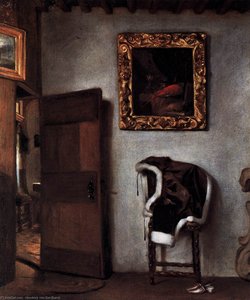
hendrick van der burch
1627 - 1666 , Países Bajos
Datos clave
- Artistic Movement Or Style: Dutch Golden Age Genre Painting
- Date Of Birth: 1627
- Full Name: Hendrick van der Burgh
- Nationality: Dutch
- Notable Artworks:
- Milking Time
- Company at Table
- Dentist Consultation
- Place Of Birth: Delft, Netherlands
Artículos relacionados

Los 10 Maestros del Siglo de Oro Holandés: Arte, Historia y Decoración Exclusiva
Descubre los 10 imprescindibles del Siglo de Oro Holandés: Rembrandt, Vermeer y más. Explora la historia, técnica y belleza de estos lienzos clásicos. Encuentra reproducciones de arte exclusivas para decorar tu hogar en .

Reflejos de una Época Dorada: La Pintura Barroca Holandesa y la Innovación Cultural
Descubra la riqueza y el detalle de la pintura barroca holandesa del Siglo de Oro. Explore las obras maestras de Rembrandt, Vermeer y otros artistas clave. Análisis experto e historia cultural.

La Luz y la República: Innovación Artística en el Siglo de Oro Neerlandés
Descubra la innovación artística del Siglo de Oro Neerlandés. Explore las obras maestras de Rembrandt y Vermeer, técnicas revolucionarias y el legado perdurable de este florecimiento cultural. ¡Sumérjase en la luz y la belleza!
Illuminating Realism: Exploring the Dutch Golden Age of Painting (1600-1700)
Explore the Dutch Golden Age of painting (1600-1700) with ArtsDot. Discover Rembrandt, Vermeer & other masters. Learn about techniques, history & find museum-quality reproductions.
Charles Leickert: Capturing the Dutch Golden Age Light – A Comprehensive Study of Technique, Context, and Legacy
Explore the captivating winter landscapes of Charles Leickert, a master of Dutch Golden Age light & atmosphere. Discover his techniques, symbolism, and lasting legacy – a comprehensive study for art enthusiasts and collectors.

