

 Ver en contexto
 Enviar
 Compartir
 Detalles

 Descargar
 Similares
 Radiografía
 Presentación de diapositivas
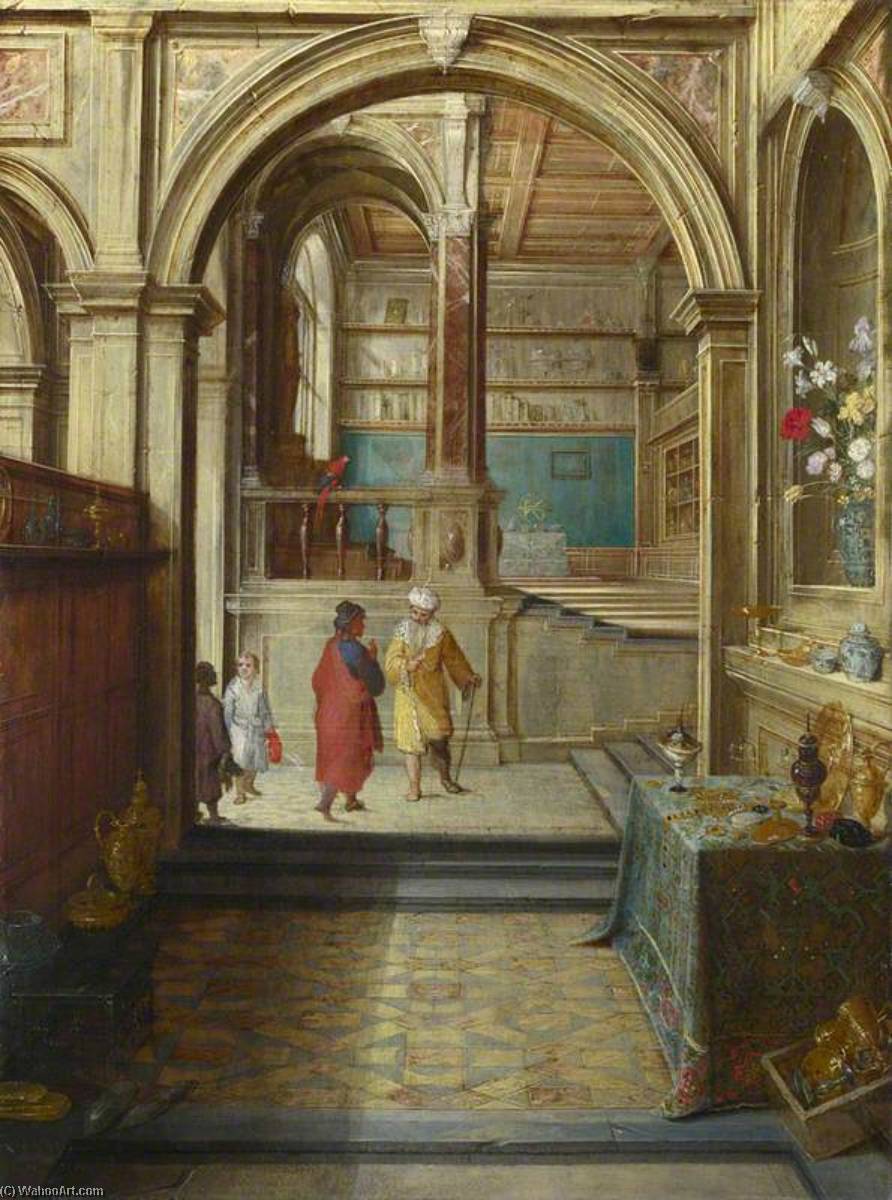
Croesus and Solon
 1610
1610 31.0 x 23.0 cm
 Ver más
Giclée / Impresión de arte
Impresiones giclée o en lienzo de calidad de museo con producción rápida y opciones de acabado flexibles. ( Comprar pintura hecha a mano Comprar imagen)




































Elija entre nuestros tamaños predefinidos que respetan las proporciones originales de la obra.

Puede introducir sus propias dimensiones para adaptarse a un marco o espacio específico. Si el tamaño seleccionado no coincide con las proporciones de la imagen original, recortaremos la obra de arte o extenderemos la imagen con un borde con efecto espejo o de color sólido. Se enviará una maqueta digital para su aprobación antes de que comience la producción.
Tenga en cuenta que la vista previa en pantalla no refleja el recorte o la extensión real. Solo la maqueta mostrará con precisión la composición final.
Aunque existen tamaños personalizados, recomendamos seleccionar una dimensión de la lista predefinida para preservar las proporciones originales.
Envío a todo el mundo () en 2 semanas en lugar de las 4/5 semanas estándar. (28 agosto)

Envío exprés gratuito a todo el mundo

Lienzo de lino de alta calidad

Seguro de envío total

Garantía de reembolso de impuestos aduaneros

Garantía de fidelidad cromática exacta

Política de devolución de 60 días (solo por defectos)

Garantía de devolución del 100% del dinero

Descuento por cantidad
 La opción de vidrio solo está disponible en tamaños inferiores a 110 cm.

Croesus and Solon
Giclée / Impresión de arte
Dimensiones de la reproducción
-


Precio total final
$ 62
Artistic Style and Influences
Hendrick Van Steenwijck The Younger was a Flemish painter known for his expertise in rendering detailed architectural interiors. His style was influenced by his father, Hendrik van Steenwijk I, who was also a painter of architectural scenes. The younger Steenwijck's work often featured grandiose spaces with intricate details, as seen in The Interior of a Gothic Church looking East, another notable painting by the artist available on ArtsDot.com.Narrative and Symbolism
The painting Croesus and Solon depicts a legendary moment from ancient Greek history, as recounted by Herodotus and Plutarch. The scene shows Solon, an Athenian philosopher and lawmaker, engaging in a conversation with Croesus, the King of Lydia, about the nature of happiness. This narrative is significant, as it highlights the importance of living a virtuous life over accumulating wealth. For more information on the artist's other works, visit ArtsDot.com.- Key elements of the painting include the detailed architectural setting and the expressive figures of Solon and Croesus.
- The use of oil on copper as a medium allows for intricate details and a sense of depth in the scene.
- The narrative conveyed by the painting is both thought-provoking and historically significant, making it a valuable piece for art enthusiasts and historians alike.
The painting Croesus and Solon is a testament to the artist's skill and his ability to convey complex narratives through his work. As a masterpiece of Flemish art, it continues to inspire and educate audiences today.
Obras relacionadas










Biografía del artista
The Architect of Light: The Life and Legacy of Hendrick van Steenwijck the Younger
In the golden era of the seventeenth century, when the dramatic flair of the Baroque movement began to reshape the European consciousness, few artists possessed the ability to transform mere stone and mortar into breathing, spiritual landscapes quite like Hendrick van Steenwijck the Younger. Born around 1580 in the vibrant artistic hub of Antwerp, Steenwijck was destined for a life defined by the precision of architecture and the soul of painting. His very foundation was laid by his father, Hendrick van Steenwijck I, a pioneer of the architectural interior genre. This familial lineage provided the young artist with more than just technical training; it gifted him an inherited eye for spatial illusionism, allowing him to perceive the hidden rhythms within grand cathedlam and silent corridors alike.
The trajectory of his early life was marked by a nomadic pursuit of excellence, moving from the ancestral roots of Antwerp to the industrious studios of Frankfurt am Main. Following his father's death in 1603, the mantle of the family studio fell to him, yet his spirit remained tethered to the Flemish tradition. His return to Antwerp saw him immersed in a period of profound collaboration and growth, working alongside luminaries such as Frans Francken I and Jan Brueghel the Elder. It was during these formative years that he likely absorbed the revolutionary techniques of Peter Paul Rubens, mastering the art of chiaroscuro—that breathtaking interplay of light and shadow that would eventually allow him to breathe life into the cold, vaulted ceilings of his subjects.
A Masterpiece of Perspective and Devotion
Steenwijck’s true magnum opus lies not in a single canvas, but in his monumental reimagining of the Antwerp Cathedral. Between 1620 and 1630, he embarked on an ambitious project to capture the grandeur of this sacred space, creating imaginary yet profoundly realistic interiors that served as benchmarks for the genre. These works were far more than mere architectural studies; they were spiritual experiences. Through a meticulous application of perspective, he invited viewers to wander through aisles of ornate columns and beneath soaring, ribbed vaults, where light filtered through stained glass to illuminate the divine. His ability to blend the structural rigidity of Gothic architecture with the emotive, dramatic energy of the Baroque era created a unique visual language that resonated with the religious fervor of his time.
Beyond the sacred, Steenwijck’s versatility allowed him to navigate the secular worlds of courtly elegance and biblical narrative. His skill was such that he became a sought-after collaborator for some of the greatest names in art history. In London, his brush provided the atmospheric backdrops for the portraits of Anthony van Dyck and Daniel Mytens the Elder, lending a sense of historical weight and architectural permanence to their depictions of nobility. Whether he was rendering the intimate details of a still life or the sweeping drama of a biblical scene like Croesus and Solon, his work remained anchored by an unwavering commitment to detail and a profound understanding of how light defines space.
The Final Chapters and Enduring Influence
As the decades progressed, Steenwijck’s journey took him toward the courts of The Hague, where he continued to refine his craft as a painter of distinction. His later years were spent in the service of high-ranking patrons, further cementing his reputation as an artist who could capture both the majesty of the state and the quietude of the soul. Even as his personal life moved through different regions—including periods near Leiden with his wife, Susanna van Steenwijk—his artistic output remained a testament to the enduring power of the architectural interior.
The historical significance of Hendrick van Steenwijck the Younger extends far beyond the frames of his individual paintings. He was a bridge between eras, a master who took the structural foundations of the Renaissance and infused them with the theatricality of the Baroque. His influence can be traced through the works of later masters like Pieter Neeffs I, who drew inspiration from Steenwijck’s ability to manipulate scale and light. Today, his legacy survives in the museums of the world, where his meticulously rendered cathedrals and grand halls continue to transport us to a time when art was a window into both the physical grandeur of man and the infinite mysteries of the divine.
hendrick van steenwijck the younger
1580 - 1649
Datos clave
- Artistic Movement Or Style: Baroque
- Artists Or Movements Influenced By This Artist: ['Anthony van Dyck']
- Artists Who Influenced This Artist:
- Peter Paul Rubens
- Jan Steen
- Date Of Death: 1649
- Full Name: Hendrick van Steenwijck the Younger
- Nationality: Dutch
- Notable Artworks:
- Saint Jerome in His Study
- Interior of a Church
- The Liberation of St Peter
- Place Of Birth: Antwerp

