 Ver en contexto
 Enviar
 Compartir
 Detalles

 Descargar
 Similares
 Radiografía
 Presentación de diapositivas
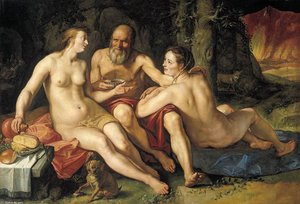
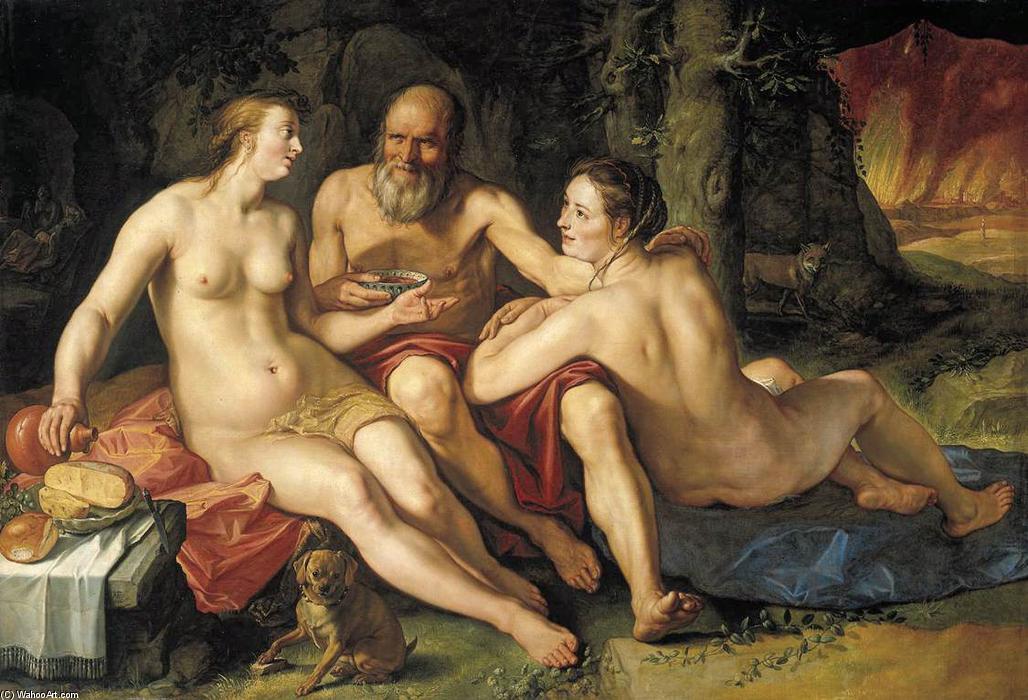
Lot y sus hijas
 Óleo sobre lienzo
- Arte de pared
- Manierismo nórdico
 1616
1616- Edad Moderna temprana
 140.0 x 204.0 cm
 Rijksmuseum
 Ver más
Reproducción al óleo hecha a mano
Óleo sobre lienzo pintado a mano en el tamaño y marco de su elección, realizado por encargo por nuestros artistas. ( Comprar impresión Comprar imagen)




P118B $10

P118H $10

P118W $10

P438Z $10

P508JH $12

P508YH $12

P805H $10

P805Z $10

P919BZ $10

P919G $10

P919XJ $10

P959ZH $10

P968JZ $12

W106C $8

W218G $10

W218JH $8

W218Y $10

W307PJ $10

W316G $10

W316PJ $8

W316Y $10

W398PJ $8

W4111J $10

W500HY $15

W500JH $15

W692G $12

W849H $8

W940BG $15

W953PJ $8




Elija entre nuestros tamaños predefinidos que respetan las proporciones originales de la obra.

Puede ingresar sus propias dimensiones para adaptarse a un marco o espacio específico. Si el tamaño seleccionado no coincide con las proporciones de la imagen original, recortaremos la obra o extenderemos la pintura con elementos adicionales pintados a mano. Se le enviará una maqueta digital para su aprobación antes de comenzar la producción.
Tenga en cuenta que la vista previa en pantalla no refleja el recorte o la extensión reales. Solo la maqueta mostrará con precisión la composición final.
Si bien existen tamaños personalizados, recomendamos seleccionar una dimensión de la lista predefinida para preservar las proporciones originales.
Tras realizar el pedido, el equipo de ArtsDot.com enviará un correo electrónico al cliente para solicitar instrucciones y proporcionarle una vista previa del boceto.
Envío a todo el mundo () en 3-4 semanas en lugar de las 5 semanas estándar. (27 agosto). Sin comprometer la calidad.

Envío exprés gratuito a todo el mundo

Lienzo de lino de alta calidad

Seguro de envío total

Garantía de reembolso de impuestos aduaneros

Garantía de fidelidad cromática exacta

Política de devolución de 60 días (solo por defectos)

Garantía de devolución del 100% del dinero

Descuento por cantidad
 La opción de vidrio solo está disponible en tamaños inferiores a 110 cm.

Lot y sus hijas
Técnica de reproducción
Dimensiones de la reproducción
-


Precio total final
$ 263
Descripción de la obra
A Masterpiece of Northern Mannerism
In the quiet halls of the Rijksmuseum in Amsterdam, there exists a canvas that commands attention through its profound psychological depth and technical virtuosity. Hendrik Goltzius’ “Lot and his Daughters” (1616) is far more than a mere biblical illustration; it is a breathtaking window into the soul of Northern Mannerism. This monumental oil on canvas, measuring an impressive 14 and a half by over twenty feet, invites the viewer into a moment of raw, human vulnerability. As we gaze upon the scene, we are transported to a time when art sought to balance the intellectual complexities of humanism with the visceral reality of survival. The painting captures the aftermath of divine destruction, where the survivors of Sodom and Gomorrah find themselves adrift in a landscape that is as beautiful as it is haunting.
The composition is a masterclass in the swelling line technique, a hallmark of Goltzius’s unparalleled skill. Through subtle variations in linework and meticulously layered glazes, the artist creates an illusion of immense volume and three-dimensional presence. The figures do not merely sit upon the canvas; they inhabit it with a palpable weight. This sense of physicality is heightened by a dramatic use of chiaroscuro—the interplay between light and shadow—which directs our eyes toward the central trio. The light falls softly across the skin of the figures, highlighting the anatomical precision that reflects the humanist ideals of the era, while deep, velvety shadows shroud the periphery, creating an atmosphere of tension and quiet intimacy.
The Intersection of Flesh and Narrative
At the heart of this work lies a complex emotional tapestry. The subjects—an older man, Lot, and his two daughters—are rendered with a striking nudity that was characteristic of classical and mythological depictions of the period. Yet, there is nothing purely decorative about their exposure; rather, it serves to emphasize their nakedness in the face of fate. Goltzius captures the subtle nuances of human emotion: the weary resignation in Lot’s posture, the watchful presence of his daughters, and even the quiet attentiveness of a small dog resting in the foreground. Every detail, from the texture of the bread and fruit scattered on the ground to the distant, tranquil landscape, contributes to a narrative of survival and primal instinct.
For the discerning collector or interior designer, this piece offers an unparalleled opportunity to introduce a sense of historical gravity and intellectual sophistication into a space. The palette, rich with warm earth tones contrasted against cool blues and greens in the background, provides a versatile yet commanding presence that can anchor a room. Whether placed in a grand library or a contemporary gallery setting, "Lot and his Daughters" acts as a conversation piece that transcends time. It is an invitation to contemplate the enduring human condition—the fear, the hope, and the resilience that define our shared history.
Owning a high-quality reproduction of this masterpiece allows one to preserve the legacy of Goltzius’s technical brilliance. To bring this work into your collection is to embrace the dramatic elegance of the Northern Mannerist tradition, ensuring that the profound beauty and psychological complexity of this 1616 treasure continue to inspire generations to come.
Obras relacionadas

Biografía del artista
Hendrik Goltzius (1558–1617): Maestro neerlandés de manierismo nórdico y el Barroco en grabado
Hendrick Goltzius, nacido cerca de Viersen en Alemania, pertenecía a una larga línea de artistas: su abuelo paterno y otro padre eran pintores en Venlo, y su padre, Jan Goltz II (1534–después de 1609), era pintor de vidrio en Duisburg. El teórico artístico Karel van Mander, quien es la principal fuente de información sobre Goltzius y su obra, señala que Goltzius fue aprendiz del grabador Dirck Volckertszoon Coornhert y se trasladó con su maestro desde Xanten a Haarlem poco después de 1576. Goltzius se casó con la hija de Jacob Matham en 1583, estableciendo una familia que continuaría hasta el siglo XVII. Su ambición por alcanzar el éxito artístico lo impulsó a explorar nuevas vías y estilos, dejando un legado significativo en la historia del arte holandés.Vida temprana y formación
Hendrick Goltzius nació alrededor de enero o febrero de 1558 en Bracht (hoy parte de Brüggen), cerca de la frontera entre Alemania y los Países Bajos. Su familia se trasladó a Duisburg cuando él tenía tres años, donde su padre trabajaba como pintor de vidrio. Desde joven mostró interés por el arte, estudiando pintura sobre vidrio bajo la guía de su padre antes de dedicarse al grabado. Esta formación temprana fue fundamental para desarrollar su habilidad técnica y sensibilidad artística, cualidades que caracterizarían toda su vida profesional.El desarrollo del talento artístico
La deformación congénita de su mano derecha, resultado de un incendio cuando era bebé, resultó ser una ventaja física excepcional para realizar el grabado con precisión y fuerza. Esta característica distintiva le permitió dominar un movimiento rápido y potente de línea, convirtiendo sus grabados en obras maestras reconocidas por toda Europa. Coornhert fue quien introdujo a Goltzius en el mundo del grabado profesional, enseñándole las técnicas esenciales para esta disciplina artística y proporcionándole una formación sólida que marcaría el inicio de su carrera como artista independiente.El grabado: Técnica innovadora y estilo manierista
Goltzius fue pionero en la utilización de la llamada "línea hinchada", una técnica revolucionaria que consistía en manipular el burín para hacer líneas más gruesas o más delgadas, creando efectos tonales desde lejos. Esta innovación técnica, junto con su dominio absoluto del grabado, le permitió crear obras maestras que reflejaban la sensibilidad estética del manierismo nórdico y anticipaban las tendencias del barroco europeo. Su estilo se caracterizó por una expresividad dramática y una atención meticulosa al detalle, buscando transmitir emociones intensas y capturar la belleza de los objetos representados con una precisión sorprendente. Entre sus obras más destacadas destacan *El Juicio Final*, *La Virgen María con el Niño Jesús*, *El Nacimiento de Cristo* y numerosas escenas religiosas y mitológicas que muestran su profundo conocimiento del arte clásico y renacentista.Influencias y legado
Goltzius recibió una fuerte influencia artística de artistas como Jacob Matham y Bartholomäus Spranger, cuyo estilo manierista aportó elementos clave a su obra. Además, fue reconocido por otros maestros de la época como Rembrandt Harmenszoon van Rijn y Johannes Vermeer, quienes admiraban su habilidad técnica y sensibilidad estética. Goltzius dejó un legado duradero en la historia del arte holandés, estableciendo nuevos estándares de excelencia artística y convirtiéndose en uno de los artistas más importantes de su tiempo. Sus grabados siguen siendo estudiados y apreciados por expertos y amantes del arte en todo el mundo, testimonio de la fuerza creativa y la innovación técnica que caracterizaron su obra maestra.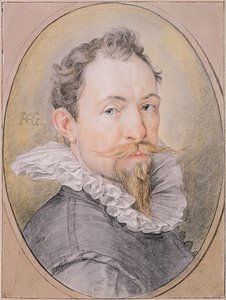
Hendrik Goltzius
1558 - 1617 , Alemania
Datos clave
- Artistic Movement Or Style: Northern Mannerism & Baroque engraving
- Artists Who Influenced This Artist:
- Dirck Volckertszoon Coornhert
- Bartholomeus Spranger
- Date Of Birth: January/February 1558
- Full Name: Hendrick Goltzius
- Nationality: Dutch
- Notable Artworks:
- The Adoration of the Shepherds
- Arcadian Landscape
- Head of a Siren
- Hercules Killing Cacus
- Demogorgon and the Deities
- Apollo Belvedere
- The Last Supper
- Place Of Birth: Bracht, Germany
Artículos relacionados
Los 25 Tesoros del Hermitage: Arte Clásico para tu Hogar | ArtsDot
Descubre los 25 tesoros del Museo Hermitage de San Petersburgo. Explora la historia y belleza de Rembrandt, Leonardo da Vinci y más. Reproducciones de arte en ArtsDot.com para decorar tu hogar con obras maestras.
Hendrick Goltzius: Master Engraver & the Flourishing of Dutch Mannerism
Explore the life & art of Hendrick Goltzius, a master engraver of Dutch Mannerism. Discover his innovative techniques, iconic engravings like 'Jahel', and lasting influence on Baroque art. Learn about collecting Goltzius today.
Las 10 Obras Maestras al Óleo sobre Panel que Transformaron la Historia del Arte |
Descubre las 10 obras maestras al óleo sobre panel que revolucionaron la historia del arte. Explora a Jan van Eyck, Botticelli y otros genios renacentistas. Reproducciones de arte exclusivas en para transformar tu hogar.
Las 25 Obras Maestras del Prado: Arte Español e Inspiración para tu Hogar
Descubre las 25 obras maestras del Museo del Prado: Velázquez, Goya, El Greco y más. Explora la historia, técnica y belleza de cada cuadro español. Encuentra reproducciones de arte exclusivas e inspira tu hogar con ArtsDot.com.

Rembrandt van Rijn: Las 25 Obras Maestras que Definen un Genio | Arte, Historia y Decoración
Descubre las 25 obras maestras de Rembrandt van Rijn, el genio del barroco holandés. Explora su historia, técnica y simbolismo en retratos icónicos como 'La Ronda Nocturna'. Encuentra reproducciones de arte exclusivas para decorar tu hogar con ArtsDot.com.