 Ver en contexto
 Enviar
 Compartir
 Detalles

 Descargar
 Similares
 Radiografía
 Presentación de diapositivas
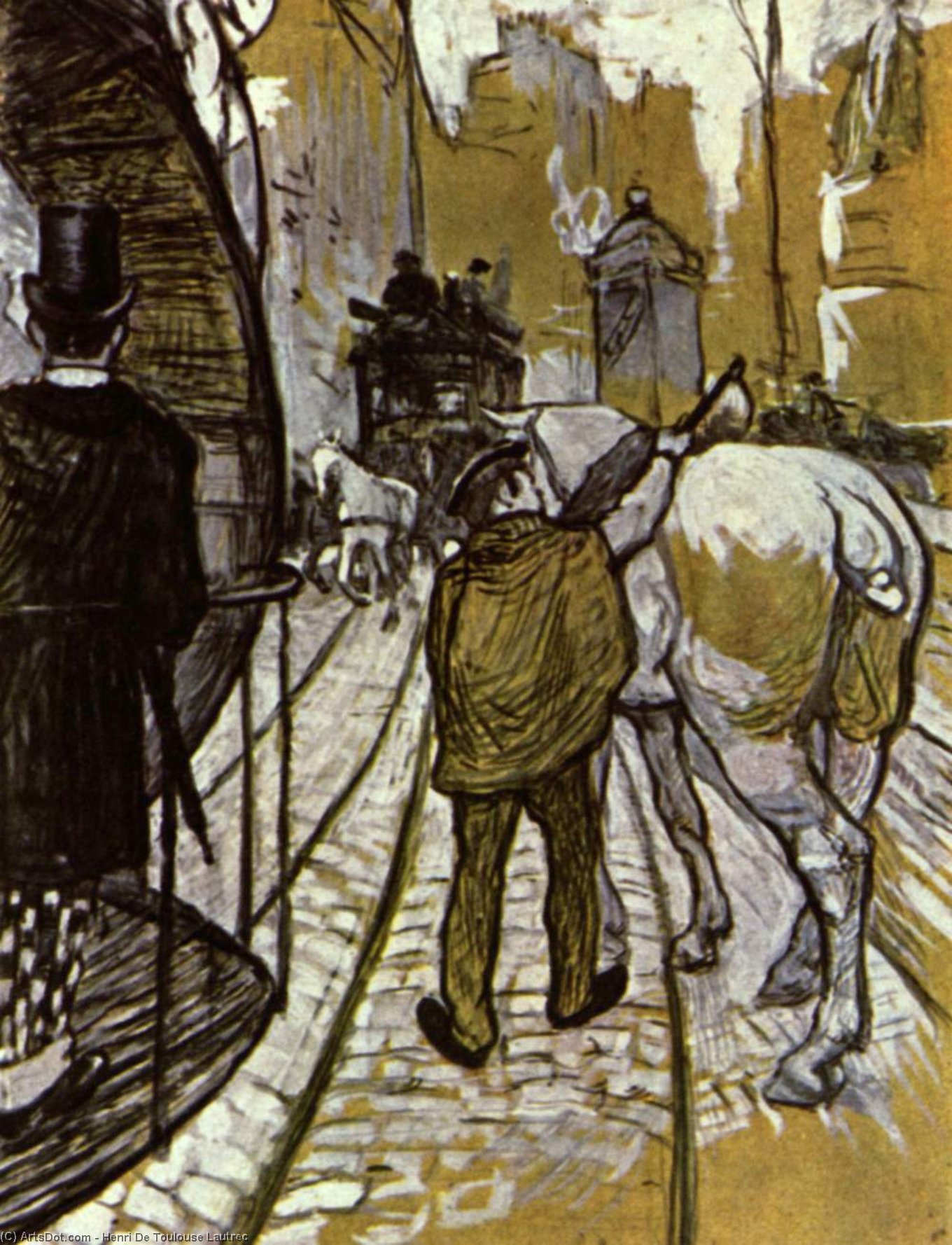
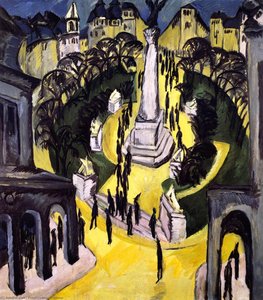
La compañía de autobuses costeros
 Acrílico sobre lienzo
- Arte de pared
- Impresionismo
 1888
1888 80.0 x 51.0 cm
 Ver más
Giclée / Impresión de arte
Impresiones giclée o en lienzo de calidad de museo con producción rápida y opciones de acabado flexibles. ( Comprar pintura hecha a mano Comprar imagen)




P118B $10

P118H $10

P118W $10

P438Z $10

P508JH $12

P508YH $12

P805H $10

P805Z $10

P919BZ $10

P919G $10

P919XJ $10

P959ZH $10

P968JZ $12

W106C $8

W218G $10

W218JH $8

W218Y $10

W307PJ $10

W316G $10

W316PJ $8

W316Y $10

W398PJ $8

W4111J $10

W500HY $15

W500JH $15

W692G $12

W849H $8

W940BG $15

W953PJ $8




Elija entre nuestros tamaños predefinidos que respetan las proporciones originales de la obra.

Puede introducir sus propias dimensiones para adaptarse a un marco o espacio específico. Si el tamaño seleccionado no coincide con las proporciones de la imagen original, recortaremos la obra de arte o extenderemos la imagen con un borde con efecto espejo o de color sólido. Se enviará una maqueta digital para su aprobación antes de que comience la producción.
Tenga en cuenta que la vista previa en pantalla no refleja el recorte o la extensión real. Solo la maqueta mostrará con precisión la composición final.
Aunque existen tamaños personalizados, recomendamos seleccionar una dimensión de la lista predefinida para preservar las proporciones originales.
Envío a todo el mundo () en 2 semanas en lugar de las 4/5 semanas estándar. (31 agosto)

Envío exprés gratuito a todo el mundo

Lienzo de lino de alta calidad

Seguro de envío total

Garantía de reembolso de impuestos aduaneros

Garantía de fidelidad cromática exacta

Política de devolución de 60 días (solo por defectos)

Garantía de devolución del 100% del dinero

Descuento por cantidad
 La opción de vidrio solo está disponible en tamaños inferiores a 110 cm.

La compañía de autobuses costeros
Giclée / Impresión de arte
Dimensiones de la reproducción
-


Precio total final
$ 62
Un Retrato del Alma de Montmartre
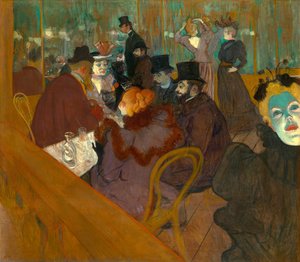
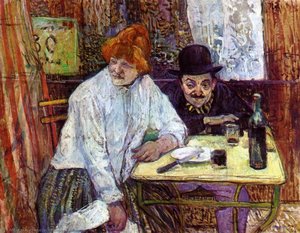
“The Coastal Bus Company”, pintada por Henri de Toulouse-Lautrec en 1888, no es simplemente la representación de una calle parisina; es una encapsulación del espíritu de la Belle Époque, un período definido por el optimismo, la experimentación artística y una fascinación por la vida urbana. Creado durante sus años formativos como artista, este lienzo encarna la visión distintiva de Toulouse-Lautrec: capturar momentos fugaces de la existencia cotidiana con paletas de colores audaces y pinceladas expresivas.
Estilo y Técnica: Audacia Impresionista
Catalogada dentro del Postimpresionismo, “The Coastal Bus Company” rechaza firmemente el realismo meticuloso defendido por los primeros impresionistas. En su lugar, Toulouse-Lautrec emplea una técnica que prioriza la captura de la luz y la atmósfera por encima del detalle preciso. El impasto grueso —una aplicación densa de la pintura— domina la superficie, creando una textura palpable y transmitiendo una sensación de dinamismo. El uso magistral del color por parte del artista es igualmente impactante; rojos, amarillos y azules vibrantes pulsan a través del lienzo, iluminando la escena con un resplandor energético.
Contexto Histórico: El Corazón Bohemio de Montmartre
Pintada en Montmartre, el hogar artístico de Toulouse-Lautrec, “The Coastal Bus Company” refleja la floreciente cultura bohemia de París en aquella época. Montmartre era un refugio para artistas, escritores y artistas escénicos, un contrapunto a la rígida formalidad de la sociedad parisina. El propio Toulouse-Lautrec frecuentaba estos cafés y teatros, sumergiéndose en la energía vibrante del distrito y traduciéndola al lienzo. La pintura captura esta atmósfera a la perfección, retratando una bulliciosa escena callejera poblada por parisinos comunes.
Simbolismo: Vacas, Caballos y la Vida Cotidiana
Más allá de su brillantez estilística, “The Coastal Bus Company” está cargada de un profundo significado simbólico. La inclusión de vacas —una vista común en Montmartre— representa la Francia rural yuxtapuesta al paisaje urbano. Del mismo modo, el caballo añade riqueza visual y contribuye a la sensación general de movimiento. De manera más profunda, el enfoque de Toulouse-Lautrec en la gente común —sus gestos, expresiones e interacciones— sugiere una preocupación humanista por retratar la experiencia humana de forma auténtica.
Impacto Emocional: Capturando la Belleza Transitoria
“The Coastal Bus Company” logra transmitir una resonancia emocional que trasciende sus elementos visuales. La pintura evoca una sensación de inmediatez y espontaneidad, como si hubiéramos tropezado con un momento fugaz congelado en el tiempo. El pincel magistral de Toulouse-Lautrec captura la energía de Montmartre, invitando a los espectadores a contemplar la belleza que se encuentra en lo cotidiano. La obra permanece como un testimonio de su capacidad para transformar temas ordinarios en obras de arte extraordinarias.
Obras relacionadas
Biografía del artista
Henri de Toulouse-Lautrec: A Parisian Visionary
Henri Marie Raymond de Toulouse-Lautrec-Monfa, universally known as Toulouse-Lautrec (1864 – 1901), stands as one of the most distinctive voices in late nineteenth-century French art. Born into a noble lineage descended from the Counts of Toulouse and Odet de Foix, Vicomte de Lautrec, his childhood was marked by both privilege and profound physical adversity—a condition suspected to be pycnodysostosis that stunted his growth after adolescence. This physical difference wasn’t merely an impediment; it became a catalyst for artistic exploration, shaping his perspective and fueling his fascination with the marginalized figures inhabiting the vibrant streets of Montmartre. Rejecting academic conventions, Toulouse-Lautrec embraced a bold aesthetic rooted in Japanese woodblock prints—a burgeoning trend that captivated European artists—characterized by flattened perspectives and dynamic compositions.Early Artistic Training and Influences
His formal artistic education began in Paris under the tutelage of Léon Bonnat and Fernand Cormon, equipping him with foundational skills in drawing and painting. However, it was his encounter with Auguste Rodin that proved transformative. Rodin recognized Toulouse-Lautrec’s talent and invited him to join his studio as a draftsman, providing invaluable experience in studying the human form—a rare opportunity for a young man burdened by physical limitations. This mentorship profoundly impacted his artistic sensibilities, fostering an appreciation for anatomical accuracy combined with expressive gesture. Early influences included Eugène Delacroix and Gustave Courbet, whose emphasis on capturing fleeting moments of emotion resonated deeply within Toulouse-Lautrec’s creative spirit. He absorbed the Impressionist techniques championed by Claude Monet and Pierre-Auguste Renoir, adapting them to his own distinctive vision—a synthesis that would define his artistic style.The Montmartre Aesthetic: Capturing Parisian Life
Toulouse-Lautrec's artistic breakthrough occurred in Montmartre, a bohemian enclave teeming with artists, performers, and intellectuals. He abandoned the grand narratives of academic painting for the immediacy of everyday life—the Moulin Rouge cabaret, the cafes frequented by writers and musicians, the prostitutes of Rue Lepic—subjects that captivated him with their sensual energy and social complexities. Unlike many Impressionists who sought to capture idealized beauty, Toulouse-Lautrec unflinchingly portrayed his subjects with honesty and compassion, revealing both their allure and vulnerability. He employed a masterful technique of line drawing—characterized by bold contours and expressive hatching—to convey movement and emotion, capturing the dynamism of Montmartre’s nightlife with unparalleled precision. His lithographs—particularly those depicting scenes from the Moulin Rouge—became iconic images of the era, disseminating his vision far beyond the confines of Parisian studios.Technique and Style: Line, Color, and Lithography
Toulouse-Lautrec's artistic style is instantly recognizable for its distinctive characteristics. He prioritized line drawing above all else, utilizing it not merely to delineate form but to imbue his compositions with energy and rhythm. His color palette—often muted yet infused with vibrant hues—served as a counterpoint to the dominant black and white of lithography, enhancing the visual impact of his prints. He skillfully manipulated tonal values—creating dramatic contrasts between light and dark—to heighten emotional intensity and sculpt form. Toulouse-Lautrec’s mastery of lithography was particularly noteworthy; he recognized its potential for mass reproduction and artistic expression, elevating it beyond mere commercial printing. This medium allowed him to disseminate his vision widely, solidifying his reputation as a pioneer of modern graphic art. His prints are notable for their bold compositions and flattened perspectives—a stylistic innovation that foreshadowed developments in Cubism and Futurism.Legacy and Influence: A Lasting Impression
Toulouse-Lautrec died tragically young at the age of 36 from complications stemming from alcoholism and syphilis, leaving behind a legacy of remarkable artistic achievement. Despite his brief career, he exerted an indelible influence on subsequent generations of artists—particularly those exploring themes of psychological depth and subjective experience. He stands as one of the pivotal figures in bridging the gap between Impressionism and Modern Art, establishing himself as a champion of expressive line and color. His unflinching portrayal of human vulnerability continues to resonate today, reminding us that art can illuminate the complexities of human emotion and perception. Toulouse-Lautrec’s work remains celebrated for its stylistic innovation, its evocative imagery, and its enduring fascination with the spirit of Montmartre—a testament to his singular vision and artistic genius.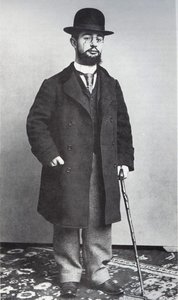
comte henri marie raymond de toulouse-lautrec-monfa
1864 - 1901 , Francia
Datos clave
- Artistic Movement Or Style: Post-Impressionismo
- Artists Or Movements Influenced By This Artist: ['Arte Nouveau']
- Artists Who Influenced This Artist: ['Léon Bonnat']
- Date Of Birth: 24 noviembre 1864
- Date Of Death: 9 septiembre 1901
- Full Name: Henri Marie Raymond de Toulouse-Lautrec Montfa
- Nationality: Francés
- Notable Artworks:
- La Blanchisseuse
- En las alas al circo
- Mujer acostada — Despertándose
- Place Of Birth: Albi, Francia
Artículos relacionados
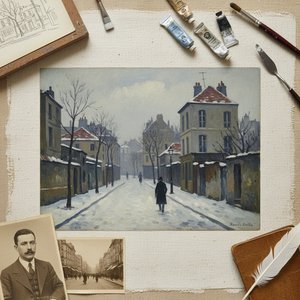
Maurice Utrillo: A Poetic Vision of Parisian Solitude – Life, Style & Legacy
Explore the poignant world of Maurice Utrillo, the master of Parisian cityscapes. Discover his life, distinctive style, and enduring legacy with ArtsDot – handmade oil reproductions & expert art insights.
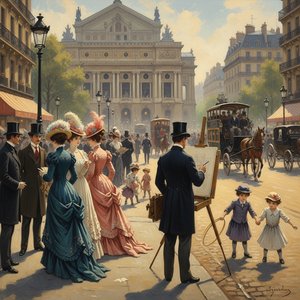
Jean-Georges Béraud: Capturing Parisian Life in the Belle Époque
Explore the captivating world of Jean-Georges Béraud, master painter of Belle Époque Paris. Discover his iconic scenes, artistic evolution, and social commentary. A deep dive into 19th-century French art.
Antoine Blanchard (Marcel Masson): Parisian Abstraction & the Legacy of Automatism
Explore the captivating world of Antoine Blanchard (Marcel Masson) and his nostalgic Parisian scenes. Discover his artistic influences, unique style, and the challenges of authentication. Expert insights & art appraisal information.
Charles Le Brun: Master of French Baroque Classicism & His Enduring Legacy
Explore the life & art of Charles Le Brun, master of French Baroque Classicism. Discover his royal commissions, influence on Versailles, and enduring legacy through detailed analysis & stunning artworks.
The Enduring Legacy of French Art: Movements, Masters & Cultural Impact
Explore the rich history of French art, from the Salon to Impressionism & beyond. Discover iconic masters, key movements, and expert guidance for collecting timeless masterpieces. ArtsDot.