 Ver en contexto
 Enviar
 Compartir
 Detalles

 Descargar
 Similares
 Radiografía
 Presentación de diapositivas
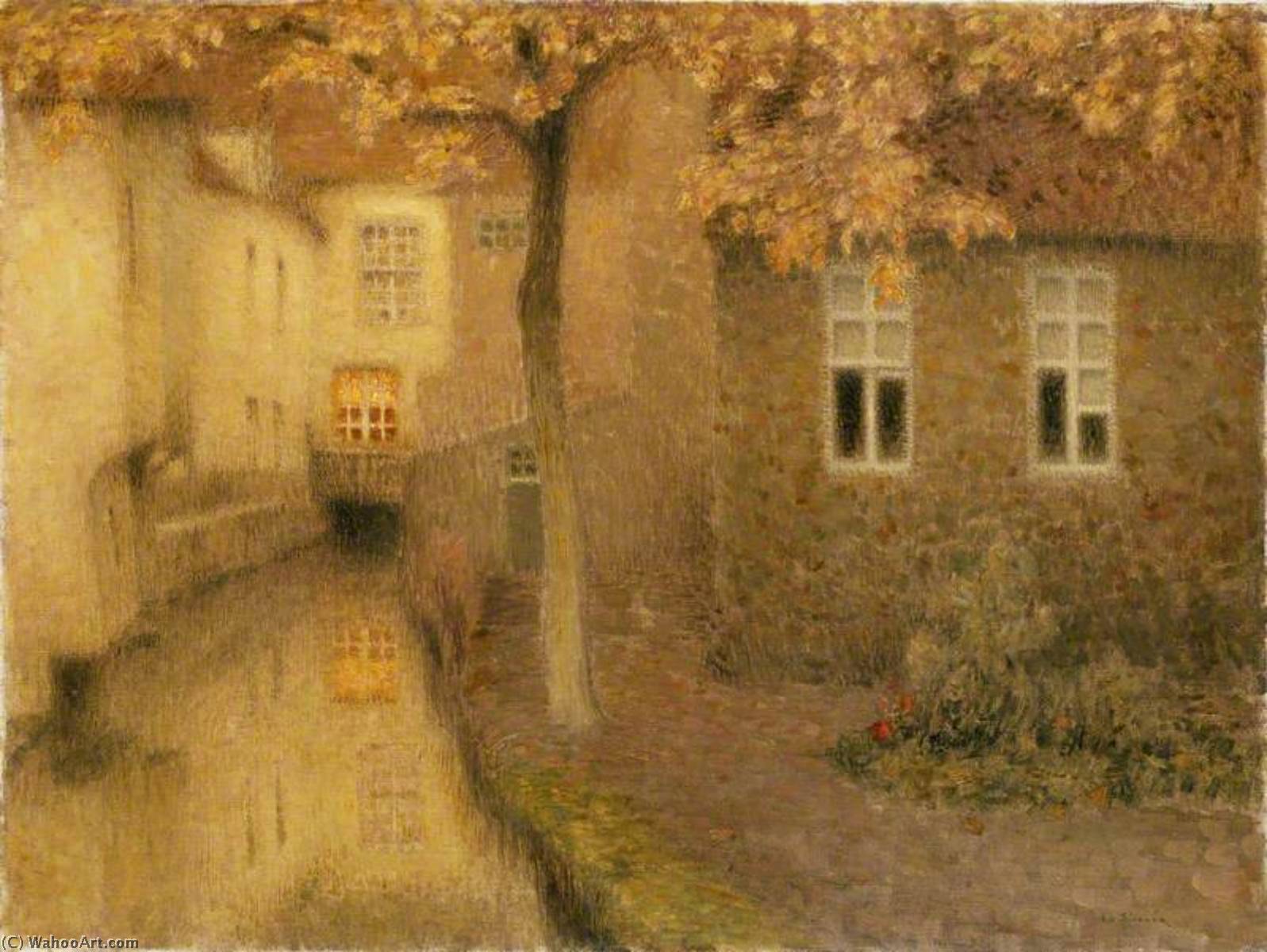
A Canal in Bruges at Dusk
 Oil On Canvas
- WallArt
- Intimist Painting
 1898
1898 49.0 x 65.0 cm
 El Museo Ashmolean de Arte y Arqueología
 Ver más
Giclée / Impresión de arte
Impresiones giclée o en lienzo de calidad de museo con producción rápida y opciones de acabado flexibles. ( Comprar pintura hecha a mano Comprar imagen)




P118B $10

P118H $10

P118W $10

P438Z $10

P508JH $12

P508YH $12

P805H $10

P805Z $10

P919BZ $10

P919G $10

P919XJ $10

P959ZH $10

P968JZ $12

W106C $8

W218G $10

W218JH $8

W218Y $10

W307PJ $10

W316G $10

W316PJ $8

W316Y $10

W398PJ $8

W4111J $10

W500HY $15

W500JH $15

W692G $12

W849H $8

W940BG $15

W953PJ $8




Elija entre nuestros tamaños predefinidos que respetan las proporciones originales de la obra.

Puede introducir sus propias dimensiones para adaptarse a un marco o espacio específico. Si el tamaño seleccionado no coincide con las proporciones de la imagen original, recortaremos la obra de arte o extenderemos la imagen con un borde con efecto espejo o de color sólido. Se enviará una maqueta digital para su aprobación antes de que comience la producción.
Tenga en cuenta que la vista previa en pantalla no refleja el recorte o la extensión real. Solo la maqueta mostrará con precisión la composición final.
Aunque existen tamaños personalizados, recomendamos seleccionar una dimensión de la lista predefinida para preservar las proporciones originales.
Envío a todo el mundo () en 2 semanas en lugar de las 4/5 semanas estándar. (24 agosto)

Envío exprés gratuito a todo el mundo

Lienzo de lino de alta calidad

Seguro de envío total

Garantía de reembolso de impuestos aduaneros

Garantía de fidelidad cromática exacta

Política de devolución de 60 días (solo por defectos)

Garantía de devolución del 100% del dinero

Descuento por cantidad
 La opción de vidrio solo está disponible en tamaños inferiores a 110 cm.

A Canal in Bruges at Dusk
Giclée / Impresión de arte
Dimensiones de la reproducción
-


Precio total final
$ 62
Descripción de la pieza
The Serene Embrace of Twilight
Henri Le Sidaner’s “A Canal in Bruges at Dusk” isn't merely a depiction of a picturesque waterway; it’s an immersion into a fleeting, almost melancholic moment. Painted in 1898, this oil on canvas captures the hushed beauty of a canal scene in Bruges, Belgium, bathed in the soft, diffused light of twilight. The painting immediately evokes a sense of tranquility and quiet contemplation – a feeling that stems not just from the subject matter but also from Le Sidaner’s masterful manipulation of color and light.

Impressionism and the Pointillist Echo
Le Sidaner’s artistic lineage is complex, drawing from a diverse range of influences. Initially trained within the rigid structure of Alexandre Cabanel's École des Beaux-Arts in Paris – an institution known for its academic approach – he quickly found himself at odds with its emphasis on idealized forms and historical subjects. This led him to abandon formal training and embrace a more personal, expressive style. He was profoundly influenced by the Impressionists, particularly Monet’s ability to capture the ephemeral effects of light, and the Pointillist techniques of Seurat and Signac, which involved applying tiny dots of color to create an overall impression rather than meticulously blending them. “A Canal in Bruges at Dusk” beautifully marries these influences; the soft, broken brushstrokes and subtle shifts in hue reflect both Impressionistic sensitivity and Pointillist precision.
The artist’s choice of palette is particularly noteworthy. He eschews bold, vibrant colors in favor of a muted range of greys, blues, and ochres, creating an atmosphere of subdued elegance. The light itself seems to be dissolving into the scene, lending it a dreamlike quality.
A Glimpse into Bruges’ Soul
Bruges, with its medieval architecture and canals, was already renowned for its romantic charm by the late 19th century. Le Sidaner wasn't simply painting a pretty view; he was capturing the essence of this historic city – its quiet dignity, its sense of timelessness, and its subtle melancholy. The inclusion of the horse-drawn carriage adds a touch of nostalgia, hinting at a bygone era. The two figures in the foreground, partially obscured by shadow, invite the viewer to imagine their story, adding another layer of intrigue to the scene.
Interestingly, Le Sidaner spent much of his career working in relative isolation at the Villa des Roses near Étaples, a coastal town known for its artistic community. This environment fostered a spirit of experimentation and allowed him to develop his distinctive style – one characterized by intimate scenes, atmospheric landscapes, and a profound sensitivity to light and color.
Symbolism and Emotional Resonance
Beyond the literal depiction of a canal scene, “A Canal in Bruges at Dusk” resonates with deeper symbolic meanings. The twilight hour itself represents transition, reflection, and perhaps even a touch of sadness – a recognition of the fleeting nature of beauty and time. The stillness of the water mirrors an inner quietude, inviting the viewer to pause and contemplate their own experiences. Le Sidaner’s masterful use of light and shadow creates a sense of mystery and invites us to project our own emotions onto the scene.
This painting is more than just a beautiful image; it's an invitation to step into a moment of serene contemplation, a reminder of the enduring power of art to evoke emotion and transport us to another time and place. It’s a testament to Le Sidaner’s skill as an artist and his ability to capture the soul of Bruges in all its quiet beauty.
Obras relacionadas
Biografía del artista
Vida Temprana y Orígenes
- Nombre: Henri Eugène Augustin Le Sidaner
- Otros Nombres: Henri Eugene Augustin le Sidaner, Henri Eugène le Sidaner
- Nacimiento: 7 de agosto de 1862, Port Louis, Mauricio
- Fallecimiento: 14 de julio de 1939
- Le Sidaner nació en Port Louis, Mauricio, hijo de Jean Marie Le Sidaner y Amélie Henrietta Robberechts. Su padre trabajaba como inspector de barcos para Lloyd's. La familia regresó a Francia en 1872, estableciéndose en Dunkerque.
- Mostró un temprano interés por la pintura y recibió el apoyo de sus padres. Asistió al Collège et Lycée Notre Dame des Dunes en Dunkerque.
- Una beca de la ciudad de Dunkerque le permitió trasladarse a París y estudiar en la prestigiosa École nationale supérieure des beaux-arts.
Formación Artística e Influencias
- En la École des Beaux-Arts, Le Sidaner estudió bajo Alexandre Cabanel, una figura prominente de la pintura francesa de la Belle Époque. Sin embargo, más tarde renunció debido a diferencias artísticas.
- Las primeras influencias incluyeron a Édouard Manet y Claude Monet, así como a los Puntillistas. Se sintió atraído por su innovador uso del color y la luz.
- Se unió a la Colonie artistique d'Étaples, un grupo de artistas trabajando juntos en Étaples, desarrollando aún más sus habilidades y visión artística.
Estilo Artístico y Desarrollo
- El estilo de Le Sidaner se caracteriza por colores apagados, grises matizados y opales aplicados con pinceladas irregulares y moteadas. Esta técnica crea una atmósfera única y un sentido de misticismo en sus pinturas.
- Fue particularmente hábil en la pintura nocturna, capturando los sutiles matices de luz y sombra durante las horas del crepúsculo.
- Su obra evolucionó con el tiempo, pasando de las primeras influencias a un estilo más personal que mezclaba técnicas impresionistas con elementos simbolistas.
- Después de establecerse en Gerberoy en la campiña picarda durante más de treinta años, se hizo famoso por sus vistas seductoras de los jardines que creó dentro de las ruinas de una fortaleza medieval. Estas pinturas a menudo presentaban luz moteada y rosas, consolidando su reputación como un artista único.
Obras Principales y Reconocimiento
- Entre sus obras notables se encuentra "Naturaleza Muerta y una Ventana, Gisors", disponible en ArtsDot.com.
- Sus pinturas se exhiben en el Musée des Beaux-Arts Tournai en Bélgica, mostrando una impresionante colección de Postimpresionismo francés.
- La obra de Le Sidaner fue ampliamente coleccionada durante su carrera, lo que demuestra su popularidad y mérito artístico.
- Recibió una medalla de bronce en la Exposición Universal de París en 1891.
- En 1905, exhibió una serie de pinturas de Venecia con gran aclamación en Londres y París.
- Fue nombrado Caballero de la Legión de Honor en 1913.
Significado Histórico
- Le Sidaner se considera a menudo "el último de los impresionistas", uniendo el Impresionismo con el Postimpresionismo.
- Su estilo único, que combina elementos de varios movimientos mientras mantiene un toque personal distintivo, lo diferencia de sus contemporáneos.
- Capturó la esencia de los interiores domésticos y las escenas callejeras tranquilas con una sensibilidad y habilidad notables, ofreciendo a los espectadores vislumbres de momentos íntimos y paisajes tranquilos.
- Su legado continúa inspirando a artistas y entusiastas del arte por igual, como lo demuestran las exposiciones en curso y la disponibilidad de sus obras en plataformas como ArtsDot.com.
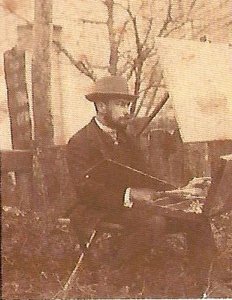
Henri Le Sidaner
1862 - 1939 , Mauricio
Datos clave
- Artistas Que Influyeron:
- Édouard Manet
- Claude Monet
- Pointillistas
- Fecha De Fallecimiento: 14 de julio de 1939
- Fecha De Nacimiento: 7 de agosto de 1862
- Lugar De Nacimiento: Port Louis, Mauricio
- Movimiento Artístico: Impresionismo, Intimista
- Nacionalidad: Francés
- Nombre Completo: Henri Eugène Augustin Le Sidaner
- Obras Notables: ['Bodegón y una ventana, Gisors']
Artículos relacionados
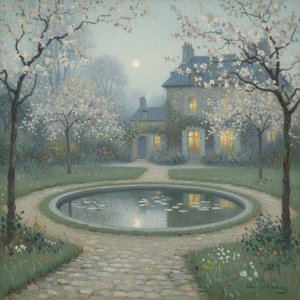
Henri Le Sidaner: Evoking Atmosphere & Intimacy in Post-Impressionist Landscapes
Discover the evocative world of Henri Le Sidaner, a master of Intimist painting. Explore his tranquil landscapes & atmospheric interiors – a celebration of light and intimacy. Learn about his life, style, and lasting legacy.

Impresionismo: 10 Obras Maestras que Capturan la Luz y el Momento
Descubre 10 obras maestras del impresionismo de Monet, Renoir y Degas. Explora la luz, el color y las historias detrás de estos icónicos cuadros. Reproducciones de arte en ArtsDot.com para decorar tu hogar con estilo.
Impresionismo y Postimpresionismo: Una Exploración de la Evolución Artística y sus Distinciones Clave
Explora la evolución del Impresionismo al Postimpresionismo. Descubre sus características, artistas clave y las diferencias esenciales en este análisis experto.

Paul Cézanne: Las 25 Obras Maestras que Definieron el Arte Moderno | ArtsDot
Descubre las 25 obras maestras de Paul Cézanne que revolucionaron el arte moderno. Explora su técnica, inspiración y significado en paisajes, bodegones y retratos. Reproducciones de alta calidad para decorar tu hogar con arte inolvidable. ¡Explora la colección completa en ArtsDot.com!
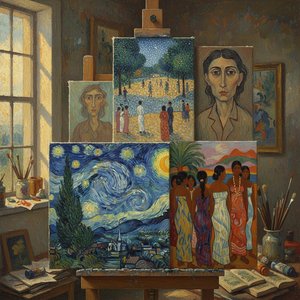
Más Allá del Impresionismo: Profundizando en la Emoción y el Simbolismo Postimpresionista
Descubre la profundidad emocional y el simbolismo del Postimpresionismo con ArtsDot. Análisis experto de Cézanne, Van Gogh, Gauguin y más. Explora la historia y el legado de este fascinante movimiento artístico.