 Vista previa
 Compartir
 Compartir
 Ver detalles

 Descargar
 Ver similares
 Radiografía
 Presentación de diapositivas
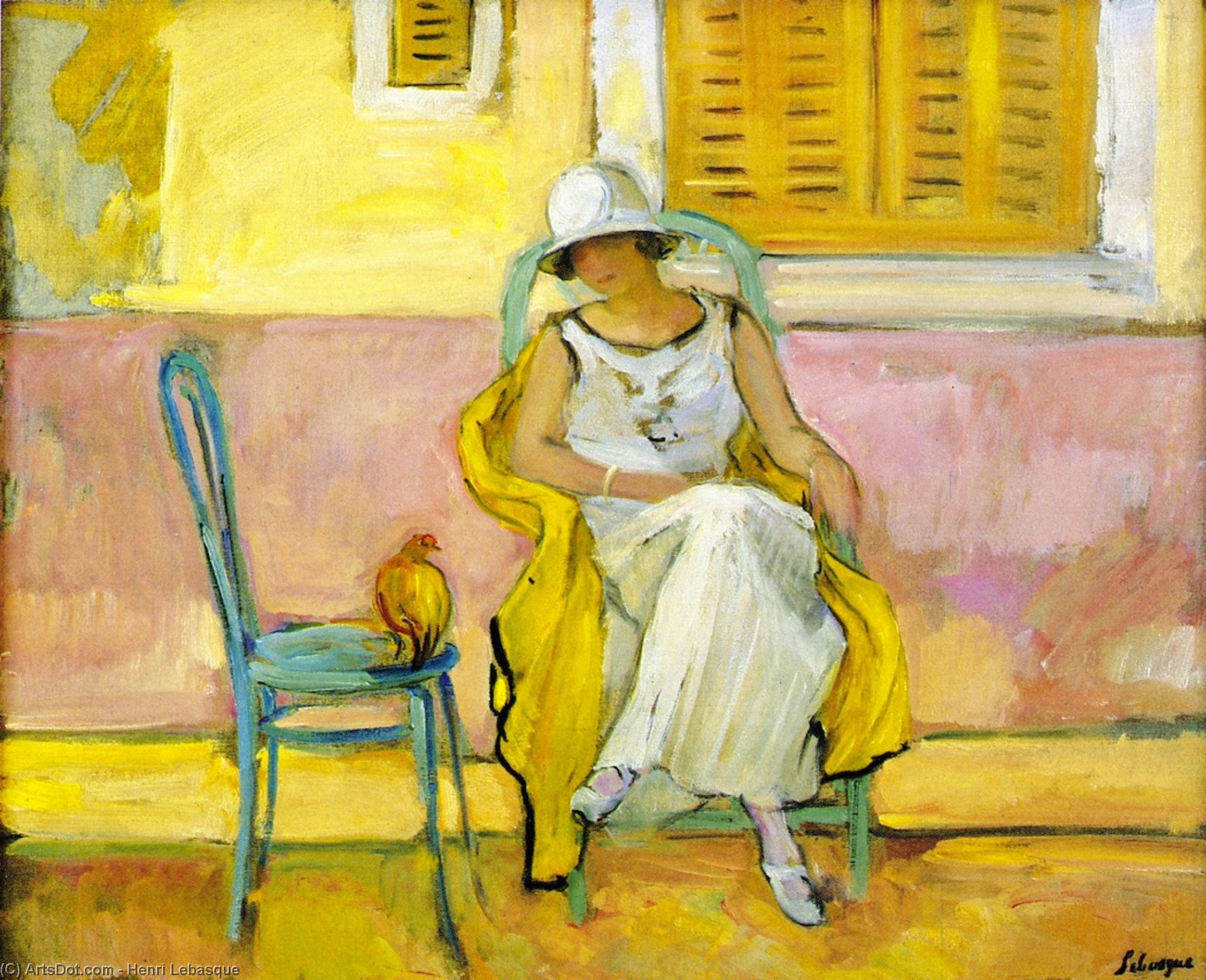
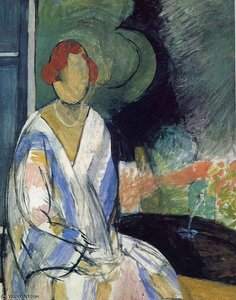
Woman in a White Dress
 Oil On Canvas
- WallArt
- Post-Impressionism
 1923
1923 50.0 x 61.0 cm
 Leer más
Reproducción al óleo hecha a mano
Óleo sobre lienzo pintado a mano en el tamaño y marco de su elección, realizado por encargo por nuestros artistas. ( Pedir impresión Comprar descarga)




P118B $10

P118H $10

P118W $10

P438Z $10

P508JH $12

P508YH $12

P805H $10

P805Z $10

P919BZ $10

P919G $10

P919XJ $10

P959ZH $10

P968JZ $12

W106C $8

W218G $10

W218JH $8

W218Y $10

W307PJ $10

W316G $10

W316PJ $8

W316Y $10

W398PJ $8

W4111J $10

W500HY $15

W500JH $15

W692G $12

W849H $8

W940BG $15

W953PJ $8




Elija entre nuestros tamaños predefinidos que respetan las proporciones originales de la obra.

Puede ingresar sus propias dimensiones para adaptarse a un marco o espacio específico. Si el tamaño seleccionado no coincide con las proporciones de la imagen original, recortaremos la obra o extenderemos la pintura con elementos adicionales pintados a mano. Se le enviará una maqueta digital para su aprobación antes de comenzar la producción.
Tenga en cuenta que la vista previa en pantalla no refleja el recorte o la extensión reales. Solo la maqueta mostrará con precisión la composición final.
Si bien existen tamaños personalizados, recomendamos seleccionar una dimensión de la lista predefinida para preservar las proporciones originales.
Tras realizar el pedido, el equipo de ArtsDot.com enviará un correo electrónico al cliente para solicitar instrucciones y proporcionarle una vista previa del boceto.
Envío a todo el mundo () en 3-4 semanas en lugar de las 5 semanas estándar. (22 agosto). Sin comprometer la calidad.

Envío exprés gratuito a todo el mundo

Lienzo de lino de alta calidad

Seguro de envío completo

Garantía de reembolso de aranceles aduaneros

Garantía de fidelidad cromática exacta

Política de devolución de 60 días (solo por defectos)

Garantía de devolución del 100% del dinero

Oferta por volumen
 La opción de vidrio solo está disponible en tamaños inferiores a 110 cm.

Woman in a White Dress
Técnica de reproducción
Tamaño de la reproducción
-


Precio total
$ 263
Descripción de la obra
A Study in Serenity: Exploring Lebasque's "Woman in a White Dress"
To gaze upon Henri Lebasque’s "Woman in a White Dress" is to step across the threshold into a moment suspended in time—a breath held just before the world resumes its clamor. Painted in 1923, this oil on canvas captures more than just a portrait; it encapsulates an atmosphere of profound, quiet contemplation. Lebasque, known for his exquisite ability to imbue his subjects with an inner life, presents us here with a vision steeped in gentle grace. The composition itself is deceptively simple: a woman seated elegantly, her legs crossed beneath the voluminous folds of white fabric, crowned by a delicate hat. Yet, within this stillness resides a captivating narrative focus—the bird perched just before her, drawing the entirety of her serene attention.
The Artistry of Softness and Light
Technically, Lebasque employs a masterful touch that speaks volumes about his understanding of light and shadow. His brushwork is notably soft, allowing the muted palette to wash over the scene like diffused daylight filtering through sheer curtains. The choice of colors—softs, creams, pale blues, and gentle earth tones—is not arbitrary; it is integral to the painting's emotional resonance. These hues work in concert to build an enveloping sense of tranquility. One can almost feel the cool, calm air surrounding the figure. This dedication to atmospheric subtlety elevates the piece beyond mere representation into something bordering on the ethereal.
Composition and Captivating Detail
The genius of the composition lies in its balance between formality and spontaneity. The woman’s posture suggests a moment of pause, an intimate interlude interrupted only by the curiosity sparked by the bird. This interaction—the subject gazing outward at the small creature—provides the painting with its gentle narrative anchor. It invites the viewer to lean in, to wonder what thoughts occupy her mind, and to share in that quiet moment of shared observation. The simplicity is key; every element, from the drape of the white dress to the perch upon which the bird rests, serves to direct the eye back to the central theme: peaceful awareness.
A Touch of Parisian Nostalgia
Viewing this work reminds us of Lebasque’s place within the early 20th-century French art scene. While his contemporaries might have embraced bolder strokes or more dramatic narratives, Lebasque found his poetry in the quiet moments—the domestic grace, the contemplative gaze. Owning a reproduction of "Woman in a White Dress" is to bring home a piece of that refined Parisian sensibility; it speaks to an appreciation for beauty found not in grand gestures, but in the subtle perfection of everyday life.
Bringing Tranquility Home
For the collector or designer seeking to infuse a space with calm sophistication, this artwork is unparalleled. It functions as more than decoration; it acts as a visual balm. The soft glow emanating from the white dress and the muted background hues harmonize beautifully with various interior palettes, lending an immediate air of cultured repose. It is a timeless piece that whispers stories of quiet elegance, making it a truly captivating centerpiece for any room dedicated to peace and contemplation.
Obras relacionadas
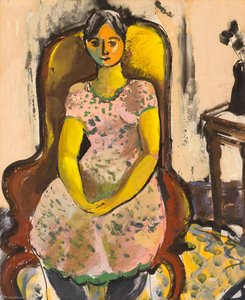
Biografía del artista
Primeros años y formación
Henri Lebasque, pintor postimpresionista francés, nació el 25 de septiembre de 1865 en Champigné (Maine-et-Loire), Francia. Su educación artística temprana comenzó en la École Régionale des Beaux-Arts d'Angers. En 1886, Lebasque se trasladó a París, donde continuó sus estudios artísticos bajo la tutela de Léon Bonnat.Influencias Artísticas y Asociaciones
La obra de Lebasque fue significativamente influenciada por sus asociaciones con artistas notables de su época, incluyendo a Camille Pissarro y Auguste Renoir. Su contacto con pintores más jóvenes, como Édouard Vuillard y Pierre Bonnard, también tuvo un profundo impacto en su estilo. Lebasque formó parte del grupo de los Nabis, que enfatizaba la calma y la quietud de los temas domésticos.Evolución Artística y Carrera
Alrededor de 1906, la obra de Lebasque experimentó una transformación marcada en la forma en que aplicaba el color a sus lienzos e interpretó la luz. Este cambio fue motivado por su visita al sur de Francia con su amigo Manguin y por el efecto que la luz meridional tuvo sobre él. Durante los siguientes años, trabajó en Normandía (Andelys en 1912, 1915 y 1921), Bretaña y Vendée, así como en Saint Tropez, Saint Maxime, Niza y Cannes, donde se estableció alrededor de 1924. Fue miembro fundador del Salon d'Automne en 1903 junto con Henri Matisse y expuso en el Salon des Indépendants.Obras Destacadas y Temas Recurrentes
Algunas de las obras notables de Lebasque incluyen:- La Cigarette, 1921; Musée d'Art et d'Industrie de Roubaix
- El muelle en Saint Pierre en Cannes bajo la lámpara, 1904; Museo de Bellas Artes de Nancy
- Una joven en el bosque, 1897; Museo de Arte de Ponce
Legado y Colecciones
La obra de Lebasque está representada en varios museos franceses, incluyendo:- Musée d’Orsay (París)
- Musée des Beaux-Arts (Lille)
- Petit Palais (Ginebra)
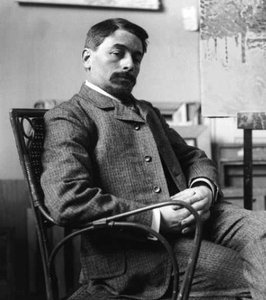
Henri Lebasque
1865 - 1937 , Francia
Datos clave
- Artistas Que Influyeron:
- Camille Pissarro
- Auguste Renoir
- Estilo Artístico: Postimpresionismo
- Fecha De Fallecimiento: 7 de agosto de 1937
- Fecha De Nacimiento: 25 de septiembre de 1865
- Lugar De Nacimiento: Champigny-sur-Marne, Francia
- Nacionalidad: Francés
- Nombre Completo: Henri Lebasque
- Obras Notables:
- La Cigarette, 1921
- El muelle en Cannes
- Una joven en el bosque, 1897
Artículos relacionados

Blanco Sublime: Los 10 Cuadros Más Famosos Dominados por la Luz y el Color
Descubre los 10 cuadros blancos más emblemáticos de la historia del arte. Explora Monet, Van Gogh y Klimt, y su magistral uso de la luz y el color. Encuentra reproducciones de alta calidad e inspírate para tu decoración en .

Giclée Prints: Archival Quality & Aesthetic Nuances for the Discerning Collector
Explore the world of giclée prints with ArtsDot. Learn about archival quality, aesthetic nuances & investment potential. Expert guidance for discerning art collectors seeking museum-quality reproductions and lasting value.

Paul Cézanne: Las 25 Obras Maestras que Definieron el Arte Moderno | ArtsDot
Descubre las 25 obras maestras de Paul Cézanne que revolucionaron el arte moderno. Explora su técnica, inspiración y significado en paisajes, bodegones y retratos. Reproducciones de alta calidad para decorar tu hogar con arte inolvidable. ¡Explora la colección completa en ArtsDot.com!
Henri Lebasque: A Study in Post-Impressionist Harmony & the Poetics of Everyday Life
Explore the serene Post-Impressionist world of Henri Lebasque. Discover his intimate domestic scenes, vibrant landscapes & connection to the Nabis group. Expert insights for collectors and art enthusiasts.
Impresionismo: 10 Obras Maestras que Capturan la Luz y el Momento
Descubre 10 obras maestras del impresionismo de Monet, Renoir y Degas. Explora la luz, el color y las historias detrás de estos icónicos cuadros. Reproducciones de arte en ArtsDot.com para decorar tu hogar con estilo.