

 Ver en contexto
 Enviar
 Compartir
 Detalles

 Descargar
 Similares
 Radiografía
 Presentación de diapositivas
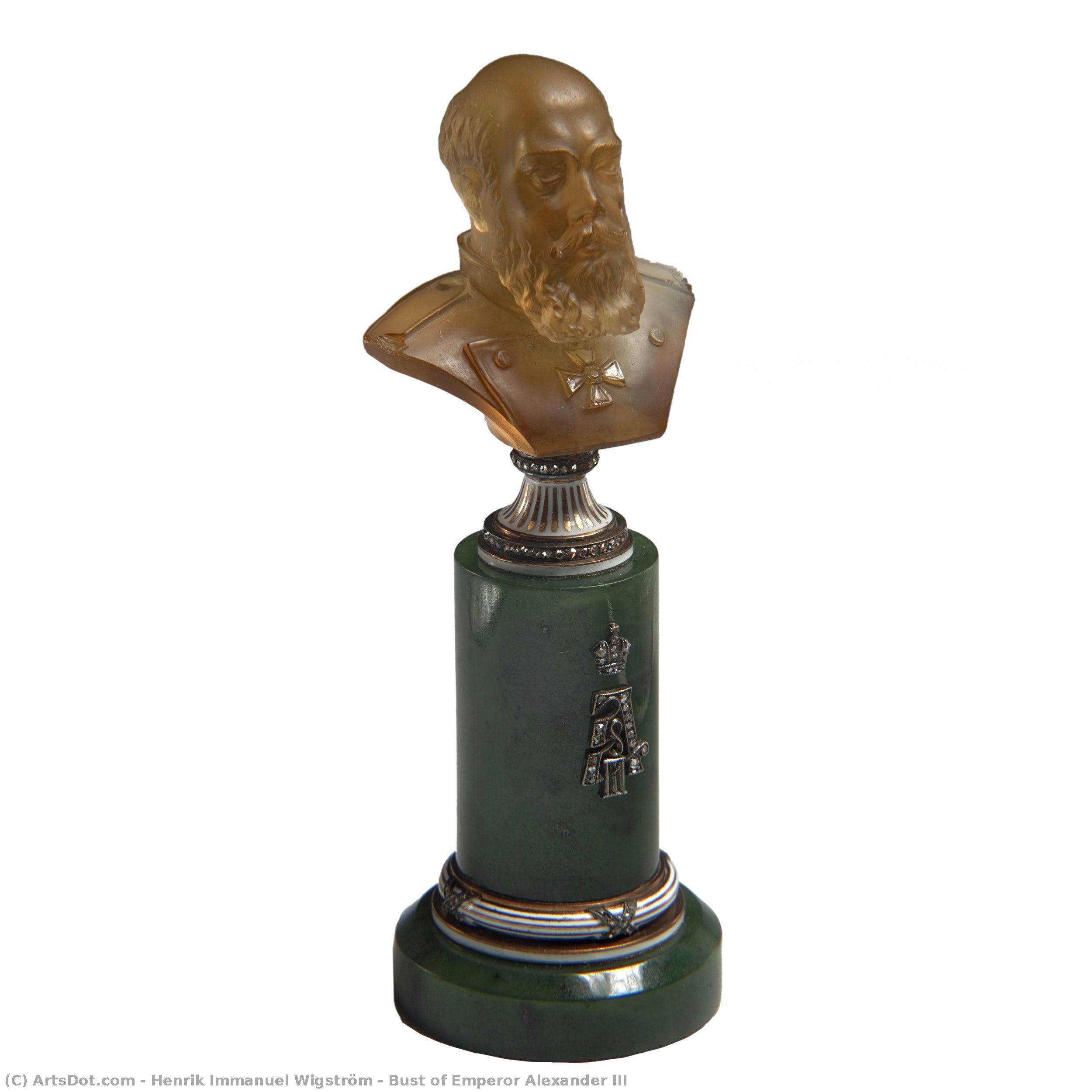
Bust of Emperor Alexander III


 Ver más
Reproducción al óleo hecha a mano
Óleo sobre lienzo pintado a mano en el tamaño y marco de su elección, realizado por encargo por nuestros artistas. ( Comprar impresión Comprar imagen)




P118B $10

P118H $10

P118W $10

P438Z $10

P508JH $12

P508YH $12

P805H $10

P805Z $10

P919BZ $10

P919G $10

P919XJ $10

P959ZH $10

P968JZ $12

W106C $8

W218G $10

W218JH $8

W218Y $10

W307PJ $10

W316G $10

W316PJ $8

W316Y $10

W398PJ $8

W4111J $10

W500HY $15

W500JH $15

W692G $12

W849H $8

W940BG $15

W953PJ $8




Elija entre nuestros tamaños predefinidos que respetan las proporciones originales de la obra.

Puede ingresar sus propias dimensiones para adaptarse a un marco o espacio específico. Si el tamaño seleccionado no coincide con las proporciones de la imagen original, recortaremos la obra o extenderemos la pintura con elementos adicionales pintados a mano. Se le enviará una maqueta digital para su aprobación antes de comenzar la producción.
Tenga en cuenta que la vista previa en pantalla no refleja el recorte o la extensión reales. Solo la maqueta mostrará con precisión la composición final.
Si bien existen tamaños personalizados, recomendamos seleccionar una dimensión de la lista predefinida para preservar las proporciones originales.
Tras realizar el pedido, el equipo de ArtsDot.com enviará un correo electrónico al cliente para solicitar instrucciones y proporcionarle una vista previa del boceto.
Envío a todo el mundo () en 3-4 semanas en lugar de las 5 semanas estándar. (25 agosto). Sin comprometer la calidad.

Envío exprés gratuito a todo el mundo

Lienzo de lino de alta calidad

Seguro de envío total

Garantía de reembolso de impuestos aduaneros

Garantía de fidelidad cromática exacta

Política de devolución de 60 días (solo por defectos)

Garantía de devolución del 100% del dinero

Descuento por cantidad
 La opción de vidrio solo está disponible en tamaños inferiores a 110 cm.

Bust of Emperor Alexander III
Técnica de reproducción
Dimensiones de la reproducción
-


Precio total final
$ 263
Descripción de la obra
Henrik Immanuel Wigström: The Silent Maestro of Fabergé Elegance
Henrik Immanuel Wigström (1862-1923) stands as a pivotal figure in the history of Russian goldsmithing and, crucially, the opulent world of Fabergé. Born in Ekenäs, Finland, Wigström’s artistic journey began amidst the burgeoning Art Nouveau movement but swiftly cemented itself within the exacting standards of the Imperial Court, shaping the aesthetic landscape of his era. While overshadowed by his more flamboyant colleague Michael Perchin, Wigström possessed an unparalleled dedication to craftsmanship and a profound understanding of Louis XVI, Empire, and neoclassical styles—qualities that ensured he became Fabergé’s most prolific workmaster after Perchin's untimely demise in 1903. His legacy resides not merely in the sheer volume of Fabergé eggs produced under his stewardship but in the exquisite refinement of their design and execution, reflecting a mastery of traditional techniques combined with an intuitive grasp of artistic expression.Early Life & Training
Wigström received his formative artistic education at Helsingfors Konstakademi (Finnish Art Academy), honing his skills in silver and goldsmithing alongside a fascination for decorative arts. This grounding in tradi tional craftsmanship instilled within him a meticulous attention to detail—a characteristic that would define his approach to Fabergé’s commissions throughout his career. He demonstrated an exceptional talent for replicating classical forms with remarkable accuracy, mirroring the stylistic preferences of the Imperial Court and establishing himself as one of Finland's foremost artisans.The Fabergé Partnership
His collaboration with Michael Perchin at Fabergé marked a turning point in Wigström’s artistic trajectory. Together, they revolutionized the creation of jeweled objects, elevating them to levels of unparalleled artistry and sophistication. Wigström's contribution was particularly significant in translating Perchin’s visionary concepts into tangible masterpieces—a testament to their harmonious partnership and shared commitment to excellence. The duo’s work embodies the grandeur and elegance of the Belle Époque, capturing the spirit of a bygone era with breathtaking precision.Style & Technique
Wigström's artistic style leaned heavily toward neoclassical influences—specifically Louis XVI and Empire styles—characterized by symmetry, restraint, and meticulous ornamentation. He skillfully employed techniques such as lost-wax casting to produce sculptures of exceptional quality, capturing the subtle nuances of form and texture with remarkable fidelity. Furthermore, Wigström’s mastery extended beyond sculptural representation; he excelled in creating intricate enamel designs that shimmered with iridescent hues—a hallmark of Fabergé's distinctive aesthetic.Symbolism & Emotional Impact
Fabergé eggs produced under Wigström’s direction were more than mere decorative objects; they served as potent symbols of imperial power and prestige, reflecting the grandeur of the Russian monarchy. Each egg was conceived as a miniature narrative—a celebration of history, mythology, or scientific discovery—designed to evoke contemplation and admiration. Wigström's sculptures conveyed a sense of dignified composure and refined beauty, mirroring the values upheld by the Imperial Court and resonating with viewers across generations. They stand as enduring reminders of an era defined by artistic innovation and aristocratic patronage.Notable Works
Among Wigström’s most celebrated creations is the Bust of Emperor Alexander III—a monumental sculpture executed in bronze or gold-toned metal, meticulously crafted to capture the likeness of Tsar Alexander III with astonishing realism. Mounted on a striking green marble base and adorned with decorative elements incorporating silver or light gold accents, this artwork exemplifies Wigström's unparalleled skill and artistic vision. It is currently housed in the collection of Her Majesty Queen Elizabeth II—a testament to its enduring beauty and historical significance. The meticulous attention to detail—from the facial features to the military uniform—underscores Wigström’s dedication to recreating a portrait that embodies both dignity and authority.Conclusion
Henrik Immanuel Wigström's contribution to Fabergé’s artistic legacy remains unparalleled. His unwavering commitment to craftsmanship, combined with his profound understanding of classical aesthetics, ensured that he became the silent maestro behind some of the most exquisite jeweled objects ever conceived—objects that continue to inspire awe and admiration today.Obras relacionadas
Biografía del artista
El Maestro Silencioso de la Elegancia Fabergé
Henrik Immanuel Wigström se erige como una figura fundamental en la historia de la orfebrería rusa y, de manera crucial, en el opulento mundo de Fabergé. Nacido en Ekenäs, Finlandia, en 1862, la trayectoria artística de Wigström comenzó en medio del floreciente movimiento Art Nouveau, pero rápidamente se consolidó bajo los exigentes estándares de la Corte Imperial, moldeando el paisaje estético de su época. Aunque a menudo fue eclipsado por su colega más extravagante, Michael Perchin, Wigström poseía una dedicación inigualable a la artesanía y un profundo conocimiento de los estilos Luis XVI, Imperio y neoclásico; cualidades que aseguraron que se convirtiera en el maestro más prolífico de Fabergé tras el prematuro fallecimiento de Perchin en 1903.
Sus años formativos estuvieron definidos por una disciplina rigurosa y una fascinación arraigada por las artes decorativas. Wigström recibió su educación artística inicial en la Helsingfors Konstakademi (Academia de Arte de Helsinki), donde perfeccionó sus habilidades en la platería y la orfebrería. Esta base en técnicas tradicionales resultaría invaluable mientras navegaba por las complejidades del taller de Fabergé, permitiéndole dominar el delicado equilibrio entre la integridad estructural y el esplendor ornamental.
Un Legado de Esplendor Imperial
Cuando Wigström se incorporó al atelier de Fabergé en 1903, heredó una responsabilidad monumental: mantener el prestigio de la Casa Fabergé tras la pérdida de Perchin. No se limitó a mantener este estándar; lo elevó. Bajo su liderazgo, el taller produjo una asombrosa variedad de objetos decorativos que encarnaban la grandeza de la Rusia Imperial. Su obra se caracteriza por una refinada estética neoclásula, apoyándose en la elegancia de los estilos Luis XVI y Imperio para crear piezas que se sentían tanto atemporales como profundamente lujosas.
La producción artística de Wigström fue notablemente diversa, abarcando desde objetos funcionales de gran utilidad hasta tesoros puramente ornamentales. Su maestría es evidente en varias áreas clave:
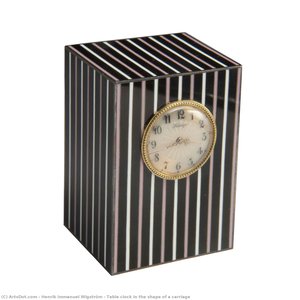
- Relojería Exquisita: Era reconocido por crear magníficos relojes de mesa, como el Reloj de Mesa Moon’s Face y el impresionante Reloj de Mesa en Forma de Carruaje, que demostraban su capacidad para combinar la precisión mecánica con la narrativa artística.
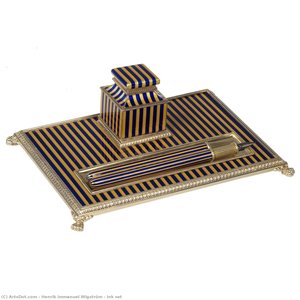
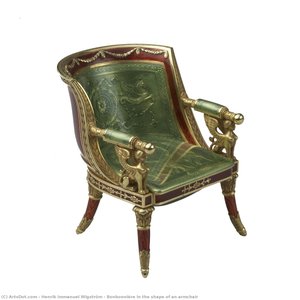
- Objetos Decorativos: Su repertorio incluía impresionantes lorgnettes, intrincados juegos de tinta y delicadas piezas de plata que representaban la cúspide del lujo de la alta sociedad.
- Arte en Piedras Semipreciosas: Sobresalió en la creación de animales, figuras y flores de piedra dura con una precisión asombrosa, utilizando su profundo conocimiento de las texturas minerales para insuflar vida a la piedra inanimada.
Técnica y Significado Histórico
El verdadero genio de Wigström residía en su perfeccionismo técnico. Su trabajo se define por un esmaltado impecable, intrincados grabados de guilloché y una manipulación magistral de los metales preciosos. Cada pieza que tocaba reflejaba una atención meticulosa al detalle que satisfacía incluso a los miembros más exigentes de la dinastía Romanov. Al combinar las delicadas texturas del fino esmalte con la fuerza estructural del oro y la plata, creó objetos que eran tanto proezas de la ingeniería como obras de arte.
A medida que la era de la Rusia Imperial llegaba a su fin, las contribuciones de Wigström permanecieron como un testimonio de un mundo desaparecido de opulencia sin igual. Su capacidad para interpretar los estilos históricos a través de una lente moderna y refinada aseguró que su obra siguiera siendo icónica mucho después de que los talleres de San Petersburgo quedaran en silencio. Hoy en día, su legado perdura a través de artefactos raros y preciosos que continúan cautivando a los coleccionistas, sirviendo como símbolos imperecederos de la cima del logro artístico de Fabergé.
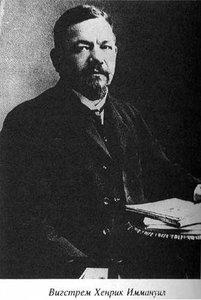
Henrik Immanuel Wigström
1862 - 1923 , Finland
Datos clave
- Artistic Movement Or Style: Neoclasicismo
- Artists Who Influenced This Artist: ['Michael Evlampievich Perchin']
- Date Of Birth: 2 octubre 1862
- Date Of Death: 14 marzo 1923
- Full Name: Henrik Immanuel Wigström
- Nationality: Finlandés
- Notable Artworks:
- Lorgnette impresionante
- Set de tinta exquisito
- Reloj de rostro lunar
- Place Of Birth: Ekenäs, Finlandia
Artículos relacionados
Bartolomeo Pinelli: Neoclassical Linearity & Roman Topography of Memory
Explore the captivating world of Bartolomeo Pinelli, a master Italian engraver renowned for his evocative Roman scenes & historical narratives. Discover his art and legacy with ArtsDot.
Sebastiano del Piombo: Bridging Venetian Colorism & Roman Grand Manner Portraiture
Explore the captivating art of Sebastiano del Piombo, a Renaissance master bridging Venetian colorism & Roman grandeur. Discover his iconic portraits and lasting influence on art history. Learn more at ArtsDot.

Alexander Nasmyth: Picturing Scotland's Romantic Landscape – Innovation & Identity
Explore the life & art of Alexander Nasmyth, a pivotal figure in Scottish Romantic landscape painting. Discover his iconic works, including portraits of Robert Burns, and learn about his lasting influence on national identity. Fine art reproductions available.
Alexander Calder: Kinetic Sculpture, Mobile Art & the Poetics of Chance
Explore the revolutionary world of Alexander Calder's kinetic sculptures & mobiles. Discover insights for collectors, acquisition advice, and the enduring legacy of this modern master. Expert analysis & art valuation.
Pietro da Cortona: Baroque Grandeur & the Synthesis of Roman Painting
Explore the life & masterpieces of Pietro da Cortona, a defining figure of the Italian Baroque. Discover his stunning frescoes at Palazzo Barberini and lasting influence on Roman art history. Learn more with ArtsDot.

