 Ver en contexto
 Enviar
 Compartir
 Detalles

 Descargar
 Similares
 Radiografía
 Presentación de diapositivas
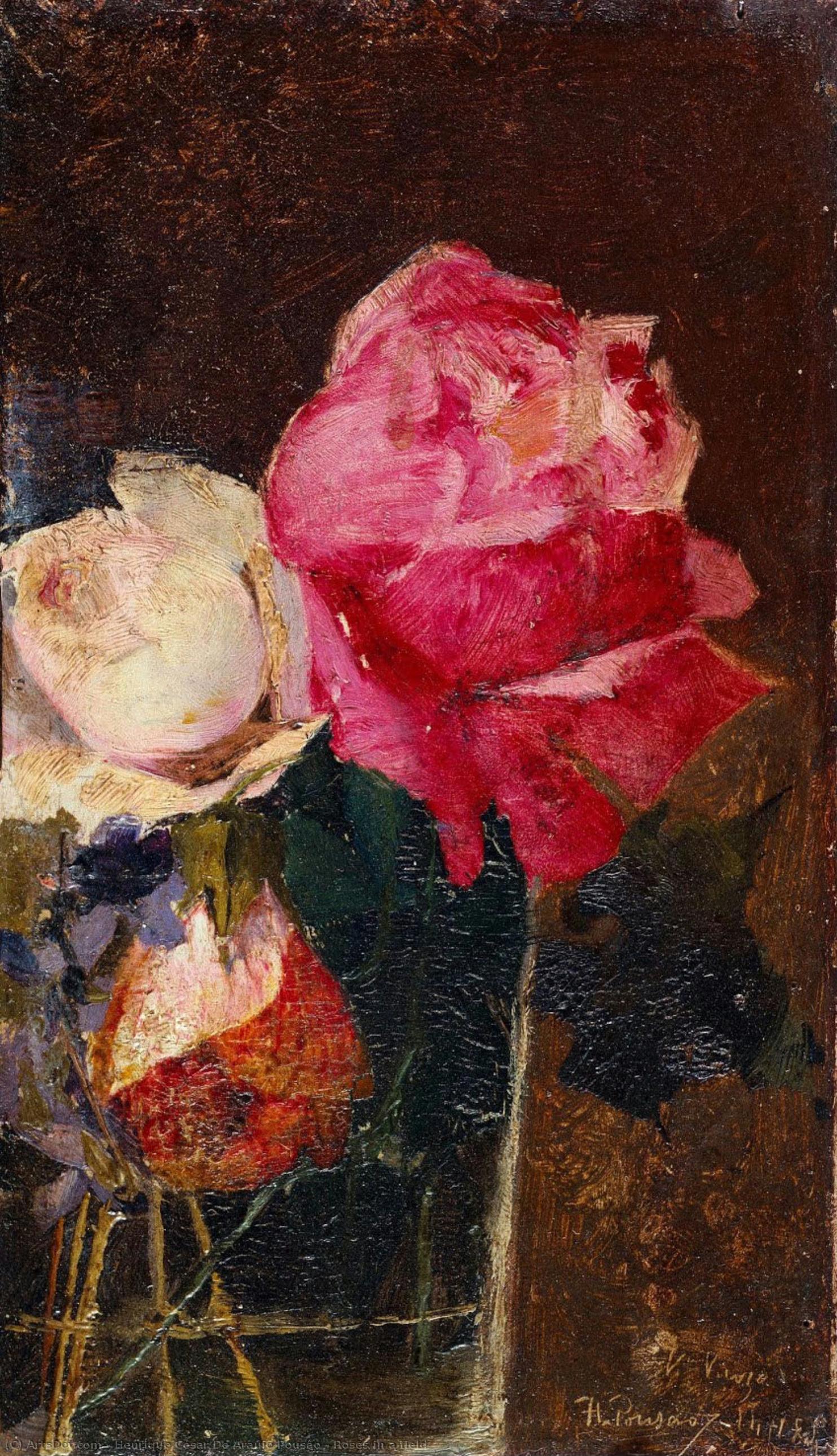
Roses in a field
 Oil
Oil- WallArt
- Naturalism
 1884
1884- 19th Century
 16.0 x 9.0 cm
 Museo Nacional Soares dos Reis
 Ver más
Reproducción al óleo hecha a mano
Óleo sobre lienzo pintado a mano en el tamaño y marco de su elección, realizado por encargo por nuestros artistas. ( Comprar impresión Comprar imagen)




P118B $10

P118H $10

P118W $10

P438Z $10

P508JH $12

P508YH $12

P805H $10

P805Z $10

P919BZ $10

P919G $10

P919XJ $10

P959ZH $10

P968JZ $12

W106C $8

W218G $10

W218JH $8

W218Y $10

W307PJ $10

W316G $10

W316PJ $8

W316Y $10

W398PJ $8

W4111J $10

W500HY $15

W500JH $15

W692G $12

W849H $8

W940BG $15

W953PJ $8




Elija entre nuestros tamaños predefinidos que respetan las proporciones originales de la obra.

Puede ingresar sus propias dimensiones para adaptarse a un marco o espacio específico. Si el tamaño seleccionado no coincide con las proporciones de la imagen original, recortaremos la obra o extenderemos la pintura con elementos adicionales pintados a mano. Se le enviará una maqueta digital para su aprobación antes de comenzar la producción.
Tenga en cuenta que la vista previa en pantalla no refleja el recorte o la extensión reales. Solo la maqueta mostrará con precisión la composición final.
Si bien existen tamaños personalizados, recomendamos seleccionar una dimensión de la lista predefinida para preservar las proporciones originales.
Tras realizar el pedido, el equipo de ArtsDot.com enviará un correo electrónico al cliente para solicitar instrucciones y proporcionarle una vista previa del boceto.
Envío a todo el mundo () en 3-4 semanas en lugar de las 5 semanas estándar. (26 agosto). Sin comprometer la calidad.

Envío exprés gratuito a todo el mundo

Lienzo de lino de alta calidad

Seguro de envío total

Garantía de reembolso de impuestos aduaneros

Garantía de fidelidad cromática exacta

Política de devolución de 60 días (solo por defectos)

Garantía de devolución del 100% del dinero

Descuento por cantidad
 La opción de vidrio solo está disponible en tamaños inferiores a 110 cm.

Roses in a field
Técnica de reproducción
Dimensiones de la reproducción
-


Precio total final
$ 263
Descripción de la obra
A Delicate Encounter with Nature
In the tender brushstrokes of Henrique César de Araújo Pousão, we find a profound intimacy between the observer and the natural world. His work, Roses in a field, serves as a poignant window into the late nineteenth-century naturalist movement, capturing a moment that feels both fleeting and eternal. At first glance, the eye is drawn to the trio of pink roses nestled within a modest brown vase, their petals rendered with a soft, luminous touch that suggests the gentle weight of dew. Yet, as one lingers upon the canvas, the composition reveals a much deeper narrative complexity. The arrangement of these blossoms is not merely a study in floral beauty but an invitation to explore the layers of life unfolding just beyond the immediate foreground.
The painting masterfully balances the stillness of the still life with a breathing, inhabited background. While the roses command our primary attention, the subtle presence of figures in the distance—one standing near the left periphery and another receding into the soft focus of the right—imbues the scene with a sense of human connection to the landscape. This interplay between the domesticity of the vase and the expansive, lived-in environment creates a captivating tension. The inclusion of a potted plant in the upper corner further weaves the theme of cultivated nature into the wilder, more atmospheric depths of the field, suggesting a world where art, humanity, and botany exist in a delicate, harmonious dance.
Mastery of Light and Naturalist Technique
Pousão, a brilliant talent whose life was tragically short, brought a sophisticated understanding of light and color to this 1884 masterpiece. Influenced by the burgeoning Impressionist movements in Paris, his technique here demonstrates a remarkable ability to use tonal depth to create three-dimensional space. The rich, complex background is not merely a backdrop but a textured tapestry of light and shadow that lends the entire composition an extraordinary sense of atmosphere. His unique approach—often incorporating black with a precise, balanced proportion—allows for a structural integrity that prevents the soft pinks of the roses from becoming overly saccharine, instead grounding them in a realistic, earthy reality.
For the discerning collector or interior designer, this piece offers more than just visual pleasure; it offers an emotional resonance that can transform a room. The painting’s ability to evoke nostalgia and tranquility makes it a versatile cornerstone for any curated space. Whether placed in a sun-drenched morning room to highlight its floral delicacy or in a more formal study to accentuate its historical depth, a high-quality reproduction of this work brings with it the prestige of Portuguese art history. It is an investment in atmosphere, providing a sophisticated focal point that invites quiet contemplation and celebrates the enduring beauty of the natural world.
Obras relacionadas
Biografía del artista
Early Life and Education
Henrique César de Araújo Pousão, a luminary of Portuguese art, was born on January 1st, 1859, in Vila Viçosa, Portugal—a region steeped in tradition yet yearning for artistic innovation. As the son of a judge from a prosperous Alentejo family, his upbringing instilled within him an appreciation for intellectual pursuits and familial stability. However, it was his innate talent for visual arts that truly captivated his formative years. From a young age, Pousão demonstrated an extraordinary aptitude for painting, foreshadowing the remarkable artistic journey that lay ahead. He commenced his academic training at the Fine Arts Academy of Porto, graduating in 1879 with honors—a testament to his diligence and burgeoning skill. The academy’s rigorous curriculum fostered his understanding of classical techniques alongside emerging modernist ideas, shaping him into a painter destined for greatness.Artistic Influences and Style
Pousão's artistic vision was profoundly impacted by the Impressionist movement, spearheaded by artists like Camille Pissarro and Édouard Manet. These painters championed a revolutionary approach to depicting light and color—abandoning academic conventions in favor of capturing fleeting moments and subjective sensations. This influence is palpable throughout Pousão’s oeuvre, particularly evident in his Parisian works where he embraced the Impressionist palette and technique. Notably, he adopted a distinctive stylistic hallmark: the incorporation of black pigment alongside other hues—a bold decision that challenged established norms and underscored his meticulous consideration for tonal harmony. Furthermore, his later explorations into Italian landscapes showcased a shift toward expressive abstraction, mirroring the burgeoning interest in non-representational art during the Belle Époque.Notable Works and Exhibitions
Pousão’s artistic legacy rests upon several captivating canvases that continue to inspire admiration. Among these masterpieces is “Miragem” (1882)—a small wood panel painting brimming with vibrant color and textural richness—where he skillfully employed impasto technique to imbue the surface with palpable depth. Equally compelling is “Fachada de Porta Soterrada” (1882), a landscape piece that exemplifies his expressive style, capturing the ethereal quality of twilight hues. His landscapes frequently incorporated subtle abstract forms—a departure from traditional naturalist depictions—reflecting Pousão’s pioneering spirit and willingness to experiment with new artistic vocabularies. These works graced prominent exhibitions during his lifetime, garnering critical acclaim and establishing him as a pivotal figure in Portugal's burgeoning artistic landscape.Collection and Legacy
Pousão’s paintings reside within esteemed collections, notably the National Museum Soares dos Reis in Porto—which houses an expansive repository of his artworks—a testament to their enduring aesthetic merit. His contribution to Portuguese art transcends mere stylistic innovation; he embodies a spirit of daring experimentation that paved the way for subsequent generations of artists. Henrique César de Araújo Pousão remains celebrated as one of the first heralds of naturalist painting, whose distinctive blend of Impressionist and abstract elements continues to resonate with audiences today—a beacon of artistic brilliance in the annals of Portuguese art history.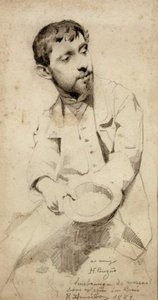
Henrique Pousão
1859 - 1884 , portugal
Datos clave
- Artistic Movement Or Style: Naturalism & Impressionism
- Artists Who Influenced This Artist:
- Camille Pissarro
- Manet
- Date Of Birth: January 1, 1859
- Full Name: Henrique César de Araújo Pousão
- Nationality: Portuguese
- Notable Artworks:
- Miragem
- Fachada de porta soterrada
- Place Of Birth: Vila Viçosa, Portugal
Artículos relacionados
Los 10 Cuadros Más Famosos en Tonos Rosa Pastel: Arte y Decoración
Descubre los 10 cuadros más icónicos en tonos rosa pastel. Explora la historia de Monet, Renoir y otros maestros del impresionismo y el arte moderno. Encuentra reproducciones de alta calidad para decorar tu hogar con .
Los 10 Cuadros Más Famosos en Tonos Rosa Polvoriento | Arte y Decoración
Descubre los 10 cuadros más famosos en tonos rosa polvoriento. Explora la historia de Monet, Renoir y otros artistas que capturaron la belleza del impresionismo y el romanticismo. Encuentra reproducciones de arte exclusivas para decorar tu hogar con elegancia en ArtsDot.com.
Guy Rose: Luminism, Impressionism & the Californian Aesthetic – A Comprehensive Exploration of Life and Legacy
Explore the life & art of Guy Rose, a leading American Impressionist painter. Discover his luminous California landscapes, Giverny scenes, and enduring legacy. A comprehensive guide for collectors & enthusiasts.
Las 10 Obras de Arte con Paletas Suaves que Inspiran Serenidad |
Descubre las 10 obras de arte más emblemáticas con paletas suaves y colores relajantes. Explora la historia de Monet, Renoir y otros maestros del impresionismo. Encuentra reproducciones de museo en para un hogar sereno.
Guy Orlando Rose: Capturing California's Luminosity in American Impressionism
Explore the luminous landscapes of Guy Orlando Rose, a leading American Impressionist painter deeply influenced by Monet. Discover his mastery of light, atmospheric perspective & California scenes. Learn about his legacy and find high-quality reproductions.