 Ver en contexto
 Enviar
 Compartir
 Detalles

 Descargar
 Similares
 Radiografía
 Presentación de diapositivas
A Moment of Suspense


 Ver más
Giclée / Impresión de arte
Impresiones giclée o en lienzo de calidad de museo con producción rápida y opciones de acabado flexibles. ( Comprar pintura hecha a mano Comprar imagen)




P118B $10

P118H $10

P118W $10

P438Z $10

P508JH $12

P508YH $12

P805H $10

P805Z $10

P919BZ $10

P919G $10

P919XJ $10

P959ZH $10

P968JZ $12

W106C $8

W218G $10

W218JH $8

W218Y $10

W307PJ $10

W316G $10

W316PJ $8

W316Y $10

W398PJ $8

W4111J $10

W500HY $15

W500JH $15

W692G $12

W849H $8

W940BG $15

W953PJ $8




Elija entre nuestros tamaños predefinidos que respetan las proporciones originales de la obra.

Puede introducir sus propias dimensiones para adaptarse a un marco o espacio específico. Si el tamaño seleccionado no coincide con las proporciones de la imagen original, recortaremos la obra de arte o extenderemos la imagen con un borde con efecto espejo o de color sólido. Se enviará una maqueta digital para su aprobación antes de que comience la producción.
Tenga en cuenta que la vista previa en pantalla no refleja el recorte o la extensión real. Solo la maqueta mostrará con precisión la composición final.
Aunque existen tamaños personalizados, recomendamos seleccionar una dimensión de la lista predefinida para preservar las proporciones originales.
Envío a todo el mundo () en 2 semanas en lugar de las 4/5 semanas estándar. (27 agosto)

Envío exprés gratuito a todo el mundo

Lienzo de lino de alta calidad

Seguro de envío total

Garantía de reembolso de impuestos aduaneros

Garantía de fidelidad cromática exacta

Política de devolución de 60 días (solo por defectos)

Garantía de devolución del 100% del dinero

Descuento por cantidad
 La opción de vidrio solo está disponible en tamaños inferiores a 110 cm.

A Moment of Suspense
Giclée / Impresión de arte
Dimensiones de la reproducción
-


Precio total final
$ 62
A Moment of Suspense: A Frozen Narrative of the American West
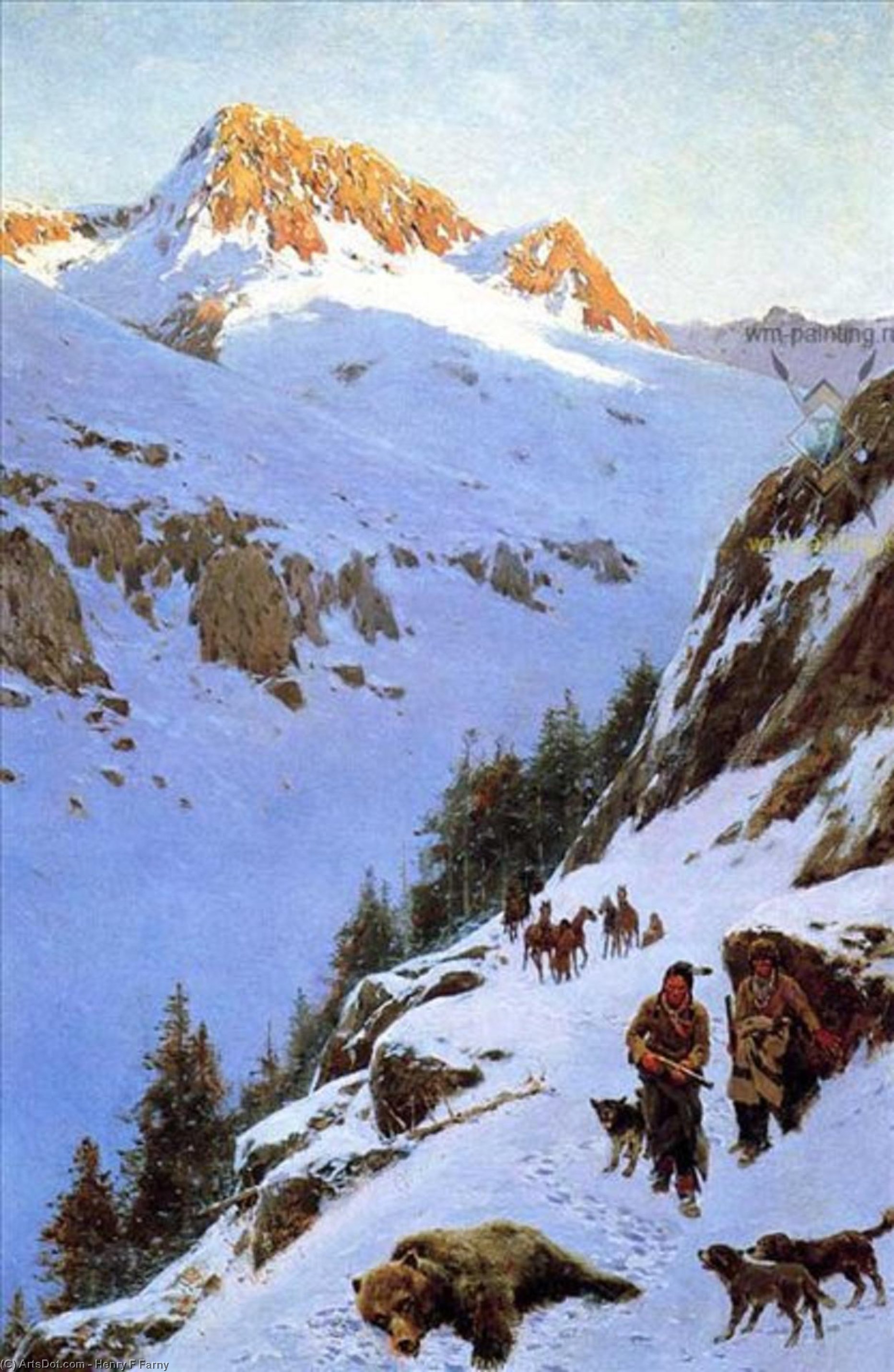
Henry François Farny’s “A Moment of Suspense,” painted in 1911, isn't merely a landscape; it’s a meticulously crafted tableau capturing a fleeting instant within the vast and unforgiving expanse of the American frontier. The scene unfolds upon a snow-drenched mountain slope, dominated by a colossal, imposing peak that serves as both a breathtaking backdrop and a subtle symbol of the challenges inherent in westward expansion. Farny, a key figure in the Cincinnati School of Painting, masterfully employed a style often referred to as “vanishing race” art – a movement dedicated to preserving the visual memory of Native American life as it was rapidly disappearing amidst the relentless march of settlement. This painting isn’t simply documenting; it's attempting to evoke a sense of both adventure and poignant loss.Composition and Technique: A Symphony of Light and Shadow
Farny’s technical skill is immediately apparent in his rendering of light and shadow, creating an almost palpable atmosphere of cold and anticipation. The snow-covered terrain is depicted with remarkable detail – each flake rendered with a delicate touch that suggests both the harshness and the beauty of the winter landscape. Notice how Farny utilizes a limited palette of blues, whites, and grays to establish a sense of depth and distance, drawing the viewer’s eye towards the distant peak. The figures in the foreground are painted with a slightly looser brushstroke, emphasizing their movement and vulnerability against the monumental backdrop. The composition itself is carefully balanced – the diagonal lines created by the mountain slope and the paths of the travelers lead the eye through the scene, culminating in the imposing presence of the summit. Farny’s use of atmospheric perspective—the subtle blurring of details with distance—further enhances this sense of depth and scale.The Figures: A Group of Determined Explorers
A small group of individuals – men and women bundled in furs and woolen garments – navigate the treacherous slope, accompanied by their loyal canine companions. Their faces are etched with a mixture of determination and apprehension, reflecting the inherent risks associated with traversing such challenging terrain. The figures aren’t idealized heroes; they possess a quiet dignity and resilience that speaks to the spirit of those who sought to tame the West. The dogs, integral members of this expedition, mirror their human companions' resolve, adding another layer of narrative complexity to the scene. It is important to note that Farny was deeply influenced by his interactions with Seneca Indians during his childhood, and this influence is evident in the respectful portrayal of these figures as skilled hunters and trackers.Symbolism and Historical Context: A Vanishing World
“A Moment of Suspense” transcends a simple depiction of a winter landscape; it’s a poignant meditation on the changing face of America. The “vanishing race” art movement, to which Farny belonged, was deeply concerned with documenting Native American cultures before they were irrevocably lost. The painting serves as a visual record of a way of life that was rapidly disappearing, prompting reflection on the consequences of westward expansion and the displacement of indigenous populations. The title itself – “A Moment of Suspense” – suggests an uncertain future, hinting at both the promise and peril inherent in this new frontier. The vastness of the mountain range symbolizes the challenges faced by those who dared to venture into the unknown, while the snow represents the harsh realities of survival in a demanding environment.Emotional Impact: A Sense of Wonder and Melancholy
Ultimately, “A Moment of Suspense” evokes a complex blend of emotions – wonder at the grandeur of the natural world, coupled with a poignant sense of melancholy for a disappearing culture. The painting’s quiet intensity invites viewers to contemplate the relationship between humanity and nature, as well as the enduring legacy of those who shaped the American West. It's a powerful reminder of a time when exploration was driven by both ambition and respect for the land—a sentiment that resonates deeply even today. Reproductions of this artwork offer a captivating glimpse into a pivotal era in American history, inviting viewers to connect with the spirit of adventure and the poignant beauty of a vanishing world.Obras relacionadas
Biografía del artista
El Pintor de la Raza Desapareciendo
Henry François Farny, conocido por muchos como H.F. Farny, permanece como una de las voces más evocadoras del arte estadounidense del siglo XIX. Nacido en 1847 en Ribeauville, Francia, su viaje lo llevó finalmente al corazón de la frontera americana, donde desarrollaría un estilo que se convertiría en sinónimo del movimiento de la "raza desapareciente". Su vida fue un tapiz tejido con la formación europea y una conexión íntima y temprana con las culturas indígenas de los Estados Unidos. Tras emigrar a Pensilvania siendo niño, Farny se encontró cerca de la Reserva Seneca, una experiencia que plantó las semillas de una fascinación de por vida por la vida nativa americana. Cuando era apenas un niño, practicaba su oficio grabando bocetos de animales y guerreros en las paredes de la pensión de su padre, utilizando nada más que clavos y palos quemados: un comienzo primitivo pero profundo para una carrera definida por la observación meticulosa.
La evolución de la técnica de Farny estuvo marcada por una sofisticada mezcla de temática americana y rigor académico europeo. Al mudarse a Cincinnati en 1859, demostró rápidamente un talento para la ilustración que le aseguró un éxito profesional temprano. Sin embargo, fue su búsqueda de formación formal en Alemania lo que verdaderamente refinó su mano. Bajo la influencia de la Escuela de Düsseldorf, Farny adoptó una estética realista caracterizada por una paleta sobria y una atención extraordinaria a la textura. Este periodo le permitió dominar la capacidad de representar el sutil juego de la luz sobre un paisaje desértico o los intrincados detalles de la indumentaria tradicional nativa americana, otorgando a su obra un sentido de peso histórico y dignidad.
Un Legado de Realismo y Simbolismo
La obra de Farny sirve como una ventana conmovedora a una era transformadora de la historia estadounidense. Sus pinturas rara vez son meras ilustraciones; son composiciones profundamente atmosféricas que capturan la tensión, la belleza y la tragedia percibida de la frontera. A través de obras como "Sketch for The Challenge", se puede ser testigo de su capacidad para utilizar una sola figura —un guerrero nativo americano— para representar temas más amplios de confrontación y cambio cultural. Su maestría del paisaje le permitió crear escenarios que no eran solo telones de fondo, sino participantes activos en la narrativa, utilizando a menudo la vastedad de las llanuras o la aridez del desierto para reflejar la gravedad emocional de sus sujetos.
La importancia de la contribución de Farny a la Escuela de Cincinnati reside en su capacidad para equilibrar el romanticismo con un realismo inquebrantable. Si bien su trabajo participó en la visión romantizada del Oeste de la época, su precisión técnica evitó que descendiera a la mera caricatura. Sus pinturas exploraron a menudo temas de supervivencia diaria y vida comunitaria, como se observa en piezas como "Toilers of the Plains" y "A Lucky Shot," las cuales resaltan el coraje y la realidad de la existencia en el límite de un mundo en constante cambio. Al documentar estas escenas con tanto esmero, Farny creó un archivo visual que continúa resonando tanto en historiadores como en amantes del arte, preservando el espíritu de una cultura y un paisaje que estaban atravesando un cambio profundo y permanente.
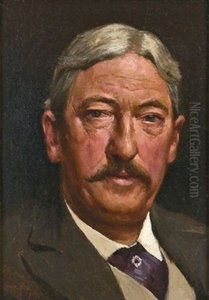
Henry François Farny
1847 - 1916 , Francia
Datos clave
- Artistic Movement Or Style: Realismo
- Artists Or Movements Influenced By This Artist: ['Escuela Düsseldorf']
- Artists Who Influenced This Artist: ['Albert Bierstadt']
- Date Of Birth: July 15, 1847
- Date Of Death: December 23, 1916
- Full Name: Henry François Farny
- Nationality: Francés-Americano
- Notable Artworks:
- Canción del Cable Hablador
- Mañana de un Nuevo Día
- Place Of Birth: Ribeauvillé, Francia
Artículos relacionados
Henry Farny: Romantic Visions of the American West & Indigenous Life
Explore the evocative paintings of Henry Farny, renowned for his romantic realism & depictions of Native American life in the 19th-century West. Discover his legacy and key artworks at ArtsDot.
Henri Matisse: Las 25 Obras Maestras que Definieron un Genio del Color | ArtsDot
Descubre las 25 obras maestras de Henri Matisse, el rey del color y padre del fauvismo. Explora su arte moderno, lienzos vibrantes y la historia detrás de cada pintura icónica. Encuentra reproducciones de alta calidad en ArtsDot.com.
Joseph Henry Sharp: Capturing the Spirit of the Plains – Life, Art & Legacy
Explore the life & art of Joseph Henry Sharp, a founding member of the Taos Society of Artists renowned for his realistic depictions of Native American culture and Western landscapes. Discover his legacy with ArtsDot.
Robert Henri & the Spirit of American Realism: A Legacy of Urban Life and Artistic Independence
Explore the life & legacy of Robert Henri, a pivotal figure in American Realism. Discover his captivating portraits, influence on the Ashcan School, and enduring impact on art history. Learn more at ArtsDot.
Shadow Catcher: Edward S. Curtis & the Ethnographic Portraiture of a Vanishing West
Explore the life & work of Edward S. Curtis, the 'Shadow Catcher,' and his groundbreaking photographic documentation of Native American cultures. Discover iconic images from *The North American Indian* and a critical look at his lasting legacy.