

 Ver en contexto
 Enviar
 Compartir
 Detalles

 Descargar
 Similares
 Radiografía
 Presentación de diapositivas
 Estadísticas
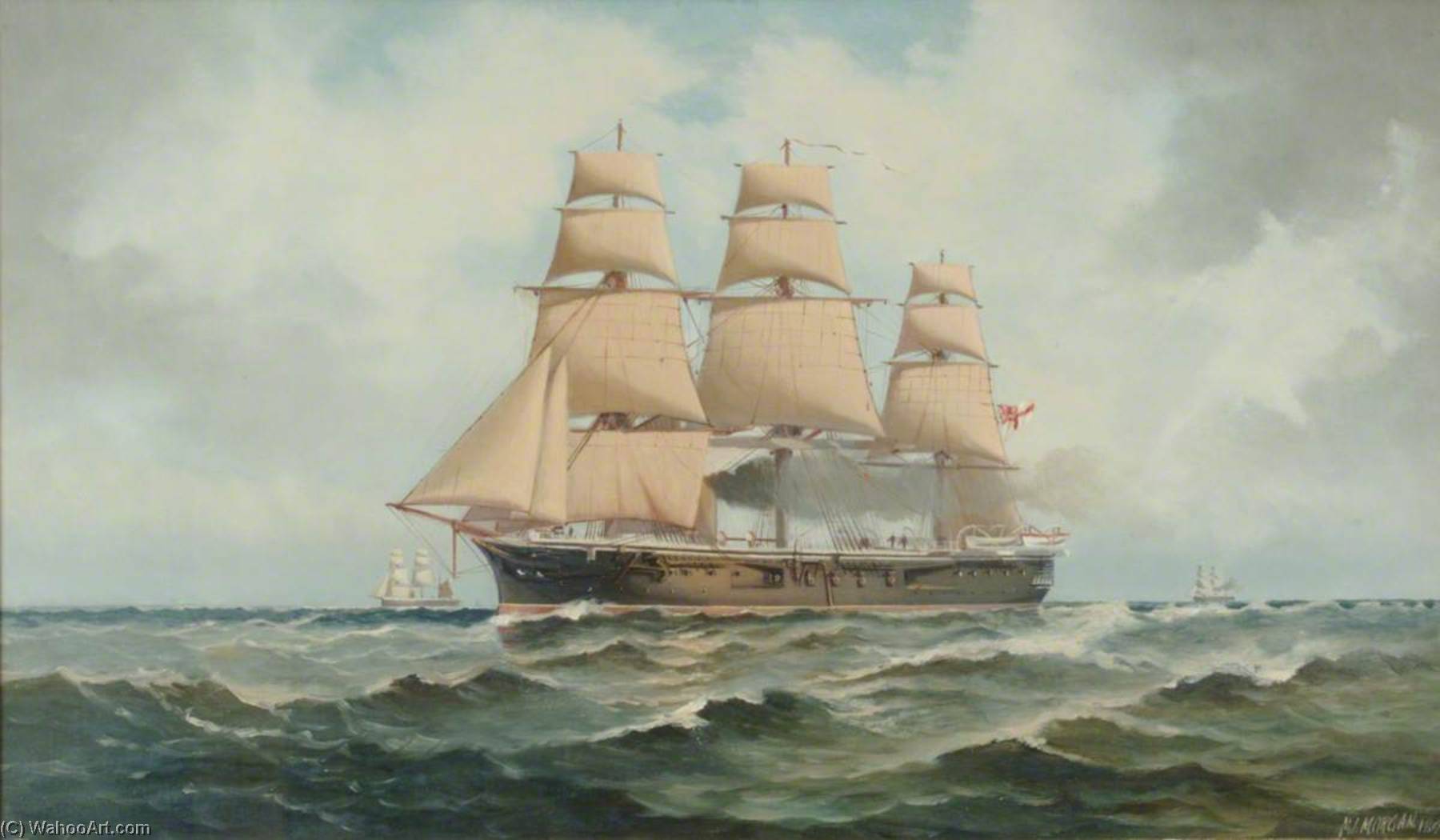
HMS 'Penelope', 1885–1887
 34.0 x 59.0 cm
 Ver más
Giclée / Impresión de arte
Impresiones giclée o en lienzo de calidad de museo con producción rápida y opciones de acabado flexibles. ( Comprar pintura hecha a mano Cambiar a imagen digital)




































Elija entre nuestros tamaños predefinidos que respetan las proporciones originales de la obra.

Puede introducir sus propias dimensiones para adaptarse a un marco o espacio específico. Si el tamaño seleccionado no coincide con las proporciones de la imagen original, recortaremos la obra de arte o extenderemos la imagen con un borde con efecto espejo o de color sólido. Se enviará una maqueta digital para su aprobación antes de que comience la producción.
Tenga en cuenta que la vista previa en pantalla no refleja el recorte o la extensión real. Solo la maqueta mostrará con precisión la composición final.
Aunque existen tamaños personalizados, recomendamos seleccionar una dimensión de la lista predefinida para preservar las proporciones originales.
Envío a todo el mundo () en 2 semanas en lugar de las 4/5 semanas estándar. (8 septiembre)

Envío exprés gratuito a todo el mundo

Lienzo de lino de alta calidad

Seguro de envío total

Garantía de reembolso de impuestos aduaneros

Garantía de fidelidad cromática exacta

Política de devolución de 100 días (solo por defectos)

Garantía de devolución del 100% del dinero

Descuento por cantidad
 La opción de vidrio solo está disponible en tamaños inferiores a 110 cm.

HMS 'Penelope', 1885–1887
Giclée / Impresión de arte
Dimensiones de la reproducción
-


Precio total final
$ 62
Obras relacionadas









Biografía del artista
The Master of Naval Impressionism: The Life and Legacy of Henry J. Morgan
In the grand tapestry of British maritime art, few threads shimmer with as much atmospheric brilliance as those woven by Henry J. Morgan. Born in London in 1839, Morgan emerged during a transformative era when Britain’s naval supremacy was both a political reality and a profound cultural symbol. While his early years remain somewhat veiled in the mists of history, his artistic trajectory reveals a man deeply enamored with the salt spray and the structural majesty of the sea. His journey began not merely as an observer of ships, but as a student of light and shadow, driven by a lifelong vocation to capture the pulse of the ocean through the lens of Naval Impressionism.
Morgan’s formal education provided the technical bedrock upon which his more fluid, emotive style would later flourish. At the prestigious Slade School of Fine Art, he mastered the rigors of composition and perspective, yet it was his mentorship under luminaries such as George Frederic Watts and William Holman Hunt that truly shaped his artistic soul. From these masters, Morgan inherited a unique duality: the meticulous, almost scientific attention to detail characteristic of the Pre-Raphaelite influence, balanced against an intense desire to evoke emotional resonance. This tension between precision and feeling became the hallmark of his work, allowing him to render the intricate rigging of a warship with absolute clarity while simultaneously capturing the fleeting, ethereal quality of a morning mist over Portsmouth harbor.
A Symphony of Ships and Sea
The oeuvre of Henry J. Morgan is a profound exploration of maritime power and the romanticism of naval life. His canvases serve as historical windows into the Victorian and Edwardian eras, documenting the transition from majestic sailing vessels to the formidable steel-clad warships of a new age. Unlike many of his contemporaries who sought to produce mere photographic records of naval engagements, Morgan sought the spirit of the sea. He utilized loose, impressionistic brushstrokes and a subtle, nuanced palette to convey the movement of turbulent waters and the shifting moods of the sky.
His subject matter frequently centered on the iconic vessels that defined British maritime identity. Through his eyes, we witness:
- The Majesty of the Fleet: Notable works such as 'Dreadnought' and 'Victory' at Portsmouth showcase his ability to place legendary ships within a harmonious, atmospheric composition, highlighting their historical weight.
- The Drama of the Elements: In pieces like 'HMS Wanderer' (1887–1891), Morgan captures the raw, untamed energy of warships battling tempestuous seas, using light and shadow to heighten the sense of peril and adventure.
- Serene Naval Life: Beyond the heat of battle, his work often retreats into the quiet dignity of harbor scenes, such as 'HMS Comus' (1899), where the play of light on still water evokes a sense of nostalgic peace.
Historical Significance and Artistic Triumph
The enduring significance of Henry J. Morgan lies in his ability to elevate maritime painting from documentation to high art. By integrating Impressionistic techniques into the traditionally rigid genre of naval art, he bridged the gap between the literal and the lyrical. His work does not simply show us what a ship looked like; it tells us how the sea felt as it surged against the hull. This emotional depth ensured that his paintings remained powerful expressions of historical significance long after the ships themselves had been decommissioned.
As we look back upon his life, which concluded in 1917, we see an artist who successfully captured the twilight of a great maritime era. His legacy is preserved not only in museum collections but in the way he taught us to perceive the sea—not as a static backdrop, but as a living, breathing protagonist in the drama of human history. Through his masterful use of color, light, and motion, Morgan remains a pivotal figure whose work continues to resonate with anyone moved by the timeless allure of the ocean.
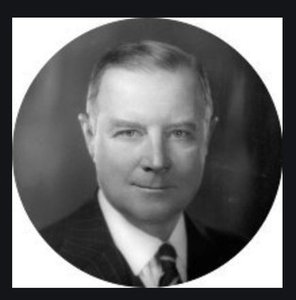
henry j morgan
1839 - 1917
Datos clave
- Artistic Movement Or Style: Maritime painting
- Date Of Birth: 1839
- Date Of Death: 1917
- Full Name: Henry J. Morgan
- Nationality: British
- Notable Artworks:
- Rover
- 'Dreadnought' and 'Victory' at Portsmouth
- Place Of Birth: England