 Ver en contexto
 Enviar
 Compartir
 Detalles

 Descargar
 Similares
 Radiografía
 Presentación de diapositivas
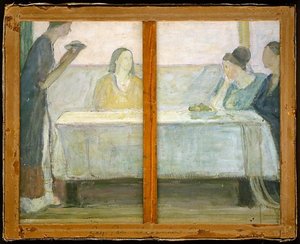
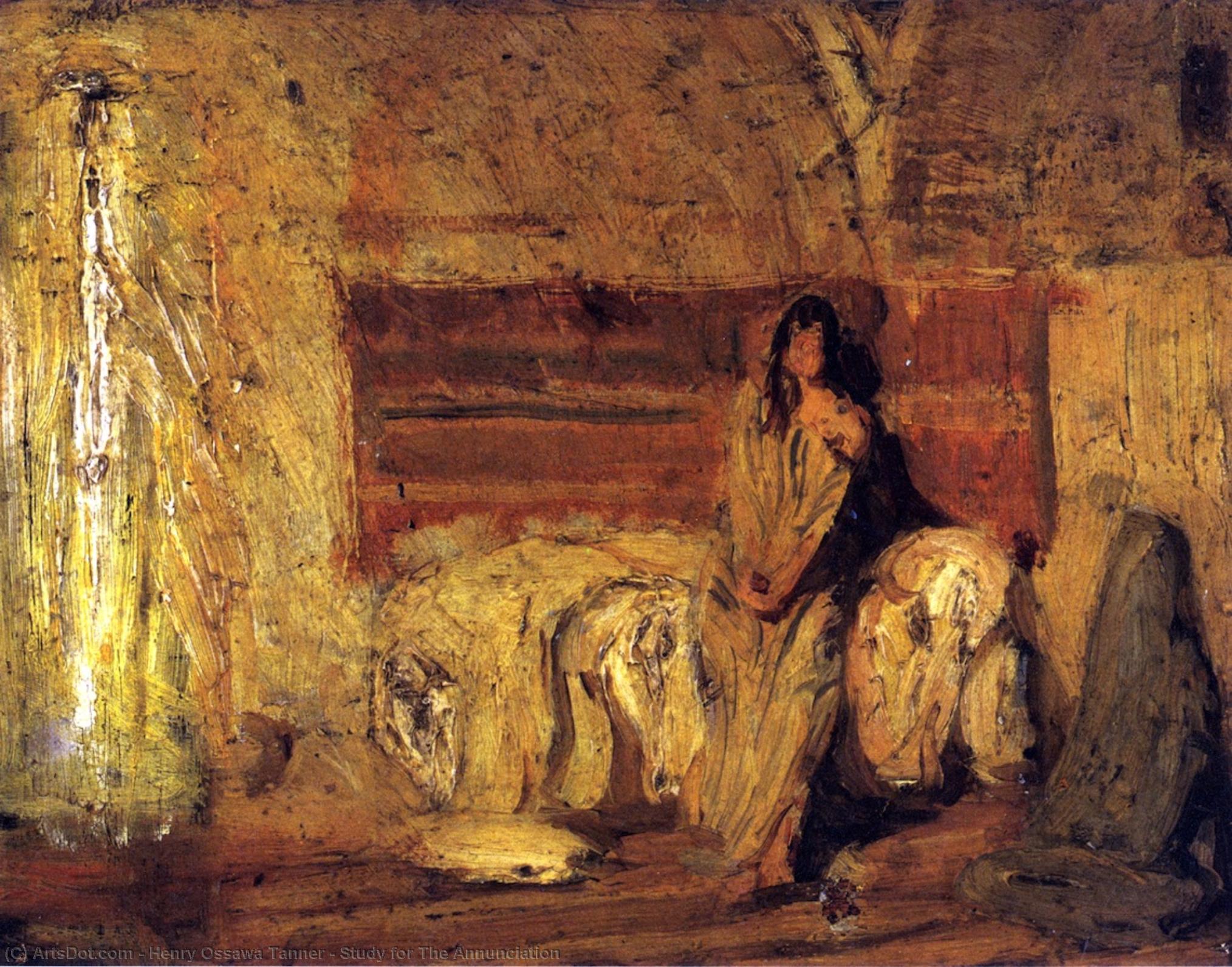
Study for The Annunciation


 Ver más
Giclée / Impresión de arte
Impresiones giclée o en lienzo de calidad de museo con producción rápida y opciones de acabado flexibles. ( Comprar pintura hecha a mano Comprar imagen)




P118B $10

P118H $10

P118W $10

P438Z $10

P508JH $12

P508YH $12

P805H $10

P805Z $10

P919BZ $10

P919G $10

P919XJ $10

P959ZH $10

P968JZ $12

W106C $8

W218G $10

W218JH $8

W218Y $10

W307PJ $10

W316G $10

W316PJ $8

W316Y $10

W398PJ $8

W4111J $10

W500HY $15

W500JH $15

W692G $12

W849H $8

W940BG $15

W953PJ $8




Elija entre nuestros tamaños predefinidos que respetan las proporciones originales de la obra.

Puede introducir sus propias dimensiones para adaptarse a un marco o espacio específico. Si el tamaño seleccionado no coincide con las proporciones de la imagen original, recortaremos la obra de arte o extenderemos la imagen con un borde con efecto espejo o de color sólido. Se enviará una maqueta digital para su aprobación antes de que comience la producción.
Tenga en cuenta que la vista previa en pantalla no refleja el recorte o la extensión real. Solo la maqueta mostrará con precisión la composición final.
Aunque existen tamaños personalizados, recomendamos seleccionar una dimensión de la lista predefinida para preservar las proporciones originales.
Envío a todo el mundo () en 2 semanas en lugar de las 4/5 semanas estándar. (28 agosto)

Envío exprés gratuito a todo el mundo

Lienzo de lino de alta calidad

Seguro de envío total

Garantía de reembolso de impuestos aduaneros

Garantía de fidelidad cromática exacta

Política de devolución de 60 días (solo por defectos)

Garantía de devolución del 100% del dinero

Descuento por cantidad
 La opción de vidrio solo está disponible en tamaños inferiores a 110 cm.

Study for The Annunciation
Giclée / Impresión de arte
Dimensiones de la reproducción
-


Precio total final
$ 62
A Serene Vision of Domestic Piety
Henry Ossawa Tanner’s Study for The Annunciation invites the viewer into a moment suspended between the sacred and the profoundly intimate. Far from the dramatic fervor often associated with biblical narratives, this piece captures a quietude that speaks volumes. We are presented not with celestial fanfare, but with an earthly tableau: a woman seated upon the ground, cradling what appears to be a baby, surrounded by the gentle presence of three sheep. The composition is anchored by a rustic setting, suggested by the simple dining table visible in the background, lending the divine encounter a palpable sense of domestic reality. Tanner masterfully grounds this spiritual subject matter within the recognizable textures and quiet corners of everyday life.
The Influence of Light and Place
To understand the depth of this work, one must consider the journey that shaped Tanner’s vision. His time spent in Egypt and Palestine in 1897 proved to be a crucible for his artistic soul. The light, the culture, the very air of the Holy Land permeated his subsequent works, imbuing them with an unmistakable luminosity and soulful depth. In Study for The Annunciation, this influence manifests as a soft, diffused glow that bathes the figures and the humble room alike. It is a light that seems to emanate not just from an external source, but from within the scene itself—a gentle illumination mirroring spiritual awakening.
Symbolism Woven into the Everyday
The symbolism here operates on multiple levels, inviting deep contemplation. The presence of the sheep, traditionally symbols of innocence and pastoral peace, encircles the central figures, creating a protective halo around the woman and child. While the title references The Annunciation—a moment of divine announcement—Tanner’s interpretation softens this grand event into something deeply human and nurturing. The juxtaposition of the sacred narrative with the mundane elements, like the sturdy table, suggests that divinity is not confined to cathedrals but resides within the quiet acts of care, motherhood, and simple existence.
Technique and Enduring Appeal
Executed in oil on canvas, Tanner’s technique showcases a remarkable blend of academic rigor and heartfelt spontaneity. His brushwork, while highly skilled, never feels cold or overly polished; instead, it retains a vital, almost breathable quality that draws the viewer closer. For those who wish to bring this profound atmosphere into their own space—whether for an art-filled study or a contemplative living area—acquiring a high-quality reproduction allows one to possess a piece of this enduring artistic dialogue. These reproductions capture the subtle tonal shifts and the warm, inviting patina of Tanner’s original vision, making it accessible for modern appreciation.
Obras relacionadas
Biografía del artista
Primeros años y educación
- Nacimiento y Familia: Henry Ossawa Tanner nació el 21 de junio de 1859 en Pittsburgh, Pennsylvania. Su padre, Benjamin Tucker Tanner, fue un destacado obispo en la Iglesia Metodista Africana Episcopal (AME). Su madre, Sarah Elizabeth Tanner, pudo haber nacido esclava en Virginia y escapó a través del Ferrocarril Subterráneo.
- Interés Temprano por el Arte: Tanner demostró un interés temprano por el arte, lo que lo llevó a buscar una formación formal.
- Academia de Bellas Artes de Pensilvania: Estudió en la Academia de Bellas Artes de Pensilvania desde 1879, donde fue influenciado por el profesor Thomas Eakins.
- Traslado a París: Un momento crucial en su carrera ocurrió cuando Tanner se mudó a París en 1891 para estudiar en la Académie Julian. Esto lo expuso a los círculos artísticos franceses y moldeó significativamente su desarrollo como artista.
Estilo Artístico, Temas e Influencias
- Realismo: El trabajo de Tanner se caracteriza por una fuerte adherencia al realismo, que refleja su deseo de capturar con precisión la esencia de sus sujetos.
- Influencias: Su estilo artístico estuvo fuertemente influenciado por las enseñanzas de Thomas Eakins en la Academia de Bellas Artes y posteriormente por las tradiciones europeas, particularmente el arte académico francés e impresionismo. También incorporó elementos del Simbolismo a su obra.
- Temas Recurrentes: Tanner representaba con frecuencia paisajes, temas religiosos (especialmente escenas de la Biblia) y escenas de la vida cotidiana. Sus experiencias en Francia influyeron significativamente en estos temas.
- Obra Notable - "Daniel en el foso de los leones": La aceptación de “Daniel en el foso de los leones” en el Salón de 1896 marcó un hito importante, demostrando su creciente reconocimiento internacional.
Desarrollo y Logros Artísticos
- Primeras Obras: Obras tempranas como *La Lección del Banjo* (1893) mostraron su capacidad para representar la vida afroamericana con dignidad y sensibilidad, apartándose de los estereotipos prevalecientes de la época.
- Pinturas Religiosas: Tanner alcanzó fama internacional por sus pinturas religiosas, incluyendo *Cristo caminando sobre el agua* (c. 1910), *La Resurrección de Lázaro* (1896) y *El Buen Pastor*. Estas obras demostraron su dominio de la luz, la composición y la narración visual.
- Obras Posteriores: Más adelante en su carrera, exploró temas relacionados con la Primera Guerra Mundial, creando pinturas y dibujos que representaban el frente de batalla e incluso retratando a soldados afroamericanos, un tema poco común para esa época.
- Vistas Panorámicas: También creó vistas panorámicas como *La Vista Panorámica del Palacio y los Jardines de Versalles*.
Significado Histórico y Legado
- Primer Artista Afroamericano en Alcanzar Reconocimiento Internacional: Tanner ocupa un lugar único en la historia del arte como el primer artista afroamericano en lograr un amplio reconocimiento internacional.
- Rompiendo Barreras: Su éxito ayudó a allanar el camino para las generaciones futuras de artistas afroamericanos, desafiando barreras y estereotipos raciales dentro del mundo del arte.
- Influencia en el Arte Americano: La influencia de Tanner se puede ver en varios aspectos del arte estadounidense, desde su compromiso con el realismo hasta su exploración de temas espirituales.
- Reconocimiento y Honores: Fue nombrado caballero de la Legión de Honor por el gobierno francés en 1923 y se convirtió en miembro pleno de la Academia Nacional de Diseño en 1927.
- Muerte y Recuerdos: Henry Ossawa Tanner falleció en París el 25 de mayo de 1937, dejando atrás un legado como artista pionero que trascendió las barreras raciales y enriqueció el mundo del arte.
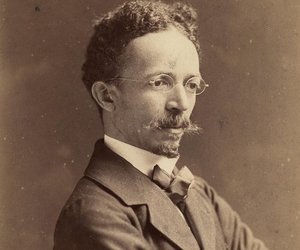
Henry Ossawa Tanner
1859 - 1937 , Estados Unidos de América
Datos clave
- Artistas Influenciados: ['Artistas afroamericanos']
- Artistas Que Influyeron: ['Thomas Eakins']
- Fecha De Fallecimiento: 25 de mayo de 1937
- Fecha De Nacimiento: 21 de junio de 1859
- Lugar De Nacimiento: Pittsburgh, Estados Unidos
- Movimiento Artístico: Realismo americano
- Nacionalidad: Estadounidense
- Nombre Completo: Henry Ossawa Tanner
- Obras Notables:
- Cristo caminando sobre el agua
- Vista panorámica de Versalles
- Daniel en la guarida de leones
- La resurrección de Lázaro
Artículos relacionados
Henry Ossawa Tanner: Pioneering African American Representation in 19th-Century Art
Explore the life and groundbreaking work of Henry Ossawa Tanner, a pioneering African American artist who achieved international acclaim with his deeply spiritual and realistic paintings. Discover his legacy at ArtsDot.
Realismo Estadounidense: 10 Obras Maestras que Cambiaron el Arte y la Decoración
Descubre 10 obras maestras del Realismo Estadounidense: Winslow Homer, Edward Hopper y más. Explora la historia, técnica y emoción de estos icónicos cuadros. Encuentra reproducciones de arte de museo en ArtsDot.com.

The Enduring Legacy of Oil on Canvas: Technique, History & Aesthetic Impact
Explore the rich history & techniques of oil painting – from Renaissance masters to Impressionism. Discover pigments, layering methods, and why this timeless medium endures. Expert insights for artists & art enthusiasts.

Grant Wood & American Regionalism: Identity, Myth & the Rural Landscape
Explore the world of Grant Wood & American Regionalism with ArtsDot. Discover the symbolism behind 'American Gothic', recurring themes, and the movement's lasting impact on art history. High-quality reproductions available.
El Siglo XIX en el Arte: 10 Obras Maestras para Decorar con Historia y Estilo
Descubre 10 obras maestras del siglo XIX: Monet, Goya y más. Explora el impresionismo, realismo y romanticismo que definieron una época. Encuentra reproducciones de arte exclusivas para decorar tu hogar con estilo en ArtsDot.com.