 Ver en contexto
 Enviar
 Compartir
 Detalles

 Descargar
 Similares
 Radiografía
 Presentación de diapositivas
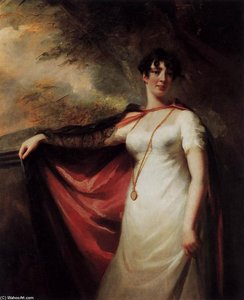
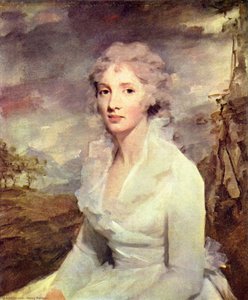
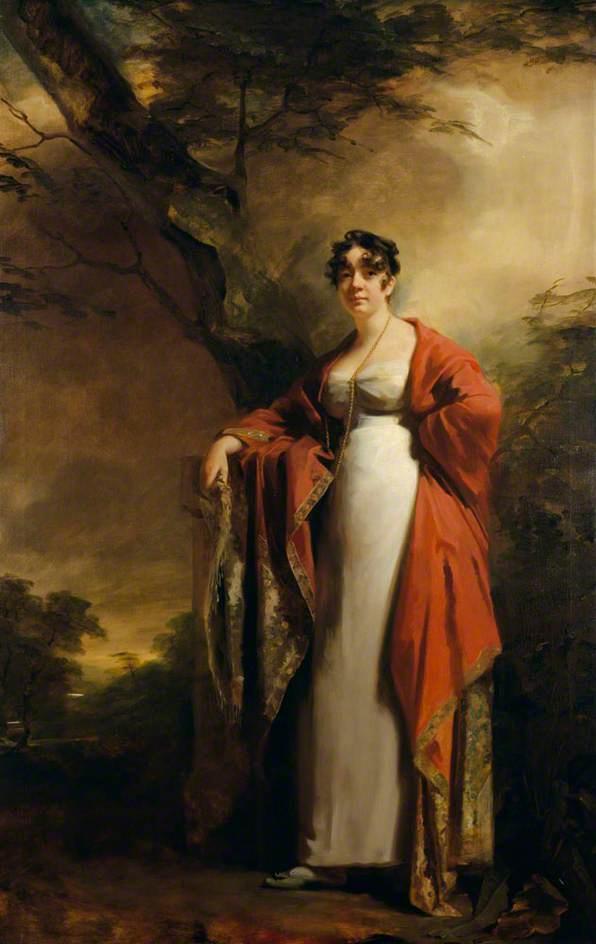
Frances Harriet Wynne (1786 1860), Mrs Hamilton of Kames


 Ver más
Reproducción al óleo hecha a mano
Óleo sobre lienzo pintado a mano en el tamaño y marco de su elección, realizado por encargo por nuestros artistas. ( Comprar impresión Comprar imagen)




P118B $10

P118H $10

P118W $10

P438Z $10

P508JH $12

P508YH $12

P805H $10

P805Z $10

P919BZ $10

P919G $10

P919XJ $10

P959ZH $10

P968JZ $12

W106C $8

W218G $10

W218JH $8

W218Y $10

W307PJ $10

W316G $10

W316PJ $8

W316Y $10

W398PJ $8

W4111J $10

W500HY $15

W500JH $15

W692G $12

W849H $8

W940BG $15

W953PJ $8




Elija entre nuestros tamaños predefinidos que respetan las proporciones originales de la obra.

Puede ingresar sus propias dimensiones para adaptarse a un marco o espacio específico. Si el tamaño seleccionado no coincide con las proporciones de la imagen original, recortaremos la obra o extenderemos la pintura con elementos adicionales pintados a mano. Se le enviará una maqueta digital para su aprobación antes de comenzar la producción.
Tenga en cuenta que la vista previa en pantalla no refleja el recorte o la extensión reales. Solo la maqueta mostrará con precisión la composición final.
Si bien existen tamaños personalizados, recomendamos seleccionar una dimensión de la lista predefinida para preservar las proporciones originales.
Tras realizar el pedido, el equipo de ArtsDot.com enviará un correo electrónico al cliente para solicitar instrucciones y proporcionarle una vista previa del boceto.
Envío a todo el mundo () en 3-4 semanas en lugar de las 5 semanas estándar. (25 agosto). Sin comprometer la calidad.

Envío exprés gratuito a todo el mundo

Lienzo de lino de alta calidad

Seguro de envío total

Garantía de reembolso de impuestos aduaneros

Garantía de fidelidad cromática exacta

Política de devolución de 60 días (solo por defectos)

Garantía de devolución del 100% del dinero

Descuento por cantidad
 La opción de vidrio solo está disponible en tamaños inferiores a 110 cm.

Frances Harriet Wynne (1786 1860), Mrs Hamilton of Kames
Técnica de reproducción
Dimensiones de la reproducción
-


Precio total final
$ 263
Descripción de la obra
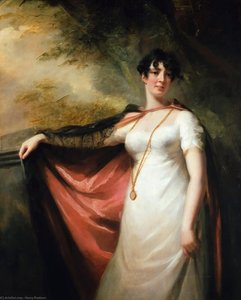
A Portrait of Grace: Frances Harriet Wynne, Mrs. Hamilton of Kames by Henry Raeburn
Henry Raeburn’s “Frances Harriet Wynne, Mrs. Hamilton of Kames,” painted in 1811, is more than a simple portrait; it's a carefully constructed tableau of wealth, social standing, and quiet dignity. This captivating work, now residing within the National Galleries of Scotland, offers a glimpse into early 19th-century Scottish society through the discerning eye of one of Britain’s most celebrated artists. The painting immediately draws the viewer in with its harmonious composition – a woman presented against a subtly atmospheric landscape that speaks volumes about her position and the era she inhabits.
Raeburn, a master of realism who skillfully blended classical influences with a distinctly British sensibility, employed his signature technique to capture Wynne’s likeness with remarkable precision. The brushwork is layered and textured, creating a sense of depth and richness that invites close inspection. Notice the delicate modeling of her face – the subtle shading around her eyes and mouth conveying both intelligence and serenity. The folds of her dress are rendered with meticulous detail, hinting at the luxurious fabrics and elaborate fashions of the time. The use of glazes and scumbles adds luminosity to the skin tones and drapery, creating a vibrant yet understated palette.
A Window into Regency Society
To fully appreciate “Mrs. Hamilton of Kames,” it’s essential to understand the social context in which it was created. The early 1800s were a period of significant change and prosperity in Scotland, fueled by burgeoning trade and industry. The Hamilton family, particularly Mrs. Wynne, represented a rising merchant class enjoying considerable wealth and influence. Raeburn's role as Portrait Painter to King George IV underscored the importance of portraiture as a means of solidifying social status and demonstrating lineage. The setting itself – a hazy, idealized landscape – reinforces this sense of affluence and leisure; it’s not a specific location but rather an evocation of the beauty and bounty of the Scottish Highlands.
Symbolism and Artistic Intent
Beyond its surface depiction, the painting is laden with symbolic meaning. The woman's posture—tall and upright, yet relaxed—conveys confidence and self-assurance. Her gaze, direct but not confrontational, suggests a thoughtful and intelligent nature. The inclusion of the landscape isn’t merely decorative; it serves to elevate her status, placing her within a grander, more natural setting. The muted colors – predominantly greens, browns, and blues – contribute to the painting's overall sense of tranquility and sophistication. Raeburn masterfully uses atmospheric perspective, blurring the distant trees to create a feeling of depth and distance, further emphasizing the subject’s prominence.
A Timeless Masterpiece
“Frances Harriet Wynne, Mrs. Hamilton of Kames” remains a powerful testament to Henry Raeburn's artistic skill and his ability to capture not just likeness but also character and atmosphere. It is a painting that rewards repeated viewing, revealing new nuances with each encounter. Reproductions offer an accessible way to experience the beauty and sophistication of this iconic work, bringing its timeless elegance into any home or space. The combination of meticulous detail, subtle symbolism, and evocative composition makes it a truly remarkable achievement in British portraiture—a window into a bygone era and a celebration of human grace.
Obras relacionadas
Biografía del artista
Una Pionera en el Campo de la Pintura
Sir Henry Raeburn FRSE RA, un retratista escocés, dejó una huella imborrable en el mundo del arte con sus cautivadoras obras. Nacido el 4 de marzo de 1756 en Stockbridge, Edimburgo, Escocia, el viaje artístico de Raeburn es un testimonio de su dedicación y pasión.Vida Temprana y Formación
Huérfano a temprana edad, Raeburn fue apoyado por su hermano William y colocado en el Hospital Heriot, donde recibió una educación. A los 15 años, fue aprendiz del orfebre James Gilliland de Edimburgo, perfeccionando sus habilidades en la joyería y los delicados dibujos sobre marfil.Evolución Artística
La transición de Raeburn de los miniaturas a la pintura al óleo marcó un punto de inflexión en su carrera. Adquirió las habilidades necesarias para dedicarse exclusivamente a la pintura, siendo George Chalmers (1776; Ayuntamiento de Dunfermline) su retrato conocido más temprano. Su estilo se caracterizó por una gran atención al detalle y un realismo que capturaba la personalidad de sus modelos.Obras Destacadas y Asociaciones
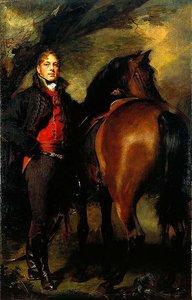
- El joven jugador de polo de William Bruce Ellis Ranken muestra el talento excepcional de Raeburn para capturar movimiento y energía.
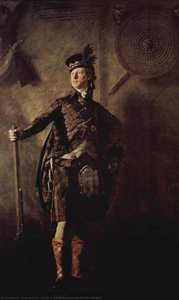
- Alexander Allan, una figura destacada en el arte escocés, fue retratado por Raeburn, lo que destaca su capacidad para capturar la esencia de sus sujetos.
Legado e Importancia Histórica
El impacto de Raeburn en el arte escocés es innegable. Su dedicación a capturar la esencia de sus sujetos lo ha convertido en un pionero en el mundo del retrato. Como Sir Henry Raeburn FRSE RA, sigue siendo una parte integral del rico patrimonio artístico de Escocia. Su obra se encuentra en importantes colecciones y museos alrededor del mundo, lo que demuestra su influencia duradera en la historia del arte.- Vea más obras de Sir Henry Raeburn FRSE RA en https://ArtsDot.com/@/henry-raeburn
- Explore la Galería Nacional Escocesa (Edimburgo, Escocia) en https://ArtsDot.com/@@/d3y8vu-william-mctaggart-spring
- Descubra más sobre el arte escocés en https://en.wikipedia.org/wiki/scottish_art_in_the_eighteenth_century
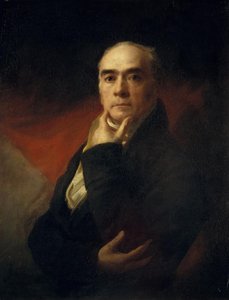
Henry Raeburn
1756 - 1823 , Reino Unido
Datos clave
- Artistas Influyentes: ['George Chalmers']
- Estilo Artístico: Retrato realista
- Fecha De Muerte: 1823
- Fecha De Nacimiento: 4 de marzo de 1756
- Lugar De Nacimiento: Stockbridge, Reino Unido
- Nacionalidad: Escocés
- Nombre Completo: Henry Raeburn
- Obras Notables:
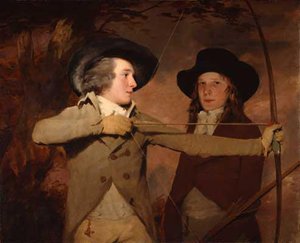
- Los Arqueros
- Alexander Allan
- The Young Polo Player
Artículos relacionados
Sir John Watson Gordon: A Study in Scottish Landscape Painting & Tonal Impressionism
Explore the captivating portraits of Sir John Watson Gordon, a leading Scottish master. Discover his evolution from neoclassical style to atmospheric Tonalism and influence on 19th-century British art. Learn about his iconic sitters & legacy.
Henry Raeburn Dobson: A Scottish Colourist Bridging Tradition & Modernity
Explore the life & work of Henry Raeburn Dobson, a key figure bridging Scottish tradition & modern art. Discover his neoclassical portraits, landscapes, and connection to the Colourists. Learn about collecting his works.
Henry Raeburn: A Scottish Portraitist's Mastery of Light, Character & National Identity
Explore the life & work of Henry Raeburn, a master Scottish portraitist. Discover his innovative techniques, captivating portraits of the Enlightenment era, and lasting legacy in art history. Learn more at ArtsDot.
George Paul Chalmers: Rediscovering the Angus Rembrandt & Scottish Colourist Roots
Explore the captivating world of George Paul Chalmers (1833-1878), a pivotal Scottish painter. Discover his landscapes, portraits & connection to the Aesthetic Movement and Colourists. Learn about this 'Angus Rembrandt's' legacy with ArtsDot.
James Giles: Capturing Scottish Life Through the Lens of British Realism
Explore the life & work of James Giles (1801-1870), a master of Scottish landscape painting and favored artist of Queen Victoria. Discover his atmospheric realism & royal commissions.