 Vista previa
 Compartir
 Compartir
 Ver detalles

 Descargar
 Ver similares
 Radiografía
 Presentación de diapositivas
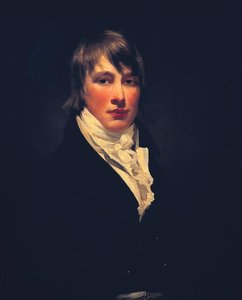
John Tait of Harvieston
 Oil
Oil- WallArt
- Contemporary Realism
 19th Century
 72.0 x 62.0 cm
 La Colina de Tarvit
 Leer más
Reproducción al óleo hecha a mano
Óleo sobre lienzo pintado a mano en el tamaño y marco de su elección, realizado por encargo por nuestros artistas. ( Pedir impresión Comprar descarga)




P118B $10

P118H $10

P118W $10

P438Z $10

P508JH $12

P508YH $12

P805H $10

P805Z $10

P919BZ $10

P919G $10

P919XJ $10

P959ZH $10

P968JZ $12

W106C $8

W218G $10

W218JH $8

W218Y $10

W307PJ $10

W316G $10

W316PJ $8

W316Y $10

W398PJ $8

W4111J $10

W500HY $15

W500JH $15

W692G $12

W849H $8

W940BG $15

W953PJ $8




Elija entre nuestros tamaños predefinidos que respetan las proporciones originales de la obra.

Puede ingresar sus propias dimensiones para adaptarse a un marco o espacio específico. Si el tamaño seleccionado no coincide con las proporciones de la imagen original, recortaremos la obra o extenderemos la pintura con elementos adicionales pintados a mano. Se le enviará una maqueta digital para su aprobación antes de comenzar la producción.
Tenga en cuenta que la vista previa en pantalla no refleja el recorte o la extensión reales. Solo la maqueta mostrará con precisión la composición final.
Si bien existen tamaños personalizados, recomendamos seleccionar una dimensión de la lista predefinida para preservar las proporciones originales.
Tras realizar el pedido, el equipo de ArtsDot.com enviará un correo electrónico al cliente para solicitar instrucciones y proporcionarle una vista previa del boceto.
Envío a todo el mundo () en 3-4 semanas en lugar de las 5 semanas estándar. (21 agosto). Sin comprometer la calidad.

Envío exprés gratuito a todo el mundo

Lienzo de lino de alta calidad

Seguro de envío completo

Garantía de reembolso de aranceles aduaneros

Garantía de fidelidad cromática exacta

Política de devolución de 60 días (solo por defectos)

Garantía de devolución del 100% del dinero

Oferta por volumen
 La opción de vidrio solo está disponible en tamaños inferiores a 110 cm.

John Tait of Harvieston
Técnica de reproducción
Tamaño de la reproducción
-


Precio total
$ 263
Descripción de la obra
A Glimpse into the Scottish Enlightenment
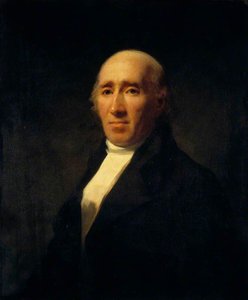
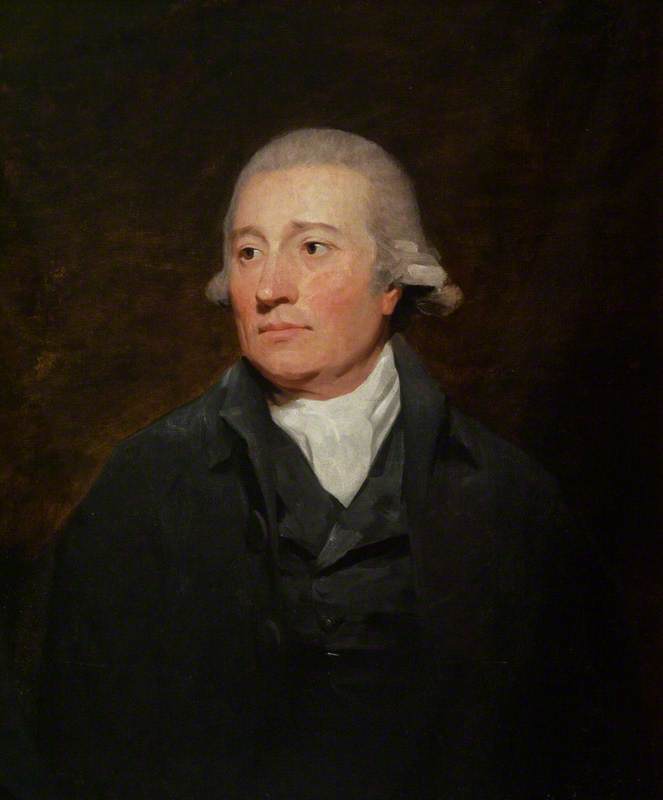
In the quiet, commanding presence of John Tait of Harvieston, we encounter more than just a mere likeness; we step into the very soul of eighteenth-century Scotland. Painted by the legendary Sir Henry Raeburn, this portrait serves as a profound window into an era defined by intellect, dignity, and the burgeoning spirit of the Scottish Enlightenment. The subject, John Tait, is captured not in a moment of action, but in a state of deep, contemplative stillness. His gaze, directed slightly away from the viewer, suggests a man lost in thought, perhaps contemplating the weighty responsibilities of his station or the philosophical shifts of his age. This subtle psychological depth is what elevates Raeburn’s work from simple documentation to high art, inviting collectors and admirers alike to wonder about the silent stories held within those steady eyes.
The composition is a masterclass in the use of light and shadow, a technique often referred to as chiaroscuro. By placing Tait against a dark, indistinct background, Raeburn ensures that there are no distractions from the man himself. The darkness acts as a void that pushes the subject forward, making his pale features and the crisp white of his cravat appear almost luminous. This dramatic contrast creates a sense of three-dimensionality that is breathtakingly lifelike. For an interior designer, such a piece offers a powerful focal point; its ability to command attention through subtle tonal shifts makes it an ideal centerpiece for a study, a library, or a formal gallery space where conversation and reflection are encouraged.
The Mastery of the Brush and Texture
Raeburn’s technical prowess is evident in the meticulous rendering of textures that define this portrait. One can almost feel the weight of the heavy, dark coat and the delicate, starch-white fabric of the neckcloth. The artist’s background in goldsmithing and miniature painting clearly informs his approach to larger canvases, granting him a precision that captures the fine lines of wisdom around the eyes and the subtle contours of the face. There is a soft, painterly quality to the skin tones that avoids the harshness of mere realism, instead imbuing the subject with a gentle, human warmth.
The emotional impact of John Tait of Harvieston lies in its understated elegance. It does not rely on grand gestures or flamboyant colors to impress; rather, it relies on the quiet strength of character. For those seeking to curate a collection of fine reproductions, this painting represents the pinnacle of British portraiture. It brings with it an atmosphere of historical prestige and timeless sophistication. Owning a piece that captures such a refined moment in history allows one to surround themselves with the dignity of the past, creating an environment of cultured grace and enduring beauty.
Obras relacionadas
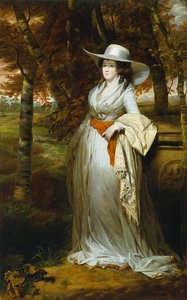
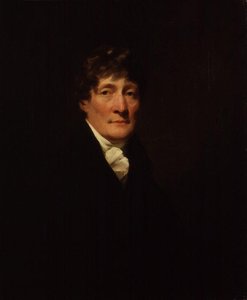
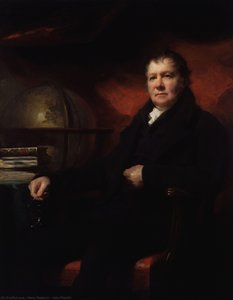
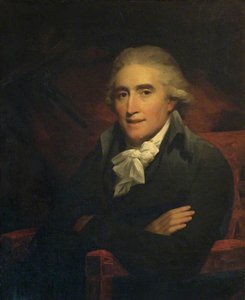
Biografía del artista
Una Pionera en el Campo de la Pintura
Sir Henry Raeburn FRSE RA, un retratista escocés, dejó una huella imborrable en el mundo del arte con sus cautivadoras obras. Nacido el 4 de marzo de 1756 en Stockbridge, Edimburgo, Escocia, el viaje artístico de Raeburn es un testimonio de su dedicación y pasión.Vida Temprana y Formación
Huérfano a temprana edad, Raeburn fue apoyado por su hermano William y colocado en el Hospital Heriot, donde recibió una educación. A los 15 años, fue aprendiz del orfebre James Gilliland de Edimburgo, perfeccionando sus habilidades en la joyería y los delicados dibujos sobre marfil.Evolución Artística
La transición de Raeburn de los miniaturas a la pintura al óleo marcó un punto de inflexión en su carrera. Adquirió las habilidades necesarias para dedicarse exclusivamente a la pintura, siendo George Chalmers (1776; Ayuntamiento de Dunfermline) su retrato conocido más temprano. Su estilo se caracterizó por una gran atención al detalle y un realismo que capturaba la personalidad de sus modelos.Obras Destacadas y Asociaciones
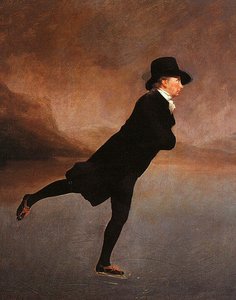
- El joven jugador de polo de William Bruce Ellis Ranken muestra el talento excepcional de Raeburn para capturar movimiento y energía.
- Alexander Allan, una figura destacada en el arte escocés, fue retratado por Raeburn, lo que destaca su capacidad para capturar la esencia de sus sujetos.
Legado e Importancia Histórica
El impacto de Raeburn en el arte escocés es innegable. Su dedicación a capturar la esencia de sus sujetos lo ha convertido en un pionero en el mundo del retrato. Como Sir Henry Raeburn FRSE RA, sigue siendo una parte integral del rico patrimonio artístico de Escocia. Su obra se encuentra en importantes colecciones y museos alrededor del mundo, lo que demuestra su influencia duradera en la historia del arte.- Vea más obras de Sir Henry Raeburn FRSE RA en https://ArtsDot.com/@/henry-raeburn
- Explore la Galería Nacional Escocesa (Edimburgo, Escocia) en https://ArtsDot.com/@@/d3y8vu-william-mctaggart-spring
- Descubra más sobre el arte escocés en https://en.wikipedia.org/wiki/scottish_art_in_the_eighteenth_century
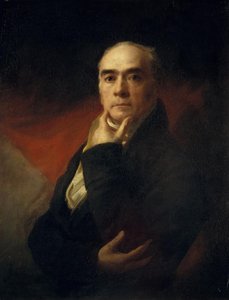
Henry Raeburn
1756 - 1823 , Reino Unido
Datos clave
- Artistas Influyentes: ['George Chalmers']
- Estilo Artístico: Retrato realista
- Fecha De Muerte: 1823
- Fecha De Nacimiento: 4 de marzo de 1756
- Lugar De Nacimiento: Stockbridge, Reino Unido
- Nacionalidad: Escocés
- Nombre Completo: Henry Raeburn
- Obras Notables:
- Los Arqueros
- Alexander Allan
- The Young Polo Player
Artículos relacionados

Henri Matisse: Las 25 Obras Maestras que Definieron un Genio del Color | ArtsDot
Descubre las 25 obras maestras de Henri Matisse, el rey del color y padre del fauvismo. Explora su arte moderno, lienzos vibrantes y la historia detrás de cada pintura icónica. Encuentra reproducciones de alta calidad en ArtsDot.com.

John Singer Sargent: Las 25 Obras Maestras del Retrato y la Belle Époque | ArtsDot
Descubre las 25 obras maestras de John Singer Sargent, el maestro del retrato y la Belle Époque. Explora su técnica impresionista, historias fascinantes y encuentra reproducciones de arte exclusivas para decorar tu hogar con elegancia en ArtsDot.com.
Henry Raeburn: A Scottish Portraitist's Mastery of Light, Character & National Identity
Explore the life & work of Henry Raeburn, a master Scottish portraitist. Discover his innovative techniques, captivating portraits of the Enlightenment era, and lasting legacy in art history. Learn more at ArtsDot.
Henry Raeburn Dobson: A Scottish Colourist Bridging Tradition & Modernity
Explore the life & work of Henry Raeburn Dobson, a key figure bridging Scottish tradition & modern art. Discover his neoclassical portraits, landscapes, and connection to the Colourists. Learn about collecting his works.

John Constable: Las 25 Obras Maestras del Paisaje Inglés | ArtsDot
Descubre las 25 obras maestras de John Constable, el pintor romántico inglés que capturó la belleza del paisaje. Explora su técnica, historia y significado en ArtsDot.com. Reproducciones de arte de alta calidad para tu hogar.