 Ver en contexto
 Enviar
 Compartir
 Detalles

 Descargar
 Similares
 Radiografía
 Presentación de diapositivas
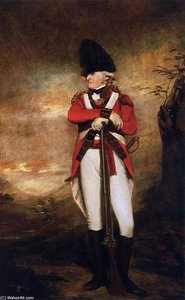
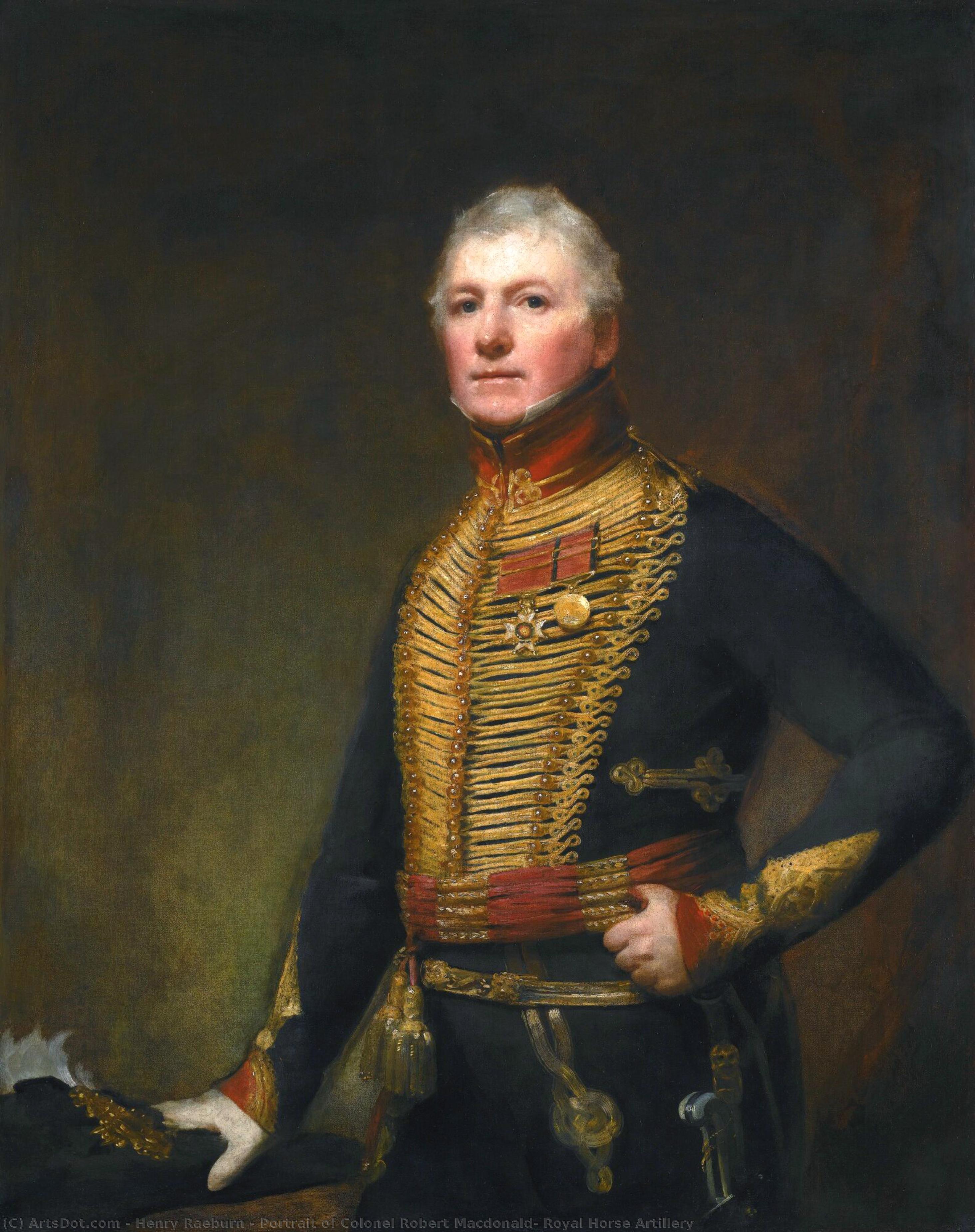
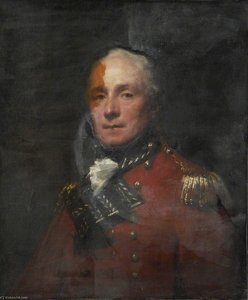
Portrait of Colonel Robert Macdonald, Royal Horse Artillery
 Oil
Oil- WallArt
- Realism
 19th Century
 129.0 x 103.0 cm
 Ver más
Giclée / Impresión de arte
Impresiones giclée o en lienzo de calidad de museo con producción rápida y opciones de acabado flexibles. ( Comprar pintura hecha a mano Comprar imagen)




P118B $10

P118H $10

P118W $10

P438Z $10

P508JH $12

P508YH $12

P805H $10

P805Z $10

P919BZ $10

P919G $10

P919XJ $10

P959ZH $10

P968JZ $12

W106C $8

W218G $10

W218JH $8

W218Y $10

W307PJ $10

W316G $10

W316PJ $8

W316Y $10

W398PJ $8

W4111J $10

W500HY $15

W500JH $15

W692G $12

W849H $8

W940BG $15

W953PJ $8




Elija entre nuestros tamaños predefinidos que respetan las proporciones originales de la obra.

Puede introducir sus propias dimensiones para adaptarse a un marco o espacio específico. Si el tamaño seleccionado no coincide con las proporciones de la imagen original, recortaremos la obra de arte o extenderemos la imagen con un borde con efecto espejo o de color sólido. Se enviará una maqueta digital para su aprobación antes de que comience la producción.
Tenga en cuenta que la vista previa en pantalla no refleja el recorte o la extensión real. Solo la maqueta mostrará con precisión la composición final.
Aunque existen tamaños personalizados, recomendamos seleccionar una dimensión de la lista predefinida para preservar las proporciones originales.
Envío a todo el mundo () en 2 semanas en lugar de las 4/5 semanas estándar. (4 septiembre)

Envío exprés gratuito a todo el mundo

Lienzo de lino de alta calidad

Seguro de envío total

Garantía de reembolso de impuestos aduaneros

Garantía de fidelidad cromática exacta

Política de devolución de 60 días (solo por defectos)

Garantía de devolución del 100% del dinero

Descuento por cantidad
 La opción de vidrio solo está disponible en tamaños inferiores a 110 cm.

Portrait of Colonel Robert Macdonald, Royal Horse Artillery
Giclée / Impresión de arte
Dimensiones de la reproducción
-


Precio total final
$ 62
A Vision of Command: The Presence of Colonel Robert Macdonald
In the grand tradition of British portraiture, few works capture the intersection of individual character and institutional prestige as effectively as Henry Raeburn’s Portrait of Colonel Robert Macdonald, Royal Horse Artillery. This commanding piece serves as more than a mere likeness; it is a profound study of authority, captured through the lens of a man who stood at the height of his military career. The subject is presented in a pose of unmistakable confidence, with hands resting firmly on his hips, a stance that radiates a sense of readiness and unshakeable command. Every element of his attire, from the meticulous detail of his uniform to the subtle glint of the medal upon his chest, speaks to a life defined by duty, discipline, and the heavy mantle of leadership within the Royal Horse Artillery.
The painting transcends simple documentation, inviting the viewer into the psychological landscape of the Napoleonic era. There is an inherent strength in the Colonel's gaze, a quality that suggests a man accustomed to making decisive actions under pressure. The inclusion of his sword at his side acts as a silent symbol of his martial prowess and the physical reality of his station. For the discerning collector or interior designer, this work offers a window into a bygone age of chivalry and formal elegance, providing a focal point that commands attention in any sophisticated setting, whether it be a private library, a stately study, or a curated gallery wall.
The Mastery of Raeburn: Technique and Light
To behold this portrait is to witness the technical brilliance of Sir Henry Raeburn, a master of Scottish realism. Renowned for his ability to manipulate light and shadow—a technique often compared to the great Rembrandt—Raeburn employs a painterly approach that breathes life into the canvas. The texture of the uniform, the heavy fabric of the coat, and the subtle sheen of the metallic accents are rendered with a precision that speaks to his early training as a goldsmith. This background in fine detail allows him to balance broad, expressive brushstrokes with moments of exquisite clarity, creating a sense of depth and three-dimensionality that makes the figure appear almost to step out from the frame.
The composition is masterfully balanced, utilizing a large-scale format that emphasizes the monumental nature of the subject. The interplay of light across the Colonel's face highlights the rugged determination in his features, while the darker, more atmospheric tones of the background ensure that the viewer's eye remains anchored to the central figure. This dramatic use of chiaroscuro does not merely illuminate the subject; it sculpts him, adding a layer of emotional gravity and historical weight. For those seeking a high-quality reproduction, this piece offers an opportunity to bring the sophisticated atmosphere of 18th-century British excellence into a modern interior, serving as a timeless testament to the enduring power of classical portraiture.
Obras relacionadas
Biografía del artista
Una Pionera en el Campo de la Pintura
Sir Henry Raeburn FRSE RA, un retratista escocés, dejó una huella imborrable en el mundo del arte con sus cautivadoras obras. Nacido el 4 de marzo de 1756 en Stockbridge, Edimburgo, Escocia, el viaje artístico de Raeburn es un testimonio de su dedicación y pasión.Vida Temprana y Formación
Huérfano a temprana edad, Raeburn fue apoyado por su hermano William y colocado en el Hospital Heriot, donde recibió una educación. A los 15 años, fue aprendiz del orfebre James Gilliland de Edimburgo, perfeccionando sus habilidades en la joyería y los delicados dibujos sobre marfil.Evolución Artística
La transición de Raeburn de los miniaturas a la pintura al óleo marcó un punto de inflexión en su carrera. Adquirió las habilidades necesarias para dedicarse exclusivamente a la pintura, siendo George Chalmers (1776; Ayuntamiento de Dunfermline) su retrato conocido más temprano. Su estilo se caracterizó por una gran atención al detalle y un realismo que capturaba la personalidad de sus modelos.Obras Destacadas y Asociaciones
- El joven jugador de polo de William Bruce Ellis Ranken muestra el talento excepcional de Raeburn para capturar movimiento y energía.
- Alexander Allan, una figura destacada en el arte escocés, fue retratado por Raeburn, lo que destaca su capacidad para capturar la esencia de sus sujetos.
Legado e Importancia Histórica
El impacto de Raeburn en el arte escocés es innegable. Su dedicación a capturar la esencia de sus sujetos lo ha convertido en un pionero en el mundo del retrato. Como Sir Henry Raeburn FRSE RA, sigue siendo una parte integral del rico patrimonio artístico de Escocia. Su obra se encuentra en importantes colecciones y museos alrededor del mundo, lo que demuestra su influencia duradera en la historia del arte.- Vea más obras de Sir Henry Raeburn FRSE RA en https://ArtsDot.com/@/henry-raeburn
- Explore la Galería Nacional Escocesa (Edimburgo, Escocia) en https://ArtsDot.com/@@/d3y8vu-william-mctaggart-spring
- Descubra más sobre el arte escocés en https://en.wikipedia.org/wiki/scottish_art_in_the_eighteenth_century
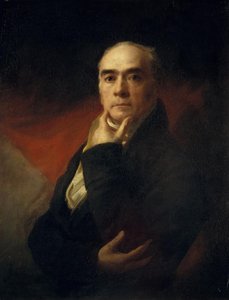
Henry Raeburn
1756 - 1823 , Reino Unido
Datos clave
- Artistas Influyentes: ['George Chalmers']
- Estilo Artístico: Retrato realista
- Fecha De Muerte: 1823
- Fecha De Nacimiento: 4 de marzo de 1756
- Lugar De Nacimiento: Stockbridge, Reino Unido
- Nacionalidad: Escocés
- Nombre Completo: Henry Raeburn
- Obras Notables:
- Los Arqueros
- Alexander Allan
- The Young Polo Player
Artículos relacionados

Henri Matisse: Las 25 Obras Maestras que Definieron un Genio del Color | ArtsDot
Descubre las 25 obras maestras de Henri Matisse, el rey del color y padre del fauvismo. Explora su arte moderno, lienzos vibrantes y la historia detrás de cada pintura icónica. Encuentra reproducciones de alta calidad en ArtsDot.com.
Henry Raeburn: A Scottish Portraitist's Mastery of Light, Character & National Identity
Explore the life & work of Henry Raeburn, a master Scottish portraitist. Discover his innovative techniques, captivating portraits of the Enlightenment era, and lasting legacy in art history. Learn more at ArtsDot.
Romantic Realism's Finest: 10 Masterpieces for Your Home | ArtsDot
Explore 10 defining masterpieces of Romantic Realism! Discover Courbet, Millet & Daumier's powerful paintings—capturing emotion and social realities. Find museum-quality reproductions for your home at ArtsDot.com.
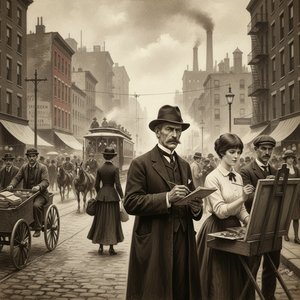
Robert Henri & the Spirit of American Realism: A Legacy of Urban Life and Artistic Independence
Explore the life & legacy of Robert Henri, a pivotal figure in American Realism. Discover his captivating portraits, influence on the Ashcan School, and enduring impact on art history. Learn more at ArtsDot.

Elevando la Estética del Espacio de Trabajo: Los 5 Estilos Artísticos Principales para Oficinas Contemporáneas
Descubre los 5 estilos artísticos que transformarán tu oficina en un espacio inspirador y productivo. Expertos en diseño de interiores y reproducciones de arte para empresas.