

 Vista previa
 Compartir
 Compartir
 Ver detalles

 Descargar
 Ver similares
 Radiografía
 Presentación de diapositivas
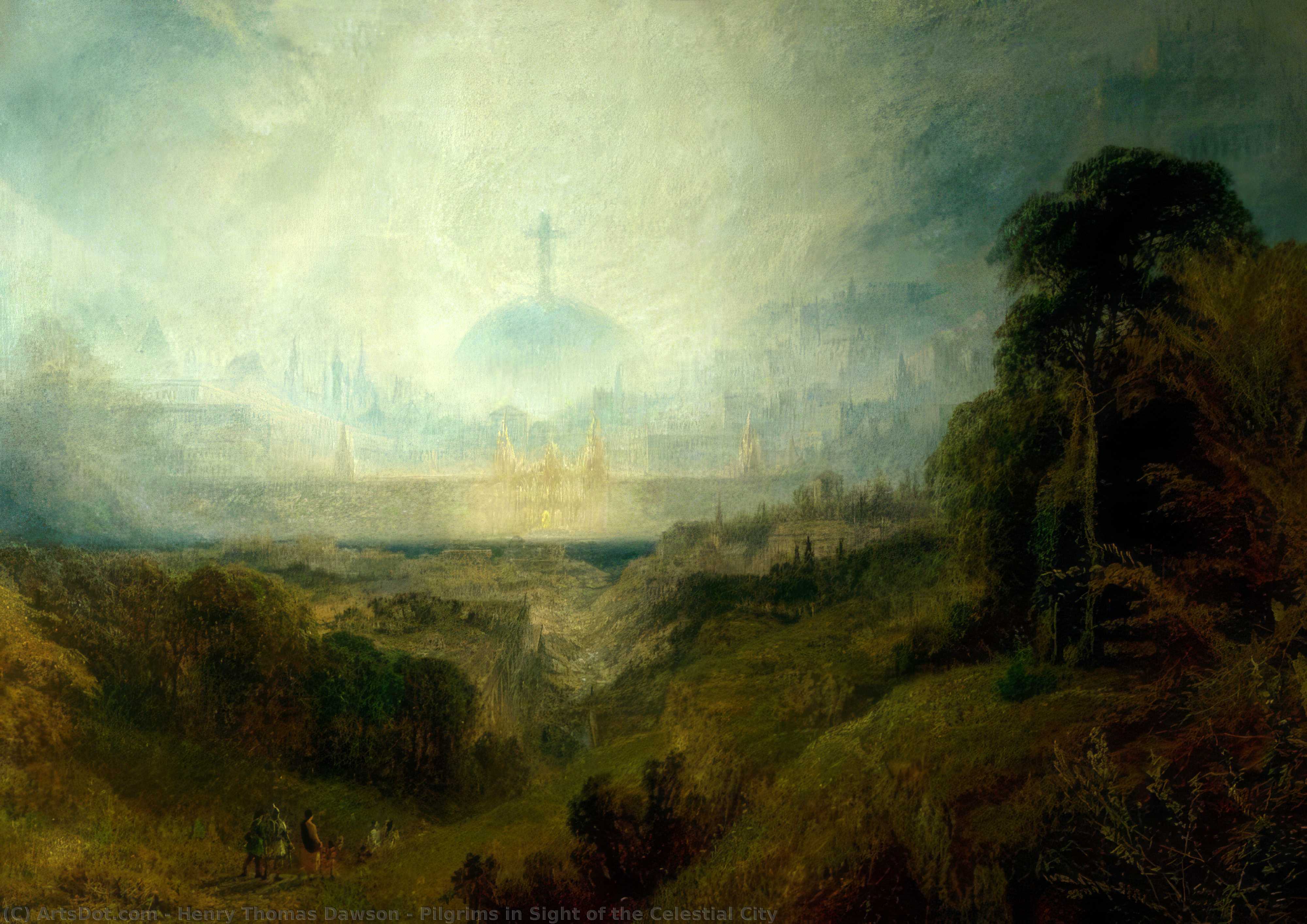
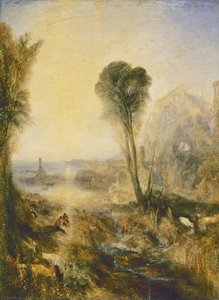
Pilgrims in Sight of the Celestial City
 Oil On Canvas
- WallArt
- Romanticism
 1854
1854- 19th Century
 76.0 x 107.0 cm
 Museo y Galería de Arte de Leicester
 Leer más
Reproducción al óleo hecha a mano
Óleo sobre lienzo pintado a mano en el tamaño y marco de su elección, realizado por encargo por nuestros artistas. ( Pedir impresión Comprar descarga)




P118B $10

P118H $10

P118W $10

P438Z $10

P508JH $12

P508YH $12

P805H $10

P805Z $10

P919BZ $10

P919G $10

P919XJ $10

P959ZH $10

P968JZ $12

W106C $8

W218G $10

W218JH $8

W218Y $10

W307PJ $10

W316G $10

W316PJ $8

W316Y $10

W398PJ $8

W4111J $10

W500HY $15

W500JH $15

W692G $12

W849H $8

W940BG $15

W953PJ $8




Elija entre nuestros tamaños predefinidos que respetan las proporciones originales de la obra.

Puede ingresar sus propias dimensiones para adaptarse a un marco o espacio específico. Si el tamaño seleccionado no coincide con las proporciones de la imagen original, recortaremos la obra o extenderemos la pintura con elementos adicionales pintados a mano. Se le enviará una maqueta digital para su aprobación antes de comenzar la producción.
Tenga en cuenta que la vista previa en pantalla no refleja el recorte o la extensión reales. Solo la maqueta mostrará con precisión la composición final.
Si bien existen tamaños personalizados, recomendamos seleccionar una dimensión de la lista predefinida para preservar las proporciones originales.
Tras realizar el pedido, el equipo de ArtsDot.com enviará un correo electrónico al cliente para solicitar instrucciones y proporcionarle una vista previa del boceto.
Envío a todo el mundo () en 3-4 semanas en lugar de las 5 semanas estándar. (21 agosto). Sin comprometer la calidad.

Envío exprés gratuito a todo el mundo

Lienzo de lino de alta calidad

Seguro de envío completo

Garantía de reembolso de aranceles aduaneros

Garantía de fidelidad cromática exacta

Política de devolución de 60 días (solo por defectos)

Garantía de devolución del 100% del dinero

Oferta por volumen
 La opción de vidrio solo está disponible en tamaños inferiores a 110 cm.

Pilgrims in Sight of the Celestial City
Técnica de reproducción
Tamaño de la reproducción
-


Precio total
$ 263
Descripción de la obra
A Vision of Eternal Hope: Exploring Dawson's Spiritual Landscape
In the vast tapestry of nineteenth-century British art, few works resonate with the profound spiritual yearning found in Henry Thomas Dawson’s Pilgrims in Sight of the Celestial City. Created in 1854, this evocative oil on canvas serves as a breathtaking visual translation of John Bunyan’s timeless allegory, The Pilgrim's Progress. As the viewer’s eye meets the canvas, they are immediately transported into a world where the physical landscape and the metaphysical journey become indistinguishable. Dawson, a master of capturing both the ruggedness of nature and the delicate nuances of human emotion, utilizes a lush, verdant setting to frame a narrative of profound perseverance. The dense forests and rolling hills do not merely serve as a backdrop; they represent the trials and tribulations of the earthly path, making the eventual sighting of the distant, luminous city all the more triumphant.
The composition is a masterclass in directed movement and perspective. Dawson expertly positions his group of pilgrims in the foreground, their forms rendered with enough detail to capture the textures of their traveling attire, which grounds the scene in a tangible reality. From this earthly vantage point, the viewer is led on an upward trajectory, following the travelers as they ascend through the landscape toward a horizon dominated by the magnificent architecture of the Celestial City. The city itself, characterized by its grand domes and soaring towers, emerges from a soft, ethereal light, appearing both distant and tantalizingly attainable. This use of atmospheric perspective creates a sense of immense depth, inviting the collector to lose themselves in the scale of this spiritual odyssey.
Symbolism and the Mastery of Light
Beyond its narrative clarity, the painting is rich with subtle symbolism that rewards deep contemplation. Among the travelers, the presence of an umbrella serves as a poignant metaphor for protection amidst life's inevitable storms, a small but significant detail that underscores the vulnerability of the human condition. The color palette is a sophisticated interplay of earth tones and celestial brilliance; the deep greens of the foliage and the rich browns of the terrain provide a heavy, grounded foundation that contrasts sharply with the luminous whites and pale blues of the heavens. This chromatic tension mirrors the central theme of the work: the struggle between the weight of mortal existence and the lightness of divine promise.
<For the discerning art lover or interior designer, this piece offers more than mere decoration; it provides a focal point of profound emotional resonance. The way the light breaks through the clouds to illuminate the destination suggests an eternal optimism that can transform the atmosphere of any room. Whether placed in a quiet study to inspire reflection or in a grand living space to serve as a conversation piece, Pilgrims in Sight of the Celestial City brings with it an aura of dignity and peace. Owning a high-quality reproduction of this masterpiece allows one to preserve Dawson's ability to blend natural beauty with profound theological depth, ensuring that the spirit of hope continues to illuminate modern interiors.
Obras relacionadas






Biografía del artista
Henry Thomas Dawson: Capturing the Essence of the British Coast and Metropolis
Henry Thomas Dawson, a name perhaps less familiar than those of his contemporaries, nevertheless represents a significant figure in 19th-century British landscape painting. Born in Hull, England, in 1842 – the son of another artist, Henry Dawson – his journey into the world of art was largely self-directed, a testament to an innate talent and unwavering dedication rather than formal training. While he received brief instruction from J.B. Pyne, a respected watercolorist, Dawson’s artistic development was primarily shaped by observation and a deep connection with the natural world, particularly the dramatic coastlines and bustling cityscapes of his homeland. His life, tragically cut short at the age of 36 in 1878, left behind a body of work that offers a unique perspective on Victorian England – a blend of realism, romanticism, and a subtle yet discernible influence from the master of light and atmosphere, J.M.W. Turner.Early Life and Artistic Beginnings
Dawson’s early years were far removed from the artistic circles he would later inhabit. He began his life working in a lace factory in Nottingham, a humble profession that nonetheless didn't extinguish his passion for art. Even amidst the demanding labor, he found time to pursue his creative interests, sketching and painting small scenes – often selling them for modest sums to local patrons. This early experience instilled in him a profound appreciation for detail and an understanding of how to capture the essence of a subject with limited resources. His family’s move to Liverpool in 1844 marked a turning point, providing him with greater exposure to artistic opportunities and a more vibrant cultural environment. It was here that he began exhibiting his work at the Liverpool Academy, gaining recognition for his increasingly skillful depictions of maritime scenes and coastal landscapes.Style and Technique: Turner’s Echoes
Dawson's style is often described as evocative and atmospheric, deeply influenced by the Romantic movement and, crucially, by J.M.W. Turner. Like Turner, Dawson possessed a remarkable ability to capture the fleeting effects of light and weather on water and sky – creating paintings that shimmer with an almost palpable sense of atmosphere. However, unlike Turner’s often dramatic and fantastical compositions, Dawson's work maintains a greater degree of realism, meticulously rendering the textures of rocks, waves, and buildings. He was particularly adept at portraying the interplay between land and sea, capturing the rugged beauty of the British coastline with impressive accuracy. His use of color is notable for its subtlety and restraint, favoring muted tones and atmospheric gradations rather than bold, vibrant hues. He frequently depicted London cityscapes, showcasing a keen eye for detail in capturing the energy and dynamism of the metropolis.Major Works and Recognition
Among Dawson’s most celebrated works are “The Wooden Walls of England,” exhibited at the British Institution in 1853, and "London from Greenwich Hill," painted in 1869. These paintings exemplify his ability to convey both the grandeur and the intimacy of the English landscape. His meticulous attention to detail – from the weathered textures of stone walls to the shimmering reflections on the water’s surface – is a hallmark of his style. Although he achieved some recognition during his lifetime, particularly through exhibitions at the Royal Academy and the Royal Society of British Artists, Dawson remained largely obscure until after his death. It was only in 1878, with the staging of a large exhibition in Nottingham, that his work began to receive the wider attention it deserved. This event revealed the depth and originality of his artistic vision, solidifying his place as a significant, albeit underappreciated, figure in British landscape painting.Legacy and Historical Significance
Henry Thomas Dawson’s legacy lies not in grand pronouncements or revolutionary innovations, but rather in his quiet dedication to capturing the beauty and character of England's coastlines and cities. His paintings offer a valuable glimpse into Victorian life – a time of rapid industrialization, social change, and a growing appreciation for the natural world. His work is held in several public collections, including those of York Museum Trust, the University of London, and the town halls of Leicester and Richmond, ensuring that his evocative landscapes continue to be appreciated by generations to come. While overshadowed by more famous contemporaries, Henry Thomas Dawson remains a testament to the power of self-taught artistry and a skilled observer of the world around him. His paintings serve as a poignant reminder of the beauty found in everyday scenes and the enduring appeal of capturing the essence of a place through art.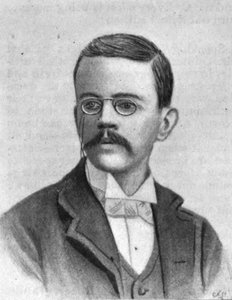
Henry Thomas Dawson
1844 - 1878 , Reino Unido
Datos clave
- Artistic Movement Or Style: Pintura de paisajes marinos
- Artists Or Movements Influenced By This Artist: ['Romanticismo']
- Artists Who Influenced This Artist: ['Turner']
- Date Of Birth: 1842
- Full Name: Henry Thomas Dawson
- Nationality: Británico
- Notable Artworks:
- El Puerto al atardecer
- Londres al amanecer
- Place Of Birth: Hull, Reino Unido
Artículos relacionados

Katsushika Hokusai: Las 25 Obras Maestras del Ukiyo-e que Transformaron el Arte Japonés | ArtsDot
Descubre las 25 obras maestras de Katsushika Hokusai, el genio del ukiyo-e. Explora 'La Gran Ola', paisajes japoneses y su impacto en el arte moderno. Reproducciones de alta calidad para tu hogar en ArtsDot.com.

The Resonance of Earth Tones: Exploring Emotional Depth & Artistic Context in Paintings
Explore the captivating world of earth tones in painting! Discover the historical context, emotional resonance, and artistic techniques behind these timeless colors. Learn how to create harmonious spaces with natural palettes.

Earthen Hues: Exploring the Psychological & Artistic Significance of Earth Tones
Explore the captivating world of earth tones! Discover their historical significance, psychological impact & artistic techniques. Find inspiration for your home decor and museum-quality reproductions at ArtsDot.

The Resonance of Earthly Tones: Exploring Nuance, History & Emotional Impact in Art
Explore the captivating world of earth tones in art! Discover historical context, emotional resonance & artistic techniques behind these timeless colors. Find inspiration for your home decor and museum-quality reproductions.

Los 10 Cuadros Más Famosos en Tonos Arena: Historia y Decoración con Arte
Descubre los 10 cuadros más emblemáticos en tonos arena, desde Monet a Van Gogh. Explora la historia del arte impresionista y encuentra inspiración para decorar con obras maestras atemporales. Reproducciones de museo en .

