

 Ver en contexto
 Enviar
 Compartir
 Detalles

 Descargar
 Similares
 Radiografía
 Presentación de diapositivas
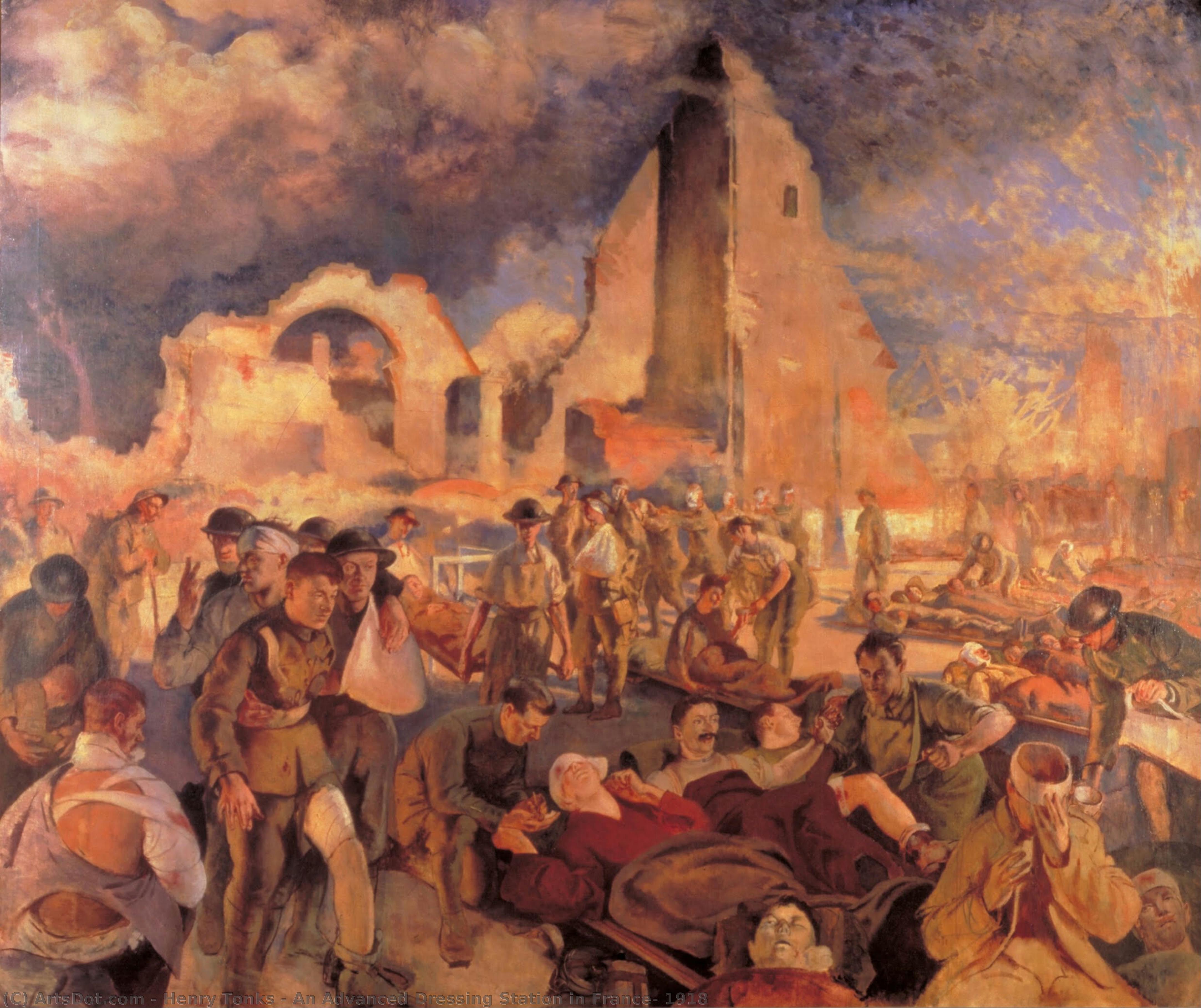
An Advanced Dressing Station in France, 1918
 Acrylic On Canvas
- WallArt
- Realism
 1918
1918 218.0 x 182.0 cm
 Museos de la Guerra Imperial
 Ver más
Reproducción al óleo hecha a mano
Óleo sobre lienzo pintado a mano en el tamaño y marco de su elección, realizado por encargo por nuestros artistas. ( Comprar impresión Comprar imagen)




P118B $10

P118H $10

P118W $10

P438Z $10

P508JH $12

P508YH $12

P805H $10

P805Z $10

P919BZ $10

P919G $10

P919XJ $10

P959ZH $10

P968JZ $12

W106C $8

W218G $10

W218JH $8

W218Y $10

W307PJ $10

W316G $10

W316PJ $8

W316Y $10

W398PJ $8

W4111J $10

W500HY $15

W500JH $15

W692G $12

W849H $8

W940BG $15

W953PJ $8




Elija entre nuestros tamaños predefinidos que respetan las proporciones originales de la obra.

Puede ingresar sus propias dimensiones para adaptarse a un marco o espacio específico. Si el tamaño seleccionado no coincide con las proporciones de la imagen original, recortaremos la obra o extenderemos la pintura con elementos adicionales pintados a mano. Se le enviará una maqueta digital para su aprobación antes de comenzar la producción.
Tenga en cuenta que la vista previa en pantalla no refleja el recorte o la extensión reales. Solo la maqueta mostrará con precisión la composición final.
Si bien existen tamaños personalizados, recomendamos seleccionar una dimensión de la lista predefinida para preservar las proporciones originales.
Tras realizar el pedido, el equipo de ArtsDot.com enviará un correo electrónico al cliente para solicitar instrucciones y proporcionarle una vista previa del boceto.
Envío a todo el mundo () en 3-4 semanas en lugar de las 5 semanas estándar. (29 agosto). Sin comprometer la calidad.

Envío exprés gratuito a todo el mundo

Lienzo de lino de alta calidad

Seguro de envío total

Garantía de reembolso de impuestos aduaneros

Garantía de fidelidad cromática exacta

Política de devolución de 60 días (solo por defectos)

Garantía de devolución del 100% del dinero

Descuento por cantidad
 La opción de vidrio solo está disponible en tamaños inferiores a 110 cm.

An Advanced Dressing Station in France, 1918
Técnica de reproducción
Dimensiones de la reproducción
-


Precio total final
$ 263
A Chronicle of Wounds and Hope: Henry Tonks’s “An Advanced Dressing Station in France, 1918”
Henry Tonks's "An Advanced Dressing Station in France, 1918" is more than a mere depiction of wartime medicine; it’s a poignant testament to the brutal realities of the First World War and a surprisingly hopeful meditation on human resilience. Commissioned during the height of the conflict for the British War Memorials Committee, this monumental oil painting captures a scene within an advanced field hospital nestled amidst the ravaged landscape of France in 1918. Tonks, a man whose life seamlessly intertwined surgery, art, and military service – he was a surgeon, a draughtsman, and a respected teacher at the Slade School of Art – brought his unique perspective to bear on this challenging subject, resulting in an artwork that is both deeply unsettling and profoundly moving.
Tonks’s background as a medical professional undeniably informs the painting's meticulous detail. He wasn’t simply sketching soldiers; he was rendering the complex processes of treatment with startling accuracy. The scene unfolds within a tent-like structure, its interior crammed with wounded men – some lying prone, others seated or leaning against supports, their faces etched with pain and exhaustion. The artist doesn't shy away from portraying the gruesome realities of war: exposed wounds, bandages meticulously applied, and the palpable sense of suffering are all rendered with unflinching honesty. Yet, amidst this chaos, Tonks masterfully avoids sentimentality, presenting a scene of pragmatic care rather than outright despair.
The Language of Medicine and Observation
Tonks’s artistic style leans heavily towards realism, but it's infused with a subtle impressionistic quality. He employs loose brushstrokes and a muted color palette – predominantly browns, greys, and ochres – to evoke the grim atmosphere of the battlefield. The lighting is diffused, casting long shadows that emphasize the figures’ vulnerability. Crucially, Tonks wasn’t interested in heroic glorification; instead, he focused on detailed observation, meticulously documenting the various injuries and treatments observed within the field hospital. This approach reflects his medical training – a keen eye for detail and an understanding of anatomy are evident throughout the composition.
The arrangement of figures is carefully considered. Tonks groups them in ways that suggest both order and chaos. The orderly rows of wounded men contrast with the disarray of the surroundings, creating a visual tension that mirrors the psychological state of those caught within the war’s grip. Notice how he uses spatial relationships to draw the viewer's eye through the scene – from the immediate foreground, filled with the most visible casualties, to the distant background, where the ravaged landscape stretches into the horizon.
Symbolism and Emotional Resonance
Beyond its documentary value, “An Advanced Dressing Station in France, 1918” is rich in symbolic meaning. The presence of medical personnel – surgeons, nurses, and orderlies – represents a fragile hope amidst the devastation. Their efforts to alleviate suffering speak to humanity’s enduring capacity for compassion and care. The inclusion of various types of dressings and instruments subtly underscores the complexity of medical practice during wartime.
Despite the somber subject matter, there's an underlying current of resilience within the painting. The figures are not passively awaiting death; they are actively engaged in their own survival – receiving treatment, offering comfort to one another, and maintaining a semblance of order amidst the chaos. Tonks’s choice to depict these moments of quiet dignity suggests that even in the darkest hours of war, humanity can find strength and solace in connection and care.
A Legacy Preserved
Following the First World War, the original painting was transferred to the Imperial War Museum, where it continues to resonate with viewers today. Reproductions offer a powerful window into this pivotal moment in history, reminding us of the immense human cost of conflict and the enduring importance of medical care. Tonks’s “An Advanced Dressing Station in France, 1918” stands as a testament not only to his artistic skill but also to his profound understanding of the human condition – a poignant reminder of both suffering and hope within the crucible of war.
Obras relacionadas
Biografía del artista
Henry Tonks: Una Vida Entre la Cirugía, el Arte y la Influencia
- Nacido: Solihull, Reino Unido (1862)
- Fallecido: 1937
Henry Tonks (1862-1937) fue una figura notable que fusionó a la perfección los mundos de la cirugía y el arte. Inicialmente formado como cirujano, más tarde se dedicó al dibujo, la pintura, el caricaturismo y, lo más importante, a la enseñanza del arte. Su influencia en el arte británico durante finales del siglo XIX y principios del XX es innegable, moldeando a generaciones de artistas a través de su rigurosa enseñanza en la Slade School of Fine Art.
Primeros Años y Carrera Médica
Nacido en Solihull, Warwickshire, Tonks provenía de una familia involucrada en la propiedad de una fundición de bronce en Birmingham. Su educación comenzó en Bloxham School seguida por Clifton College en Bristol. Estudió medicina en el Royal Sussex County Hospital en Brighton (1882–85) y en el London Hospital en Whitechapel (1885–88). Se convirtió en cirujano residente en el London Hospital bajo Sir Frederick Treves, y fue elegido como Fellow del Royal College of Surgeons en 1888. Su carrera médica continuó en el Royal Free Hospital en Londres, donde también enseñaba anatomía en la London Hospital Medical School desde 1892.
Desarrollo Artístico e Influencias
Mientras estudiaba medicina, Tonks comenzó a estudiar arte por las tardes en Westminster School of Art bajo Frederick Brown. Esto marcó un punto de inflexión en su vida, llevándolo a explorar más seriamente sus talentos artísticos. Expuso pinturas con el New English Art Club desde 1891 y se convirtió en miembro en 1895. Tonks estuvo notablemente influenciado por el Impresionismo francés, evidente en su uso de la luz y el color. Se relacionó con artistas destacados como James McNeill Whistler, Walter Sickert, John Singer Sargent y George Clausen, absorbiendo sus técnicas y perspectivas.
Enseñanza en la Slade School y Legado
La contribución más significativa de Tonks al mundo del arte fue su papel como educador. Tras el nombramiento de Frederick Brown como Profesor Slade de Bellas Artes en 1892, Tonks comenzó a enseñar en la Slade School of Fine Art. Eventualmente sucedió a Brown como Profesor Slade de 1918 a 1930, un puesto que inicialmente rechazó en favor de Walter Sickert. Se le conoció como "el profesor más renombrado y formidable de su generación". Sus alumnos incluyeron una impresionante lista de artistas influyentes como Winifred Knights, David Bomberg, William Lionel Claus, Mukul Dey, Ian Fairweather, Mark Gertler, Harold Gilman, Spencer Gore, Edna Clarke Hall, Augustus John, Gwen John, Percy Wyndham Lewis, Hyam Myer, William Orpen, Isaac Rosenberg, Stanley Spencer y Rex Whistler. Su exigente estilo de enseñanza, aunque a veces controvertido, fomentó un alto nivel de habilidad artística y pensamiento crítico entre sus alumnos.
Artista de Guerra y Años Posteriores
Durante la Primera Guerra Mundial, Tonks regresó a la medicina, sirviendo en un campamento de prisioneros de guerra en Dorchester y más tarde en Hill Hall en Essex. Documentó las experiencias de la guerra a través de dibujos a pastel, incluyendo retratos de Auguste Rodin y su esposa que eran refugiados. Sirvió como ordenanza médica cerca del Marne en Francia y se unió a una unidad de ambulancias en Italia. En 1916, se convirtió en teniente en el Royal Army Medical Corps, produciendo registros vitales de casos de lesiones faciales en el Cambridge Military Hospital y Queen's Hospital – trabajo reconocido en exposiciones como "Faces of Battle" en el National Army Museum y “Henry Tonks: Art and Surgery” en la Strang Print Room. Sirvió como artista oficial de guerra en 1918, acompañando a John Singer Sargent en visitas a la Frente Occidental, presenciando escenas que inspiraron el monumental lienzo de Sargent, *Gassed*. En sus años posteriores, se le ofreció un título de caballero pero lo rechazó, retirándose en 1930 y falleciendo en Chelsea en 1937. Una exposición retrospectiva de su obra en la Tate Gallery en 1936 lo marcó como uno de los pocos artistas británicos vivos en recibir tal honor.
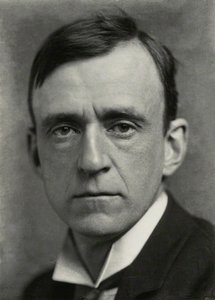
Henry Tonks
1862 - 1937 , Reino Unido
Datos clave
- Artistas Influenciados:
- David Bomberg
- Winifred Knights
- Spencer Gore
- Artistas Que Influyeron:
- James McNeill Whistler
- Walter Sickert
- John Singer Sargent
- George Clausen
- Fecha De Fallecimiento: 8 de enero de 1937
- Fecha De Nacimiento: 9 de abril de 1862
- Lugar De Nacimiento: Solihull, Reino Unido
- Movimiento Artístico: Impresionismo, Caricaturista
- Nacionalidad: Británico
- Nombre Completo: Henry Tonks
- Obras Notables:
- The Hat Shop (1892)
- Autorretrato (1909)
- Saline Infusion (1915)
- An Advanced Dressing Station (1918)
Artículos relacionados
William Owen: A Poetic Vision of War & Landscape in British Modernism
Explore the poignant war poetry of Wilfred Owen, a key figure in British Modernism. Discover his innovative style, themes of loss & camaraderie, and lasting impact on 20th-century literature. Analysis & historical context included.
C.R.W. Nevinson: A Vorticist Vision of War & Modernity
Explore the powerful art of C.R.W. Nevinson, a key British Vorticist painter. Discover his impactful depictions of WWI and evolution beyond Futurism. Expert analysis & high-quality reproductions at ArtsDot.
Anthony Vandyke Copley Fielding: Rediscovering a Master of Romantic Landscape
Discover the captivating landscapes of Anthony Vandyke Copley Fielding, a master of Romantic watercolour painting. Explore his life, technique, and legacy with ArtsDot – your source for museum-quality art reproductions & expert appraisal.
Henry Lamb: Reassessing Modern British Primitivism & the Poetics of Discomfort
Explore the compelling work of Henry Lamb, a key figure in British Primitivism. Discover his unsettling portraits, poignant war art & unique artistic vision. A deep dive into his life and legacy.
Sir George Clausen: Capturing Edwardian Life & British Impressionism's Nuances
Explore the luminous world of Sir George Clausen, a leading British Impressionist painter. Discover his captivating scenes of Edwardian life, rural England & poignant war art. Learn about his legacy and find high-quality reproductions at ArtsDot.

