

 Ver en contexto
 Enviar
 Compartir
 Detalles

 Descargar
 Similares
 Radiografía
 Presentación de diapositivas
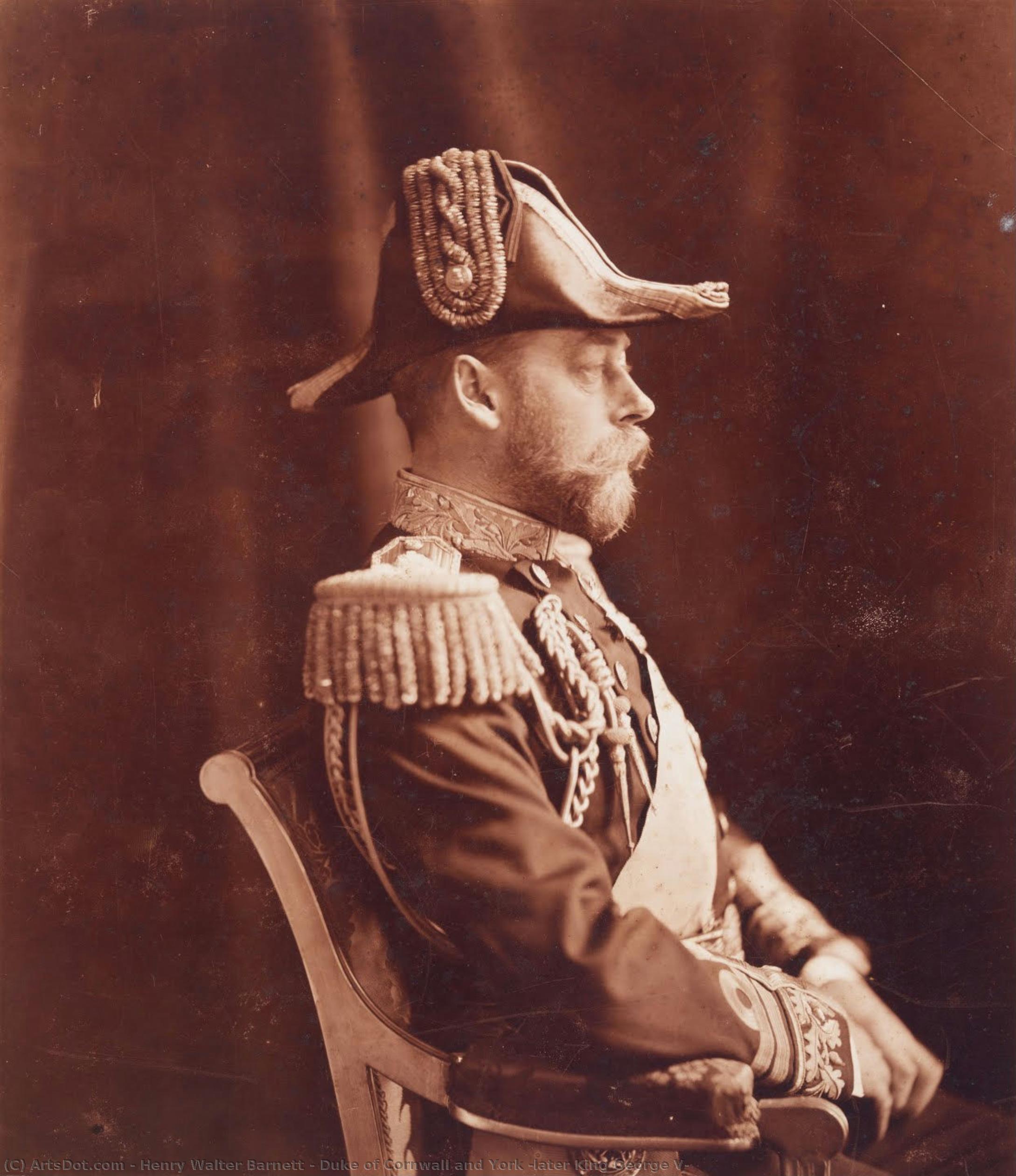
Duke of Cornwall and York (later King George V)
 1903
1903 31.0 x 27.0 cm
 Galería Nacional de Retratos
 Ver más
Reproducción al óleo hecha a mano
Óleo sobre lienzo pintado a mano en el tamaño y marco de su elección, realizado por encargo por nuestros artistas. ( Comprar impresión Comprar imagen)




































Elija entre nuestros tamaños predefinidos que respetan las proporciones originales de la obra.

Puede ingresar sus propias dimensiones para adaptarse a un marco o espacio específico. Si el tamaño seleccionado no coincide con las proporciones de la imagen original, recortaremos la obra o extenderemos la pintura con elementos adicionales pintados a mano. Se le enviará una maqueta digital para su aprobación antes de comenzar la producción.
Tenga en cuenta que la vista previa en pantalla no refleja el recorte o la extensión reales. Solo la maqueta mostrará con precisión la composición final.
Si bien existen tamaños personalizados, recomendamos seleccionar una dimensión de la lista predefinida para preservar las proporciones originales.
Tras realizar el pedido, el equipo de ArtsDot.com enviará un correo electrónico al cliente para solicitar instrucciones y proporcionarle una vista previa del boceto.
Envío a todo el mundo () en 3-4 semanas en lugar de las 5 semanas estándar. (27 agosto). Sin comprometer la calidad.

Envío exprés gratuito a todo el mundo

Lienzo de lino de alta calidad

Seguro de envío total

Garantía de reembolso de impuestos aduaneros

Garantía de fidelidad cromática exacta

Política de devolución de 60 días (solo por defectos)

Garantía de devolución del 100% del dinero

Descuento por cantidad
 La opción de vidrio solo está disponible en tamaños inferiores a 110 cm.

Duke of Cornwall and York (later King George V)
Técnica de reproducción
Dimensiones de la reproducción
-


Precio total final
$ 263
Obras relacionadas









Biografía del artista
Early Life and Artistic Beginnings
Henry Walter Barnett, a pivotal figure in the history of Australian photography and early cinema, was born on January 25th, 1862, in St Kilda, Melbourne, Australia – a vibrant coastal suburb steeped in artistic tradition. His parents, Lewis Barnett, a merchant, and Alice Jacobs, were both London-born Jews, imbuing him with a heritage that would subtly influence his cosmopolitan outlook. Barnett’s early life was marked by a departure from formal education at the age of thirteen; he embarked on his photographic journey as an assistant within Melbourne's established Stewart & Co studio, gaining invaluable experience and honing his craft under the tutelage of Tom Roberts, a renowned painter whose influence would be felt throughout Barnett’s career. This formative period instilled in him a deep appreciation for visual storytelling and meticulous technique – qualities that would become hallmarks of his distinctive style.Rise to Prominence: Falk Studios and Celebrity Portraits
In 1885, Barnett established his own studio, the Falk Studios, in Sydney's bustling Royal Arcade. This marked a significant turning point, transforming him from an assistant into a respected independent artist. The Falk Studios quickly gained renown for its exceptional portraiture, particularly its ability to capture the essence and charisma of its subjects. Barnett’s skill extended beyond mere likeness; he possessed a remarkable talent for revealing character, imbuing his portraits with depth and emotion. He became celebrated for photographing prominent figures – stage stars like Sarah Bernhardt (who visited Australia in 1891), Robert Louis Stevenson (a frequent visitor to Sydney), and Mark Twain (during his world lecture tour in 1896) – elevating the status of portraiture within Australian society. His meticulous approach, combined with a keen eye for detail, ensured that each image was not just a representation but a carefully constructed narrative.A Pioneer in Early Cinema
Barnett’s artistic vision extended beyond still photography; he embraced the burgeoning field of cinema, recognizing its potential as a new form of storytelling. In 1896, he forged a groundbreaking partnership with French cinematographer Marius Sestier, who had recently arrived in Australia from Marseille. Together, they embarked on an ambitious project – documenting the Melbourne Cup horse race – resulting in one of Australia’s earliest film productions. This pioneering work demonstrated Barnett's adaptability and willingness to embrace new technologies, solidifying his place as a visionary innovator within both photography and cinema. Their collaboration produced approximately 19 films, capturing key moments from the 1896 Melbourne Cup carnival and other significant events.Later Years and Legacy
In 1920, Barnett made the strategic decision to sell his London studios and relocate to Dieppe, France, a region renowned for its artistic community. Despite this move, he remained deeply engaged with contemporary French art, cultivating relationships with prominent artists and continuing to refine his photographic skills. He died on January 16th, 1934, in Nice, at the age of 71, leaving behind a remarkable legacy as one of Australia’s most influential photographers and a pioneer in early Australian filmmaking. His work continues to be studied and admired for its technical brilliance, artistic sensitivity, and enduring ability to capture the spirit of his time.- View Barnett's photography at ArtsDot.com
- Explore more on Australian filmmaking and its pioneers at Wikipedia
- Discover other notable photographers and their works at the art media photography
- Henry Parkes (photograph)
- Melbourne Cup Carnival (1896)
- Warriors All (exhibition, 1917)
- Marius Sestier (collaborator and cinematographer)
- Sarah Bernhardt (subject of photography)
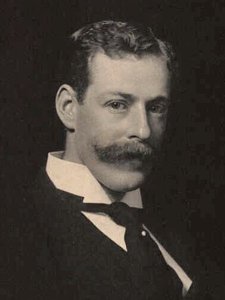
Henry Walter Barnett
1862 - 1934 , Australia
Datos clave
- Artistic Movement Or Style: Retrato, Cine temprano
- Artists Or Movements Influenced By This Artist: ['Marius Sestier']
- Artists Who Influenced This Artist: ['Stewart & Co']
- Date Of Birth: 25 Jan 1862
- Date Of Death: 16 Jan 1934
- Full Name: Henry Walter Barnett
- Nationality: Australiano
- Notable Artworks:
- Henry Parkes
- Carrera del Melbourne Cup (1896)
- Place Of Birth: St Kilda, Australia

