

 Vista previa
 Compartir
 Compartir
 Ver detalles

 Descargar
 Ver similares
 Radiografía
 Presentación de diapositivas
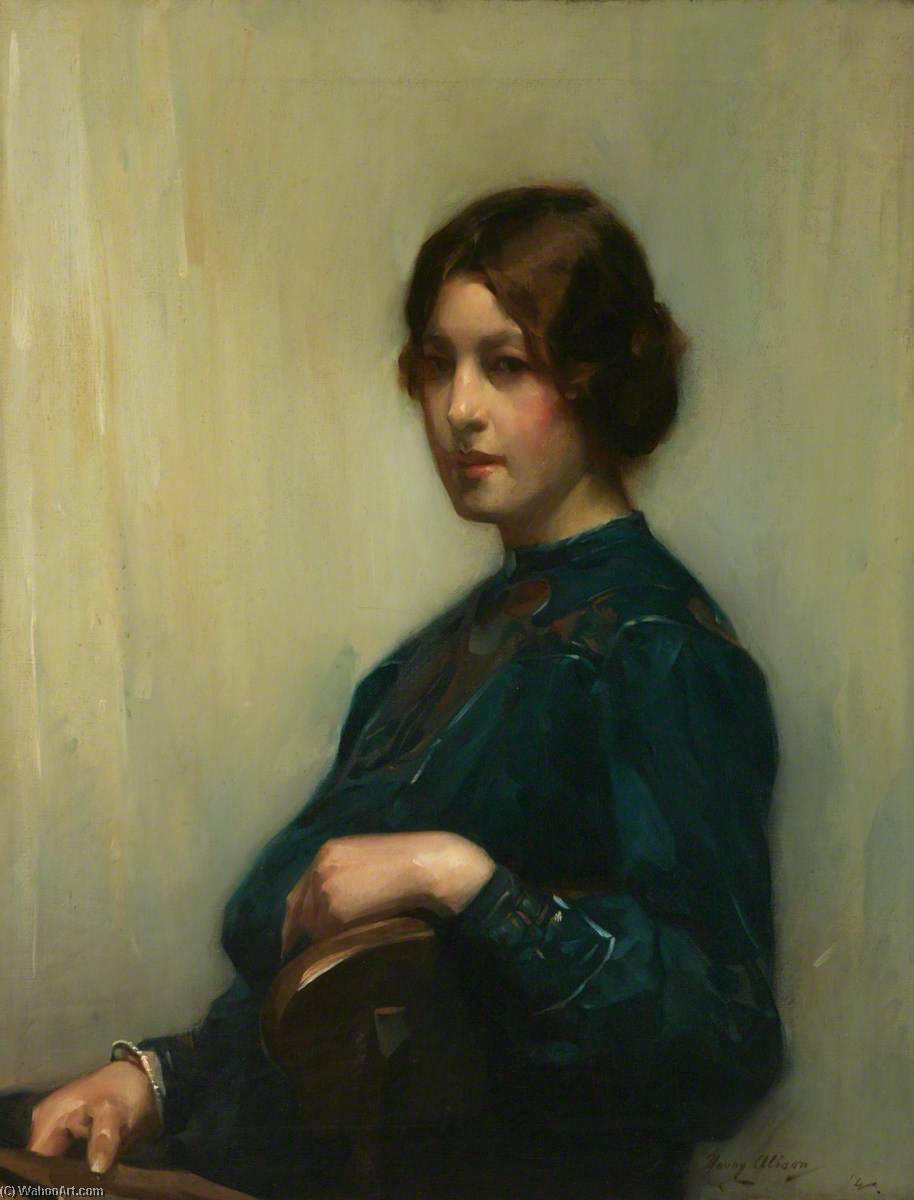
Elspeth Galloway (1890–1980)
 1914
1914 91.0 x 71.0 cm
 Leer más
Giclée / Impresión de arte
Impresiones giclée o en lienzo de calidad de museo con producción rápida y opciones de acabado flexibles. ( Encargar reproducción pintada a mano Comprar descarga)




































Elija entre nuestros tamaños predefinidos que respetan las proporciones originales de la obra.

Puede introducir sus propias dimensiones para adaptarse a un marco o espacio específico. Si el tamaño seleccionado no coincide con las proporciones de la imagen original, recortaremos la obra de arte o extenderemos la imagen con un borde con efecto espejo o de color sólido. Se enviará una maqueta digital para su aprobación antes de que comience la producción.
Tenga en cuenta que la vista previa en pantalla no refleja el recorte o la extensión real. Solo la maqueta mostrará con precisión la composición final.
Aunque existen tamaños personalizados, recomendamos seleccionar una dimensión de la lista predefinida para preservar las proporciones originales.
Envío a todo el mundo () en 2 semanas en lugar de las 4/5 semanas estándar. (21 agosto)

Envío exprés gratuito a todo el mundo

Lienzo de lino de alta calidad

Seguro de envío completo

Garantía de reembolso de aranceles aduaneros

Garantía de fidelidad cromática exacta

Política de devolución de 60 días (solo por defectos)

Garantía de devolución del 100% del dinero

Oferta por volumen
 La opción de vidrio solo está disponible en tamaños inferiores a 110 cm.

Elspeth Galloway (1890–1980)
Giclée / Impresión de arte
Tamaño de la reproducción
-


Precio total
$ 62
Obras relacionadas










Biografía del artista
Henry Young Alison (1889–1972): A Highland Visionary
Henry Young Alison was born in Hitchin, Hertfordshire, England, on October 7th, 1889, into a family steeped in musical tradition. His father, William Alison, was a renowned violinist and music teacher, fostering an early passion for instrumental performance that would profoundly shape Alison’s artistic trajectory. From a young age, he demonstrated exceptional talent, mastering the trumpet with remarkable speed and precision – skills that would later become central to his distinctive style as a painter. Alison pursued formal art education at Slade School of Fine Art in London from 1908 to 1912, immersing himself in Impressionist techniques championed by artists like Claude Monet and Pierre Renoir. This formative period instilled within him an appreciation for capturing fleeting moments of light and color, influencing his approach to landscape painting and establishing a core aesthetic principle. He continued his studies at the Royal College of Art from 1912 to 1914, honing his skills in draughtsmanship and exploring tonal variations – elements that would contribute to the depth and atmosphere characteristic of his compositions. Alison’s artistic output primarily focused on Scottish landscapes and portraits, particularly those depicting Highland scenes and families. He possessed an uncanny ability to convey the rugged beauty of Scotland's mountainous terrain and the warmth of familial bonds with remarkable sensitivity. His canvases pulsated with vibrant hues—deep greens, blues, and browns—reflecting the dramatic interplay of light and shadow that defines the Highlands. Alison meticulously observed nature’s subtleties, striving to capture not merely what he saw but also how it felt – a testament to his profound connection with the environment and his artistic empathy. Alison's technique involved layering thin glazes of oil paint onto toned canvases, creating luminous surfaces that seemed to shimmer with reflected light. He skillfully utilized impasto—thickly applied paint—to sculpt textural nuances into his landscapes, emphasizing the rugged contours of mountainsides and heather moorlands. Furthermore, Alison’s portraits were distinguished by their psychological depth; he captured not just physical likeness but also subtle expressions of emotion, conveying a sense of intimacy and understanding that resonated with viewers. His masterful handling of light and color—combined with meticulous attention to detail—established him as one of the foremost Scottish landscape painters of his era. Alison’s legacy extends beyond his individual artworks; he served as an influential teacher at Glasgow School of Art from 1920 until his retirement in 1968, nurturing generations of aspiring artists and disseminating his artistic vision. He championed a humanist aesthetic rooted in observation and empathy—values that continue to inspire contemporary painters today. Henry Young Alison died peacefully in Edinburgh on December 3rd, 1972, leaving behind a rich body of work that embodies the spirit of Victorian Impressionism and celebrates the enduring beauty of Scotland’s Highland heritage. His paintings remain treasured examples of British art history, offering glimpses into a bygone era and reminding us of the transformative power of artistic contemplation.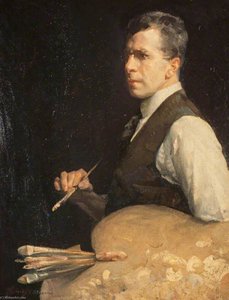
henry young alison
1889 - 1972
Datos clave
- Artistic Movement Or Style: Impressionism
- Artists Or Movements Influenced By This Artist: ['British Impressionism']
- Artists Who Influenced This Artist: ['Claude Monet']
- Date Of Birth: 1889
- Date Of Death: 1972
- Full Name: Henry Young Alison
- Nationality: British
- Notable Artworks: ['Seascape with Breaking Waves']
- Place Of Birth: Scottish Highlands

