

 Ver en contexto
 Enviar
 Compartir
 Detalles

 Descargar
 Similares
 Radiografía
 Presentación de diapositivas
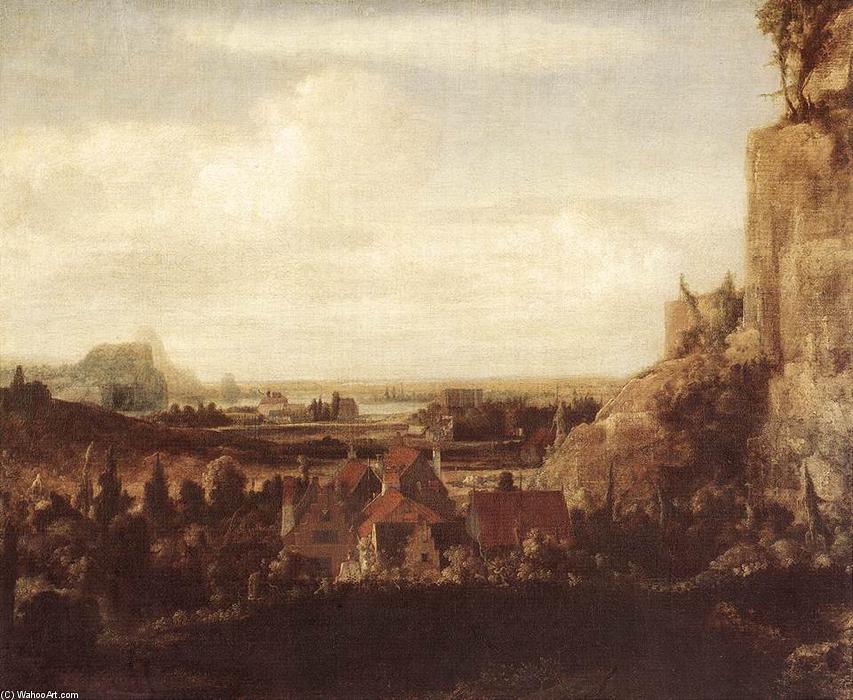
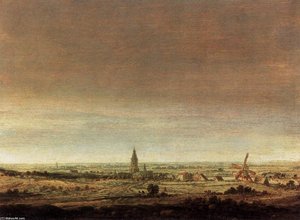
A River Valley with a Group of Houses
 Acrylic On Canvas
- WallArt
- Dutch Baroque
 1625
1625 70.0 x 86.0 cm
 Museo Boijmans Van Beuningen
 Ver más
Reproducción al óleo hecha a mano
Óleo sobre lienzo pintado a mano en el tamaño y marco de su elección, realizado por encargo por nuestros artistas. ( Comprar impresión Comprar imagen)




P118B $10

P118H $10

P118W $10

P438Z $10

P508JH $12

P508YH $12

P805H $10

P805Z $10

P919BZ $10

P919G $10

P919XJ $10

P959ZH $10

P968JZ $12

W106C $8

W218G $10

W218JH $8

W218Y $10

W307PJ $10

W316G $10

W316PJ $8

W316Y $10

W398PJ $8

W4111J $10

W500HY $15

W500JH $15

W692G $12

W849H $8

W940BG $15

W953PJ $8




Elija entre nuestros tamaños predefinidos que respetan las proporciones originales de la obra.

Puede ingresar sus propias dimensiones para adaptarse a un marco o espacio específico. Si el tamaño seleccionado no coincide con las proporciones de la imagen original, recortaremos la obra o extenderemos la pintura con elementos adicionales pintados a mano. Se le enviará una maqueta digital para su aprobación antes de comenzar la producción.
Tenga en cuenta que la vista previa en pantalla no refleja el recorte o la extensión reales. Solo la maqueta mostrará con precisión la composición final.
Si bien existen tamaños personalizados, recomendamos seleccionar una dimensión de la lista predefinida para preservar las proporciones originales.
Tras realizar el pedido, el equipo de ArtsDot.com enviará un correo electrónico al cliente para solicitar instrucciones y proporcionarle una vista previa del boceto.
Envío a todo el mundo () en 3-4 semanas en lugar de las 5 semanas estándar. (22 agosto). Sin comprometer la calidad.

Envío exprés gratuito a todo el mundo

Lienzo de lino de alta calidad

Seguro de envío total

Garantía de reembolso de impuestos aduaneros

Garantía de fidelidad cromática exacta

Política de devolución de 60 días (solo por defectos)

Garantía de devolución del 100% del dinero

Descuento por cantidad
 La opción de vidrio solo está disponible en tamaños inferiores a 110 cm.

A River Valley with a Group of Houses
Técnica de reproducción
Dimensiones de la reproducción
-


Precio total final
$ 263
Descripción de la obra
Hercules Seghers’ “A River Valley with a Group of Houses”: A Vision of Flemish Landscape Painting
The painting "A River Valley with a Group of Houses," attributed to Hercules Seghers, stands as a testament to the burgeoning landscape genre in 17th-century Flanders. Executed around 1625, this artwork transcends mere topographical representation; it embodies a profound engagement with humanist ideals and an ambitious exploration of printmaking innovation that cemented Seghers’ place among the foremost artists of his time.A Bold Departure from Tradition
Prior to Seghers' arrival on the artistic scene, landscape painting largely adhered to conventions dictated by religious iconography – serene depictions of biblical landscapes designed to inspire contemplation. However, Seghers deliberately challenged these established norms, prioritizing earthly grandeur and embracing a panoramic perspective that prioritized horizontal expanse over celestial dominance. This stylistic choice reflects the humanist fascination with observing and documenting the natural world as a source of beauty and moral instruction—a trend gaining momentum across Europe during the Baroque period. Unlike many contemporaries who focused on detailed depictions of architectural interiors or portraits, Seghers sought to capture the immensity of nature itself, conveying its power and majesty.Technique: Mastering Etching – A Revolutionary Approach
Seghers’ genius lay not only in his compositional vision but also in his masterful manipulation of etching techniques. He pushed the boundaries of printmaking innovation, utilizing a complex process involving multiple plates etched with intricate lines to achieve astonishing tonal gradations and textural effects. This method allowed him to reproduce landscapes with unprecedented realism—capturing subtle nuances of light and shadow that would have been impossible to achieve through oil paint alone. The etching process itself was considered revolutionary at the time, representing a significant advancement over traditional engraving and establishing Seghers as a pioneer in printmaking artistry. His prints were celebrated for their clarity and beauty, influencing generations of artists who followed.Symbolism: Earthly Harmony and Human Presence
Beyond its technical prowess, “A River Valley with a Group of Houses” resonates with symbolic significance. The expansive valley landscape symbolizes the fertile earth—a cornerstone of humanist thought—representing abundance, growth, and renewal. The placement of dwellings along the riverbank signifies human habitation within this natural realm, suggesting an ideal balance between civilization and wilderness. Furthermore, the depiction of numerous figures scattered throughout the scene underscores the importance of human experience in appreciating and interpreting the beauty of nature. Seghers’ intention was to portray not simply a picturesque vista but also a reflection on humanity's relationship with its environment—a theme that continues to resonate powerfully today.Emotional Impact: Tranquility Amidst Majesty
The painting evokes a palpable sense of tranquility despite its monumental scale. The muted palette—dominated by earthy tones—contributes to this serene atmosphere, inviting the viewer into a contemplative space. Yet, simultaneously, the grandeur of the mountains and the dynamism of the river convey an impression of awe and wonder. Seghers’ ability to capture both serenity and majesty speaks to his profound understanding of human psychology and his conviction that art could inspire spiritual contemplation. It remains a captivating piece for interior designers seeking to infuse their spaces with natural beauty and artistic sophistication, reminding us of the enduring power of landscape painting to elevate the spirit.Obras relacionadas


Biografía del artista
Hercules Seghers: Una Vida en el Paisaje y el Grabado
- Nacido: Haarlem, Países Bajos (c. 1590)
- Fallecido: c. 1638
Primeros Años y Formación
- Hercules Pieterszoon Seghers nació en Haarlem, hijo de un comerciante menonita de telas originario de Flandes.
- En 1596, su familia se mudó a Ámsterdam.
- Fue aprendiz de Gillis van Coninxloo, un destacado paisajista flamenco, pero este aprendizaje fue interrumpido por la muerte de Coninxloo en 1606. Seghers y su padre adquirieron varias obras de Coninxloo después del fallecimiento del artista.
- Tras la muerte de su padre en 1612, regresó a Haarlem y se unió al Gremio de San Lucas de Haarlem.
Desarrollo Artístico y Estilo
- Seghers es reconocido como "el paisajista más inspirado, experimental y original" de su período, particularmente destacado por sus innovadoras técnicas de grabado.
- Sus pinturas a menudo presentan composiciones montañosas fantásticas con una amplia vista horizontal, enfatizando la tierra sobre el cielo.
- Experimentó extensamente con el grabado, utilizando punteado seco, aguafuerte (incluyendo la técnica de "mordida de azúcar") y otros métodos para crear efectos texturales únicos.
- Los grabados de Seghers se caracterizan por su uso de papel o tela de colores, tintas de colores y coloreado a mano, lo que a menudo resulta en miniaturas pictóricas.
- Su estilo muestra influencia de artistas anteriores como Joos de Momper y Gillis van Coninxloo.
Logros e Innovaciones Principales
- Innovación en el Grabado: La contribución más significativa de Seghers radica en sus técnicas experimentales de grabado, particularmente el aguafuerte de mordida de azúcar. Esta técnica fue redescubierta más tarde en Inglaterra.
- Paisajes Únicos: Sus paisajes se caracterizan por su austeridad, originalidad y a menudo cualidad ultraterrena. Representaba formaciones rocosas que parecían terreno alienígena.
- Influencia en Rembrandt: Rembrandt coleccionó obras de Seghers y reutilizó elementos de sus pinturas y grabados en sus propias composiciones, demostrando el impacto significativo del estilo de Seghers.
- Diversas Impresiones: A diferencia de muchos grabadores de su época, Seghers produjo múltiples impresiones de cada plancha, variando sus esquemas de color y agregando coloreado a mano para crear obras de arte únicas.
Significado Histórico
- La obra de Seghers fue muy valorada durante su vida, aunque enfrentó dificultades financieras más adelante en la vida.
- El *Inleyding tot de hooge schoole der schilderkonst* de Samuel van Hoogstraten romantizó a Seghers como un genio incomprendido avant la lettre, contribuyendo a su reputación póstuma.
- Se le considera un pionero del grabado de paisajes y una figura importante en el Siglo de Oro holandés, conocido por sus técnicas experimentales y visión artística única.
- Su influencia puede verse en artistas posteriores que adoptaron sus métodos de impresión innovadores y apreciaron su estilo distintivo.
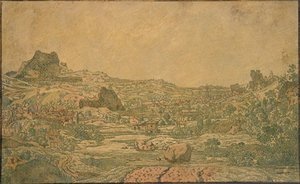
Hércules Seghers
1590 - 1638 , Países Bajos
Datos clave
- Artistas Influyentes:
- Gillis van Coninxloo
- Joos de Momper
- Fecha De Muerte: c. 1638
- Fecha De Nacimiento: c. 1590
- Influenciado Por: ['Rembrandt']
- Lugar De Nacimiento: Haarlem, Países Bajos
- Movimiento Artístico: Edad de Oro Holandesa
- Nacionalidad: Holandés
- Nombre Completo: Hercules Pieterszoon Seghers
- Obras Notables:
- Paisaje montañoso
- Valle montañoso
Artículos relacionados

Paisajes Románticos: 10 Obras Maestras que Definieron un Movimiento Artístico
Descubre los 10 paisajes románticos más influyentes de artistas como Caspar David Friedrich y Turner. Explora la belleza, el simbolismo y las técnicas del movimiento romántico. Reproducciones de arte exclusivas en ArtsDot.com.

John Constable: Las 25 Obras Maestras del Paisaje Inglés | ArtsDot
Descubre las 25 obras maestras de John Constable, el pintor romántico inglés que capturó la belleza del paisaje. Explora su técnica, historia y significado en ArtsDot.com. Reproducciones de arte de alta calidad para tu hogar.

Evocations of Place: A Historical Journey Through Landscape Art
Explore the rich history of landscape art with ArtsDot. Discover renowned artists, movements like Impressionism & Romanticism, and expert guidance for collecting timeless pieces. Find your perfect serene escape today!

Evocations of Place: A Historical Journey Through Landscape Art
Explore the rich history of landscape art with ArtsDot. Discover renowned artists, movements like Impressionism & tonalism, and expert guidance for collecting timeless pieces. Find your perfect serene escape today!
Evoking Nature's Sublime: A Comprehensive Exploration of 19th-Century Landscape Painting
Explore the captivating world of 19th-century landscape painting! Discover renowned artists like Friedrich & Monet, key movements, and find the perfect artwork to bring nature's serenity into your home. Expert insights at ArtsDot.

