

 Vista previa
 Compartir
 Compartir
 Ver detalles

 Descargar
 Ver similares
 Radiografía
 Presentación de diapositivas
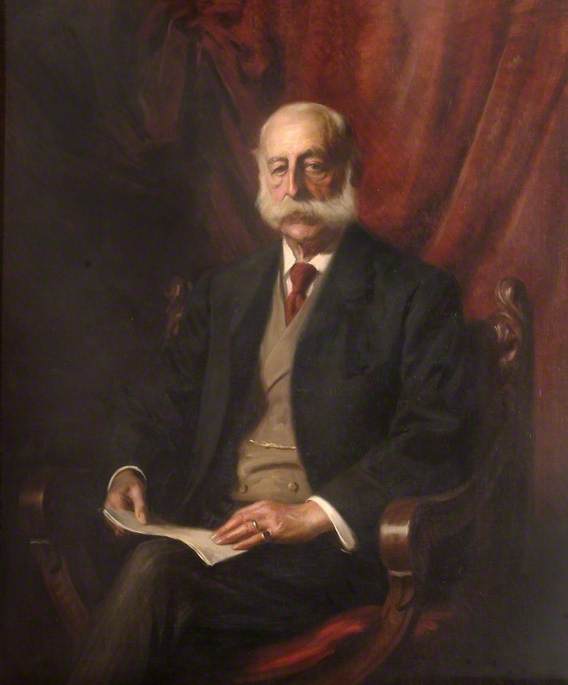
The Right Honourable Thomas Francis (1830–1918), 2nd Baron Cottesloe
 1903
1903 125.0 x 110.0 cm
 Ayuntamiento de Auvers
 Leer más
Reproducción al óleo hecha a mano
Óleo sobre lienzo pintado a mano en el tamaño y marco de su elección, realizado por encargo por nuestros artistas. ( Pedir impresión Comprar descarga)




































Elija entre nuestros tamaños predefinidos que respetan las proporciones originales de la obra.

Puede ingresar sus propias dimensiones para adaptarse a un marco o espacio específico. Si el tamaño seleccionado no coincide con las proporciones de la imagen original, recortaremos la obra o extenderemos la pintura con elementos adicionales pintados a mano. Se le enviará una maqueta digital para su aprobación antes de comenzar la producción.
Tenga en cuenta que la vista previa en pantalla no refleja el recorte o la extensión reales. Solo la maqueta mostrará con precisión la composición final.
Si bien existen tamaños personalizados, recomendamos seleccionar una dimensión de la lista predefinida para preservar las proporciones originales.
Tras realizar el pedido, el equipo de ArtsDot.com enviará un correo electrónico al cliente para solicitar instrucciones y proporcionarle una vista previa del boceto.
Envío a todo el mundo () en 3-4 semanas en lugar de las 5 semanas estándar. (21 agosto). Sin comprometer la calidad.

Envío exprés gratuito a todo el mundo

Lienzo de lino de alta calidad

Seguro de envío completo

Garantía de reembolso de aranceles aduaneros

Garantía de fidelidad cromática exacta

Política de devolución de 60 días (solo por defectos)

Garantía de devolución del 100% del dinero

Oferta por volumen
 La opción de vidrio solo está disponible en tamaños inferiores a 110 cm.

The Right Honourable Thomas Francis (1830–1918), 2nd Baron Cottesloe
Técnica de reproducción
Tamaño de la reproducción
-


Precio total
$ 263
Obras relacionadas









Biografía del artista
Herman Herkomer: A Victorian Visionary
Herman Ottó Herkomer (1863 – 1935) was a Hungarian-born British artist who achieved international acclaim for his distinctive portraits and landscapes, particularly those depicting rural life in England. Born in Budapest to Hungarian parents, he emigrated to Britain at the age of eighteen, establishing himself as a prolific painter and illustrator with an unwavering dedication to capturing the beauty and character of the Victorian era. His artistic style—characterized by bold brushstrokes, dramatic chiaroscuro, and a masterful use of impasto—became instantly recognizable and cemented his place among the leading artists of his time.Early Life & Artistic Training
Herkomer’s formative years were spent in Budapest where he received a rigorous classical education focusing on drawing and painting. Recognizing his talent early on, his father encouraged him to pursue artistic endeavors, fostering an appreciation for observation and meticulous detail. He studied at the Kunstakademie Düsseldorf under Anton Melchers, absorbing influences from German Romanticism and Impressionism—a crucial step in shaping his future artistic vision. This exposure instilled in him a profound understanding of tonal painting and compositional techniques that would become hallmarks of his oeuvre.Victorian Landscape Painting & Portraiture
Herkomer’s breakthrough came with his depictions of the English countryside, specifically Norfolk and Suffolk. Unlike many landscape painters of his era who sought idealized vistas, Herkomer embraced realism, portraying scenes with unflinching honesty—warts and all—capturing the textures and moods of rural life with remarkable sensitivity. He meticulously rendered fields, barns, and cottages, employing a technique that combined Impressionistic brushwork with a deliberate emphasis on sculptural modeling – creating canvases imbued with palpable atmosphere. Simultaneously, he excelled as a portrait painter, producing striking likenesses of prominent figures from British society—aristocrats, writers, and artists alike. His portraits were renowned for their psychological depth and expressive quality, conveying not merely physical appearance but also inner character and emotion.Notable Works & Artistic Style
Among Herkomer’s most celebrated paintings include “Château Farmyard,” a whimsical depiction of a Norfolk farmhouse tower bathed in golden light—a testament to his Impressionistic sensibilities. The painting exemplifies his masterful use of impasto, layering thick brushstrokes to build up textural surfaces that evoke the warmth and vibrancy of the countryside. Furthermore, his portrait of Sir John Murray Scott showcases his exceptional skill in capturing subtle nuances of expression and conveying a profound sense of dignity. His portraits are distinguished by their dramatic chiaroscuro—the interplay of light and shadow—which enhances the psychological impact of each image. He consistently employed bold brushstrokes and sculptural modeling to achieve an unparalleled level of realism and emotional resonance.Influence & Legacy
Herkomer’s artistic vision profoundly influenced subsequent generations of painters, particularly those interested in capturing the spirit of rural England. His uncompromising commitment to observation and his innovative technique—combining Impressionistic brushwork with classical modeling—established him as a pioneer of British landscape painting and portraiture. Although he faced criticism during his lifetime for his unconventional style, Herkomer’s enduring legacy rests on the beauty and authenticity of his artwork—a timeless celebration of Victorian England and a testament to the power of artistic integrity. His paintings continue to inspire admiration and scholarly study today, securing his place as one of Britain's most important artists of the 19th century.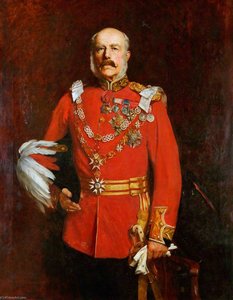
herman herkomer
1863 - 1935
Datos clave
- Artistic Movement Or Style: Impressionism
- Artists Or Movements Influenced By This Artist: ['Romanticism']
- Artists Who Influenced This Artist: ['Arthur Walsh']
- Date Of Birth: 1863
- Date Of Death: 1935
- Full Name: Herman Ottó Herkomer
- Nationality: Hungarian
- Notable Artworks:
- Château Farmyard
- Sir John Murray Scott
- Place Of Birth: Budapest, Hungary

