

 Enviar
 Compartir
 Detalles

 Descargar
 Similares
 Presentación de diapositivas
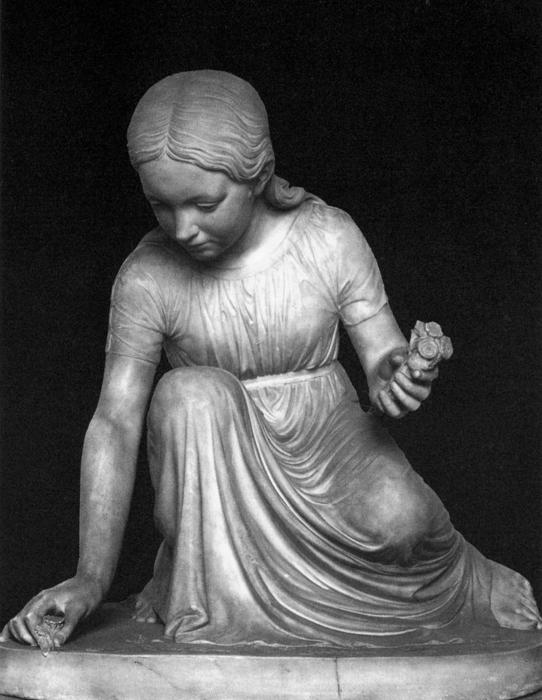
Girl Picking Flowers


 Ver más
Reproducción al óleo hecha a mano
Óleo sobre lienzo pintado a mano en el tamaño y marco de su elección, realizado por encargo por nuestros artistas. ( Comprar impresión Comprar imagen)




































Elija entre nuestros tamaños predefinidos que respetan las proporciones originales de la obra.

Puede ingresar sus propias dimensiones para adaptarse a un marco o espacio específico. Si el tamaño seleccionado no coincide con las proporciones de la imagen original, recortaremos la obra o extenderemos la pintura con elementos adicionales pintados a mano. Se le enviará una maqueta digital para su aprobación antes de comenzar la producción.
Tenga en cuenta que la vista previa en pantalla no refleja el recorte o la extensión reales. Solo la maqueta mostrará con precisión la composición final.
Si bien existen tamaños personalizados, recomendamos seleccionar una dimensión de la lista predefinida para preservar las proporciones originales.
Tras realizar el pedido, el equipo de ArtsDot.com enviará un correo electrónico al cliente para solicitar instrucciones y proporcionarle una vista previa del boceto.
Envío a todo el mundo () en 3-4 semanas en lugar de las 5 semanas estándar. (22 agosto). Sin comprometer la calidad.

Envío exprés gratuito a todo el mundo

Lienzo de lino de alta calidad

Seguro de envío total

Garantía de reembolso de impuestos aduaneros

Garantía de fidelidad cromática exacta

Política de devolución de 60 días (solo por defectos)

Garantía de devolución del 100% del dinero

Descuento por cantidad
 La opción de vidrio solo está disponible en tamaños inferiores a 110 cm.

Girl Picking Flowers
Técnica de reproducción
Dimensiones de la reproducción
-


Precio total final
$ 263
Descripción de la obra
A Moment Frozen in Marble: Exploring Hermann Ernst Freund’s “Girl Picking Flowers”
Hermann Ernst Freund's "Girl Picking Flowers," sculpted in 1840, is more than just a beautiful depiction of childhood innocence; it’s a poignant meditation on beauty, transience, and the enduring power of nature. Carved from pristine white marble, the sculpture captures a fleeting moment – a young girl kneeling amidst a bed of wildflowers, her hand outstretched as if to pluck a blossom. The work immediately draws the viewer in with its serene composition and the palpable sense of quiet contemplation radiating from the figure.
Freund’s artistic journey is deeply intertwined with the Romantic movement's fascination with mythology and the sublime. Born near Bremen, Germany, he initially trained as a blacksmith before dedicating himself to sculpture. His early years in Copenhagen provided a solid foundation, culminating in his prestigious graduation medals – a testament to his burgeoning talent. However, it was his decade spent in Rome that truly shaped his artistic vision, placing him firmly within the orbit of Bertel Thorvaldsen, the leading sculptor of the era. Thorvaldsen’s influence is evident in Freund's meticulous attention to anatomical detail and his embrace of Neoclassical ideals – a style characterized by its emphasis on classical forms, idealized beauty, and a commitment to realistic representation.
Neoclassical Form and Delicate Execution
The sculpture itself exemplifies the hallmarks of Neoclassicism. The girl’s pose is deliberately restrained, echoing the statues of ancient Greek and Roman figures – a deliberate nod to the classical ideals of harmony, balance, and proportion. Freund's mastery of marble carving is breathtaking; every fold in the dress, every strand of hair, every delicate petal of the flowers is rendered with astonishing precision. The smooth, polished surface of the marble creates an illusion of life, almost as if we could hear the rustle of leaves and smell the fragrance of wildflowers.
Technically, Freund employed a subtractive carving method, meticulously removing material from a larger block of marble to reveal the desired form. This process demanded immense skill and patience, requiring not only artistic vision but also an intimate understanding of the stone’s properties. The subtle gradations in tone – achieved through careful polishing and shading – contribute significantly to the sculpture's three-dimensionality and its ability to evoke a sense of depth.
Symbolism and Emotional Resonance
Beyond its technical brilliance, “Girl Picking Flowers” is rich in symbolic meaning. The act of gathering flowers can be interpreted as a metaphor for collecting experiences, appreciating the beauty of the natural world, or even seeking solace and joy. The girl’s youthful innocence and her connection to nature evoke feelings of nostalgia and longing – a yearning for simpler times and a deeper connection to the earth. The sculpture also subtly hints at the fleeting nature of beauty itself; the flowers represent ephemeral moments that are destined to fade, mirroring the transient quality of youth and life.
Freund’s choice of subject matter—a young girl in a pastoral setting—was particularly significant during the 19th century. It aligned with Romantic ideals of returning to nature and celebrating the virtues of childhood. The sculpture speaks to a broader cultural fascination with themes of purity, innocence, and the restorative power of the natural world.
A Timeless Masterpiece for Art & Interior Spaces
“Girl Picking Flowers” remains a captivating work of art, admired for its exquisite craftsmanship, evocative symbolism, and enduring emotional resonance. Reproductions offer an accessible way to bring this timeless masterpiece into your home or office, allowing you to appreciate Freund’s artistry and the sculpture's profound beauty. Whether displayed in a grand gallery or a cozy corner, “Girl Picking Flowers” continues to inspire contemplation and evoke a sense of wonder.
Obras relacionadas
Biografía del artista
Hermann Ernst Freund: Vida y Legado
Primeros Años y Formación
Hermann Ernst Freund (1786-1840) fue un escultor alemán-danés que alcanzó el reconocimiento por su trabajo pionero en la mitología nórdica y, más notablemente, el ambicioso *Fresco de Ragnarök*. Nacido cerca de Bremen, Alemania, inicialmente persiguió una formación como herrero antes de dedicarse al mundo del arte. Se matriculó en la Academia de Arte de Copenhague, donde su talento rápidamente se hizo evidente, ganando todas las cuatro medallas de plata y oro.
Período Romano e Influencias
Tras su graduación, Freund emprendió una década de estancia en Roma (1810-1820). Este período resultó crucial para su desarrollo artístico. Se convirtió en el asistente más cercano del renombrado escultor Bertel Thorvaldsen, adquiriendo experiencia invaluable y perfeccionando sus habilidades. Su obra durante este tiempo, como el busto de mármol de Bernhard Severin Ingemann (1820), demuestra una clara influencia del estilo Neoclásico de Thorvaldsen.
Abrazando la Mitología Nórdica
Al regresar a Dinamarca, Freund se distinguió como un temprano defensor del Nacionalismo Romántico. Fue el primer escultor danés en involucrarse activamente con temas de la mitología nórdica, creando una serie de doce estatuillas entre 1822 y 1829. Estos incluyeron representaciones convincentes de figuras como Loki (1822), Odín (bronce, 1827) y Thor (1829). Su enfoque combinaba hábilmente la grandeza de las tradiciones mitológicas griegas y romanas con temas nórdicos distintivos.
Logros Principales y Estilo Artístico
- Fresco de Ragnök: La obra maestra de Freund, un monumental fresco que representa los eventos apocalípticos de Ragnarök (el fin del mundo en la mitología nórdica). Aunque fue completado postumamente por Herman Wilhelm Bissen después de su muerte en 1840, representó años de trabajo dedicado. Lamentablemente, el original fue destruido en el incendio de Christianborg en 1884; sin embargo, una reproducción en yeso permanece en el Museo Estatal para las Artes.
- Decoración de la Iglesia de Nuestra Señora: Freund preparó modelos para figuras destinadas a adornar la Iglesia de Nuestra Señora en Copenhague, aunque la comisión finalmente fue otorgada a Thorvaldsen.
- Estilo Escultórico: El estilo de Freund se caracteriza por una armoniosa combinación de precisión Neoclásica y emocionalidad Romántica. Sus figuras poseen tanto precisión anatómica como un sentido de narrativa dramática.
Vida Tardía y Legado
En 1829, Freund fue nombrado profesor en la Academia, consolidando su posición dentro del mundo del arte danés. Inspirado por sus viajes a Italia meridional, decoró su residencia oficial, Materialgaard, con un estilo Pompeiano. Mentorizó a varios jóvenes artistas, incluyendo a Georg Hilker, Heinrich Eddelien, Constantin Hansen y Christen Købke, quienes asistieron con la decoración de Materialgaard basándose en los diseños de Freund.
Significado Histórico
Hermann Ernst Freund desempeñó un papel crucial para dar forma a la escultura danesa durante su Edad Dorada. Su exploración pionera de la mitología nórdica no solo revitalizó la identidad artística nacional, sino que también estableció un legado único y perdurable. La colección más grande de sus obras está alojada en el Glyptotek en Copenhague, asegurando que las generaciones futuras puedan apreciar sus contribuciones a la historia del arte. Él sigue siendo una figura importante para comprender la intersección del Neoclasicismo, el Romanticismo y la Identidad Nacional en el arte danés del siglo XIX.
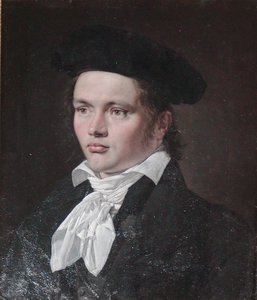
Hermann Ernst Freund
1786 - 1840 , Alemania
Datos clave
- Artistic Movement Or Style: Neoclasicismo y Romanticismo Nacional
- Artists Or Movements Influenced By This Artist: ['Romanticismo']
- Artists Who Influenced This Artist: Bertel Thorvaldsen
- Date Of Birth: 1786
- Full Name: Hermann Ernst Freund
- Nationality: Danish
- Notable Artworks: ['Ragnarök Frieze']
- Place Of Birth: Bremen, Alemania
Artículos relacionados
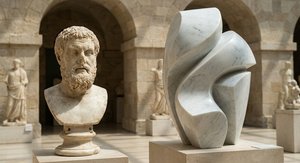
The Enduring Allure of Marble in Art History: From Classical Sculpture to Modern Abstraction
Explore the captivating history of marble sculpture from ancient Greece to modern art. Discover renowned artists like Canova & Michelangelo, carving techniques, and investment insights at ArtsDot.

Esculturas de Bronce Legendarias: 10 Obras Maestras que Transformaron el Arte | ArtsDot
Descubre las 10 esculturas de bronce más legendarias que revolucionaron el arte. Explora la historia de Rodin, Degas y otros maestros del bronce. Encuentra reproducciones de alta calidad e inspiración para tu hogar en ArtsDot.com.

The Enduring Form: Exploring Themes & Techniques in Sculpture Across Historical Periods
Explore the rich history of sculpture from ancient masterpieces to contemporary innovations. Discover key techniques, influential artists & investment potential for discerning art collectors.
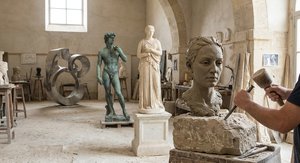
The Enduring Form: Sculpture Across History, Technique & Emotional Resonance
Explore the rich history of sculpture with ArtsDot. Discover key techniques, influential artists & investment potential for discerning collectors. Expert insights into valuing and collecting timeless masterpieces.
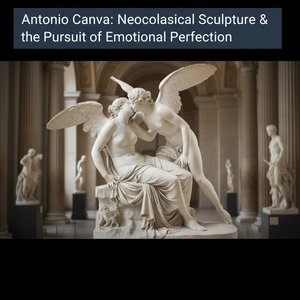
Antonio Canova: Neoclassical Sculpture & the Pursuit of Emotional Perfection
Explore the life & art of Antonio Canova, the greatest Neoclassical sculptor. Discover his masterpieces, innovative techniques, and lasting influence on fine art collecting. Expert insights for discerning investors.

