

 Vista previa
 Compartir
 Compartir
 Ver detalles

 Descargar
 Ver similares
 Radiografía
 Presentación de diapositivas
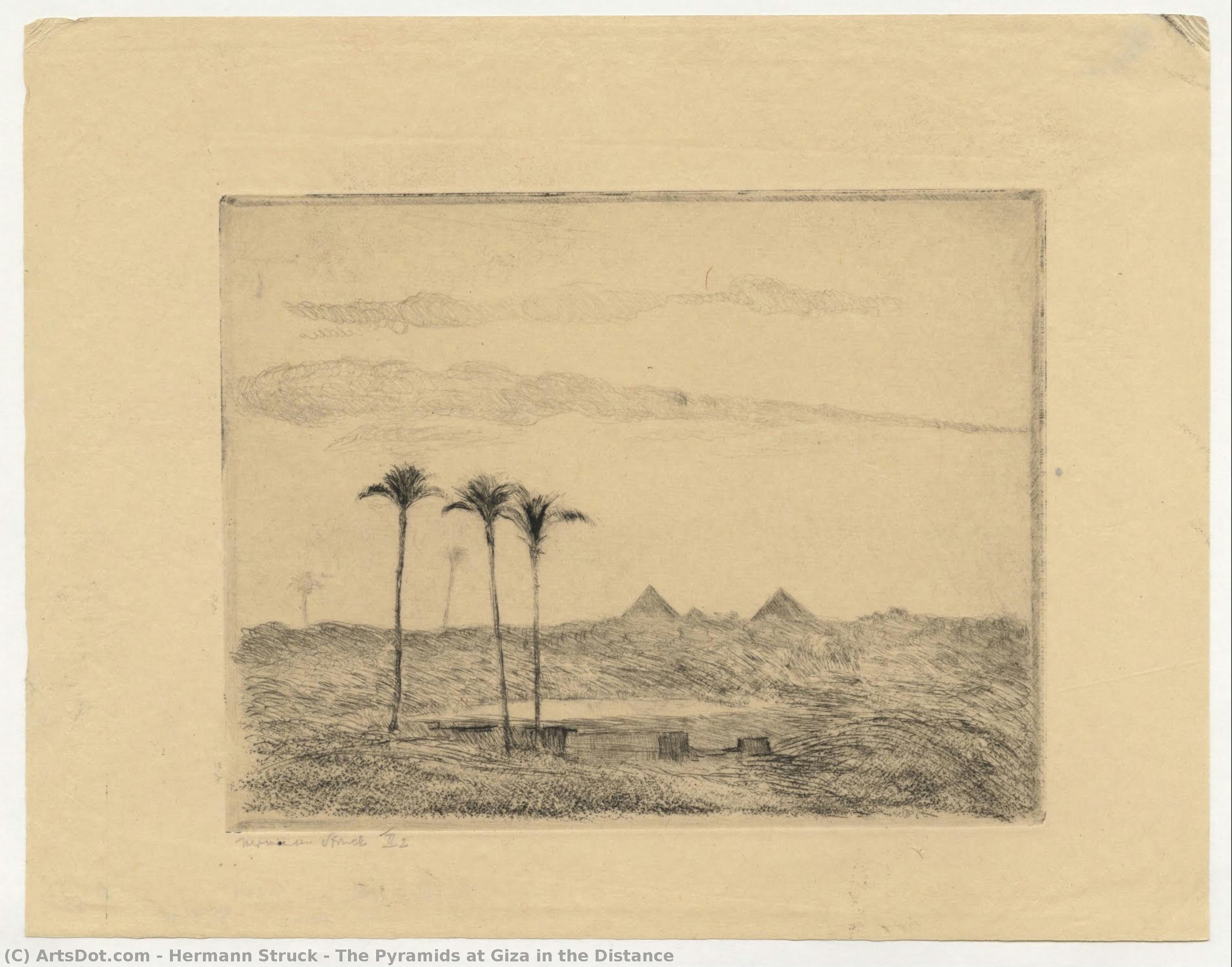
The Pyramids at Giza in the Distance
 Etching
 1900
1900- 19th Century
 23.0 x 18.0 cm
 Instituto Leo Baeck
 Leer más
Reproducción al óleo hecha a mano
Óleo sobre lienzo pintado a mano en el tamaño y marco de su elección, realizado por encargo por nuestros artistas. ( Pedir impresión Comprar descarga)




P118B $10

P118H $10

P118W $10

P438Z $10

P508JH $12

P508YH $12

P805H $10

P805Z $10

P919BZ $10

P919G $10

P919XJ $10

P959ZH $10

P968JZ $12

W106C $8

W218G $10

W218JH $8

W218Y $10

W307PJ $10

W316G $10

W316PJ $8

W316Y $10

W398PJ $8

W4111J $10

W500HY $15

W500JH $15

W692G $12

W849H $8

W940BG $15

W953PJ $8




Elija entre nuestros tamaños predefinidos que respetan las proporciones originales de la obra.

Puede ingresar sus propias dimensiones para adaptarse a un marco o espacio específico. Si el tamaño seleccionado no coincide con las proporciones de la imagen original, recortaremos la obra o extenderemos la pintura con elementos adicionales pintados a mano. Se le enviará una maqueta digital para su aprobación antes de comenzar la producción.
Tenga en cuenta que la vista previa en pantalla no refleja el recorte o la extensión reales. Solo la maqueta mostrará con precisión la composición final.
Si bien existen tamaños personalizados, recomendamos seleccionar una dimensión de la lista predefinida para preservar las proporciones originales.
Tras realizar el pedido, el equipo de ArtsDot.com enviará un correo electrónico al cliente para solicitar instrucciones y proporcionarle una vista previa del boceto.
Envío a todo el mundo () en 3-4 semanas en lugar de las 5 semanas estándar. (21 agosto). Sin comprometer la calidad.

Envío exprés gratuito a todo el mundo

Lienzo de lino de alta calidad

Seguro de envío completo

Garantía de reembolso de aranceles aduaneros

Garantía de fidelidad cromática exacta

Política de devolución de 60 días (solo por defectos)

Garantía de devolución del 100% del dinero

Oferta por volumen
 La opción de vidrio solo está disponible en tamaños inferiores a 110 cm.

The Pyramids at Giza in the Distance
Técnica de reproducción
Tamaño de la reproducción
-


Precio total
$ 263
Descripción de la obra
A Timeless Encounter with Antiquity
In this evocative black and white etching, titled The Pyramids at Giza in the Distance, the viewer is transported back to the turn of the twentieth century, standing amidst the sands of Egypt. The composition is anchored by the majestic silhouettes of the Great Pyramities, rising from the horizon like silent sentinels of a lost era. Two slender palm trees frame the scene, their organic, swaying forms providing a delicate contrast to the rigid, geometric permanence of the ancient stone structures. This interplay between the ephemeral life of nature and the eternal endurance of human monumentality creates a profound sense of temporal depth, inviting the observer to contemplate the vast stretches of history that have passed beneath these very peaks.
The artist, Hermann Struck, utilizes the intricate medium of etching to masterfully manipulate light and shadow. Through fine, deliberate lines and varying densities of ink, he breathes life into the desert atmosphere, capturing a sense of hazy distance and sun-drenched stillness. The monochromatic palette strips away the distractions of color, forcing the eye to focus on texture and form—the rough grain of the sand, the feathered fronds of the palms, and the weathered surfaces of the pyramids. This technique lends the piece an archival, almost dreamlike quality, as if we are peering through a window into a memory preserved in silver and soot.
Humanity Amidst the Eternal
What elevates this work from a mere topographical study to a poignant narrative is the presence of the small, scattered figures inhabiting the landscape. These individuals, rendered with subtle precision, appear as transient guests within a landscape that has witnessed the rise and fall of civilizations. Some wander near the center, perhaps lost in contemplation, while others linger near the periphery, their tiny forms emphasizing the overwhelming scale of the Giza plateau. This inclusion of human life introduces a layer of quiet companionship to the scene, transforming a desolate monument into a living, breathing site of pilgrimage and wonder.
For the discerning collector or interior designer, this etching offers more than just historical interest; it provides a sophisticated focal point for any curated space. Its understated elegance and classical subject matter make it an ideal addition to a library, a study, or a gallery wall designed around themes of travel, archaeology, or timelessness. As a high-quality reproduction, it carries the weight of Struck’s technical mastery, offering an opportunity to possess a piece that evokes both the intellectual rigor of German printmaking and the romantic allure of the Orient. It is a work that does not merely decorate a room but invites a conversation about our place within the grand tapestry of human history.
Obras relacionadas
Biografía del artista
Early Life and Education
Hermann Struck, una figura destacada del arte alemán y judío, nació en Berlín el 6 de marzo de 1876. Su vida temprana estuvo marcada por una profunda conexión con la tradición religiosa y un talento innato para el dibujo. Aunque destinado inicialmente a seguir los pasos de su familia en el rabinazgo, Struck pronto demostró una pasión irresistible por el arte visual. Se matriculó en la prestigiosa Academia de Bellas Artes de Berlín, donde perfeccionó sus habilidades en pintura y grabado, sentando las bases para su futuro éxito como artista. Durante sus estudios, absorbió influencias de los movimientos artísticos dominantes de la época, preparándose para un camino que lo llevaría a explorar temas complejos y expresar ideas profundas a través de su obra.Artistic Career and Notable Works
La carrera artística de Hermann Struck se caracterizó por su excepcional maestría en el grabado y el litografía, disciplinas en las que plasmó con notable habilidad tanto escenas de la vida judía como paisajes evocadores. Su trabajo fue reconocido con un amplio prestigio dentro del mundo artístico, consolidándolo como una figura respetada y admirada. Entre sus obras más destacadas se encuentran retratos de personalidades emblemáticas como Ibsen, Nietzsche, Freud, Albert Einstein, Herzl y Oscar Wilde, capturando la esencia y el carácter único de cada sujeto. Además, Struck creó impresionantes grabados inspirados en sus viajes, revelando su habilidad para traducir la belleza natural en imágenes impactantes. Un hito importante en su carrera fue la publicación en 1908 de "Die Kunst des Radierens" ("El Arte del Grabado"), una obra fundamental que combinaba teoría y práctica, convirtiéndose en un manual de referencia para artistas y aficionados por igual.Zionist Activism and Military Service
Más allá de su talento artístico, Hermann Struck fue un ferviente defensor del sionismo y un activista comprometido con la causa judía. En 1903, realizó una visita al entonces territorio palestino (parte del Imperio Otomano), donde expuso sus obras en el Quinto Congreso Zionista, demostrando su apoyo a la creación de un hogar para los judíos en la Tierra Prometida. Durante la Primera Guerra Mundial, Struck desempeñó un papel crucial como traductor, enlace y artista militar, contribuyendo al esfuerzo bélico alemán. Su servicio no solo le permitió mantenerse activo durante un período turbulento de la historia, sino que también lo expuso a las realidades sociales y políticas del momento, influyendo en su visión artística y sus intereses.Legacy and Later Life
El legado de Hermann Struck perdura a través de sus numerosas obras grabadas y pintadas, que se conservan en museos de renombre como el Museo Kaiser-Wilhelm (Krefeld, Alemania). Murió el 11 de enero de 1944 en Haifa, Israel, dejando tras de sí un valioso patrimonio artístico y cultural. Su vida y obra son un testimonio del talento, la pasión y el compromiso de un artista que trascendió las barreras culturales y políticas para crear imágenes perdurables que reflejan su tiempo y sus ideales. Su trabajo continúa inspirando a artistas y amantes del arte en todo el mundo.
Hermann Struck
1876 - 1944 , Alemania
Datos clave
- Artistic Movement Or Style: Grabados, litografías
- Artists Or Movements Influenced By This Artist: ['Secesión de Berlín']
- Artists Who Influenced This Artist: ['Jozef Israëls']
- Date Of Birth: 6 marzo 1876
- Date Of Death: 11 enero 1944
- Full Name: Hermann Struck
- Nationality: Germano-judío
- Notable Artworks:
- El ciego mendigo
- Parque Central, NY
- Duomo Florencia
- Place Of Birth: Berlín, Alemania
Artículos relacionados

Blanco Sublime: Los 10 Cuadros Más Famosos Dominados por la Luz y el Color
Descubre los 10 cuadros blancos más emblemáticos de la historia del arte. Explora Monet, Van Gogh y Klimt, y su magistral uso de la luz y el color. Encuentra reproducciones de alta calidad e inspírate para tu decoración en .

Monochrome Visions: Exploring the Aesthetic & Historical Significance of Black & White Photography
Explore the rich history & artistic power of black and white photography. From early techniques to iconic masters like Ansel Adams, discover why monochrome continues to captivate art lovers today. Expert insights for collectors.
Las 10 Grabados Legendarios que Revolucionaron el Arte | ArtsDot
Descubre los 10 grabados legendarios que transformaron la historia del arte. Explora las obras maestras de Rembrandt, Goya y Dürer. Encuentra reproducciones de alta calidad e inspírate para decorar tu hogar con arte clásico en ArtsDot.com.

Las 10 Pinturas Más Famosas Dominadas por el Negro | Arte y Decoración
Descubre las 10 pinturas más impactantes dominadas por el negro. Explora obras maestras de Rembrandt, Goya y Rothko, su historia y significado. Encuentra reproducciones de arte exclusivas para transformar tu hogar en .

El Aguafuerte: Un Recorrido Histórico por su Técnica, Cualidades Estéticas y Significado Duradero
Descubre la fascinante historia y técnica del aguafuerte. Explora su evolución artística, los maestros que lo dominaron y sus cualidades estéticas únicas. Guía experta para amantes del arte.

