

 Ver en contexto
 Enviar
 Compartir
 Detalles

 Descargar
 Similares
 Radiografía
 Presentación de diapositivas
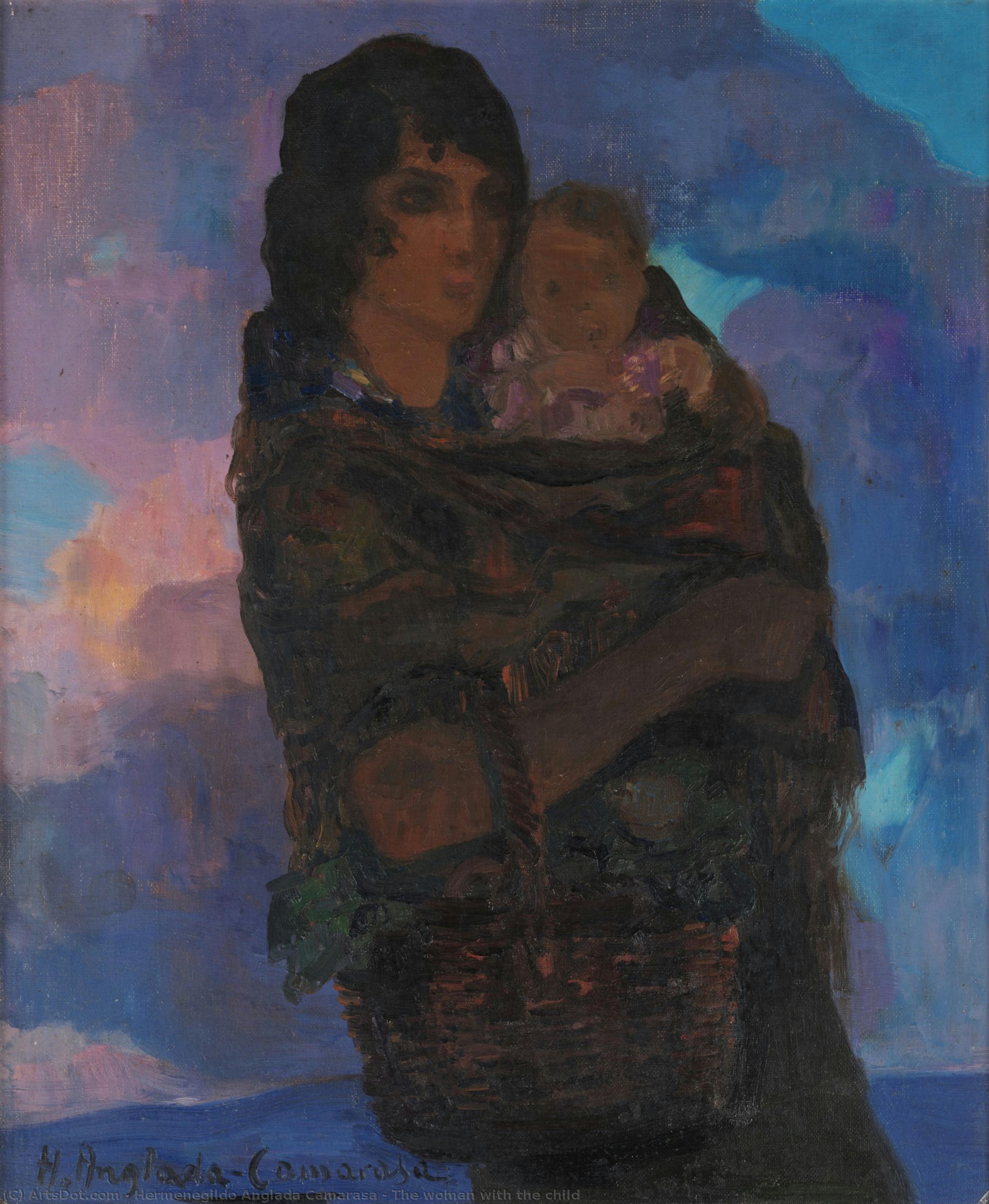
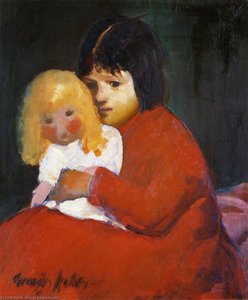
The woman with the child
 Expressionism
 1960
1960 37.0 x 45.0 cm
 Museo Municipal de Arte de La Plata
 Ver más
Giclée / Impresión de arte
Impresiones giclée o en lienzo de calidad de museo con producción rápida y opciones de acabado flexibles. ( Comprar pintura hecha a mano Comprar imagen)




































Elija entre nuestros tamaños predefinidos que respetan las proporciones originales de la obra.

Puede introducir sus propias dimensiones para adaptarse a un marco o espacio específico. Si el tamaño seleccionado no coincide con las proporciones de la imagen original, recortaremos la obra de arte o extenderemos la imagen con un borde con efecto espejo o de color sólido. Se enviará una maqueta digital para su aprobación antes de que comience la producción.
Tenga en cuenta que la vista previa en pantalla no refleja el recorte o la extensión real. Solo la maqueta mostrará con precisión la composición final.
Aunque existen tamaños personalizados, recomendamos seleccionar una dimensión de la lista predefinida para preservar las proporciones originales.
Envío a todo el mundo () en 2 semanas en lugar de las 4/5 semanas estándar. (31 agosto)

Envío exprés gratuito a todo el mundo

Lienzo de lino de alta calidad

Seguro de envío total

Garantía de reembolso de impuestos aduaneros

Garantía de fidelidad cromática exacta

Política de devolución de 60 días (solo por defectos)

Garantía de devolución del 100% del dinero

Descuento por cantidad
 La opción de vidrio solo está disponible en tamaños inferiores a 110 cm.

The woman with the child
Giclée / Impresión de arte
Dimensiones de la reproducción
-


Precio total final
$ 62
Obras relacionadas
Biografía del artista
Hermenegildo Anglada Camarasa: A Pioneer of Catalan Modernism
Hermenegildo Anglada Camarasa (1871–1959) stands as a cornerstone of Catalan modernism, an artistic movement that fiercely championed regional identity amidst the broader currents of European avant-garde. Born in Barcelona, he embarked on his artistic journey at the École Supérieure des Beaux-Arts, absorbing the stylistic precepts of Modest Urgell before decisively forging his own path toward expressive abstraction.
- Early Influences: Urgell’s academic training instilled a foundational understanding of composition and technique, yet Camarasa quickly sought inspiration beyond traditional boundaries.
- Parisian Breakthrough (1894): Moving to Paris, he immersed himself in the vibrant artistic milieu of École Julian, where he honed his skills alongside fellow artists like Degas and Toulouse-Lautrec—figures who profoundly shaped his aesthetic sensibilities.
- Fauvist Resonance: Camarasa’s bold palette and dynamic brushwork resonated deeply with Fauvism, signaling a pivotal shift toward unrestrained color expression and rejecting naturalistic representation. This influence is particularly evident in works like “Gallo de San Pedro,” where golden hues dominate against textured rock formations.
His artistic vision extended beyond mere visual spectacle; Camarasa meticulously incorporated elements of Oriental and Arab symbolism into his compositions, reflecting a fascination with exotic cultures and enriching the narrative depth of his paintings. Collaborations with Gustav Klimt further solidified his reputation as a master of decorative art, demonstrating an unwavering commitment to stylistic innovation.
Major Works & Artistic Style
- “Gallo de San Pedro” (1903): This iconic painting exemplifies Camarasa’s masterful use of color and texture—a testament to his ability to convey emotion through visual form.
- Portraits: Camarasa produced numerous portraits, capturing the essence of his subjects with sensitivity and psychological insight. Notably, he painted Sonia Klamery, demonstrating an adeptness at portraying inner life alongside external appearance.
- Decorative Panels: His decorative panels showcased a distinctive blend of geometric abstraction and stylized ornamentation—reflecting Klimt’s influence and cementing his position as a leading proponent of modernist aesthetics.
Camarasa's legacy transcends stylistic trends; he served as an inspiration for artists like Picasso and Kandinsky, fostering the development of abstract expressionism and shaping the trajectory of 20th-century art history. His unwavering dedication to Catalan identity—expressed through his artistic endeavors—continues to resonate today.
Influence & Legacy
- Catalan Modernism: Camarasa’s work epitomized the core tenets of Catalan modernism, bolstering its assertion of regional cultural heritage amidst European artistic dialogues.
- Fauvism & Expressionism: He stands as a pivotal conduit between Fauvist and Expressionist movements, demonstrating how bold color palettes could convey profound emotional states.
- Picasso & Kandinsky: Camarasa’s stylistic innovations profoundly impacted Picasso and Kandinsky—artists who embraced abstraction and explored the expressive potential of nonrepresentational imagery.
His enduring presence in art history is secured by his contribution to the foundational principles of modernism, cementing his place as a visionary artist whose work continues to captivate audiences worldwide.
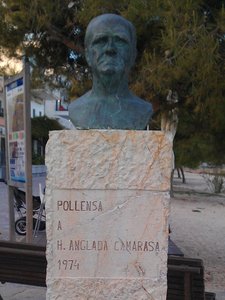
hermenegildo anglada camarasa
1872 - 1959
Datos clave
- Artistic Movement Or Style: Fauvism
- Artists Or Movements Influenced By This Artist:
- Picasso
- Kandinsky
- Artists Who Influenced This Artist:
- Gustav Klimt
- Degas
- Date Of Birth: 1871
- Date Of Death: 1959
- Full Name: Hermenegildo Anglada Camarasa
- Nationality: Spanish
- Notable Artworks: ['Gallo de San Pedro']
- Place Of Birth: Barcelona, Spain
Artículos relacionados
Hermen Anglada Camarasa: A Study in Spanish Modernism's Cosmopolitan Vision
Explore the captivating world of Hermen Anglada Camarasa, a pivotal figure in Spanish Modernism. Discover his vibrant palette, Fauvist influences & lasting legacy with ArtsDot.

The Enduring Legacy of Oil on Canvas: Technique, History & Aesthetic Impact
Explore the rich history & techniques of oil painting – from Renaissance masters to Impressionism. Discover pigments, layering methods, and why this timeless medium endures. Expert insights for artists & art enthusiasts.

El Óleo sobre Lienzo: Historia, Técnica y la Persistencia de un Medio Artístico Atemporal
Descubre la historia y técnica del óleo sobre lienzo. Explora reproducciones fieles hechas a mano, personalización artística y consejos de expertos con ArtsDot. ¡Colecciona arte con confianza!

The Enduring Power of Painting: A Historical & Contemporary Exploration of Form and Emotion
Explore the rich history & enduring techniques of oil painting with ArtsDot. Discover masterpieces, learn about art collecting, and find authentic handmade reproductions crafted by skilled artists.
José Gutiérrez Solana: A Chronicle of Spanish Society Through Expressionist Vision
Explore the captivating world of José Gutiérrez Solana, a pivotal Spanish Expressionist painter. Discover his haunting depictions of early 20th-century Spain, influenced by Goya & El Greco. Learn about his key works and lasting legacy.

